
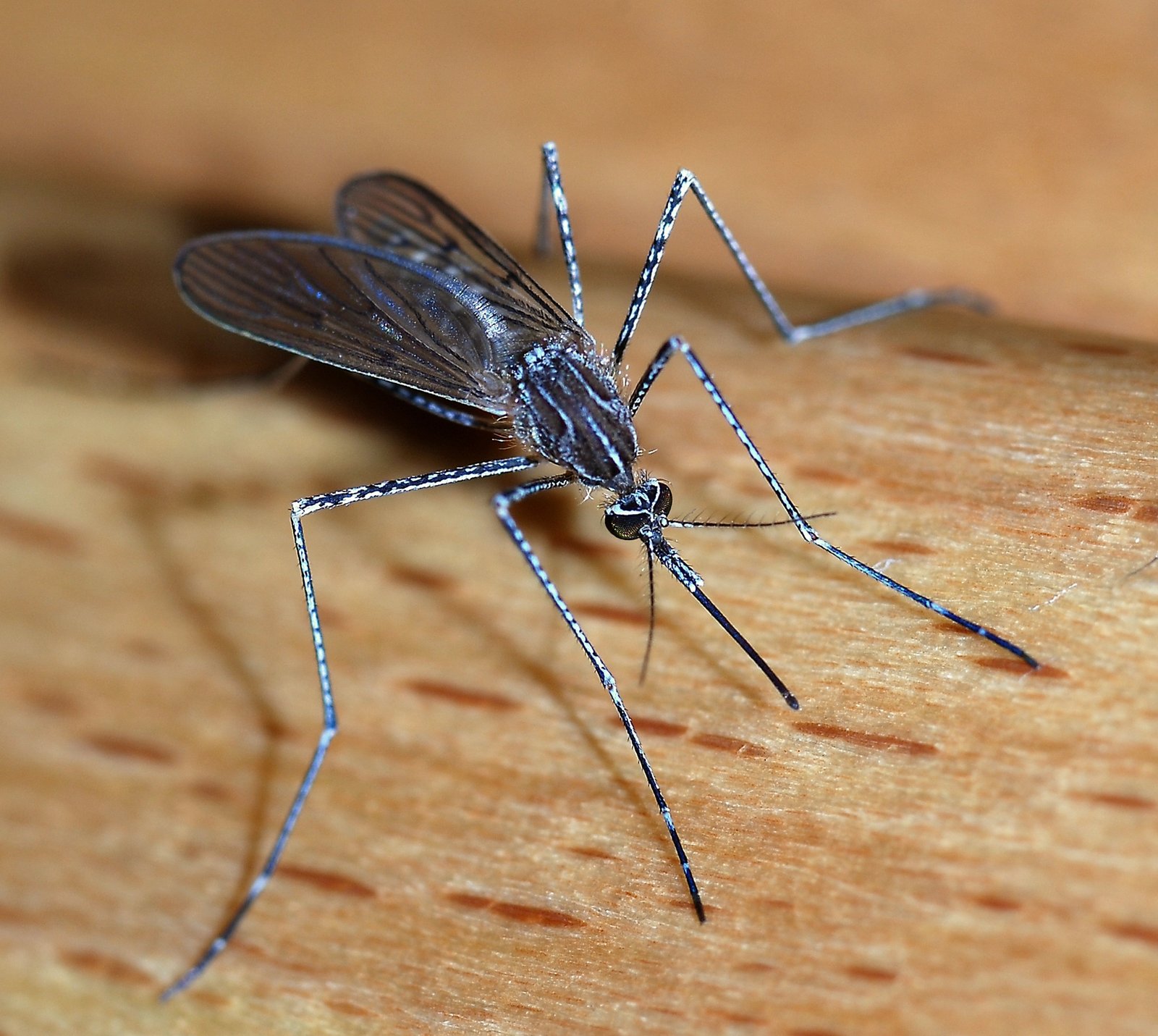
Mosquitoes need standing water to breed, and it doesn’t take much: a bottle cap, a clogged gutter, or a saucer under a potted plant holds enough water for a female mosquito to lay dozens of eggs. Before reaching for a fogger or a spray treatment, a walk around the yard looking specifically for standing water solves more of the problem than most people expect.
Find and remove standing water
- Clear clogged gutters, which hold water for days after a rain and are one of the most common breeding sites around a house
- Empty and scrub birdbaths and pet water bowls at least twice a week, since mosquito eggs hatch in as little as a week in warm weather
- Check tarps covering boats, grills, or firewood for pooled water in the folds
- Turn over or drill drainage holes in anything that collects rainwater, including buckets, wheelbarrows, and children’s toys
- Fix low spots in the yard that hold water after rain, or add drainage where puddling is persistent
- Check tree holes and the base of tarps or playground equipment, spots people tend to forget during a standard walk-around
Why even tiny amounts of water matter
Mosquitoes don’t need moving water, a pond, or anything resembling a natural water source to breed successfully. Stagnant water is actually what they’re looking for, since it lacks the fish and other predators that would eat larvae in a natural pond or stream. That’s why a bottle cap’s worth of water sitting untouched for a week is a more productive breeding site, from the mosquito’s perspective, than a full but regularly disturbed pool. Most mosquito species complete their life cycle from egg to biting adult in seven to ten days under warm conditions, which is roughly why “empty standing water at least once a week” has become the standard piece of advice: it interrupts that cycle before it finishes.
Use larvicides in water that can’t be removed
Ponds, rain barrels, and other water features that need to stay full can be treated with Bti, a naturally occurring bacteria that kills mosquito larvae without harming fish, pets, birds, or beneficial insects. It comes in dunk or granule form and is one of the more effective natural tools available for water you can’t simply dump out. A single dunk typically lasts around 30 days in most conditions, so setting a recurring reminder to check and replace them keeps a water feature from becoming a hidden breeding site between treatments.
Manage vegetation and shade
Mosquitoes rest in dense, shaded vegetation during the day, so keeping shrubs trimmed and grass cut reduces the resting spots near patios and entry points. This matters more in humid climates, coastal areas of the southeastern US, much of Queensland, and parts of the UK after a wet summer, where vegetation stays damp longer and mosquito activity runs higher for more of the season.
Personal and property-level tools
Fans on a patio disrupt mosquitoes’ ability to fly and sense carbon dioxide, and they’re one of the more effective low-effort tools for keeping a seating area usable in the evening. Citronella candles have a modest effect at best and work better as one layer among several rather than a standalone fix. Light-colored, loose-fitting clothing also genuinely helps, since mosquitoes key in partly on dark colors and body heat radiating through tight fabric.
What not to do
Bug zappers marketed for mosquito control mostly kill moths and other harmless flying insects rather than mosquitoes, which don’t navigate primarily by light the way a zapper assumes. Fogging an entire yard on a fixed schedule regardless of actual mosquito pressure treats every beneficial insect in the yard the same as the target pest, which undercuts pollinators and the natural predators that would otherwise help keep mosquito numbers down on their own. And relying entirely on citronella or plant-based repellents without addressing standing water is treating the symptom while the actual breeding source keeps producing more mosquitoes every week.
When mosquito activity peaks
Mosquito pressure tracks temperature and rainfall closely. In most of the US, Canada, and the UK, activity ramps up through late spring, peaks in mid to late summer, and drops off with the first hard frost. Warmer, humid regions like the Gulf Coast, much of Australia, and parts of the southern US see a longer season with less of a sharp seasonal dropoff, sometimes with activity year-round in tropical and subtropical areas. Timing yard prep, clearing gutters and checking for standing water, about two to three weeks before your region’s typical season ramp-up gets ahead of the first wave rather than reacting to it.
A few common questions
How long after clearing standing water should I expect fewer mosquitoes? Give it about one to two weeks, since eggs and larvae already present will keep developing for a few days even after you’ve removed the source. Do citronella plants actually work? They have a mild repellent effect at best when planted in the ground, and mostly aren’t concentrated enough on their own to make a real dent, though they’re a fine addition alongside other tools. Is it worth treating a small yard the same as a large one? Yes, mosquito breeding sites don’t scale with yard size, a small property with one neglected birdbath or clogged gutter can produce as many mosquitoes as a much larger yard with better-managed water.
Repellents Worth Using on Skin and Clothing
Yard maintenance cuts down the population, but it won’t eliminate every mosquito on a given evening, especially right at dusk. DEET remains the most thoroughly studied and reliable active ingredient for skin application, and a concentration between 20 and 30 percent provides several hours of protection without needing constant reapplication. Picaridin performs comparably well, carries less odor, and doesn’t damage plastics, watch bands, or synthetic fabrics the way DEET sometimes can. Oil of lemon eucalyptus, a plant-derived repellent recognized as effective by the CDC, works well for people who’d rather avoid synthetic ingredients, though it needs reapplying more frequently and isn’t recommended for children under three. For anyone spending real stretches of time outside, from a weekend of yard work to a camping trip, clothing pretreated with permethrin adds a second layer of protection that survives several washes and keeps working even after skin repellent has worn off.
Know Which Mosquito You’re Actually Dealing With
Not every mosquito behaves the same way, and knowing which one is active in a yard changes what actually helps. Culex mosquitoes, the most common backyard nuisance species across much of the US and UK, are most active at dusk and dawn and breed readily in stagnant, organically rich water like clogged gutters or a neglected birdbath. Aedes mosquitoes, including the Asian tiger mosquito that has spread through much of the southern and eastern US, bite aggressively during the day, often close to the ground around shaded shrubs, and prefer smaller, cleaner containers of water like plant saucers, bottle caps, and unused planters. A yard with daytime bites concentrated near shrubs points toward Aedes and a container-breeding source close to the house, while evening bites spread across the whole yard point more toward Culex and a larger, possibly overlooked water source, sometimes on a neighboring property. Both species are capable of transmitting disease in some regions, which is one more reason breeding-site removal matters even in a yard where the bites themselves feel like the only problem.
When the Source Isn’t on Your Property
Sometimes the biggest source of mosquito pressure isn’t the yard at all. A neglected pool at a vacant house next door, a poorly maintained drainage ditch, or a stretch of wetland behind a subdivision can produce far more mosquitoes than anything happening on a single property, and no amount of yard work will fully offset that. Many counties and municipalities run mosquito abatement programs that will inspect and treat public land, storm drains, and, in some cases, request access to treat a neglected private pool if it’s reported. It’s worth checking whether your local health department or vector control district offers this before assuming a persistent problem means something was missed at home. In HOA communities, retention ponds and common-area drainage are often the HOA’s responsibility to maintain, and a formal request in writing tends to get faster results than an informal complaint. A single dunk of Bti treats a modest-sized retention pond section for about a month, so this is a reasonable, low-cost ask to make of a property manager rather than an expensive one.
Dealing With the Bites You Already Have
Even a well-managed yard won’t get every bite down to zero, so it’s worth knowing what actually helps once a bite has already happened. A cold compress applied for ten to fifteen minutes reduces swelling and dulls the itch far more effectively than most creams, since much of the discomfort comes from histamine-driven swelling that cold constricts. Over-the-counter hydrocortisone cream or an oral antihistamine handles the rest for most people, and resisting the urge to scratch matters more than it sounds, since broken skin from repeated scratching is the more common path to an actual infection than the bite itself. Anyone who develops a large, spreading area of redness, a fever, or joint pain following a bite, rather than the usual localized itch and bump, should see a doctor rather than assume it’s a normal reaction, since that combination can occasionally signal a mosquito-borne illness that needs medical attention.
When yard treatment makes sense
For yards with heavy vegetation, nearby wetlands, or a history of high mosquito pressure, targeted barrier treatments around resting areas, applied with natural-based products, can knock populations down for weeks at a time. Natural Pest Solutions treats the yard as a whole, standing water, vegetation, and resting sites together, rather than fogging everything indiscriminately, which is both more effective and easier on the beneficial insects sharing the same space.