British Columbia
Pest Control Salmon Arm, BC
From lakeshore cabins along Shuswap Lake to farms in the Salmon River valley, Salmon Arm sees yellowjackets, carpenter ants, spiders and fall deer mouse pressure. We use natural pest control options that fit the seasons of the Interior.
Natural, guaranteed pest control — free no-obligation quotes, no contract, safe around kids and pets.
Common Pests in Salmon Arm
What we treat most often around Salmon Arm, British Columbia
Salmon Arm sits where dry Interior grassland meets the Shuswap shoreline, and that mix shapes what shows up. Summer draws yellowjackets and bald-faced hornets to backyard barbecues, marina docks, and the orchards and hobby farms scattered through the valley, with nests tucked into eaves, woodpiles and dry banks. The wetlands around Salmon Arm Bay and other wet ground keep mosquitoes active through the warmer months, especially in low-lying yards near the water. Carpenter ants turn up in older homes and outbuildings where snowmelt or irrigation keeps wood damp, while hobo spiders and giant house spiders move indoors as September nights cool.
Lakeshore cabins and seasonal properties around Salmon Arm, Canoe and Sicamous see real deer mouse pressure each fall as mice look for shelter ahead of winter, and BC health authorities advise caution around deer mouse droppings because of hantavirus. Cold, snowy winters push rats and mice toward garages and crawlspaces too.
How We Fix It
Pest control services in Salmon Arm
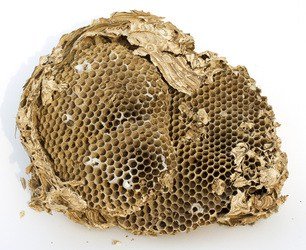
Wasp & Hornet Control
Fast, safe removal of wasp and hornet nests — different pest, different approach than beehive removal, and not something worth handling yourself.
Learn more →
Rodent Control
Mice and rat control that finds the entry points, not just the symptoms — trapping and exclusion that actually keeps rodents out, guaranteed.
Learn more →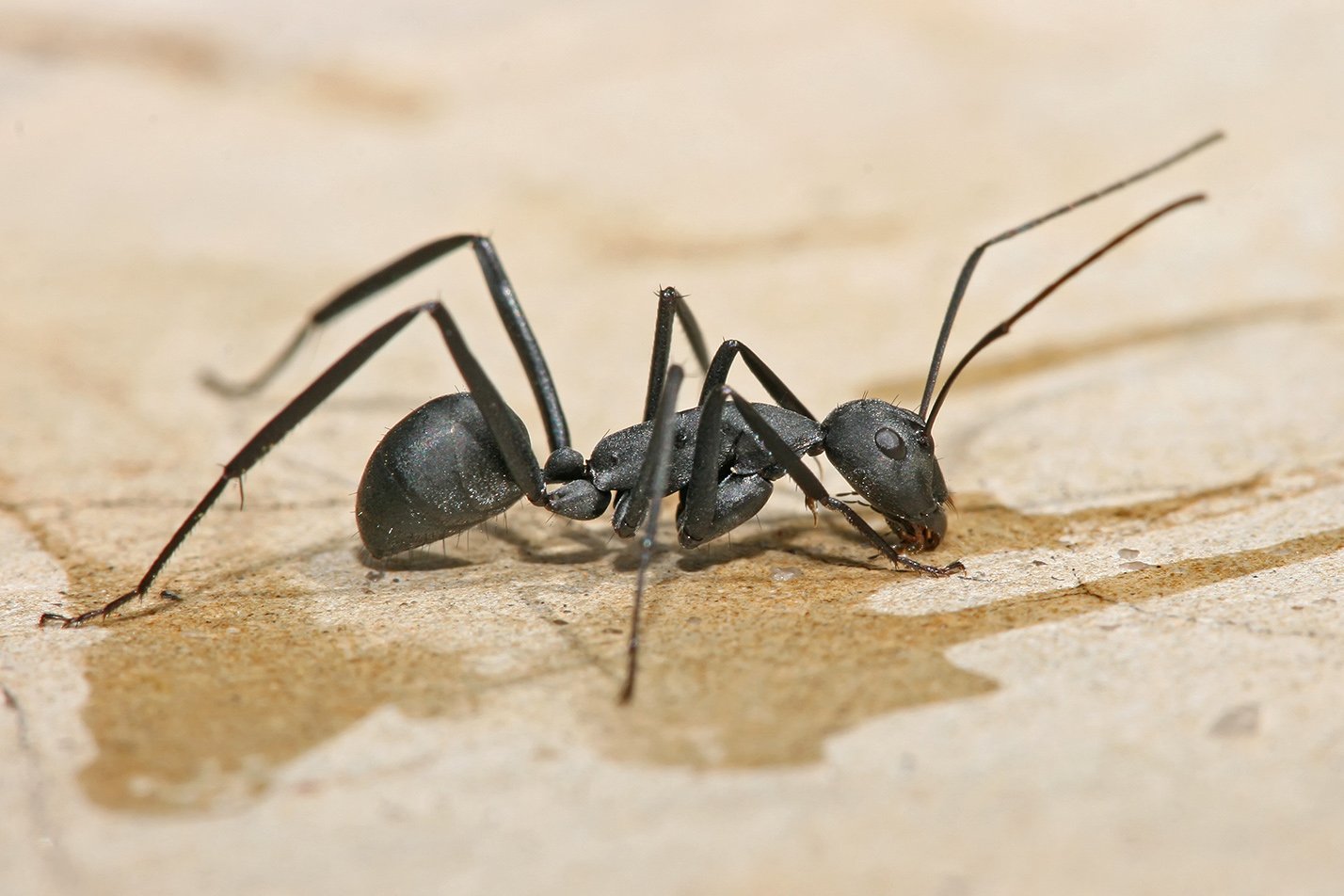
Ant Treatment
A trail of ants across your kitchen counter is a scouting report, not the whole problem. We find the colony behind it and treat…
Learn more →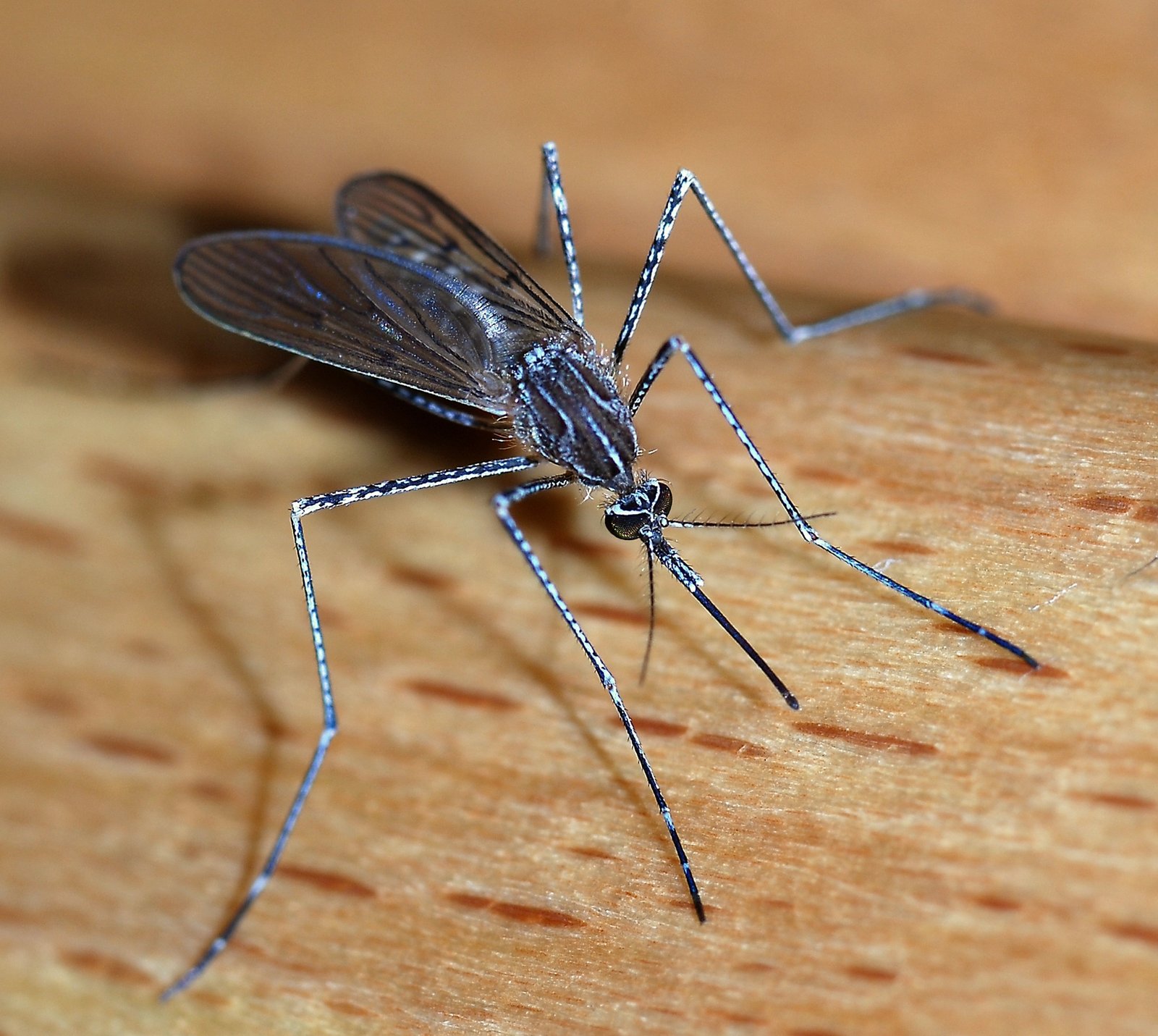
Mosquito Control
Mosquitoes only need a bottle cap of standing water to breed, so the fix isn't just spraying the yard, it's finding where they're coming…
Learn more →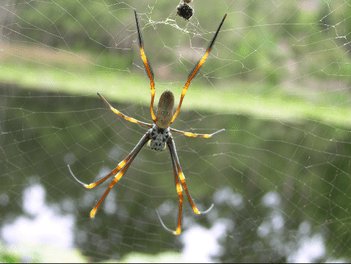
Spider Control
Spiders move in wherever the food supply and hiding spots are, so a few webs in the garage rarely stay a few for long.…
Learn more →Commercial Pest Control
Pest problems in a commercial space carry a different weight than they do at home: health code violations, customer complaints, product loss, and a…
Learn more →Neighborhoods We Serve
Areas We Serve Around Salmon Arm
Salmon Arm sits where the Shuswap shoreline meets dry Interior grassland, so pest pressure changes quickly depending on how close a property is to the water.
Downtown Salmon Arm
Downtown Salmon Arm sees fairly typical Interior patterns: carpenter ants in older wood-frame homes, wasps in eaves and woodpiles through summer, and spiders pushing indoors as fall arrives.
Hillcrest
Hillcrest is one of the neighbourhoods climbing the hillside above downtown. It sees fairly typical Interior patterns: carpenter ants in older wood-frame homes, wasps in eaves and woodpiles through summer, and spiders pushing indoors as fall arrives.
Gleneden
Gleneden is one of the neighbourhoods climbing the hillside above downtown. It sees fairly typical Interior patterns: carpenter ants in older wood-frame homes, wasps in eaves and woodpiles through summer, and spiders pushing indoors as fall arrives.
Canoe
Canoe, just east of town along the Trans-Canada Highway, sits on Shuswap Lake. Its mix of cabins, seasonal properties and year-round homes sees heavy deer mouse pressure every fall as rodents look for shelter before winter.
Salmon Arm Bay Foreshore
The Salmon Arm Bay foreshore and its wetlands keep mosquito activity up through the warmer months in low-lying yards and older homes closest to the water.
Broadview and the Bench
Properties up the bench toward Broadview and the hillside subdivisions are drier and see less mosquito pressure. They see more of the classic Interior wasp and carpenter ant combination, especially wherever a sprinkler system or orchard irrigation keeps part of a yard damp.
Getting around
Getting Around Salmon Arm
The Trans-Canada Highway (Highway 1) runs through Salmon Arm and continues east toward Sicamous and the Shuswap's other lakeside communities, while Highway 97B branches south toward the North Okanagan.
Properties along the Highway 1 corridor toward Canoe and Sicamous back onto a nearly continuous stretch of lakeshore, and that waterfront exposure is a major factor in how much rodent and mosquito pressure a property sees compared with homes farther up the bench. We adjust our approach depending on whether a property is on the water, on the hillside or out in the valley.
Local landmarks
Local Landmarks
The Shuswap shapes the whole area, and pest calls change with a property's distance from the water.
Salmon Arm Wharf
The Salmon Arm Wharf anchors the downtown waterfront and draws steady foot traffic past the Salmon Arm Bay wetlands.
Salmon Arm Bay Wetlands
The Salmon Arm Bay wetlands are a popular birding area. The wetlands around the bay keep mosquitoes active through the warmer months, especially near the foreshore and in low-lying yards.
Mount Ida
Mount Ida rises above the west side of Salmon Arm and is a familiar backdrop for the area.
Wikipedia ↗Wikidata ↗The Shuswap
The Shuswap itself defines the whole area's character. Properties on the lakeshore see a different pest pattern than homes farther from the water.
Sicamous
Sicamous, a short drive east on Highway 1, shares much of the same lakeshore cabin and seasonal-property pest pattern as Canoe.
Piccadilly Mall and the Downtown Core
Piccadilly Mall and the downtown core sit far enough from the water that pest calls there look closer to a standard Interior town than a lakefront one.
Local knowledge
Lakeshore and Seasonal-Property Pest Patterns
Summer draws yellowjackets and bald-faced hornets to backyard barbecues, marina docks and orchards, with nests in eaves, woodpiles and dry banks along the Salmon River. Wasp nest removal is a common summer call here, and marina-adjacent properties tend to see it heavily since docks and boat storage give nests plenty of undisturbed cover. The wetlands around the bay keep mosquitoes active through the warmer months, especially near the foreshore and in low-lying yards. Carpenter ants turn up in older homes and outbuildings wherever snowmelt or irrigation keeps wood damp, whether the home is downtown or out toward the orchards.
Hobo spiders and giant house spiders move indoors as September nights cool, around the same time lakeshore cabins and seasonal properties see deer mouse pressure build. BC health authorities advise care around deer mouse droppings because of hantavirus, and a cabin that has sat closed up for a season is the kind of place mice settle in undisturbed. Cold, snowy Interior winters push both rats and mice toward garages and crawlspaces across the area, which is why a fall check before a cabin sits empty is a useful step for a seasonal-property owner.
Local knowledge
Orchard, Farm, and Rural Properties
The Salmon River valley south of town and the benchlands around Salmon Arm support orchards and hobby farms, and those properties see a different mix of pest pressure from an in-town lot. Fallen fruit left in an orchard row is a strong yellowjacket attractant, and outbuildings such as chicken coops, equipment sheds and hay storage give wasps and rodents far more undisturbed nesting and denning options than a typical backyard. Deer mice and voles move freely between open farmland and the buildings that border it, and a property with a mix of cultivated and unmanaged land tends to see steadier rodent pressure through the year rather than a single fall spike. We focus on outbuildings and field edges where activity actually starts, rather than treating a larger rural property like a compact in-town yard.
Local knowledge
Why Shuswap Winters Change the Pest Calendar
Salmon Arm's Interior climate brings real winter, with enough snow and cold that most insect activity shuts down from December through March. That is different from a milder coastal city and gives Salmon Arm a clearly defined pest calendar. Wasps and hornets dominate the summer months, spiders and the first wave of rodent activity take over in September and October, and by November the priority shifts almost entirely to sealing garages, crawlspaces and closed-up cabins against mice and rats looking for a place to spend the winter. That rhythm matters for lakeshore cabin owners around Canoe and Sicamous, since a property that sits empty from the fall through spring is the kind of undisturbed shelter a deer mouse population needs to establish before anyone returns.
Local knowledge
Downtown, Waterfront, and Business Properties
Businesses in the downtown core and around the wharf face different pressures than the hillside neighbourhoods. Restaurants and cafés near the waterfront see wasp activity spike whenever a summer event or market brings extra food traffic, and the wetlands near the wharf keep mosquito pressure up for any business with outdoor seating. Boat storage and dock facilities give wasps plenty of undisturbed nesting spots in structural gaps. Farther up the bench, businesses and warehouses along the Trans-Canada corridor deal with the rodent pressure typical of any commercial strip, and the surrounding hobby farms and grassland can keep that pressure higher than in a fully built-up city.
Local knowledge
Hillside and Bench Neighbourhoods
The residential streets climbing the hillside above downtown, including Hillcrest and Gleneden, sit far enough from the lake that mosquito pressure drops off noticeably, but that does not make them pest-free. Mature yards and established gardens hold moisture from sprinklers and irrigation just as well as anything closer to the water, which keeps carpenter ants and wasps active through the same summer stretch as the rest of the city. Hillside homes also tend to be a little older on average than newer construction closer to the highway, and aging wood siding or a rarely checked crawlspace is often where we find the first signs of a carpenter ant colony that has been quietly established for a season or two.
Local knowledge
Trans-Canada Highway Corridor Toward Sicamous
East of Salmon Arm, Highway 1 follows the Shuswap shoreline much of the way to Sicamous, passing lakefront acreages, campgrounds and seasonal properties. That corridor sees concentrated seasonal-property pest activity, since many homes and cabins sit empty during the shoulder seasons. Deer mice treat that gap as an invitation, and a property left unchecked from fall to spring can have an established rodent population by the time anyone finds chewed insulation or droppings in a cupboard. Campgrounds along this stretch also deal with steady wasp pressure through summer, since garbage and food service draw yellowjackets just as reliably as a residential barbecue, only on a larger scale. A free no-obligation quote is the first step for any of these properties.
Nearby
Also serving towns near Salmon Arm
Why It Works
Guaranteed, not just promised.
Satisfaction Guaranteed
If it's not gone, we come back — free.
Safe & Humane
Natural methods, safe around kids and pets.
No Contracts
Stay because it works — not because you're locked in.
Find Us
Serving Salmon Arm, British Columbia
What Customers Say
Real reviews from our Google Business Profile.
“I am very happy with the service I received from Natural Pest Solutions, they took my call right away and came right out and inspected my home and found the source of my ant problem and since they were here I have not seen a single bug around. I would recommend these guys to anyone needing pest control services.”
Rick Gruenke — Google review
View on Google →“I am very happy with the results that Natural Pest Solutions was able to provide as far as the speed of their work and also the problem with ants in my home was able to be resolved quickly which gave me peace of mind. I would recommend this pest control company to anyone having issues with bugs.”
Stefano Merci — Google review
View on Google →“I am really pleased with the guys at Natural Pest Solutions, they got rid of my rodent problem quickly and those mice have not been back. I highly recommend these guys, they are the best pest control company around.”
Shawn Kern — Google review
View on Google →Questions
What People in Salmon Arm Ask Us
How much does pest control cost in Salmon Arm?
Pricing depends on the property and the pest. A compact in-town home is a smaller job than a lakeshore cabin with outbuildings and more grounds to check, and a single wasp nest is different from a carpenter ant program. We start with a free no-obligation quote so you know the scope before we book anything.
Are yellowjackets and hornets a big problem in Salmon Arm?
They are among the most common summer calls here, especially around barbecues, marina docks and orchard rows where fallen fruit draws them. Nests hide in eaves, woodpiles and dry banks, often closer to the house than people expect. We use low-impact products, and it is wise to keep kids and pets clear until treated areas settle.
How soon can a pest controller reach a Salmon Arm property?
We schedule you as quickly as we can, and stinging insects near a home with children or pets get priority. Travel to lakeshore properties out toward Canoe or Sicamous is planned around our route, so tell us your address and what you are seeing when you request a free no-obligation quote.
Are your pest control methods safe for kids and pets at a Salmon Arm home?
Our natural pest control options use non-toxic, low-impact products that are safe around kids and pets when applied as directed. We focus on nests, entry points and damp wood instead of broad spraying, which suits yards with gardens, docks and outdoor play areas.
Do lakeshore cabins near Salmon Arm and Sicamous need mouse control every fall?
It is a smart habit. Deer mice look for shelter as nights cool, and closed-up cabins are ideal. BC health authorities advise caution around deer mouse droppings because of hantavirus, so sealing gaps and checking the property before winter is far better than cleaning up after an infestation.
When do carpenter ants and spiders become a problem in Salmon Arm?
Carpenter ants are most noticeable from spring through summer in older homes and outbuildings where snowmelt or irrigation keeps wood damp. Hobo spiders and giant house spiders tend to come indoors in September as nights cool, so calls for both increase in early fall.
Keep exploring
More from Natural Pest Solutions
- All pest control services
- Pest encyclopedia: identify what you are seeing
- All of our locations
- Customer reviews
- Pest control tips from our blog
- Contact us for a free no-obligation quote
About the area
Salmon Arm
Wikipedia ↗Wikidata ↗British Columbia
Wikipedia ↗Wikidata ↗
Learn More
Trusted resources for Salmon Arm homeowners
Public-health, regulator and university guidance on safe pest control.
- Health Canada: Pesticides and Pest Management ↗Canadian guidance on pest control products.
- B.C. Government: Pesticides and Pest Management ↗Provincial rules and guidance in British Columbia.
- National Pesticide Information Center ↗Pest-by-pest fact sheets from Oregon State University and the EPA.
Ready to stop worrying about pests in Salmon Arm?
Talk to a real expert — no pressure, no toxic chemicals, no contract required.
Recognized by the organizations that set the standard