
Walk down the pest control aisle and there’s no shortage of products promising to kill cockroaches on contact. Some of them do exactly that, for the roaches you can see. The problem is that most of a roach population is hidden in wall voids, behind appliances, and inside cabinets, and contact sprays don’t reach any of it. Worse, spraying visible roaches often scatters the rest of the colony deeper into hiding, making the infestation harder to treat afterward.
Why Spraying Backfires
Roaches are highly sensitive to airborne irritants, and a contact spray in an open kitchen doesn’t just kill what it touches, it warns everything nearby. Surviving roaches scatter to new hiding spots, sometimes into neighboring rooms or, in an apartment building, into adjoining units through shared plumbing chases and wall voids. This is called “flushing,” and it’s one of the more common ways a manageable roach problem in one room turns into a spread-out one across a whole home. It’s also why repeated spraying over weeks or months without addressing the root cause tends to produce diminishing results rather than a shrinking population.
Gel baits reach what sprays can’t
Gel bait works differently. A roach eats the bait, carries the active ingredient back to where it hides, and other roaches feed on its droppings and carcass, spreading the effect through the colony in what’s known as the domino effect. Placed in cracks, behind appliances, and along cabinet edges rather than out in the open, gel baits address the roaches actually driving the population, not just the ones bold enough to be seen. Bait placement matters as much as the product itself, small dabs spread across many locations outperform a few large deposits, since roaches are more likely to encounter one of many small placements during normal movement.
Boric acid, used correctly
Boric acid is one of the older and more effective tools against roaches, working as a stomach poison and abrasive to their exoskeleton. It needs to go in a thin layer in cracks and voids, not piled up where it’s visible, since roaches will avoid a heavy application and it can be a hazard around pets and kids if not placed carefully. It’s slower than a spray, often taking one to two weeks to show a real drop in activity, but it tends to hold up better over time since it doesn’t break down as quickly as a liquid application.
Insect growth regulators
IGRs don’t kill adult roaches directly. Instead, they disrupt reproduction and development, which reduces the population over the following generations by preventing nymphs from maturing into breeding adults. Used alongside gel baits, they’re part of why roach treatments applied by an exterminator tend to hold longer than DIY sprays purchased on their own. IGRs are also a big part of why a proper treatment plan takes a few weeks to fully play out. You’re not just killing the roaches present today, you’re cutting off the next two or three generations behind them.
Why sanitation still matters most
- Roaches need very little food debris to survive, so even a clean-looking kitchen can be sustaining a population
- Grease buildup behind stoves and under refrigerators is a common food source that gets missed during regular cleaning
- Standing water, including a slow drip under a sink, is often enough moisture to keep a population going
- Cardboard and paper clutter give roaches places to hide and breed undisturbed
- Pet food left out overnight is a reliable food source that’s easy to overlook
What NOT to Do
- Don’t combine multiple store-bought products at once, mixing sprays, foggers, and baits in the same space can actually repel roaches away from the bait stations before they take effect.
- Don’t clean bait placement areas with strong-smelling cleaners right after applying bait, since it can make the area less attractive and reduce how much roaches encounter it.
- Don’t use a fogger in an apartment or attached unit, since it tends to push roaches into shared walls and neighboring spaces rather than eliminating them.
- Don’t assume a few days without sightings means the problem is solved. German cockroaches, the most common species in homes, can produce a new generation in as little as a month under favorable conditions.
Where DIY products fall short
Store-bought sprays and foggers rarely reach the areas roaches actually nest in, and foggers in particular can push roaches into adjoining units in an apartment building rather than eliminating them. A heavy infestation, especially German cockroaches, which reproduce quickly, is usually beyond what over-the-counter products can fully resolve. By the time roaches are visible in daylight, a normally nocturnal behavior, it’s usually a sign the population has outgrown its hiding spots and an assessment from a pest professional is worth the call.
Cockroach Species Make a Difference
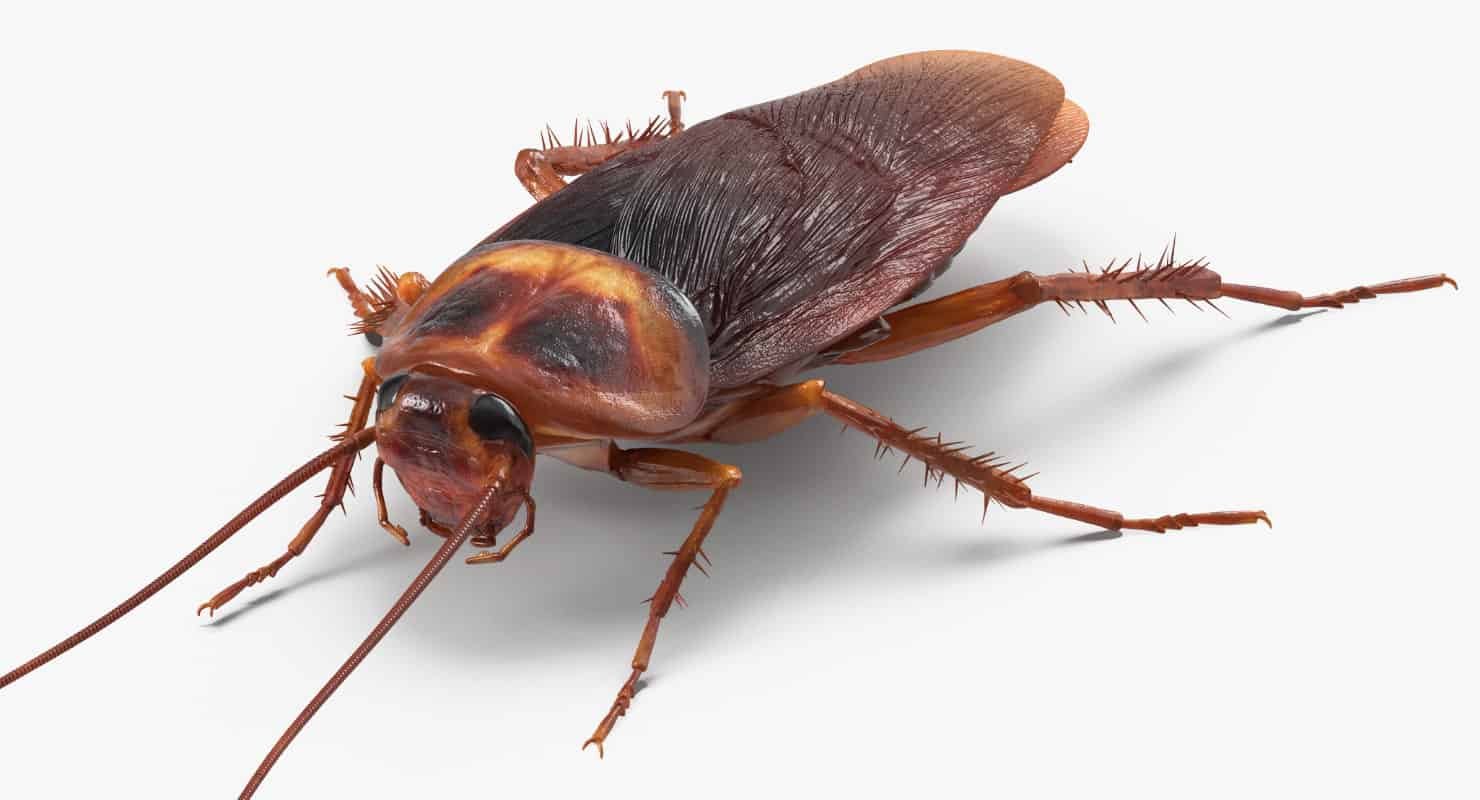
Not all roaches behave the same way, and the species found changes the approach. German cockroaches, light brown with two dark stripes behind the head, are the most common species in homes and the fastest to reproduce, capable of producing several hundred offspring from a single female across a lifetime, which is why an untreated German cockroach problem escalates faster than almost any other. American cockroaches, notably larger and reddish-brown, prefer damp, warm areas like basements, sewers, and utility rooms, and are more often an occasional visitor than an established indoor colony. Oriental cockroaches, dark and slow-moving, favor cool, damp spaces like crawlspaces and drains and tend to show up more in older homes with basement moisture issues. Identifying the species narrows down both where to focus bait placement and how urgent the response needs to be, since a single American cockroach wandering in from a sewer connection calls for a very different response than German cockroaches already breeding inside cabinetry.
Health Risks Worth Knowing About
Beyond the general unpleasantness, cockroaches carry a real health dimension that’s worth taking seriously. Roach droppings, shed skin, and saliva contain proteins that are a well-documented asthma and allergy trigger, particularly in children, and the CDC lists cockroach allergen as one of the more significant indoor asthma triggers in homes with an active infestation. Roaches can also mechanically carry bacteria on their legs and bodies as they move between garbage, drains, and food prep surfaces, which is part of why an active infestation in a kitchen is a sanitation concern and not just a nuisance one. This is one more reason gel bait and IGR treatment, which reduce the population at its source rather than just the visible adults, matter more here than in a lot of other pest situations.
DIY Versus Calling a Professional
A handful of roaches spotted occasionally, especially in a garage or near a drain, is often manageable with over-the-counter gel bait placed correctly and consistent sanitation. A population that’s visible in daylight, spread across multiple rooms, or showing up despite a genuine cleaning effort has usually outgrown what store-bought products can fix, since professional-grade bait formulations and IGRs aren’t available at the same concentration to consumers. A professional treatment plan typically runs over several weeks with a follow-up visit built in, since a single application rarely catches every life stage present; egg cases in particular can take over a month to hatch depending on the species and temperature, and any surviving eggs need to be addressed after they emerge. Expect the first week or two to show the biggest visible drop, with activity continuing to taper for a month or more as the bait and IGRs work through the remaining generations.
Where Roaches Actually Come From
A new roach problem usually has a specific entry point, and finding it helps prevent a repeat infestation after treatment. Cardboard boxes and paper grocery bags are a surprisingly common source, since egg cases can hitch a ride from a store or warehouse without anyone noticing. Secondhand appliances, particularly refrigerators and microwaves, are another frequent culprit, as roaches favor the warm motor housing and small gaps in the casing. In apartment buildings and attached homes, shared plumbing chases and wall voids mean an infestation can travel between units even in an otherwise clean home, which is why sanitation alone sometimes isn’t enough to solve a problem that keeps returning from a neighboring unit. Checking new cardboard and secondhand items before bringing them inside, and sealing gaps around shared plumbing lines, closes off two of the more common ways roaches get a foothold in the first place.
A Few Common Questions
How long does it take to see results after a professional treatment? Expect a noticeable drop in sightings within a week or two, with the population continuing to decline over the following month as bait and IGRs work through the remaining generations. A single visit rarely finishes the job on a heavier infestation, follow-up visits matter.
Are gel baits safe with pets and kids in the house? Placed correctly, in cracks and voids rather than open surfaces, gel baits carry a much lower exposure risk than a surface spray, which is part of why they’re the preferred first option in occupied homes.
Why do I still see roaches after cleaning thoroughly? Sanitation removes the food and water sources that sustain a large population, but it doesn’t eliminate roaches already established in wall voids or behind appliances. Cleaning helps a treatment hold, but it isn’t a treatment on its own.
Natural Pest Solutions uses targeted bait placement, exclusion, and sanitation guidance together, built around where roaches are actually living in your specific property. If the population isn’t gone after treatment, we come back and keep working at it, at no extra cost and without locking you into a contract to get there.