
Clutter gets treated as a cosmetic problem, something to deal with before guests come over. For pests, it’s closer to real estate. Cardboard boxes, stacked newspapers, overflowing bins, and cluttered garages create shelter, moisture, and food access all in one place, and clearing that material out is one of the most effective, lowest-cost things a homeowner can do before calling in a pest professional.
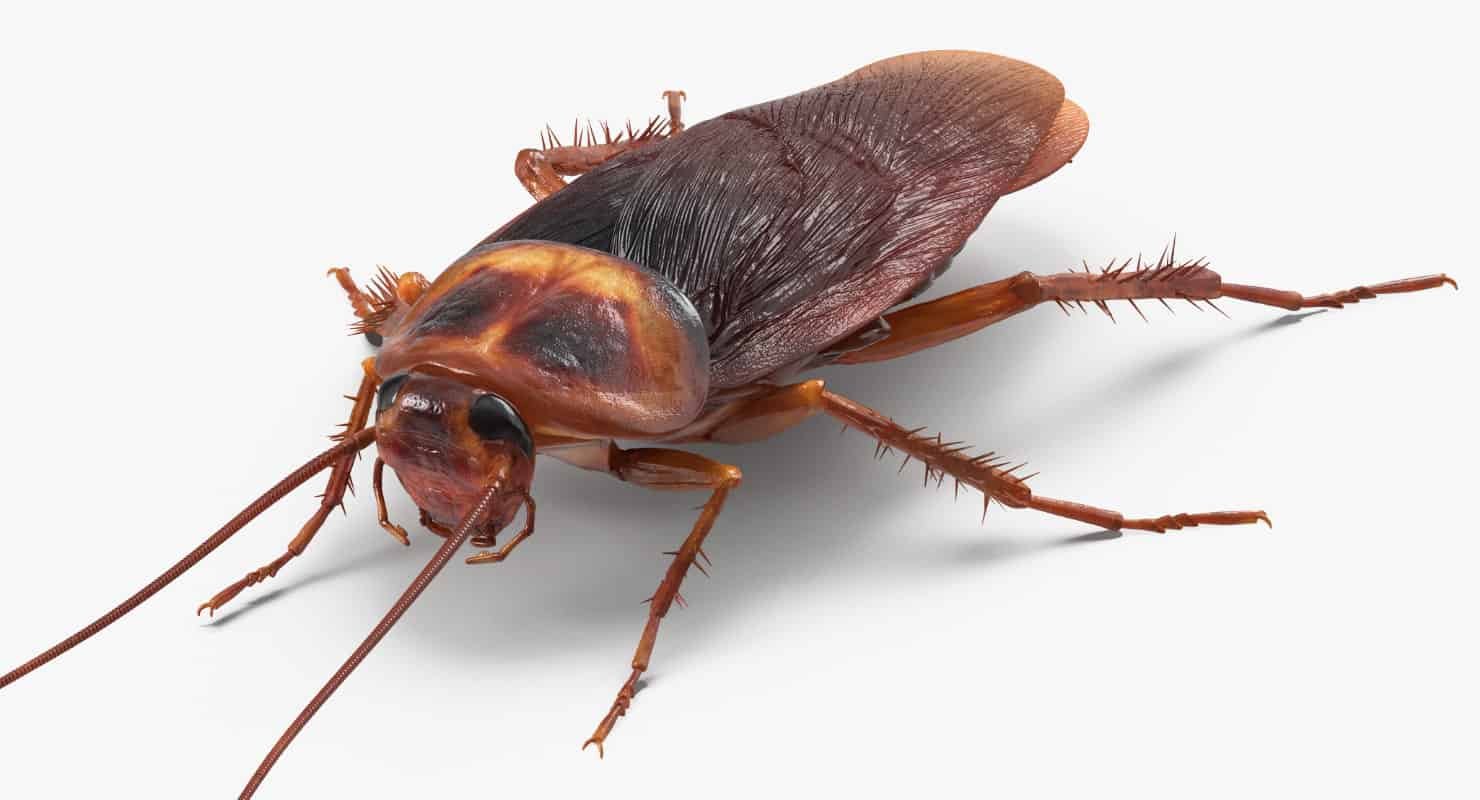
Cardboard is a five-star hotel for roaches
Corrugated cardboard holds moisture, provides dark, undisturbed hiding spots, and is often glued with materials cockroaches can actually eat. A stack of moving boxes left in a garage or basement for months is close to ideal cockroach habitat, and it’s a common way infestations move into a home undetected, arriving in a delivery box or a secondhand furniture purchase and then breeding in storage before anyone notices.
The same logic applies to paper clutter more broadly. Stacked newspapers, boxes of old files, and magazines all break down into a soft, absorbent material that holds humidity longer than the surrounding room, which is exactly the microclimate cockroaches, silverfish, and some beetles look for.
Kitchens and Pantries Deserve Their Own Pass
Clutter control isn’t just a garage and basement project. Pantries with open bags of flour, cereal, or pet food, especially anything past its best-by date and pushed to the back of a shelf, are one of the most common sources of a pantry moth or beetle infestation that homeowners can’t trace back to an obvious cause. Under-sink cabinets packed with cleaning supplies and spare bags hide slow leaks and give roaches a dark, undisturbed space right next to a water source, which is about as ideal as habitat gets for them. A quarterly pass through pantry shelves and under-sink cabinets, checking dates and wiping down anything sticky or spilled, closes off a source of infestation that has nothing to do with the garage or yard at all.
Why clutter matters more than people assume
It isn’t just about hiding spots. Undisturbed clutter means undisturbed pests, and a population left alone for months has time to go from a handful of individuals to a self-sustaining colony. A garage that gets reorganized every few weeks interrupts that process just by moving things around and exposing what’s underneath. A garage that goes untouched for a year gives pests exactly the stability they need to settle in for good.

Rubbish bins and what’s around them
Bin placement and lids matter more than most people assume. A bin without a tight-fitting lid, or one placed directly against the house, gives rodents and raccoons an easy food source right at the foundation line, and gnawing damage to bin lids and nearby siding is one of the more common signs we see on inspection. Recycling bins full of rinsed containers still attract wasps and ants if there’s any residue left inside. Rinsing bins out periodically, not just the contents inside them but the inside walls of the bin itself, cuts down on the residue smell that draws pests from well beyond the immediate yard, and positioning bins away from doors and windows keeps whatever they do attract further from an actual entry point.
Yard debris and woodpiles
A woodpile stacked against an exterior wall is a near-perfect setup for termites and carpenter ants: it holds moisture, offers direct wood-to-wood contact with the structure, and goes undisturbed for weeks at a time. The general rule is to keep firewood at least 6 m from the house and off the ground on a rack, which cuts off that bridge entirely.
The garage and shed problem
Garages and sheds accumulate the kind of low-traffic clutter, old paint cans, unused furniture, stacked boxes, that nobody checks for months. Rodents in particular prefer exactly this kind of undisturbed space to nest, since it offers shelter without the foot traffic of the main house. Sheds with dirt or unsealed concrete floors add another layer, since that ground contact gives termites and ants a direct path up into stored wood items or wall framing.
Basements and Crawlspaces Hold Their Own Risks
A finished or unfinished basement used for long-term storage combines two of the biggest attractants at once: cardboard and moisture. Basements naturally run more humid than the rest of the house, especially without a dehumidifier running, and boxes stored directly on a concrete floor wick up ground moisture even when the space looks dry. Elevating storage on shelving, using sealed plastic totes instead of cardboard for anything staying long-term, and running a dehumidifier during humid months addresses the two conditions, moisture and cardboard, at the same time rather than one at a time. Crawlspaces get overlooked even more, since almost nobody checks them regularly, and old boxes, discarded lumber, or leftover construction material left behind after a renovation can sit there for years, giving termites and other pests direct, undisturbed access to the underside of the house.
What not to do
Don’t just move clutter from one room to another, a “cleaned up” garage that shifted everything into stacked bins along one wall can still be just as attractive if it’s undisturbed. And don’t assume a quick surface tidy is the same as actually removing harborage, pests care about what’s underneath and behind things, not how organized the pile looks from the doorway.

What actually helps
- Break down and remove cardboard rather than storing it long-term
- Use bins with tight lids and keep them a metre or so off the exterior wall
- Store firewood off the ground and away from the house
- Clear garages and sheds of undisturbed clutter every few months
A seasonal angle worth knowing
Clutter matters year-round, but the stakes change with the seasons. Going into fall, a cluttered garage or shed is exactly what mice and other rodents look for as temperatures drop and they search for a warm, undisturbed place to spend winter. Going into summer, the same clutter holds moisture that draws cockroaches and ants during the hottest, most humid stretch of the year. A single decluttering pass timed for early fall tends to give the most protection, since it heads off both the rodent season ahead and cleans up whatever built up over summer.
How much this actually reduces treatment needs
Removing harborage doesn’t just make a home less hospitable, it makes any treatment that follows more effective. Bait and natural treatments work by getting pests to interact with a targeted product rather than covering every surface, and that’s far easier to achieve in a space that isn’t giving them dozens of alternative hiding spots to retreat to. A cluttered garage often needs repeat visits to fully resolve an infestation; the same space cleared out can sometimes be handled in a single, more targeted treatment.
Attics Get Overlooked Too
An attic used for storage shares a lot in common with a garage, low traffic, cardboard, and stacked items nobody moves for months, but with the added factor of temperature swings that can drive rodents up rather than down when they’re looking for a den. Insulation disturbed or flattened in a specific spot, chewed cardboard corners, or a faint ammonia smell are usually the first signs something’s nesting up there rather than just passing through. Since most people only go up for holiday decorations once or twice a year, an attic infestation can run for months before anyone notices, which is exactly the same undisturbed-space problem showing up in a different room of the house.
A practical way to tackle it without overwhelming yourself
Trying to clear a garage or basement in one weekend is where a lot of people give up halfway through. Breaking it into smaller passes, one shelf or corner at a time, spread across a few weekends, gets the same result without it feeling like a full renovation project. The goal isn’t a magazine-perfect garage, it’s removing the specific conditions, undisturbed cardboard, ground-level clutter, damp corners, that give pests a place to settle in unnoticed.
A Few Common Questions
How often should a garage or basement actually be decluttered to make a real difference? Every few months for a light pass, checking corners and moving boxes, is usually enough to keep undisturbed harborage from forming; a full clear-out once or twice a year handles what builds up in between. Is plastic storage really better than cardboard? For anything staying in a garage, basement, or shed long-term, yes. Sealed plastic totes don’t hold moisture, don’t offer a food source, and don’t provide the same soft hiding material cardboard does, even though they cost more upfront than reusing boxes. Does decluttering alone get rid of an existing infestation? No, and it’s important not to treat it as a substitute for actual treatment once pests are established. Removing harborage supports treatment and prevents new problems, but a population that’s already breeding needs to be addressed directly.
None of this replaces a pest control contractor’s treatment when there’s already an active infestation, but it removes the conditions that let a small problem become a persistent one. Pest control works better, and often needs less product, in a home that isn’t giving pests free shelter to begin with.