
Arizona
Pest Control Tucson, AZ
Tucson sits in a Sonoran Desert basin ringed by the Santa Catalina, Rincon and Tucson Mountains, and summer monsoon rain pushes bark scorpions, termites and packrats toward block-wall neighborhoods. We treat what actually shows up here.
Natural, guaranteed pest control — free no-obligation quotes, no contract, safe around kids and pets.
Common Pests in Tucson
What we treat most often around Tucson, Arizona
Tucson's summer monsoon shapes its pest year. Rain tends to arrive more reliably than in the Phoenix Valley, and the extra moisture, combined with foothills pressing up against neighborhoods like Catalina Foothills, Oro Valley and Vail, sends bark scorpions climbing stucco and block walls. Desert subterranean termites swarm after the July and August storms, and the older adobe and masonry homes in areas such as Barrio Viejo, Sam Hughes and Colonia Solana add a second problem newer suburbs do not have: drywood termites working quietly in aging wood trim and roof beams.
Packrats build stick middens against block walls and under parked cars near the washes that cut through town, and their nests can attract kissing bugs, which are a real regional health concern. Add harvester ants on open desert lots, roof rats working old citrus trees, and a cricket and mosquito spike right after the rains, and Tucson stays busy for most of the year. Ask us how we treat for scorpions around your walls.
How We Fix It
Pest control services in Tucson
Scorpion Control
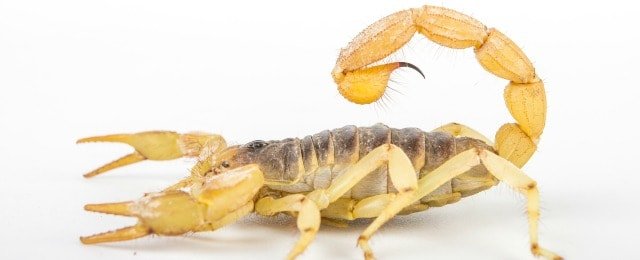
Scorpions turn up where dry ground meets a house with easy openings — under stucco, behind baseboards, inside a stack of firewood. We find…
Learn more →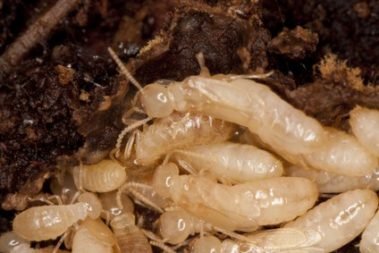
Termite Control
Subterranean and drywood termite treatment that protects your home's structure — natural-first, guaranteed, and safe for the people and pets who live there.
Learn more →
Rodent Control
Mice and rat control that finds the entry points, not just the symptoms — trapping and exclusion that actually keeps rodents out, guaranteed.
Learn more →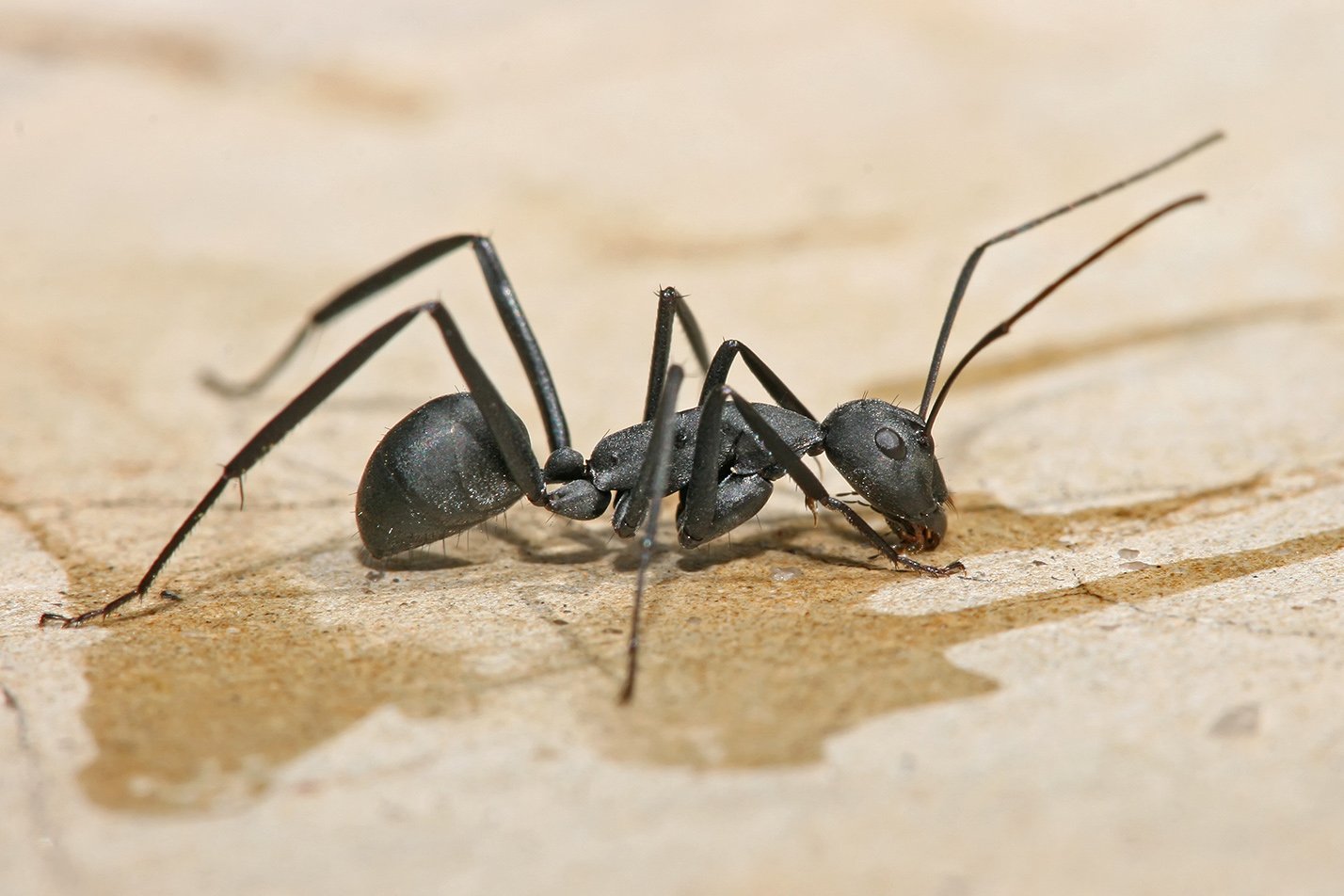
Ant Treatment
A trail of ants across your kitchen counter is a scouting report, not the whole problem. We find the colony behind it and treat…
Learn more →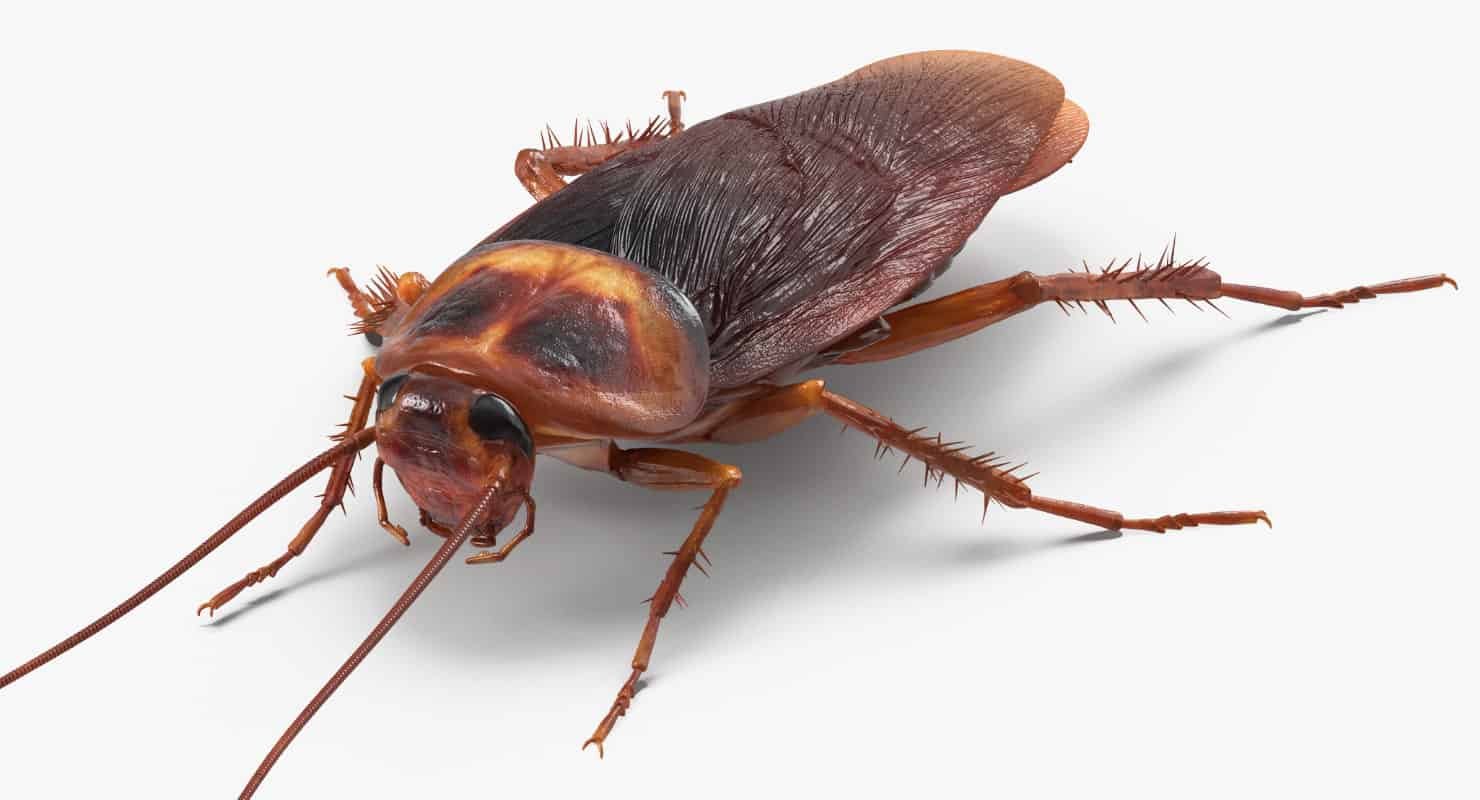
Cockroach Control
Cockroaches don't need much to move in: a damp corner, a crumb trail, and a gap the width of a coin. We find where…
Learn more →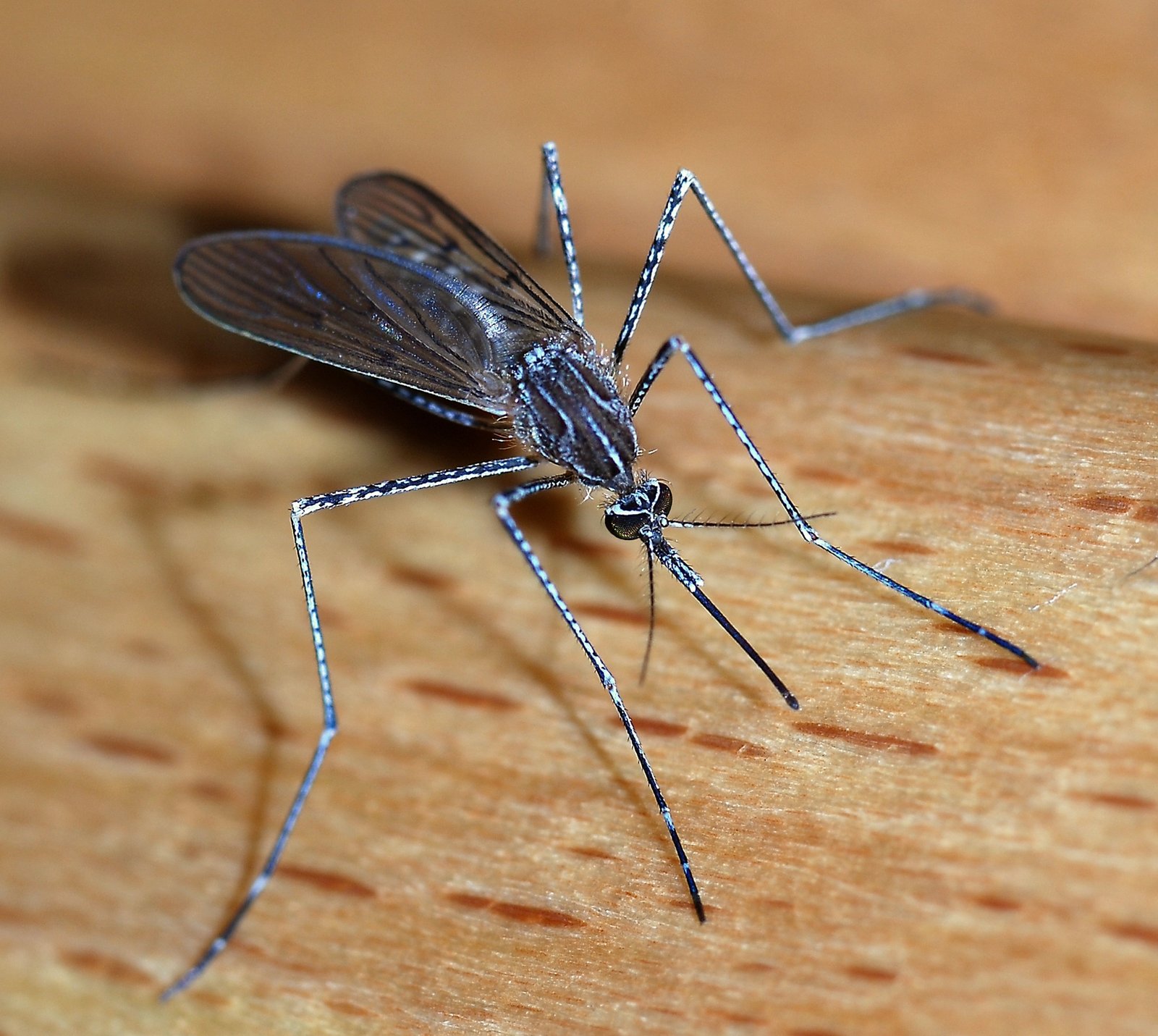
Mosquito Control
Mosquitoes only need a bottle cap of standing water to breed, so the fix isn't just spraying the yard, it's finding where they're coming…
Learn more →Neighborhoods We Serve
Neighborhoods We Serve Across Tucson
Tucson spreads across a wide desert basin ringed by mountains, and which side of town a property sits on matters almost as much as its age.
Sam Hughes
Sam Hughes, in the older central part of the city, is full of brick and adobe homes with mature trees, the kind of housing where drywood termites and roof rats find cover that newer construction does not offer.
Colonia Solana
Colonia Solana, in the older central part of the city, is full of brick and adobe homes with mature trees, the kind of housing where drywood termites and roof rats find cover that newer construction does not offer.
Barrio Viejo
Barrio Viejo, just south of downtown, has some of Tucson's original adobe construction, and thick old walls come with gaps and voids that pests use year-round.
Catalina Foothills
Catalina Foothills sits where the city meets the Santa Catalina range, and homes there get bark scorpions, packrats and other desert-edge pressure that flatland Tucson sees less of.
Wikipedia ↗Wikidata ↗Rita Ranch
On the east side, Rita Ranch is newer construction pushing toward open desert near Vail, which brings its own scorpion and harvester ant pressure despite the younger houses.
Wikipedia ↗Wikidata ↗El Encanto
El Encanto, an older neighborhood in the central city, is a pocket of mature-tree, older-home pest pressure.
Dove Mountain
Toward Oro Valley and Marana, subdivisions around Dove Mountain sit at higher elevation against the Tortolita Mountains, where scorpion activity may start a little later in spring but is no less pressing once the season gets going.
Wikipedia ↗Wikidata ↗
Getting around
Getting Around Tucson
Interstate 10 runs through Tucson on a diagonal, linking the west side and downtown with the southeast toward Rita Ranch and Vail, while I-19 splits off toward Green Valley and the border. Oracle Road is the main corridor running northwest toward Oro Valley, and Speedway Boulevard and Broadway Boulevard are two major east-west arteries crossing much of the city.
Grant Road handles the midtown crosstown route, and Kolb Road and Houghton Road are main north-south connectors on the east side, leading out toward the growing subdivisions near Vail. Ajo Way and Ina Road round out the crosstown routes on the west and north sides, with access to the Tucson Mountains foothills and neighborhoods near Saguaro National Park West.
Local landmarks
Local Landmarks and What They Tell Us About Pest Pressure
Saguaro National Park
Saguaro National Park is split into east and west districts on either side of the city, against the Tucson Mountains near Gates Pass and the Rincon Mountains. Homes near either one are built close to raw Sonoran desert, which is exactly the setup that produces scorpion, packrat and kissing bug activity.
Sabino Canyon
Sabino Canyon, in the northeast foothills, is a sharp edge between the city and open wash country, and canyon-adjacent lots tend to see heavier bark scorpion activity.
Sentinel Peak and the University of Arizona
Sentinel Peak ("A" Mountain) and the University of Arizona campus anchor the older, denser part of the city, where old construction and rental housing near campus produce drywood termite and cockroach calls.
Reid Park
Reid Park, near the center of the city, is a reliable mosquito and cricket source after monsoon storms thanks to its irrigated grounds and small lake.
Mission San Xavier del Bac
Mission San Xavier del Bac to the south marks the outer edge of the developed area, where properties sit closest to open desert.
Wikipedia ↗Wikidata ↗Colossal Cave Mountain Park
Colossal Cave Mountain Park to the southeast marks the outer edge of the developed area, where properties sit closest to open desert.
Local knowledge
Property Age and How Pests Get In
Construction era matters as much in Tucson as location. The adobe and brick homes common in Barrio Viejo, Sam Hughes and Colonia Solana were built long before modern pest-exclusion practices, and their thick walls often have old wiring chases, plumbing penetrations and roof-beam voids that let drywood termites and roof rats settle in for years without being noticed. Mid-century block construction, common through the older midtown neighborhoods, relies on weep holes that widen with age and become an easy entry point for scorpions.
Newer homes in the Catalina Foothills and toward Rita Ranch are tighter at the foundation, but they are built into or against undisturbed desert, so the issue is less about exclusion and more about sheer proximity. There is simply more scorpion, packrat and harvester ant habitat right outside the wall.
Local knowledge
Seasonal Pest Patterns Tied to Tucson's Geography
Monsoon rain, combined with how close most of the city sits to desert and mountain foothills, makes the summer season hit hard here. Bark scorpions become more active in foothills neighborhoods with no turf buffer between the house and open desert. July and August storms trigger desert subterranean termite swarms, and the same rain kicks off a spike in crickets and mosquitoes that runs into early fall. Older housing near downtown adds drywood termites, which work in old wood trim, doorframes and roof beams, often for years before anyone notices.
Because so many neighborhoods sit against washes draining the surrounding mountains, packrat middens under parked cars and against block walls are a near year-round call, and the kissing bugs that follow those nests deserve to be taken seriously rather than treated as a mere nuisance. If your property backs onto a wash, a foothills lot or one of the older midtown districts, we already have a good idea what to look for before we walk the property.
Local knowledge
Commercial and Multifamily Pest Pressure
Tucson's economy leans on the University of Arizona, the hospitals and medical offices around it, and a logistics and aerospace sector on the south and southeast side near the airport and I-10. Each brings a different pest profile. Rental housing and multifamily buildings near the university deal with density and turnover, and German cockroaches and bed bugs move between shared walls and stacked units faster than they do in a detached home, so we treat those properties with a building-wide approach. Restaurants and hospitality businesses along Broadway, Speedway and the downtown core face food-service pressure tied to grease traps and floor drains rather than desert proximity.
Warehouse and light-industrial space near the airport and the I-10 corridor tends to see more rodent activity than a downtown office, because those buildings often sit on larger, more open lots where desert habitat is closer and loading docks offer easy entry. Older commercial buildings downtown, many built with the same brick and adobe found in Barrio Viejo and Sam Hughes, carry the same drywood termite risk as homes there. Retail centers and offices in the Catalina Foothills and along Oracle Road sit closer to raw desert than most commercial districts, so scorpion and packrat calls at a business address are not unusual. Pricing depends on the property and the pests, and a free no-obligation quote comes first.
Local knowledge
Preparing Your Tucson Property
Some simple habits help a great deal here. Stack firewood and building scraps away from walls, and clear brush and debris from the base of block walls, since packrats and scorpions both look for that kind of cover. Screen or seal weep holes, check door sweeps, and repair torn window screens before monsoon season starts. Keep outdoor lights warm-toned and away from doorways, because lights draw the insects that scorpions hunt.
After storms, empty anything holding standing water, and rake up fallen citrus so roof rats and ants lose an easy meal. If you find winged insects indoors in July or August, save a few in a jar so the type can be identified. Combined with targeted, low-impact treatment, those steps keep pressure down through Tucson's long warm season, and we will adapt the advice to your neighborhood, whether it is a foothills lot, an adobe home near downtown, or an east-side subdivision.
Local knowledge
Tucson's Summer Monsoon and the Pest Year
Tucson's summer monsoon shapes its pest year. Rain tends to arrive more reliably than in the Phoenix Valley, and the extra moisture, combined with foothills pressing up against neighborhoods like Catalina Foothills, Oro Valley and Vail, sends bark scorpions climbing stucco and block walls. Desert subterranean termites swarm after the July and August storms, and the older adobe and masonry homes in areas such as Barrio Viejo, Sam Hughes and Colonia Solana add a second problem newer suburbs do not have: drywood termites working quietly in aging wood trim and roof beams.
Packrats build stick middens against block walls and under parked cars near the washes that cut through town, and their nests can attract kissing bugs, which are a real regional health concern. Add harvester ants on open desert lots, roof rats working old citrus trees, and a cricket and mosquito spike right after the rains, and Tucson stays busy for most of the year.
Nearby
Also serving towns near Tucson
Why It Works
Guaranteed, not just promised.
Satisfaction Guaranteed
If it's not gone, we come back — free.
Safe & Humane
Natural methods, safe around kids and pets.
No Contracts
Stay because it works — not because you're locked in.
What Customers Say
Real reviews from our Google Business Profile.
“Excellent advice and treatment of carpet beetles. Would recommend them.”
Kathleen Boulanger — Google review
View on Google →“I am very happy with the service I received from Natural Pest Solutions, they took my call right away and came right out and inspected my home and found the source of my ant problem and since they were here I have not seen a single bug around. I would recommend these guys to anyone needing pest control services.”
Rick Gruenke — Google review
View on Google →Questions
What People in Tucson Ask Us
What affects pest control pricing in Tucson?
The property and the pests decide it. An older adobe home in Barrio Viejo or Sam Hughes with drywood termite risk is a different job from a bark scorpion problem in the Catalina Foothills. Request a free no-obligation quote and we will explain what applies to your address.
Are scorpions worse in Tucson than in Phoenix?
It depends on the neighborhood more than the city. Homes bordering the Catalina and Rincon foothills or a desert wash see steady bark scorpion activity, and monsoon moisture pushes them up stucco and block walls. Lots surrounded by turf and pavement usually see fewer.
How soon can someone come out for scorpions in Tucson?
We know a scorpion in a home with kids or pets is urgent to families, so those calls are prioritized. We cannot promise a specific time, but we schedule you as quickly as we can once you request a free no-obligation quote.
Are your scorpion treatments safe for kids and pets?
We rely on non-toxic, low-impact products applied along foundations, weep holes and entry points instead of broad spraying. We will tell you how long to keep pets and children off treated areas so the yard is comfortable to use again.
Do older homes in Barrio Viejo or Sam Hughes have different termite risks?
Yes. Beyond the desert subterranean termites that swarm after monsoon storms, older adobe and masonry homes can host drywood termites working quietly in wood trim and roof beams. Newer suburbs mostly do not deal with that second problem.
When is monsoon pest season in Tucson and what shows up?
July and August are the peak stretch. Termites swarm after storms, crickets and mosquitoes spike behind the rain, and bark scorpions keep moving through the season. It is a good time to check door sweeps, window screens and standing water.
Why do packrats matter to Tucson homeowners?
Packrats build stick middens against block walls and under parked cars, especially near washes. The nests can shelter kissing bugs and chew on wiring, so clearing brush, sealing gaps and calling for help early are all worthwhile.
Keep exploring
More from Natural Pest Solutions
- Pest control in Tucson: full service-area guide
- Pest control across Arizona
- All pest control services
- Pest encyclopedia: identify what you are seeing
- All of our locations
- Customer reviews
- Pest control tips from our blog
- Contact us for a free no-obligation quote
About the area
Tucson
Wikipedia ↗Wikidata ↗Arizona
Wikipedia ↗Wikidata ↗
Learn More
Trusted resources for Tucson homeowners
Public-health, regulator and university guidance on safe pest control.
- University of Arizona Cooperative Extension ↗Research-based home and garden pest guidance for Arizona.
- EPA: Controlling Pests ↗U.S. guidance on choosing and using pest control safely.
- National Pesticide Information Center ↗Pest-by-pest fact sheets from Oregon State University and the EPA.
Ready to stop worrying about pests in Tucson?
Talk to a real expert — no pressure, no toxic chemicals, no contract required.
Recognized by the organizations that set the standard