
Arizona
Pest Control Gilbert, AZ
Gilbert's canal-fed lakes and citrus-lined streets keep this Valley suburb green year-round, and that same irrigation draws pests indoors. Natural Pest Solutions handles the roof rats, ants and mosquitoes that come with Gilbert's water, using low-impact products that suit yards where kids and pets play.
Natural, guaranteed pest control — free no-obligation quotes, no contract, safe around kids and pets.
Common Pests in Gilbert
What we treat most often around Gilbert, Arizona
Gilbert grew up as farmland, and the irrigation network that once fed hay and citrus fields still runs through town, from the Eastern and Consolidated canals to the retention basins and man-made lakes that anchor communities like Val Vista Lakes and Power Ranch. That water, plus mature canopy left over from the old citrus groves near the Heritage District, shapes local pest pressure more than desert heat does.
Roof rats travel along orange and grapefruit trees and palm fronds in Gilbert's older, established sections, nesting in attics and gnawing through irrigation lines and wiring. Argentine ants trail along sidewalks and patios wherever sprinklers keep the ground damp. Mosquitoes breed in anything holding standing water after monsoon storms, from retention basins to neglected pool covers and birdbaths. Larger lots with horses bring their own rodent and fly pressure, and bark scorpions still turn up in block-wall backyards, though less often than in the desert-edge communities east of town.

How We Fix It
Pest control services in Gilbert
Rodent Control
Mice and rat control that finds the entry points, not just the symptoms — trapping and exclusion that actually keeps rodents out, guaranteed.
Learn more →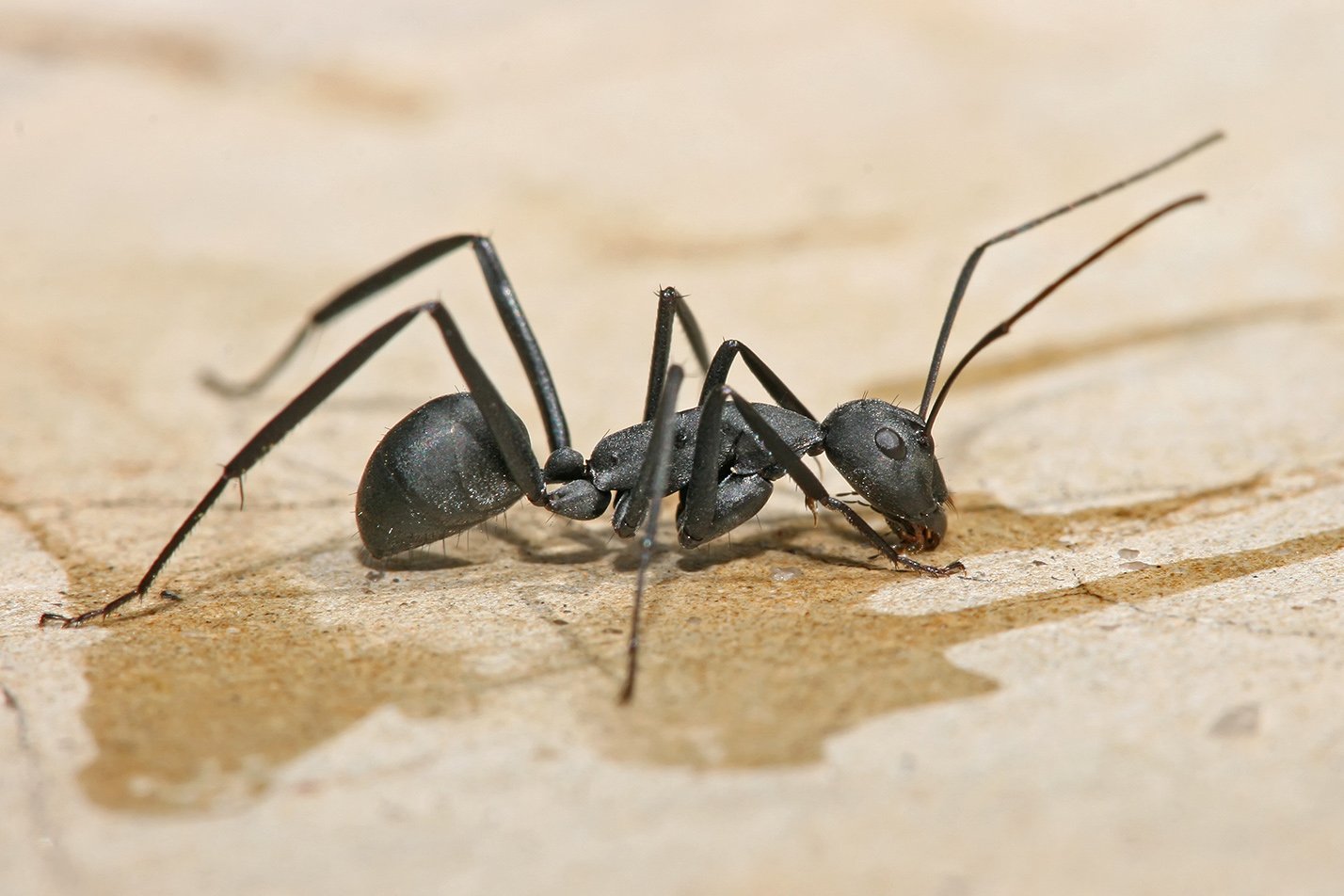
Ant Treatment
A trail of ants across your kitchen counter is a scouting report, not the whole problem. We find the colony behind it and treat…
Learn more →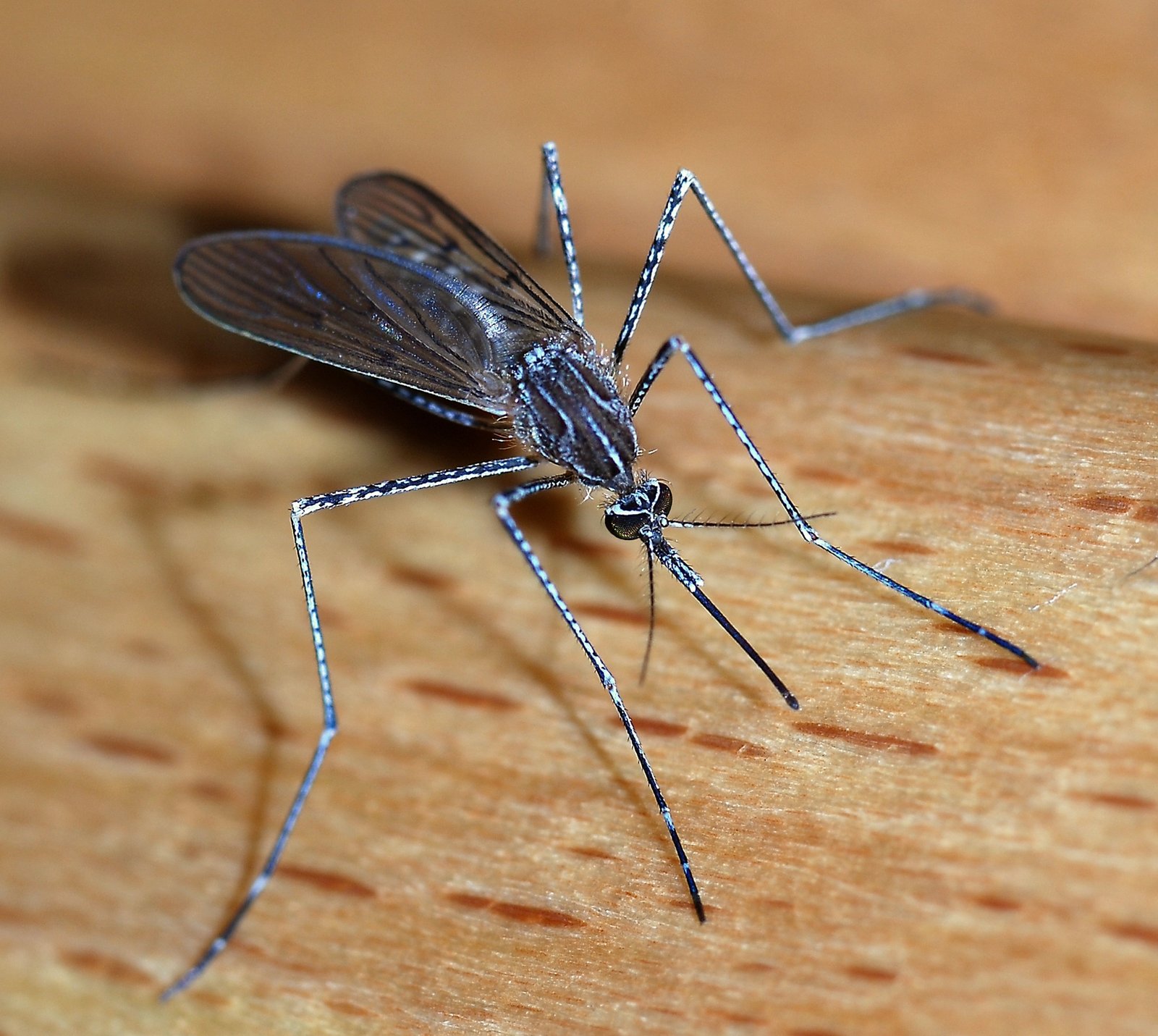
Mosquito Control
Mosquitoes only need a bottle cap of standing water to breed, so the fix isn't just spraying the yard, it's finding where they're coming…
Learn more →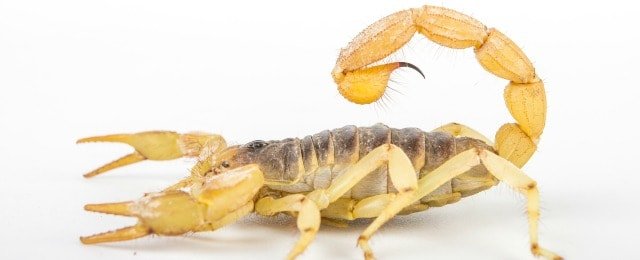
Scorpion Control
Scorpions turn up where dry ground meets a house with easy openings — under stucco, behind baseboards, inside a stack of firewood. We find…
Learn more →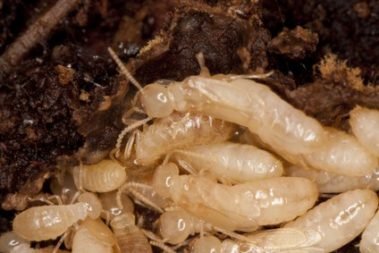
Termite Control
Subterranean and drywood termite treatment that protects your home's structure — natural-first, guaranteed, and safe for the people and pets who live there.
Learn more →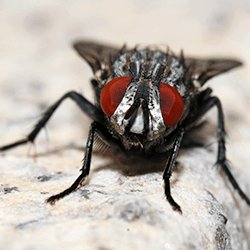
Fly Control
Fly problems almost always trace back to something specific — a drain, a dumpster, a piece of forgotten food waste — and finding that…
Learn more →Neighborhoods We Serve
Neighborhoods We Serve in Gilbert
Gilbert's neighborhoods split fairly cleanly along how much water and mature landscaping they were built around.
Val Vista Lakes
A long-established master-planned community in central Gilbert, near Val Vista Drive and Baseline Road, built around a lake system that has been maturing for decades. Older canopy in Val Vista Lakes means more entrenched ant and rat activity than in newer developments.
Power Ranch
Power Ranch, in southeast Gilbert, follows a lakefront-and-greenbelt layout with younger trees and newer irrigation infrastructure. Patios here can see ant colonies establish wherever sprinklers keep the ground damp, and lakefront common areas keep mosquito pressure high.
Heritage District
Gilbert's walkable downtown along Gilbert Road, anchored by its color-changing water tower, sits in the older core of town. Citrus groves once dominated the area, and mature trees still line many streets, giving roof rats an easy route across a block.
Larger-Lot Fringe Areas
Out on the fringes of Gilbert, larger lots with barns, corrals and irrigation ditches operate more like acreage than suburban parcels. They bring a different set of pest concerns than a standard Gilbert subdivision, including added rodent and fly pressure where horses are kept.
Getting around
Getting Around Gilbert
Gilbert sits within easy reach of the US-60 and Loop 202 freeways, which connect it to Mesa, Chandler and the rest of the Valley. Inside town, Val Vista Drive, Gilbert Road and Power Road are the main north-south arterials, while Baseline Road, Queen Creek Road and Chandler Heights Road carry east-west traffic.
Gilbert Road is the spine of the Heritage District, running straight through downtown past the water tower. Knowing which corridor a property sits near helps us plan a day's visits so we can schedule you efficiently.
Local landmarks
Local Landmarks
Gilbert's landmarks tend to be tied to its water, from downtown to the lakes.
Heritage District Water Tower
The Heritage District and its water tower anchor downtown Gilbert, surrounded by restaurants, breweries and shops.
Freestone Park
Freestone Park, with its lake, playground and miniature train, is a popular green space in town and a handy reference point for the retention basins and standing water that collect nearby after storms.
Val Vista Lakes
The lakes at Val Vista Lakes define the look of the neighborhood, and they also define the moisture that neighboring yards live with day to day.
Power Ranch Lakes
The lakes at Power Ranch define the look of that neighborhood, and they also define the moisture that neighboring yards live with day to day.
Local knowledge
Why Gilbert's Irrigation Legacy Still Drives Pest Pressure
Most of what our exterminators treat in Gilbert traces back to one root cause: this town was built on flood-irrigated farmland, and even though many of the citrus and hay fields are gone, the water infrastructure and the tree canopy it supported never really left. That legacy shapes pest pressure here more than the desert heat does, which puts Gilbert at the opposite end of the spectrum from a foothill community where scorpions dominate every conversation.
Roof rats are the clearest example. They need continuous canopy to move safely between structures, and Gilbert's older sections, especially around Val Vista Lakes and the Heritage District, still have exactly that in the form of decades-old citrus and palm trees. A younger neighborhood with newly planted trees does not offer rats the same uninterrupted route, which is one reason rat exclusion work skews toward Gilbert's established, tree-covered blocks.
Argentine ants follow a similar logic but care more about soil moisture than canopy. Anywhere sprinklers or drip lines keep the ground consistently damp, such as patios in Power Ranch or foundations along a Val Vista Lakes greenbelt, colonies establish and expand faster than they would on a dry desert lot. Mosquito pressure runs on the same principle with a bigger trigger. Any standing water left after a monsoon storm, whether a retention basin near Freestone Park, a neglected pool cover or a birdbath nobody has emptied, can become a breeding site within days.
Larger lots with horses add rodent and fly pressure on top of all that, since feed storage, barns and irrigation ditches create conditions a standard suburban lot never has to deal with. Bark scorpions still turn up in block-wall backyards, just less often than in the desert-edge communities to the east, because so much of this town's ground has been irrigated and landscaped rather than left as native desert scrub.
Local knowledge
Seasonal Patterns in a Well-Watered Town
Spring is when Argentine ant colonies wake up fastest in Gilbert. Because so much of the town has consistently irrigated turf and landscaping, that activity ramps up earlier and more evenly here than in drier desert-edge suburbs. By early summer, mosquito complaints climb around every source of standing water, including retention basins, lake edges in Val Vista Lakes and Power Ranch, birdbaths and pool covers. They tend to hold steady rather than tapering off, since irrigation keeps the ground damp regardless of the heat.
Monsoon season, from July through September, is usually a very active stretch of the year. Storm runoff fills retention basins and low-lying yards fast, creating fresh mosquito breeding sites, and the added humidity can coincide with subterranean termite swarms in all parts of town, from lots near the Heritage District to newer construction in Power Ranch. Roof rats stay active through most of the year in the tree-heavy older neighborhoods, and storm damage to canopy in late summer can push a few more into attics looking for shelter. Properties with horses see fly pressure climb in the same hot, humid stretch, when manure and standing water in irrigation ditches turn into busier breeding grounds.
Winter is the quiet season in Gilbert. Ant colonies, mosquito breeding and termite swarming slow down or stop once temperatures drop, so much of what drives pest activity here eases off. Cooler weather mostly changes where pests are hiding rather than removing them, though, which is why a winter walk-through of the roofline and irrigation lines is a good idea before spring growth begins.
Local knowledge
Old Gilbert vs. New Gilbert
A Heritage District home with sixty-year-old citrus trees needs different attention than a newer build out toward Power Ranch. The older sections closer to downtown have decades of established canopy that gives roof rats an easy route across a whole block, along with more settled foundations and expansion joints for other pests to work through. The newer, more actively irrigated communities have younger landscaping but often more standing water in retention basins and lakefront common areas, which keeps mosquito pressure high through a longer stretch of the year.
Larger lots with horses add a layer neither of those neighborhoods deals with, needing rodent and fly control built around barns and feed rather than a typical residential perimeter treatment. Knowing which version of Gilbert a property sits in, whether established and tree-covered, newly irrigated and lake-adjacent, or acreage with livestock, changes what we look for on day one. A rat exclusion job that works among mature canopy is not the right fix for a lakeside home dealing mostly with mosquitoes, and a property with horses needs a plan built around the barn and feed area first and the house second.
We walk the whole property before recommending anything, because in a town this varied the address alone does not tell the full story. Pricing depends on the property and the pests involved, and a free no-obligation quote comes first, so you know the plan before any treatment begins. Between the old citrus canopy, the lake systems and the horse acreage, Gilbert covers a lot of ground, literally and pest-wise, and the plan has to match wherever a given property actually sits.
Nearby
Also serving towns near Gilbert
- Pest control in Chandler4 mi
- Pest control in Mesa5 mi
- Pest control in Tempe8 mi
- Pest control in Guadalupe10 mi
- Pest control in Scottsdale13 mi
- Pest control in Queen Creek13 mi
- Pest control in Apache Junction15 mi
- Pest control in Paradise Valley15 mi
- Pest control in Gainey Ranch (Scottsdale)17 mi
- Pest control in Phoenix18 mi
- Pest control in Fountain Hills18 mi
- Pest control in San Tan Valley19 mi
Why It Works
Guaranteed, not just promised.
Satisfaction Guaranteed
If it's not gone, we come back — free.
Safe & Humane
Natural methods, safe around kids and pets.
No Contracts
Stay because it works — not because you're locked in.
Find Us
Serving Gilbert, Arizona
What Customers Say
Real reviews from our Google Business Profile.
“Great company to deal with. They were courteous and they kept their appointment time to deal with my pest control problem. And they gave me a report of things I could do myself to help keep the pests away.”
Marlon Meginbir — Google review
View on Google →“Excellent advice and treatment of carpet beetles. Would recommend them.”
Kathleen Boulanger — Google review
View on Google →Questions
What People in Gilbert Ask Us
How much does pest control cost in Gilbert?
Pricing depends on the size of the lot, the pests involved and whether you need one-time pest management or ongoing service. Gilbert's irrigated yards and mature trees can change the picture from street to street, so we start with a free no-obligation quote based on what we find at your property.
Are roof rats common in Gilbert neighborhoods with citrus trees?
Yes, roof rats are one of the most common calls from Gilbert's older, established sections. They run along orange and grapefruit branches and palm fronds, then nest in attics and gnaw on irrigation lines and wiring. Trimming branches back from the roofline is a useful first step.
How fast can someone come out in Gilbert?
Request a free no-obligation quote and we will schedule you as quickly as we can. Roof rat and mosquito problems tend to grow once they find a reliable water source, so it helps to tell us early about any active droppings, gnawing or standing water.
Is pest control safe for kids and pets around Gilbert's lakes and parks?
We use natural pest control options built on non-toxic, low-impact products that are safe around kids and pets. That matters in a town where so many backyards back onto lakes, greenbelts and canal paths, and where children and dogs spend a lot of time outdoors.
Do properties with horses in Gilbert need different pest control?
Often they do. Barns, feed storage and irrigation ditches draw rodents and flies in ways a standard suburban lot does not, so we build the plan around the barn and feed area first, then the house. The approach differs from a typical Val Vista Lakes or Power Ranch home.
Why do mosquitoes spike in Gilbert after monsoon storms?
Mosquitoes breed in almost any standing water, and monsoon storms leave plenty behind in retention basins, low spots, pool covers and birdbaths. Gilbert's lake and canal system keeps surrounding ground damp too, so populations rebuild quickly. Emptying containers weekly and treating persistent water sources cuts the pressure.
When do Argentine ants become active in Gilbert?
Colonies wake up in spring, earlier and more evenly here than in drier desert suburbs, because sprinklers and drip lines keep the soil damp. You will notice trails along sidewalks, patios and block walls. Sealing entry points and treating the trails early keeps them from moving indoors.
Keep exploring
More from Natural Pest Solutions
- Pest control in Gilbert: full service-area guide
- Pest control across Arizona
- All pest control services
- Pest encyclopedia: identify what you are seeing
- All of our locations
- Customer reviews
- Pest control tips from our blog
- Contact us for a free no-obligation quote
About the area
Gilbert
Wikipedia ↗Wikidata ↗Arizona
Wikipedia ↗Wikidata ↗
Learn More
Trusted resources for Gilbert homeowners
Public-health, regulator and university guidance on safe pest control.
- University of Arizona Cooperative Extension ↗Research-based home and garden pest guidance for Arizona.
- EPA: Controlling Pests ↗U.S. guidance on choosing and using pest control safely.
- National Pesticide Information Center ↗Pest-by-pest fact sheets from Oregon State University and the EPA.
Ready to stop worrying about pests in Gilbert?
Talk to a real expert — no pressure, no toxic chemicals, no contract required.
Recognized by the organizations that set the standard