
Arizona
Pest Control Chandler, AZ
Natural pest control for Chandler homes and businesses, from the canal-side streets near downtown to the lake communities off Ocotillo Road, where irrigation, pools and citrus trees shape which pests show up and when.
Natural, guaranteed pest control — free no-obligation quotes, no contract, safe around kids and pets.
Common Pests in Chandler
What we treat most often around Chandler, Arizona
Chandler's pest pressure differs from the desert-edge towns around it, mostly because the city is so thoroughly irrigated. Mature citrus trees and palms line the older streets near downtown and the Historic District, and those same trees give roof rats an easy route between yards, along with cover to nest and breed. The Consolidated Canal and neighbourhood greenbelts do the same job for Argentine ants, which appear as steady trails along sidewalks and foundations.
Backyard pools are common in Chandler, and paired with retention basins and the lakes around Ocotillo, they keep mosquito complaints going well past monsoon season. Termite swarms tend to follow the July and August humidity spikes here, as they do across the Valley. Scorpion calls are real but lighter than in foothill communities to the east, picking up mainly in newer desert-landscaped developments on the south side of town.

How We Fix It
Pest control services in Chandler
Rodent Control
Mice and rat control that finds the entry points, not just the symptoms — trapping and exclusion that actually keeps rodents out, guaranteed.
Learn more →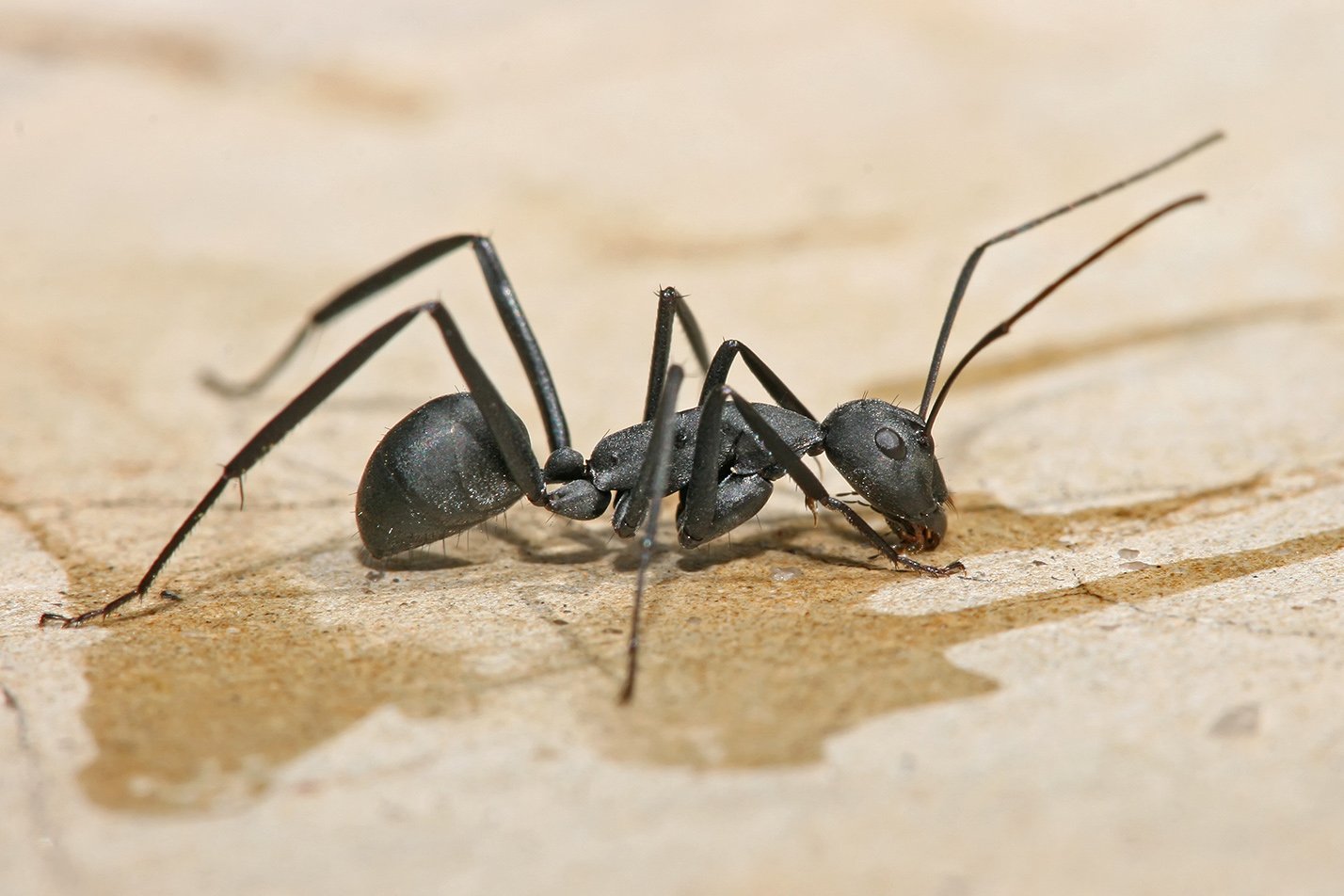
Ant Treatment
A trail of ants across your kitchen counter is a scouting report, not the whole problem. We find the colony behind it and treat…
Learn more →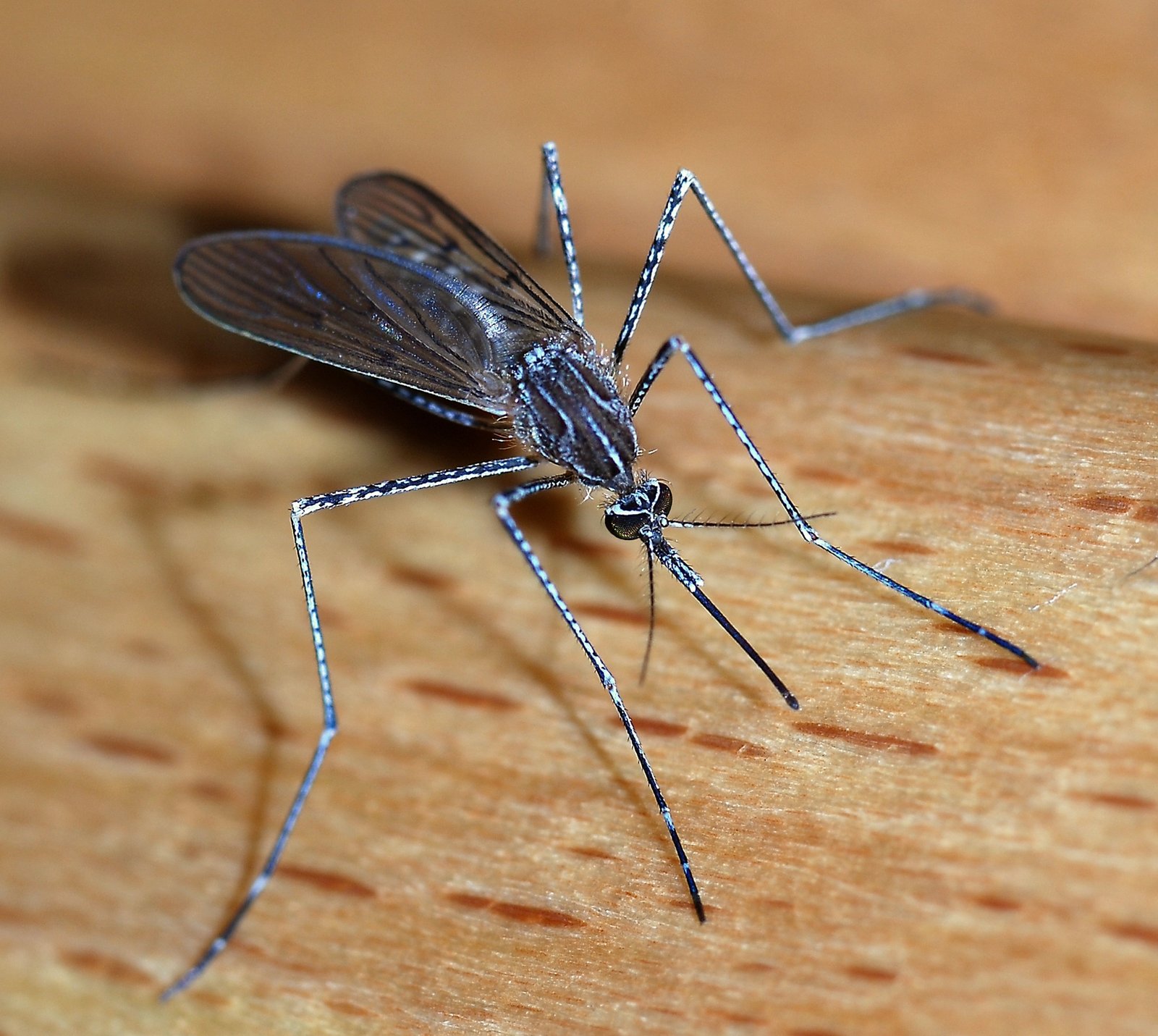
Mosquito Control
Mosquitoes only need a bottle cap of standing water to breed, so the fix isn't just spraying the yard, it's finding where they're coming…
Learn more →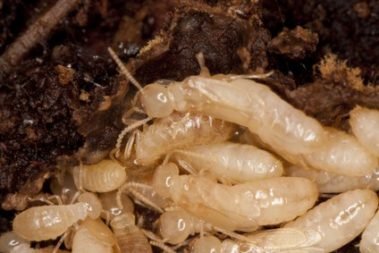
Termite Control
Subterranean and drywood termite treatment that protects your home's structure — natural-first, guaranteed, and safe for the people and pets who live there.
Learn more →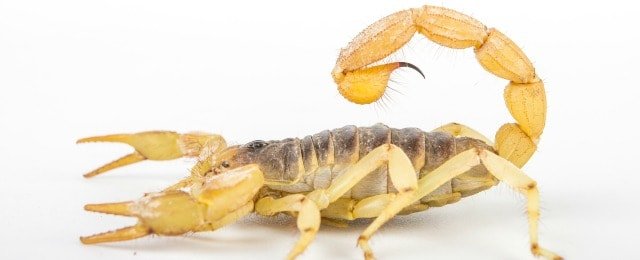
Scorpion Control
Scorpions turn up where dry ground meets a house with easy openings — under stucco, behind baseboards, inside a stack of firewood. We find…
Learn more →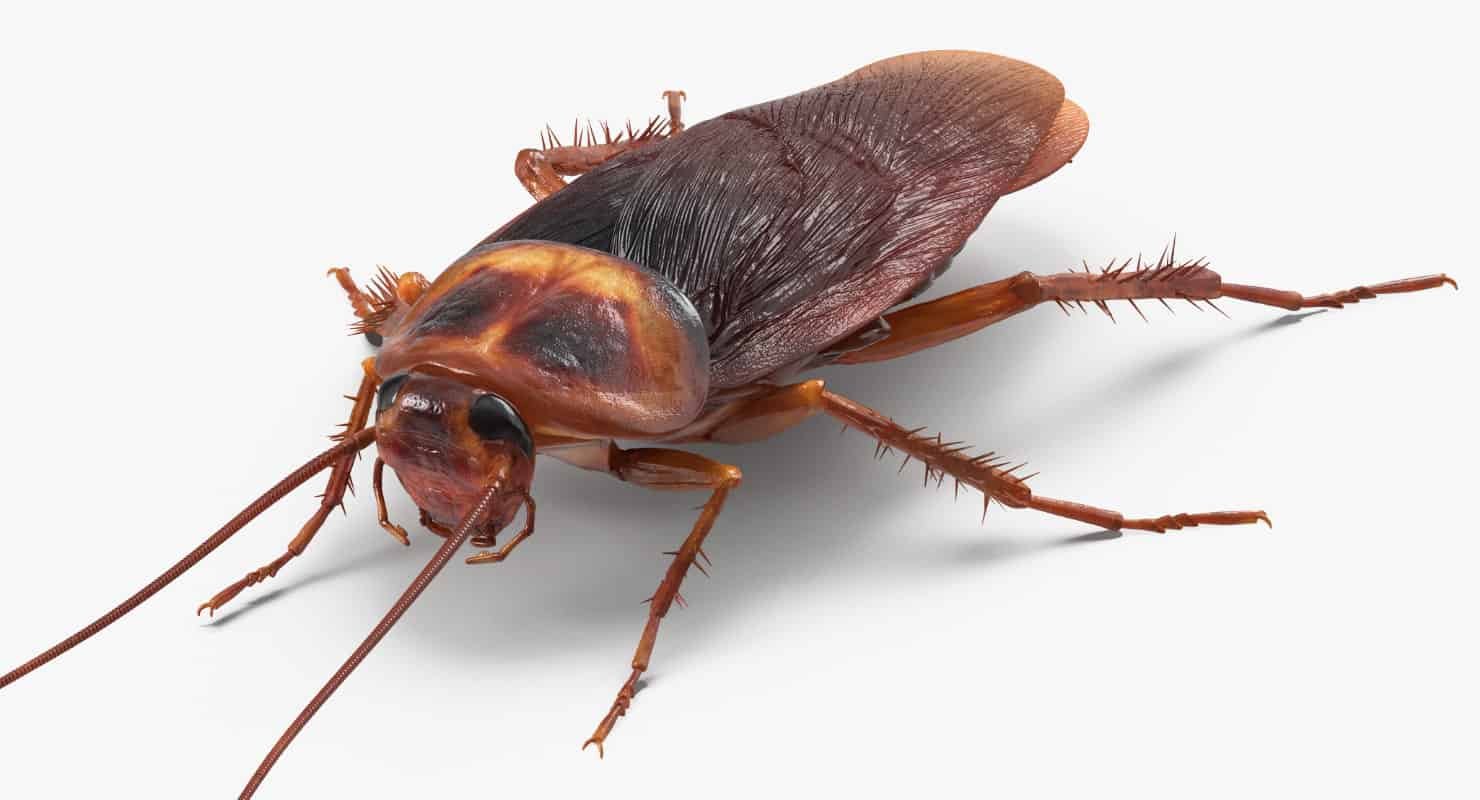
Cockroach Control
Cockroaches don't need much to move in: a damp corner, a crumb trail, and a gap the width of a coin. We find where…
Learn more →Neighborhoods We Serve
Neighborhoods We Serve in Chandler
Chandler covers a lot of ground, and the pest picture changes block by block depending on how much water and mature landscaping a neighborhood was built around.
Ocotillo
In south Chandler, Ocotillo is organized around man-made lakes and the Ocotillo Golf Club, with lakefront lots that put standing water close to many backyards. Turf and drip irrigation here also give Argentine ants the steady moisture they need.
Fulton Ranch
Fulton Ranch is a master-planned community near Arizona Avenue and Ocotillo Road, with the newer irrigation systems and dense landscaping typical of a 2000s-era development. It has newer stucco construction, and shared retention basins keep ants and mosquitoes a constant.
Clemente Ranch
Clemente Ranch adds more of the same as Fulton Ranch: turf, citrus and retention basins that keep the ground damp much of the year. The newer construction has fewer foundation gaps, but ants and mosquitoes stay a constant.
Val Vista
The neighborhoods around Val Vista and Queen Creek Road add more of the same as Fulton Ranch: turf, citrus and retention basins that keep the ground damp much of the year.
Historic District
The Historic District around downtown Chandler has very old housing, with mature citrus and shade trees that have had decades to grow into rooflines. Old block foundations, aging expansion joints and heavy tree canopy change what we look for during a property walk-through.
Chandler Heights
Chandler Heights and the newer subdivisions toward the southeast edge of the city sit closer to undeveloped desert than anywhere else in Chandler, and that is usually where scorpion calls originate, more than in the older lake and canal neighborhoods to the north.
Loop 101/202 Interchange
The multifamily and retail development around the Loop 101/202 interchange near Chandler Fashion Center brings commercial kitchens, hotel turnover and shared walls. German cockroach and bed bug issues are more common in this corridor than in the surrounding single-family streets.
Getting around
Getting Around Chandler
Chandler sits inside the freeway loop, with Loop 202 (the Santan Freeway) curving along the south side and Loop 101 running up the west side toward Tempe and Scottsdale. Inside that frame, Arizona Avenue is the main north-south spine through downtown and past Fulton Ranch, while Alma School Road and Dobson Road carry much of the traffic to the west.
Ocotillo Road, Chandler Heights Road and Riggs Road carry the east-west routes through the newer south Chandler developments, including the lake communities. The wide arterial roads are lined with mature landscaping in the older sections, which gives roof rats an uninterrupted route from tree to tree across whole blocks.
Local landmarks
Local Landmarks
A few landmarks help show how water and landscaping shape pest activity across Chandler.
San Marcos Hotel
The San Marcos Hotel, a resort that opened in 1913 and is listed on the National Register of Historic Places, anchors downtown Chandler and sits among the Historic District's tree-shaded blocks.
Wikipedia ↗Wikidata ↗Tumbleweed Park
Tumbleweed Park, home to the annual Ostrich Festival, gives the city a big stretch of turf, sports fields and shade trees in the middle of town.
Chandler Fashion Center
Chandler Fashion Center, near the Loop 101/202 interchange, anchors the retail corridor on the west side.
Wikipedia ↗Wikidata ↗Ocotillo Golf Club
The Ocotillo Golf Club and its surrounding lake system are as much a feature of south Chandler as any single building, since that water shapes pest activity across several neighborhoods at once.
Local knowledge
Why Chandler's Pest Pressure Runs on Water, Not Heat
Chandler is one of the more thoroughly irrigated cities in the Valley, and that is a major factor in what we treat here. Mature citrus and palm trees, especially in the Historic District and older sections near downtown, give roof rats a canopy route between yards, with plenty of cover to nest in attics and soffits. The lakes in Ocotillo and the retention basins scattered through Fulton Ranch and Clemente Ranch keep ground moisture high enough that Argentine ants show up as steady, visible trails along sidewalks and foundations, a different pattern from the scattered mounds on a drier desert lot.
Pools paired with retention basins and lake edges keep mosquito complaints running past the end of monsoon season, especially wherever a pool cover, fountain or drainage low point holds still water for more than a few days. Termite swarms follow the same July and August humidity as the rest of the Valley, and Chandler's irrigated soil and mature tree roots give subterranean termite colonies more to work with once they establish near a foundation.
Scorpion calls are real in Chandler but lighter than in desert-edge communities to the east and north, since most of the city does not back directly onto open desert. Where activity does pick up, it is mainly in the newer desert-landscaped pockets on the south side, where builders used decomposed granite and boulder accents instead of turf.
Local knowledge
How the Seasons Play Out in Chandler
Spring is when ant colonies wake up and start trailing along sidewalks and patios in Ocotillo, Fulton Ranch and other neighborhoods with drip irrigation and turf, since warming soil and steady moisture are what Argentine ants need to expand. By early summer, mosquito complaints climb around any standing water: pool covers, birdbaths, clogged gutters and the retention basins that dot south Chandler. They usually persist well into fall.
Monsoon season, roughly July through September, is a busy stretch for us. Termite swarms follow the humidity, flooding in low-lying yards near canals and lakes creates fresh mosquito breeding sites within days, and roof rats displaced by storm damage to trees look for a new place to nest, often an attic. Winter is the quiet season for most pests, though roof rats stay active year-round wherever citrus and palm cover gives them access to a roofline.
Local knowledge
Matching Treatment to the Neighborhood
A lakefront property in Ocotillo and a Historic District home near the San Marcos Hotel need different attention even though both are inside Chandler city limits. The lake home needs a mosquito and standing-water plan built around the irrigation cycle and the lake edge. The historic home needs rat exclusion focused on where mature citrus branches meet the roofline and attic vents. Fulton Ranch and Clemente Ranch fall somewhere in between: newer construction with fewer foundation gaps, but enough dense landscaping and shared retention basins that ants and mosquitoes stay a constant. We walk the property and build the plan around what is actually feeding the problem, not a one-size treatment for the whole city.
Older Historic District homes also tend to have more foundation gaps and settled expansion joints, simply from age, and those gaps are where scorpions, crickets and the occasional roof rat find their way in even in a neighborhood that otherwise sees light desert-pest pressure. Knowing which era a home was built in, and how close it sits to Ocotillo's lakes, the Consolidated Canal or the open ground toward Chandler Heights, tells us most of what to expect before we start.
Homeowners in Fulton Ranch and Clemente Ranch often ask why a neighbor two streets over has worse ant trails or more mosquitoes. The answer is usually a shared retention basin, a low spot in the grading or a stretch of drip irrigation running longer than it should. Small differences in landscaping and drainage add up fast in a city built around this much irrigated turf, which is why we look at the whole yard, not just where the pest was spotted.
Nearby
Also serving towns near Chandler
- Pest control in Gilbert4 mi
- Pest control in Tempe8 mi
- Pest control in Mesa8 mi
- Pest control in Guadalupe8 mi
- Pest control in Queen Creek14 mi
- Pest control in Scottsdale14 mi
- Pest control in Paradise Valley17 mi
- Pest control in Phoenix17 mi
- Pest control in Apache Junction18 mi
- Pest control in Gainey Ranch (Scottsdale)19 mi
- Pest control in San Tan Valley20 mi
- Pest control in Maricopa20 mi
Why It Works
Guaranteed, not just promised.
Satisfaction Guaranteed
If it's not gone, we come back — free.
Safe & Humane
Natural methods, safe around kids and pets.
No Contracts
Stay because it works — not because you're locked in.
Find Us
Serving Chandler, Arizona
What Customers Say
Real reviews from our Google Business Profile.
“Natural Pest Solutions just finished a job at my house. They explained everything in detail and answered every question. On time, professional, and neatly attired. Highly recommended!”
William Morgan — Google review
View on Google →“Great company to deal with. They were courteous and they kept their appointment time to deal with my pest control problem. And they gave me a report of things I could do myself to help keep the pests away.”
Marlon Meginbir — Google review
View on Google →“Excellent advice and treatment of carpet beetles. Would recommend them.”
Kathleen Boulanger — Google review
View on Google →Questions
What People in Chandler Ask Us
How much does pest control cost in Chandler?
It depends on the pest and the property. A roof rat exclusion job is a different scope from an ongoing ant or mosquito program, and lot size, landscaping and access all play a part. We will walk through the details and give you a free no-obligation quote before any work starts.
Are scorpions a big problem in Chandler?
Less than in foothill communities to the east. Chandler's scorpion calls are real but lighter, picking up mainly in newer desert-landscaped developments toward the south side and near Chandler Heights, where homes sit closer to undeveloped desert.
How fast can you get out to my property in Chandler?
We schedule you as quickly as we can. Active roof rat problems or termite swarms are handled with priority where possible, though timing shifts with monsoon-season demand. Contact us to request a free no-obligation quote and tell us what you are seeing.
Is natural pest control safe for kids and pets in Chandler?
Our natural pest control options rely on non-toxic, low-impact products that are safe around kids and pets. That matters in a city where backyards, pools and greenbelt paths get so much use. We explain what goes where, and the work is backed by our satisfaction guarantee.
Why do I have ants along my sidewalk in Chandler?
Most likely Argentine ants. Irrigated turf, drip lines and the canal-side greenbelts keep soil damp, so colonies expand quickly and show up as steady trails along sidewalks and foundations. Treating the nest area and adjusting watering near the house works better than spraying the trail.
When do termites swarm in Chandler?
Swarms tend to follow the July and August humidity spikes during monsoon season. Discarded wings near windows or doors are a sign worth acting on. Irrigated soil and mature tree roots can help colonies near a foundation, so it is best to have a termite check done promptly.
Do roof rats live in Chandler citrus trees?
Yes, roof rats use citrus and palm canopies as a route between yards and into attics and soffits, especially around the Historic District and older neighborhoods. Trimming branches back from the roofline and sealing entry points are the main steps, alongside removing fallen fruit.
Keep exploring
More from Natural Pest Solutions
- Pest control in Chandler: full service-area guide
- Pest control across Arizona
- All pest control services
- Pest encyclopedia: identify what you are seeing
- All of our locations
- Customer reviews
- Pest control tips from our blog
- Contact us for a free no-obligation quote
About the area
Chandler
Wikipedia ↗Wikidata ↗Arizona
Wikipedia ↗Wikidata ↗
Learn More
Trusted resources for Chandler homeowners
Public-health, regulator and university guidance on safe pest control.
- University of Arizona Cooperative Extension ↗Research-based home and garden pest guidance for Arizona.
- EPA: Controlling Pests ↗U.S. guidance on choosing and using pest control safely.
- National Pesticide Information Center ↗Pest-by-pest fact sheets from Oregon State University and the EPA.
Ready to stop worrying about pests in Chandler?
Talk to a real expert — no pressure, no toxic chemicals, no contract required.
Recognized by the organizations that set the standard