British Columbia
Pest Control Vernon, BC
Natural-first pest control for Vernon homes and businesses, from the Commonage to the Kalamalka Lake benches, covering yellowjackets, carpenter ants and fall mice with low-impact products that are safe around kids and pets.
Natural, guaranteed pest control — free no-obligation quotes, no contract, safe around kids and pets.
Common Pests in Vernon
What we treat most often around Vernon, British Columbia
Vernon sits at the top of the Okanagan Valley, between Kalamalka Lake, Okanagan Lake and Swan Lake, with dry Ponderosa pine hillsides on one side and orchard and vineyard bench land on the other. That mix shapes what shows up at the door. Summers run hot and dry, and yellowjackets are the pest most homeowners call about, drawn to fallen fruit, backyard barbecues and patio dining from the BX to East Hill. Nests turn up in sheds, under eaves and in the ground along sun-baked slopes.
Carpenter ants move into damp, aging wood around older homes near the lakeshore and irrigated yards. As nights cool through September and October, deer mice and house mice push into cabins and outbuildings around Kalamalka Lake and the Commonage looking for a dry place to winter, and boxelder bugs and multicoloured Asian lady beetles cluster on south-facing walls doing the same. Earwigs and pavement ants are steady nuisances in garden beds and driveways all season.
How We Fix It
Pest control services in Vernon
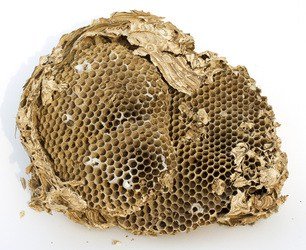
Wasp & Hornet Control
Fast, safe removal of wasp and hornet nests — different pest, different approach than beehive removal, and not something worth handling yourself.
Learn more →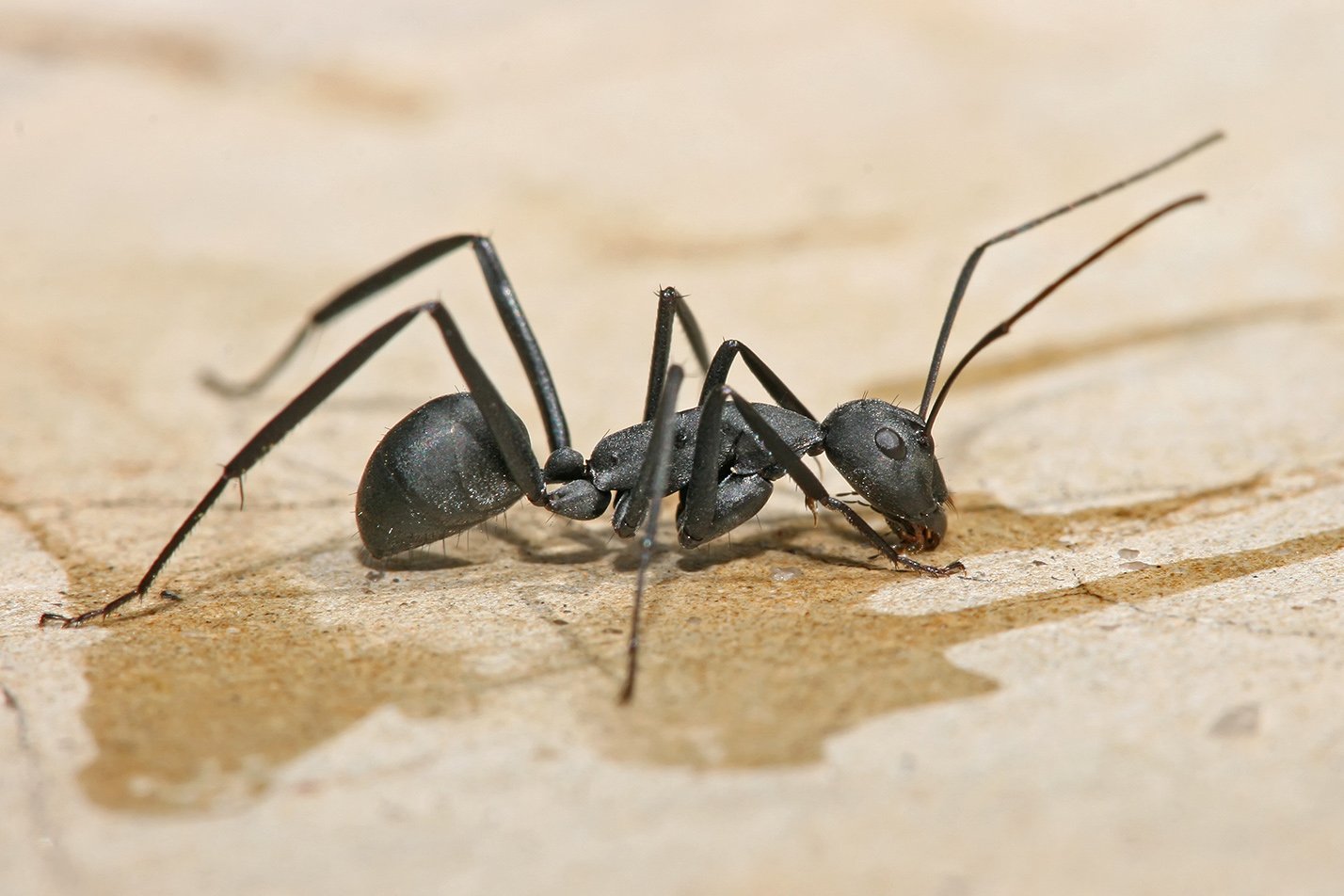
Ant Treatment
A trail of ants across your kitchen counter is a scouting report, not the whole problem. We find the colony behind it and treat…
Learn more →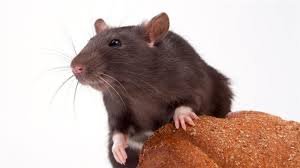
Rodent Control
Mice and rat control that finds the entry points, not just the symptoms — trapping and exclusion that actually keeps rodents out, guaranteed.
Learn more →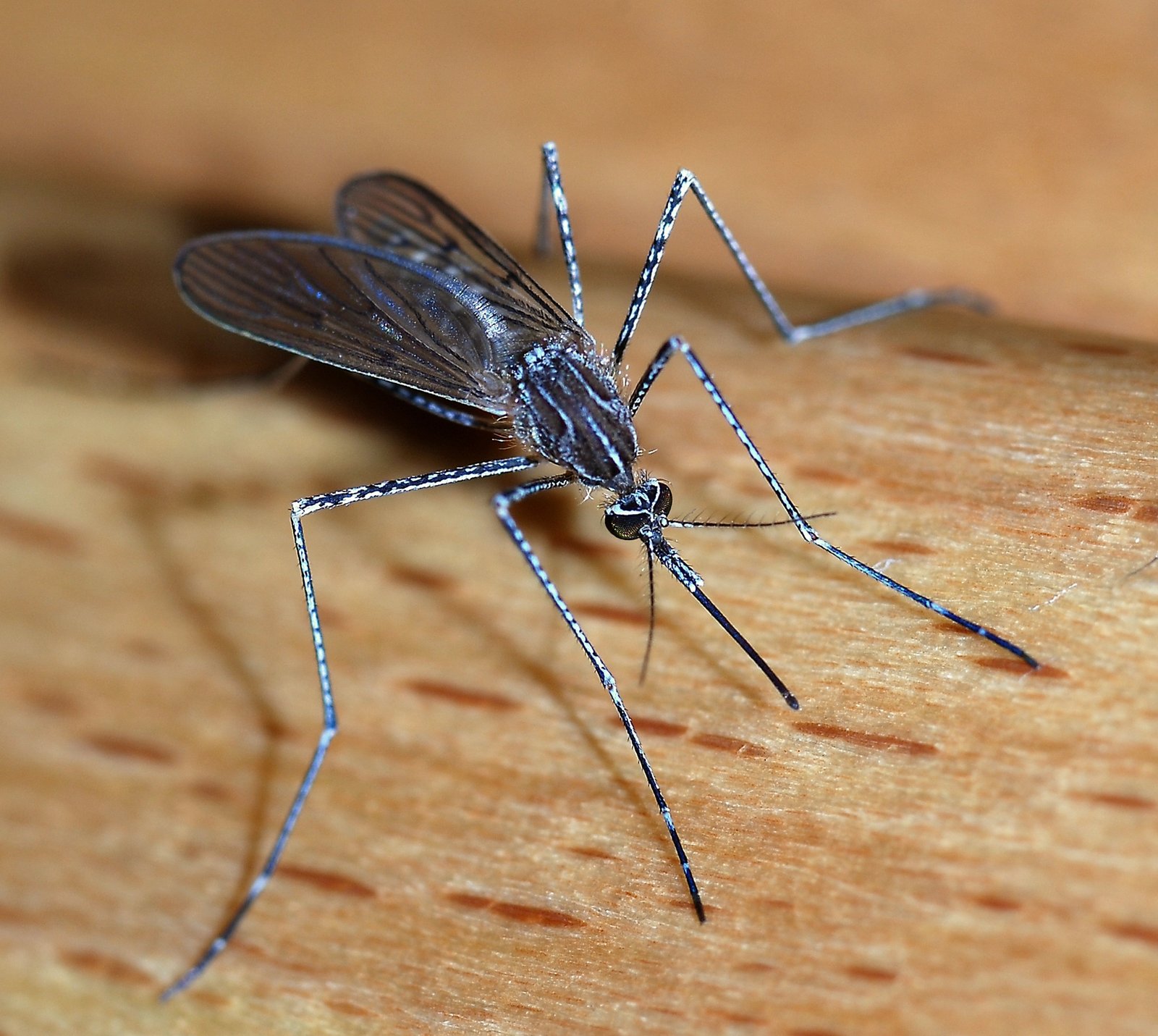
Mosquito Control
Mosquitoes only need a bottle cap of standing water to breed, so the fix isn't just spraying the yard, it's finding where they're coming…
Learn more →Commercial Pest Control
Pest problems in a commercial space carry a different weight than they do at home: health code violations, customer complaints, product loss, and a…
Learn more →Pest Inspections
A room-by-room, crawlspace-to-attic inspection that tells you exactly what's active on your property, and what to do about it, before you sign a lease,…
Learn more →Neighborhoods We Serve
Neighbourhoods We Serve in Vernon
Vernon sits between three lakes, and which one a property is closest to says a lot about the pest problems it is likely to have.
The BX
The BX, on the east side of the city toward Coldstream, mixes acreages and hobby farms, and its orchard and pasture land draws yellowjackets hard once fruit starts falling in late summer.
East Hill
East Hill, the established residential area climbing the slope above downtown, has mature yards and older homes, which keep carpenter ant and wasp activity steady through the warm months.
Okanagan Landing
Okanagan Landing, on the west side along Okanagan Lake, is largely waterfront and near-waterfront property, and lake moisture combined with older cabin-style construction in parts of the area makes it a consistent carpenter ant zone.
Bella Vista
Bella Vista, a newer subdivision on the benches above the lake, has less mature landscaping but plenty of dry, sun-exposed ground that suits yellowjacket nests.
Middleton Mountain
Middleton Mountain, a newer subdivision on the benches above the lake, has less mature landscaping but plenty of dry, sun-exposed ground that suits yellowjacket nests.
The Commonage
The Commonage, the rural upland area south of the city, is open enough that deer mice and pack rats move freely between range land and the rural properties out there, especially once the grass dries out in late summer.
Coldstream
Coldstream, the district municipality bordering Kalamalka Lake to the southeast, shares much of the lake-adjacent carpenter ant and wasp pattern seen at Okanagan Landing.
Getting around
Getting Around Vernon
Highway 97 runs north-south through Vernon, linking the city with Kelowna and the rest of the Okanagan to the south and with Sicamous and the Shuswap to the north, while Highway 6 heads southeast toward Lumby. Kalamalka Lake Road connects downtown to Coldstream along the lake's west side, and Silver Star Road climbs northeast out of the city toward Silver Star Mountain Resort.
Properties along Kalamalka Lake Road and the benches above it tend to see more carpenter ant pressure than drier parts of the city further from the water, because lakeside landscaping and irrigation keep wood around foundations damp for longer.
Local landmarks
Local Landmarks
Kalamalka Lake
Kalamalka Lake, sometimes called the Lake of Many Colours for the turquoise bands visible from the surrounding hills, is partly protected by Kalamalka Lake Provincial Park.
Wikipedia ↗Wikidata ↗Polson Park
Polson Park, in downtown Vernon, is a well-irrigated urban park and a good example of how even a small green space can hold plenty of wasp and ant activity through summer.
Silver Star Mountain Resort
Silver Star Mountain Resort, northeast of the city, brings a steady flow of seasonal cabin and chalet properties into the area, many of which benefit from a fall mouse check before they sit closed up for ski season.
Predator Ridge Resort
Predator Ridge Resort, south of the city, is a golf-and-vineyard-adjacent development on Vernon's outskirts, bringing the same irrigation-driven ant and wasp pressure seen closer to the lakes.
Wikipedia ↗Wikidata ↗
Local knowledge
Three-Lake Geography and Seasonal Patterns
The lakes do more than shape the view. Water moderates the temperature, feeds irrigation and keeps landscaping green in a dry valley, and each of those things draws pests to the properties nearest the shore. In spring, carpenter ants become active as wood warms up and damp spots near downspouts, decks and retaining walls become visible. Summer belongs to wasps, and by late August the nests that started small in June can be large.
Autumn is when mice, boxelder bugs and lady beetles start looking for winter shelter, especially on newer, sun-exposed homes in Bella Vista and Middleton Mountain. Winter is quieter outdoors but not indoors, because rodents that got in during October keep breeding inside wall cavities and attics. Earwigs and pavement ants remain a low-grade but constant presence in nearly every neighbourhood, however close it sits to the water.
Local knowledge
Orchard, Vineyard and Rural Properties
Vernon's outskirts are still working agricultural land in many directions, and the orchards and vineyards along the benches above both Okanagan and Kalamalka Lake bring a different kind of seasonal pressure than an in-town yard. Ripening and fallen fruit is a strong yellowjacket draw, and orchard rows left unmanaged for even a few days during peak fruit drop can support a nest population well beyond what a homeowner expects.
Hobby farms and acreages around the Commonage and past the BX deal with more deer mice and pack rat activity than in-town properties, because open range and unmanaged grassland border the buildings directly. Vineyard properties add stacked posts, irrigation lines and undisturbed vine rows, all places rodents and spiders find cover. We scale the approach to larger rural and agricultural properties, focusing on outbuildings, equipment storage and field edges rather than applying a standard residential program to a 2- or 4-hectare lot.
Local knowledge
Resort and Seasonal-Property Considerations
Between Silver Star Mountain Resort and Predator Ridge, Vernon has a good number of seasonal and resort-style properties, and they need pest attention on a different schedule from a year-round home. A ski chalet that closes up in April and sees nobody until December is exactly the kind of undisturbed shelter deer mice look for, and the same goes for golf-course vacation properties that sit empty through the off-season.
A pre-close inspection in fall, before the property goes unused for months, can catch entry points and early activity before it establishes. That is far easier than discovering in December that pipes have been chewed or insulation has been shredded for nesting material. Checking attic vents, garage door seals and utility penetrations is a good place to start.
Local knowledge
Downtown and Commercial Vernon
Vernon's downtown core, centred around 30th Avenue and 32nd Street near Polson Park, mixes older commercial buildings with newer development. Restaurants and retail there see summer wasp pressure concentrated around patio seating and outdoor dining areas that draw heavy foot traffic through the warm months. Warehouse and light-industrial properties along Highway 97 deal with standard rodent pressure, though the surrounding orchard and grassland can push it a little higher than a comparable building would see in a fully urban setting.
Multi-unit residential buildings near the lake, particularly around Okanagan Landing, need attention to shared walls and plumbing chases, since ant and rodent activity can spread between units before an individual resident notices it. Property managers can request a free no-obligation quote for a building-wide plan.
Local knowledge
Swan Lake and the North End
Swan Lake, on Vernon's north side, is smaller and marshier than Kalamalka or Okanagan Lake, and the wetland ground around it keeps mosquito activity higher through summer than in the drier neighbourhoods up the bench. Properties on the north end, closer to the Swan Lake wetlands and the agricultural land that stretches toward Armstrong, see the rodent pressure common to any Interior farmland edge, with mice and voles moving between cultivated fields and nearby yards as crops come off in late summer.
It is a smaller piece of the city's footprint, but it shows how closely pest activity here tracks the body of water, or the stretch of farmland, a property happens to sit beside. Pricing depends on the property and the pests, and a free no-obligation quote comes first.
Local knowledge
Timing Across Vernon
Across all of these areas, timing is a big advantage a homeowner has. Yellowjacket nests are easier to deal with in early summer, before they grow, carpenter ant checks make sense in spring, and mouse-proofing works best before the first cold nights in September. Planning visits around that calendar tends to be simpler and less disruptive than reacting once a problem is obvious.
Local knowledge
Between Three Lakes at the Top of the Okanagan
Vernon sits at the top of the Okanagan Valley, between Kalamalka Lake, Okanagan Lake and Swan Lake, with dry Ponderosa pine hillsides on one side and orchard and vineyard bench land on the other. That mix shapes what shows up at the door. Summers run hot and dry, and yellowjackets are the pest most homeowners call about, drawn to fallen fruit, backyard barbecues and patio dining from the BX to East Hill. Nests turn up in sheds, under eaves and in the ground along sun-baked slopes.
Carpenter ants move into damp, aging wood around older homes near the lakeshore and irrigated yards. As nights cool through September and October, deer mice and house mice push into cabins and outbuildings around Kalamalka Lake and the Commonage looking for a dry place to winter, and boxelder bugs and multicoloured Asian lady beetles cluster on south-facing walls doing the same. Earwigs and pavement ants are steady nuisances in garden beds and driveways all season.
Nearby
Also serving towns near Vernon
Why It Works
Guaranteed, not just promised.
Satisfaction Guaranteed
If it's not gone, we come back — free.
Safe & Humane
Natural methods, safe around kids and pets.
No Contracts
Stay because it works — not because you're locked in.
Find Us
Serving Vernon, British Columbia
What Customers Say
Real reviews from our Google Business Profile.
“I am very happy with the service I received from Natural Pest Solutions, they took my call right away and came right out and inspected my home and found the source of my ant problem and since they were here I have not seen a single bug around. I would recommend these guys to anyone needing pest control services.”
Rick Gruenke — Google review
View on Google →“I am very happy with the results that Natural Pest Solutions was able to provide as far as the speed of their work and also the problem with ants in my home was able to be resolved quickly which gave me peace of mind. I would recommend this pest control company to anyone having issues with bugs.”
Stefano Merci — Google review
View on Google →Questions
What People in Vernon Ask Us
What determines the price of pest control in Vernon?
The pest and the property. A single wasp nest under an eave is a different job from a mouse or carpenter ant problem in a lakeshore cabin. We look at what is going on at your address and give you a free no-obligation quote before any work begins.
Are yellowjackets a big problem in Vernon?
They are the pest most homeowners here call about. Fallen fruit, barbecues and patio dining draw them from the BX to East Hill, and nests turn up in sheds, under eaves and in the ground along dry, sun-baked slopes.
How soon can you deal with a wasp nest in Vernon?
A nest near a patio or play area is the kind of call we treat as a priority. We cannot promise an exact time, but we schedule you as quickly as we can once you request a free no-obligation quote.
Is your approach safe around Vernon orchards, lakes and family yards?
We choose non-toxic, low-impact products and place them at nests, entry points and runways instead of spraying whole yards. That suits properties with fruit trees, gardens, dogs and children, and we explain any precautions after each visit.
Do cabins around Kalamalka Lake and the Commonage need mouse control in fall?
A fall check is worth doing. As nights cool in September and October, deer mice and house mice look for a dry place to winter, and seasonal cabins and outbuildings are ideal. Sealing gaps before closing up for the season saves trouble later.
What are the bugs clustering on my south-facing walls in fall?
They are usually boxelder bugs or multicoloured Asian lady beetles looking for a warm place to overwinter. They are a nuisance rather than a structural threat, but sealing cracks around windows and siding keeps them from moving inside.
Why are there more mosquitoes near Swan Lake?
Swan Lake is marshier than the other two lakes, and the wetland ground around it holds standing water through summer. Properties on the north end tend to see more mosquitoes than the drier benches, so draining containers and trimming vegetation help.
Keep exploring
More from Natural Pest Solutions
- All pest control services
- Pest encyclopedia: identify what you are seeing
- All of our locations
- Customer reviews
- Pest control tips from our blog
- Contact us for a free no-obligation quote
About the area
Vernon
Wikipedia ↗Wikidata ↗British Columbia
Wikipedia ↗Wikidata ↗
Learn More
Trusted resources for Vernon homeowners
Public-health, regulator and university guidance on safe pest control.
- Health Canada: Pesticides and Pest Management ↗Canadian guidance on pest control products.
- B.C. Government: Pesticides and Pest Management ↗Provincial rules and guidance in British Columbia.
- National Pesticide Information Center ↗Pest-by-pest fact sheets from Oregon State University and the EPA.
Ready to stop worrying about pests in Vernon?
Talk to a real expert — no pressure, no toxic chemicals, no contract required.
Recognized by the organizations that set the standard