
Arizona
Pest Control Mesa, AZ
From canal-side roof rats in Dobson Ranch to bark scorpions climbing block walls near Usery Mountain, Mesa's mix of irrigated suburb and desert foothill calls for natural-first pest control that knows the difference.
Natural, guaranteed pest control — free no-obligation quotes, no contract, safe around kids and pets.
Common Pests in Mesa
What we treat most often around Mesa, Arizona
Mesa sits right at the line between the Salt River Project's canal system and the open desert climbing toward Usery Mountain and the Superstition foothills, and pest pressure here splits along that same line. In older, canal-fed neighborhoods like Dobson Ranch, Lehi and the Fiesta District, mature citrus trees, oleander hedges and shaded canal banks give roof rats a highway through the canopy, while Argentine ants trail along drip lines and mosquitoes breed in retention basins and standing irrigation water.
Head east toward Red Mountain and Las Sendas, where backyards butt up against raw desert, and bark scorpions climbing stucco and block walls become the bigger worry, along with packrat middens under sheds and parked cars. Desert subterranean termites swarm citywide once monsoon humidity arrives in July and August, not in spring as they do in much of the country, and German cockroaches turn up reliably in restaurant corridors along Main Street and Southern Avenue.

How We Fix It
Pest control services in Mesa
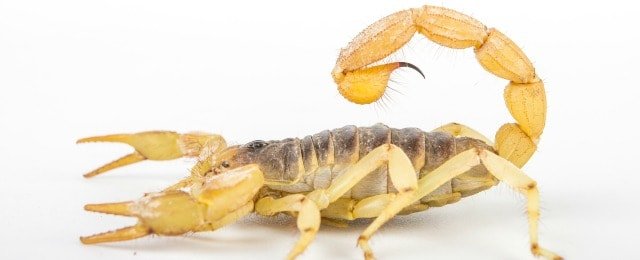
Scorpion Control
Scorpions turn up where dry ground meets a house with easy openings — under stucco, behind baseboards, inside a stack of firewood. We find…
Learn more →
Rodent Control
Mice and rat control that finds the entry points, not just the symptoms — trapping and exclusion that actually keeps rodents out, guaranteed.
Learn more →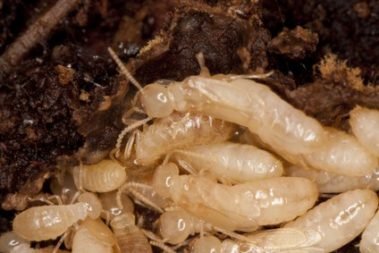
Termite Control
Subterranean and drywood termite treatment that protects your home's structure — natural-first, guaranteed, and safe for the people and pets who live there.
Learn more →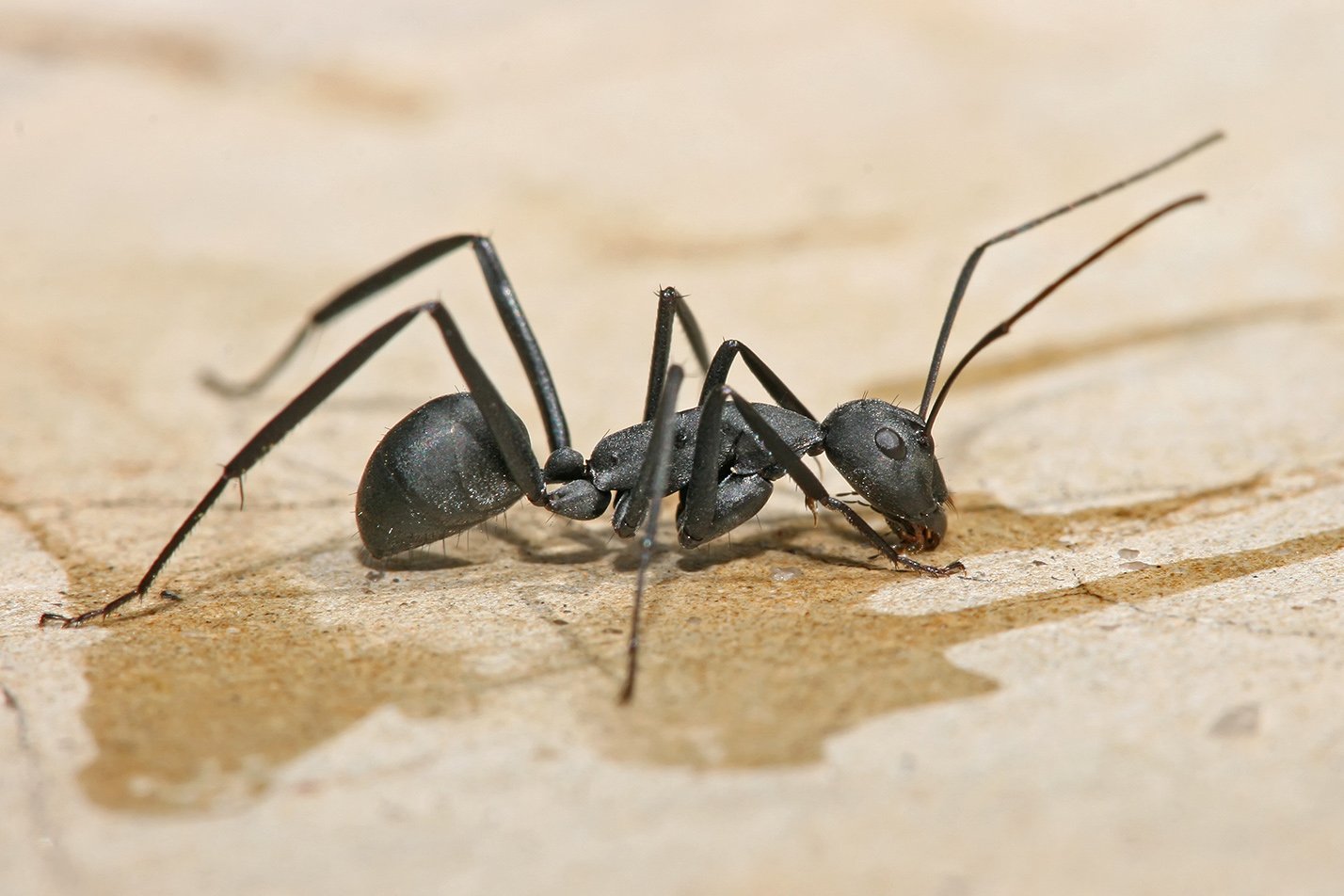
Ant Treatment
A trail of ants across your kitchen counter is a scouting report, not the whole problem. We find the colony behind it and treat…
Learn more →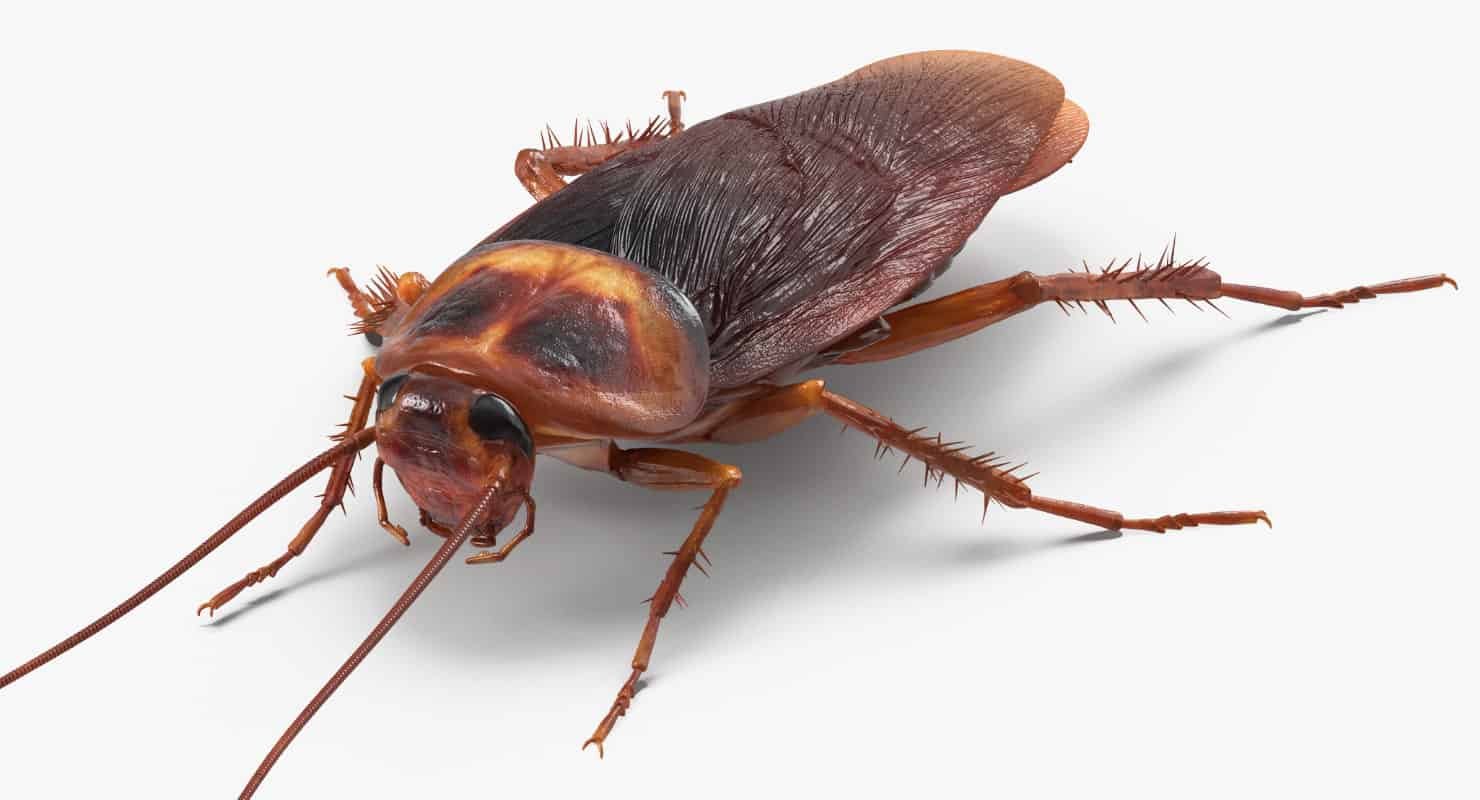
Cockroach Control
Cockroaches don't need much to move in: a damp corner, a crumb trail, and a gap the width of a coin. We find where…
Learn more →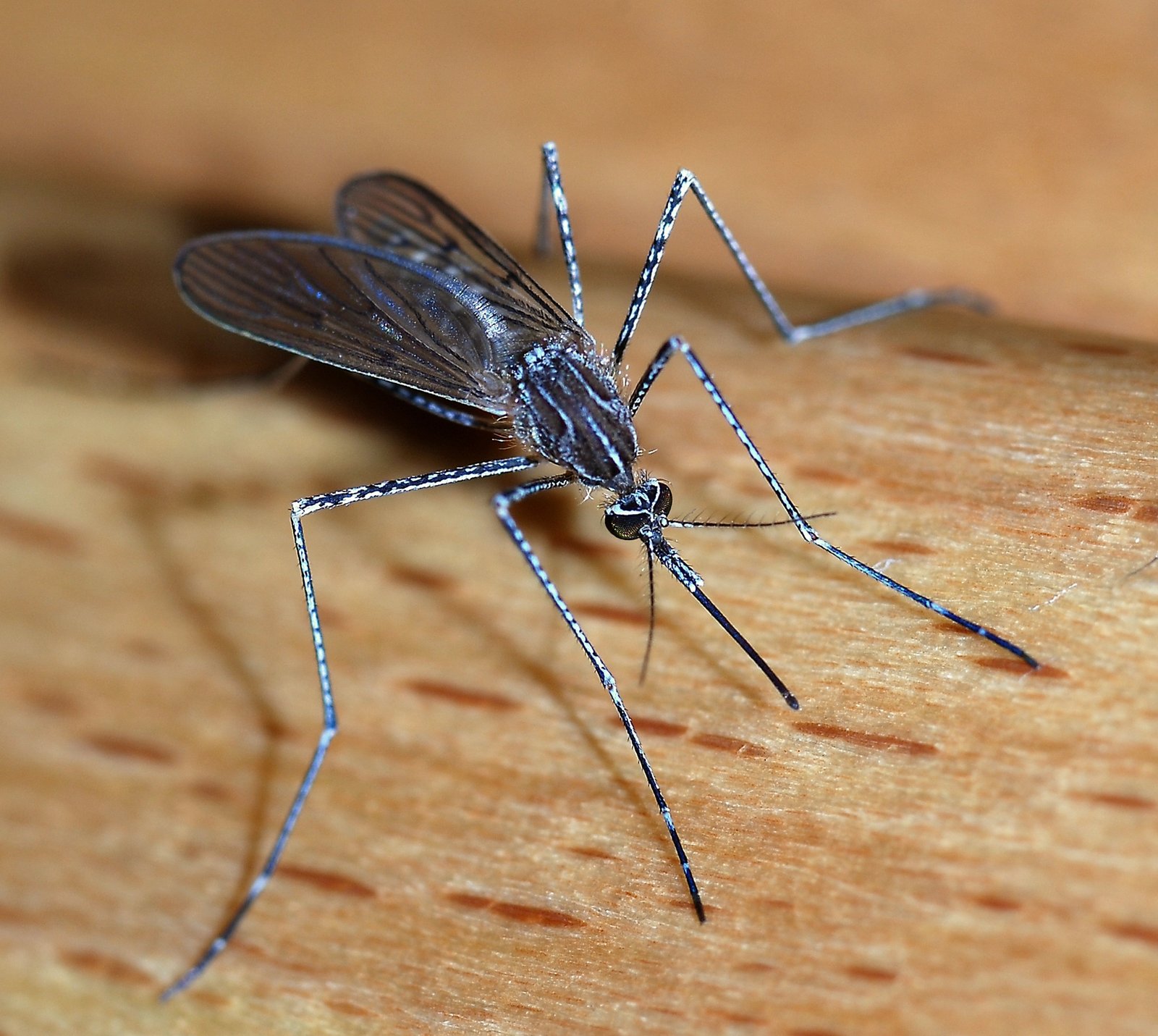
Mosquito Control
Mosquitoes only need a bottle cap of standing water to breed, so the fix isn't just spraying the yard, it's finding where they're coming…
Learn more →Neighborhoods We Serve
Neighborhoods We Serve in Mesa
Mesa is big enough that pest control in Mesa does not mean much until you know which Mesa you are talking about. We work the whole city, but the job looks different depending on which side of town a house sits on.
Dobson Ranch
In Dobson Ranch, off Dobson Road and Southern Avenue, the man-made lakes and decades-old shade trees create a humid, canopy-covered environment. It keeps roof rats and Argentine ants active year-round, long after the surrounding desert has dried out for the season.
Wikipedia ↗Wikidata ↗Lehi
Lehi, near the Salt River bottomlands, still has horse properties and irrigated pasture mixed in with newer rooftops. Livestock feed, standing irrigation water and open barns are a magnet for rodents and flies that a typical subdivision does not deal with.
Fiesta District
The Fiesta District, around Southern Avenue and Alma School Road, has a mix of older apartment stock, restaurants and retail. It sees the German cockroach and Norway rat pressure you would expect from dense multi-family construction and a steady churn of food-service tenants.
Red Mountain Ranch
Red Mountain Ranch is built around golf courses at the foot of the Superstition foothills, backing straight up to open desert with little more than a block wall between a patio and a native wash. Homes deal with bark scorpions, packrats denning under sheds and vehicles, and the occasional javelina on trash night.
Las Sendas
Las Sendas is built around golf courses at the foot of the Superstition foothills, with little more than a block wall between a patio and a native wash. Homes deal with bark scorpions climbing stucco and into weep holes, packrats denning under sheds and parked vehicles, and the occasional javelina.
Alta Mesa
Alta Mesa sits in an older, established band of mid-century block homes with mature landscaping that has been growing for decades. Settled foundations develop hairline cracks and gaps around plumbing penetrations, which gives ants, roaches and the occasional roof rat an easier way indoors.
Eastmark
Eastmark, in southeast Mesa, is still filling in with construction. Graded, largely bare lots are prime real estate for harvester ant mounds and ground squirrels until landscaping fills in.
Wikipedia ↗Wikidata ↗
Getting around
Getting Around Mesa
Mesa's road grid tells you a lot about where pest pressure comes from. Loop 202 (the Red Mountain Freeway) crosses the northern part of the city, and neighborhoods near its eastern end, like Las Sendas and the communities off Power Road, are the ones closest to raw desert. Main Street and University Drive run east-west through the downtown core, lined with older commercial buildings and mature landscaping that give roaches, ants and rodents plenty of cover.
Southern Avenue and Dobson Road cut through the older, canal-irrigated neighborhoods on the west side, where mature citrus and shade trees keep humidity and canopy cover higher than in newer parts of town. Further east, Power Road and Ellsworth Road mark the rough edge where subdivisions give way to desert scrub heading toward the Superstitions.
Local landmarks
Local Landmarks
The desert edge and the canals shape pest pressure across Mesa, and these landmarks show where.
Usery Mountain Regional Park
Usery Mountain Regional Park, on Mesa's northeast edge, sits close to neighborhoods like Las Sendas. Properties nearest the park see more scorpion, packrat and javelina activity simply because there is less distance between the house and the mountain.
Red Mountain
Red Mountain is the butte that gives the freeway and the Red Mountain Ranch neighborhood their name. It sits along the desert edge, and the washes around it funnel wildlife and moisture-seeking insects toward nearby yards after monsoon storms.
Salt River Project Canal System
The Salt River Project canal system laces through Mesa's older neighborhoods, feeding lawns, citrus and shade trees. It is also what lets roof rats move between yards along the tree canopy without ever touching the ground.
Superstition Mountains
The Superstition Mountains, visible from most of east Mesa, mark the outer edge of the desert pressure that shapes pest patterns for the eastern half of the city.
Wikipedia ↗Wikidata ↗
Local knowledge
Living Near These Landmarks
Homes and businesses near these landmarks tend to call about different things than properties closer to downtown. A property backing to Usery Mountain Regional Park is far more likely to need scorpion and packrat work than mosquito or roach control, while a home beside a canal or lake has the opposite problem: moisture pests are the priority and scorpions are a lesser concern. Knowing which of these a property sits closest to tells us most of what we need before we walk the yard.
Local knowledge
How Mesa's Geography Shapes Pest Season
Mesa sits in a transition zone between the Salt River Valley's irrigated flatland and the desert foothills climbing toward the Superstitions, and the pest calendar splits along that line. West and central Mesa, with its canal-fed lots, mature citrus and oleander hedges, stays green and shaded most of the year, which means Argentine ants and roof rats do not really slow down even in the cooler months. East Mesa, from Red Mountain Ranch out through Las Sendas, runs hotter and drier and backs up against real desert, so bark scorpion activity and packrat middens are a year-round concern rather than something that spikes for a few weeks in summer.
Monsoon season, roughly July through September, is the one stretch where the whole city sees the same pattern at once. Humidity triggers desert subterranean termite swarms citywide, usually in the evening after a storm, and that catches a lot of homeowners off guard since they are watching for spring swarms. The same storms push crickets, scorpions and the occasional snake toward higher, drier ground, which often means someone's backyard. Older block homes near Main Street and the Fiesta District also see a jump in indoor rat and roach activity during monsoon, as heavy rain and humidity drive pests toward dry cover through foundation gaps and utility penetrations.
Winter works the opposite direction. Cooler nights push scorpions, packrats and rodents toward the warmth of a house, so homes backing to washes or open desert on the east side tend to see more indoor activity from November through February than owners expect in a warm state. It is one of the more counterintuitive parts of servicing Mesa: the slow season for pests elsewhere is often a busy one out here.
Local knowledge
Why Location Matters More Than You Might Think
Our pest professionals get asked why two Mesa homes a few miles apart need different treatment plans. The honest answer is that Mesa is not one climate zone, it is several stacked next to each other. A Dobson Ranch property with a shaded lot is fighting moisture-loving pests almost year-round. A Las Sendas property backing to open desert is fighting wildlife pressure that barely lets up in winter. A Fiesta District duplex is dealing with the roach and rodent pressure that comes with density and older commercial buildings nearby. Treating all three the same way wastes time and money, so we start by working out which version of Mesa a property sits in before deciding what to do about it. Pricing follows the same logic, which is why a free no-obligation quote comes first.
Local knowledge
Commercial and Multi-Family Properties
Restaurants, apartment communities and retail centers in Mesa face a steady mix of German cockroaches, rodents and ants, because food service, shared walls and irrigated landscaping all sit close together. Older complexes with settled slabs and worn door sweeps let pests move between units, so treating a single apartment rarely solves the problem for long. For these properties we look at the building as a whole, including trash areas, landscaping beds and utility penetrations, and then build a plan that fits the operation. Property managers can request a free no-obligation quote and describe the layout and what tenants are reporting.
Nearby
Also serving towns near Mesa
- Pest control in Tempe5 mi
- Pest control in Gilbert5 mi
- Pest control in Scottsdale7 mi
- Pest control in Chandler8 mi
- Pest control in Guadalupe9 mi
- Pest control in Paradise Valley10 mi
- Pest control in Gainey Ranch (Scottsdale)12 mi
- Pest control in Fountain Hills14 mi
- Pest control in Phoenix15 mi
- Pest control in Apache Junction16 mi
- Pest control in DC Ranch17 mi
- Pest control in Queen Creek18 mi
Why It Works
Guaranteed, not just promised.
Satisfaction Guaranteed
If it's not gone, we come back — free.
Safe & Humane
Natural methods, safe around kids and pets.
No Contracts
Stay because it works — not because you're locked in.
Find Us
Serving Mesa, Arizona
What Customers Say
Real reviews from our Google Business Profile.
“Excellent advice and treatment of carpet beetles. Would recommend them.”
Kathleen Boulanger — Google review
View on Google →“I am very happy with the service I received from Natural Pest Solutions, they took my call right away and came right out and inspected my home and found the source of my ant problem and since they were here I have not seen a single bug around. I would recommend these guys to anyone needing pest control services.”
Rick Gruenke — Google review
View on Google →Questions
What People in Mesa Ask Us
How much does pest control cost in Mesa?
Pricing depends on the property and the pests, and in Mesa that varies a lot by location. A canal-side lot with roof rats and a desert-edge lot with scorpions need different work. Request a free no-obligation quote and we will look at your situation, then explain the options and what drives the cost.
Are roof rats common in Dobson Ranch and Lehi?
They are a regular concern in older canal-fed areas like Dobson Ranch, Lehi and the Fiesta District. Mature citrus, oleander hedges and shaded canal banks let roof rats travel along the canopy and reach attics from above. Trimming branches back from the roofline and sealing gaps helps alongside treatment.
How fast can someone come out in Mesa?
We schedule Mesa visits as quickly as we can, and availability depends on the season and what is already booked. Scorpion and roof rat problems can escalate, so describe what you are seeing when you request your free no-obligation quote, and we will work out timing with you.
Is pest control safe for kids and pets in Mesa?
We use non-toxic, low-impact products chosen to be safe around kids and pets, whether the yard is a shaded canal-side lot or a desert-edge property with block walls and gravel. Let us know about pets, pools and play areas when you ask for your quote, and we will plan around them.
Are scorpions worse near Red Mountain and Las Sendas?
Generally yes. Homes on the east side back onto open desert, so bark scorpions climb stucco and block walls and slip through weep holes, while packrat middens under sheds and cars give them cover. Sealing gaps and reducing hiding spots along the wall line makes a real difference.
When do termites swarm in Mesa?
Desert subterranean termites tend to swarm after monsoon storms in July and August rather than in spring. If you see winged insects near a window or light in the evening after rain, or mud tubes on a foundation, request a free no-obligation quote and we can look at what is going on.
Do pests slow down in a Mesa winter?
Not entirely. Cool nights push scorpions, packrats and mice toward the warmth of homes, especially those backing to washes, so indoor sightings can rise between November and February. Argentine ants also stay active around irrigated, shaded yards. Year-round attention beats waiting for the summer heat.
Keep exploring
More from Natural Pest Solutions
- Pest control in Mesa: full service-area guide
- Pest control across Arizona
- All pest control services
- Pest encyclopedia: identify what you are seeing
- All of our locations
- Customer reviews
- Pest control tips from our blog
- Contact us for a free no-obligation quote
About the area
Mesa
Wikipedia ↗Wikidata ↗Arizona
Wikipedia ↗Wikidata ↗
Learn More
Trusted resources for Mesa homeowners
Public-health, regulator and university guidance on safe pest control.
- University of Arizona Cooperative Extension ↗Research-based home and garden pest guidance for Arizona.
- EPA: Controlling Pests ↗U.S. guidance on choosing and using pest control safely.
- National Pesticide Information Center ↗Pest-by-pest fact sheets from Oregon State University and the EPA.
Ready to stop worrying about pests in Mesa?
Talk to a real expert — no pressure, no toxic chemicals, no contract required.
Recognized by the organizations that set the standard