Diatomaceous earth, often called DE, is a fine powder made from the fossilized remains of diatoms, a type of algae. Under a microscope, the particles are sharp enough to damage the waxy outer coating of an insect’s exoskeleton. Without that coating, the insect loses moisture faster than it can replace it and eventually dies of dehydration. That mechanism is real, and it’s part of why DE has a long history as a natural pest control tool.
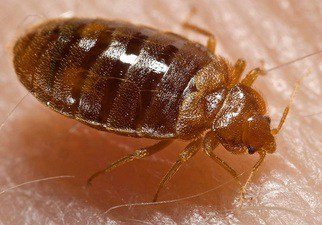
Why It Can Work on Bed Bugs
Bed bugs are vulnerable to this same drying effect, and food-grade DE, the kind safe for use around people and pets, is genuinely effective at killing bed bugs that crawl through it. Unlike a contact spray, it keeps working as long as it stays in place and stays dry, which means it can continue killing bugs for weeks after application rather than needing repeated treatment. That persistence is DE’s real advantage over a chemical spray, whose residual effectiveness fades within days.
Food-Grade vs. Pool-Grade DE: Why the Difference Matters
Not all diatomaceous earth is the same product, and mixing them up is a genuine safety issue, not just a minor detail. Food-grade DE is made from freshwater diatom deposits and contains less than 1% crystalline silica, which is why it’s considered low-risk for the kind of incidental household exposure that comes with using it around a bed frame or baseboard. Pool-grade DE, used in swimming pool filtration systems, is processed differently and can contain 60% or more crystalline silica. That form is a recognized respiratory hazard when the dust is inhaled repeatedly, and it should never be used as a pest treatment inside a home. Bags of pool-grade DE are sold at hardware and pool supply stores, often at a lower price than the pest-control version, which is exactly why people occasionally grab the wrong bag without realizing the difference. Always check the label specifically for the words “food grade” or “food chemical codex” before buying, and buy from a garden center, hardware store pest aisle, or pest-control supplier rather than a pool supply retailer. The National Pesticide Information Center has a helpful overview of how diatomaceous earth products are classified and regulated if you want to dig into the distinction further.
Where It Falls Short
It’s Slow
DE doesn’t kill on contact the way a chemical insecticide does. It typically takes several days for the dehydration process to be fatal, which means bed bugs can still feed and reproduce in the meantime, and someone dealing with an active infestation may keep getting bitten during that window even as the treatment is working.
It Doesn’t Reach Eggs
Bed bug eggs are protected by a shell that DE can’t penetrate, so a treatment that looks successful can still leave a new generation hatching a week or two later. That’s the single biggest reason a DE-only approach so often looks like it worked, then doesn’t.
Moisture Ruins It
DE only works while it’s dry. Humidity, cleaning, or vacuuming disturbs or clumps the powder, and once that happens it stops being effective. This makes it a poor fit for bathrooms or humid climates without careful reapplication, and it’s part of why DE is less reliable on its own in consistently humid regions than in drier ones.
It Doesn’t Address Hiding Spots
Bed bugs are experts at squeezing into seams, behind baseboards, inside box spring frames, and under carpet edges. DE that’s only applied to visible surfaces misses the bugs hiding in these gaps entirely, and a bed bug that never crosses a treated surface never gets exposed to it in the first place.
How DE Compares to Other Bed Bug Treatments
Heat treatment, raising a room or item’s temperature above the threshold bed bugs and their eggs can survive, kills all life stages including eggs in a single pass, which DE can’t do. Steam treatment works similarly on contact for seams and cracks but requires careful, thorough application to actually reach hidden bugs. Chemical insecticides can act faster than DE but often face growing resistance in bed bug populations and don’t offer the same weeks-long residual protection when applied and left undisturbed. DE’s niche is as a long-lasting, low-toxicity layer that keeps working in cracks and voids other treatments can’t easily reach repeatedly, not as a stand-alone fast solution.
How to Use It If You’re Going to Try
- Use only food-grade DE, never the pool-grade version, which contains crystalline silica that’s harmful to breathe.
- Apply a thin, even layer rather than a thick pile. Bed bugs need to walk through it, and a thick pile can actually be avoided more easily.
- Focus on cracks, seams, and voids near the bed frame, baseboards, and outlet covers, not open floor space.
- Wear a mask during application and avoid inhaling the dust.
- Reapply after any cleaning that disturbs the powder.
A simple applicator, such as a puffer bottle or bulb duster, makes a real difference in results. Pouring or shaking DE straight from the bag almost always produces uneven clumps in some spots and bare patches in others, and either extreme reduces effectiveness. A puffer forces a thin, consistent cloud into cracks and seams that a bag or spoon simply can’t reach, including the gap between a baseboard and the wall or the underside lip of a box spring frame. Duster bottles are inexpensive and widely available anywhere DE itself is sold, and reusing the same one for future touch-ups is more efficient than repeatedly measuring out powder by hand.
What Not to Do
Don’t treat DE as a fast fix and stop checking for activity after one application; the eggs it misses will hatch on their own timeline regardless of how confident the first week looks. Don’t pile it on thick in the hope that more is more effective, since bed bugs will simply route around a visible mound rather than cross it. And don’t use it as a reason to skip mattress and box spring encasements, which trap any bugs and eggs already inside rather than relying on the powder to catch every one over time.
A Realistic Timeline and What It Costs
A bag of food-grade DE large enough to treat several rooms typically costs less than most single cans of aerosol insecticide, which is part of its appeal as a low-cost first step. The tradeoff is time. Where a professional heat treatment can eliminate an infestation in a single visit, usually in the range of a few hours to a day depending on the size of the space, a DE-based approach realistically takes four to eight weeks of consistent reapplication and monitoring to bring a moderate infestation under control, and considerably longer for a heavier one. That gap matters because bed bugs continue reproducing and biting throughout the treatment window. Anyone who has priced out professional heat treatment against the cumulative cost of DE, encasements, laundering, and lost sleep over two months often finds the total cost difference is smaller than it first appears, even before factoring in how much sooner the problem is actually resolved.
Signs It’s Time to Call a Professional
A DE-based approach applied carefully and consistently can make real progress against a small, newly discovered infestation confined to one bed or piece of furniture. It’s a different story once bites are spreading to multiple rooms, bugs are showing up in outlets or electronics, or six to eight weeks of consistent treatment haven’t produced a clear decline in activity. At that point the infestation has likely grown past what a topical, slow-acting treatment can keep pace with, and a pest management company can bring in heat treatment or a combination approach that addresses the whole space at once rather than room by room. It’s also worth calling a professional early if you live in a multi-unit building, since bed bugs move easily between adjoining units through wall voids and shared plumbing, and a DIY approach in just one unit rarely solves a building-wide problem.
Why It’s Best as Part of a Larger Plan
DE works best combined with encasements for mattresses and box springs, thorough vacuuming, and heat treatment for infested fabrics. Used alone against an established infestation, it tends to slow the population down rather than eliminate it.
Frequently Asked Questions
How long does DE stay effective once applied? As long as it stays dry and undisturbed, it can keep working for several weeks to a few months, which is longer than most chemical residuals last. Any cleaning, vacuuming, or humidity exposure in the treated area shortens that window significantly.
Is DE safe to use around pets and children? Food-grade DE is considered low-risk for incidental contact, but the fine dust can still irritate lungs and eyes if inhaled directly during application, so it’s worth applying it in areas pets and kids won’t be disturbing right away and keeping the container sealed between uses.
Can DE alone get rid of a bed bug infestation eventually, given enough time? In theory, with perfect application and enough patience, it can reduce a population significantly. In practice, the egg gap and moisture sensitivity mean most infestations left to DE alone persist far longer than they would with a combined approach.
Can I vacuum up DE once I’m done treating an area? Yes, and it’s a good idea once an infestation is confirmed gone, since leftover DE dust can be irritating to breathe over time and doesn’t offer any benefit once there’s nothing left to kill. Use a vacuum with a sealed canister or bag rather than a bagless model, since DE’s fine particles can pass through some vacuum filters and end up back in the air.
Does DE work on other pests besides bed bugs? Yes, the same dehydration mechanism affects other crawling insects with similar exoskeletons, including ants, cockroaches, and fleas, which is part of why it’s a common household stock item. The application principles are the same across pests: thin layers in cracks and voids, kept dry, reapplied after disturbance.
If you’re dealing with active bites or visible bed bugs, it’s worth having a pest professional assess how far the infestation has spread before relying on a single method. Call 1-844-783-4821 and we’ll help you build a plan that actually finishes the job.