Queensland
Pest Control Brisbane, QLD
Brisbane's warm, humid climate keeps termites, cockroaches, mosquitoes and spiders active for much of the year. We treat raised Queenslanders and brick-and-tile homes alike with natural pest control options that are safe around kids and pets.
Natural, guaranteed pest control — free no-obligation quotes, no contract, safe around kids and pets.
Common Pests in Brisbane
What we treat most often around Brisbane, Queensland
Brisbane's subtropical climate makes termites a near constant concern, and timber pest inspections are a routine part of buying or selling here, whether it is a raised timber Queenslander in Paddington or a brick-and-tile home out toward Chermside. Huntsman spiders are the classic startling-but-harmless visitor that turns up on a wall or in a car sun visor as evenings warm up.
The wet season, roughly November through March, pushes mosquito numbers up in low-lying pockets along the Brisbane River and its creeks, from Rocklea to Fairfield. Fire ants are a biosecurity matter across parts of south-east Queensland, so a suspected nest should be reported to Biosecurity Queensland rather than disturbed. Possums that settle into roof cavities in leafy suburbs like The Gap or Ashgrove call for humane exclusion, not extermination.
How We Fix It
Pest control services in Brisbane
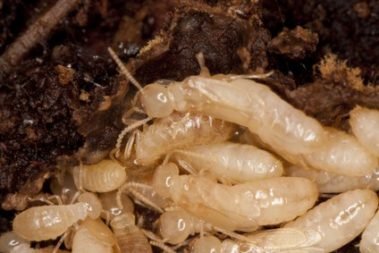
Termite Control
Subterranean and drywood termite treatment that protects your home's structure — natural-first, guaranteed, and safe for the people and pets who live there.
Learn more →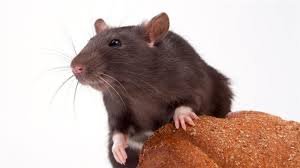
Rodent Control
Mice and rat control that finds the entry points, not just the symptoms — trapping and exclusion that actually keeps rodents out, guaranteed.
Learn more →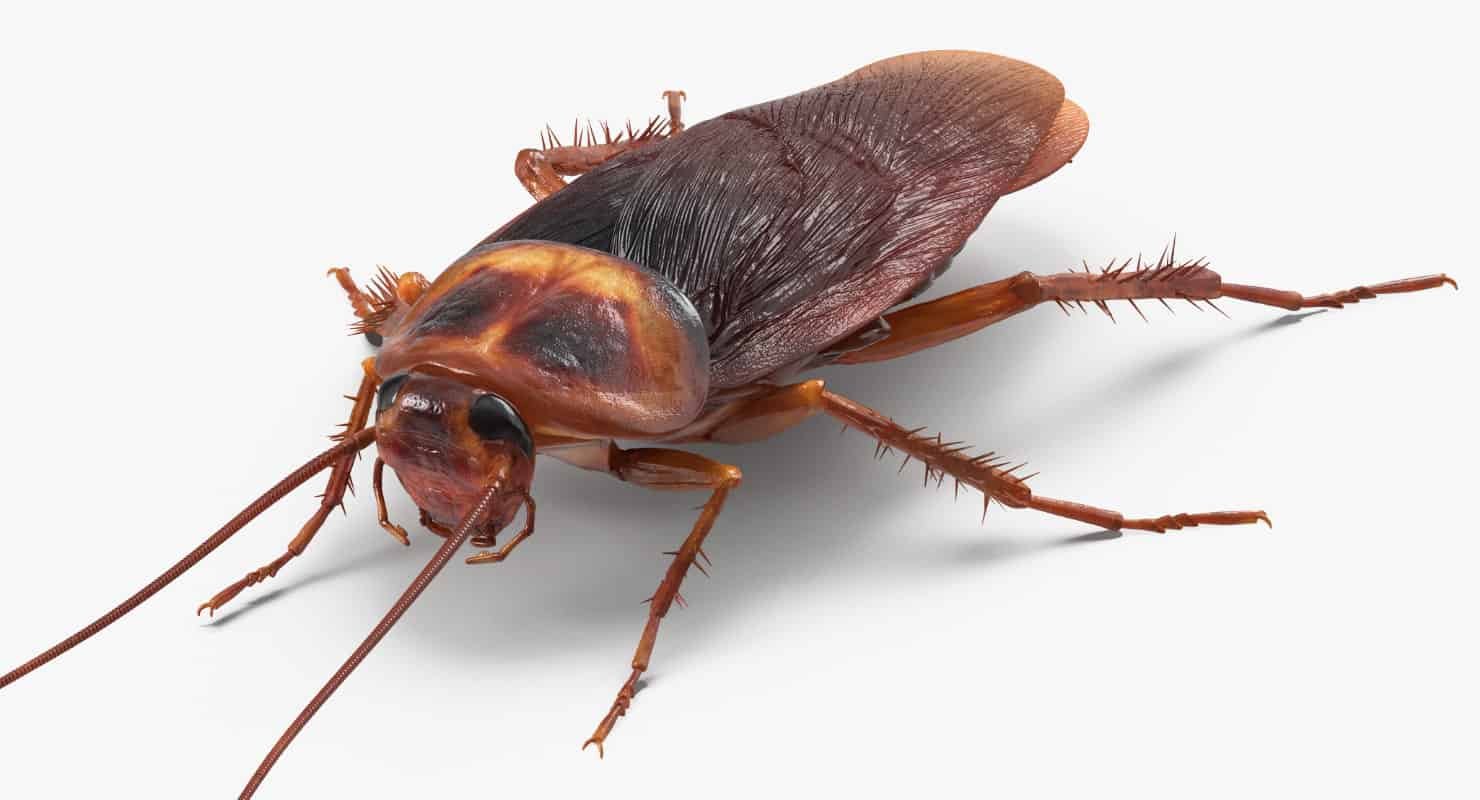
Cockroach Control
Cockroaches don't need much to move in: a damp corner, a crumb trail, and a gap the width of a coin. We find where…
Learn more →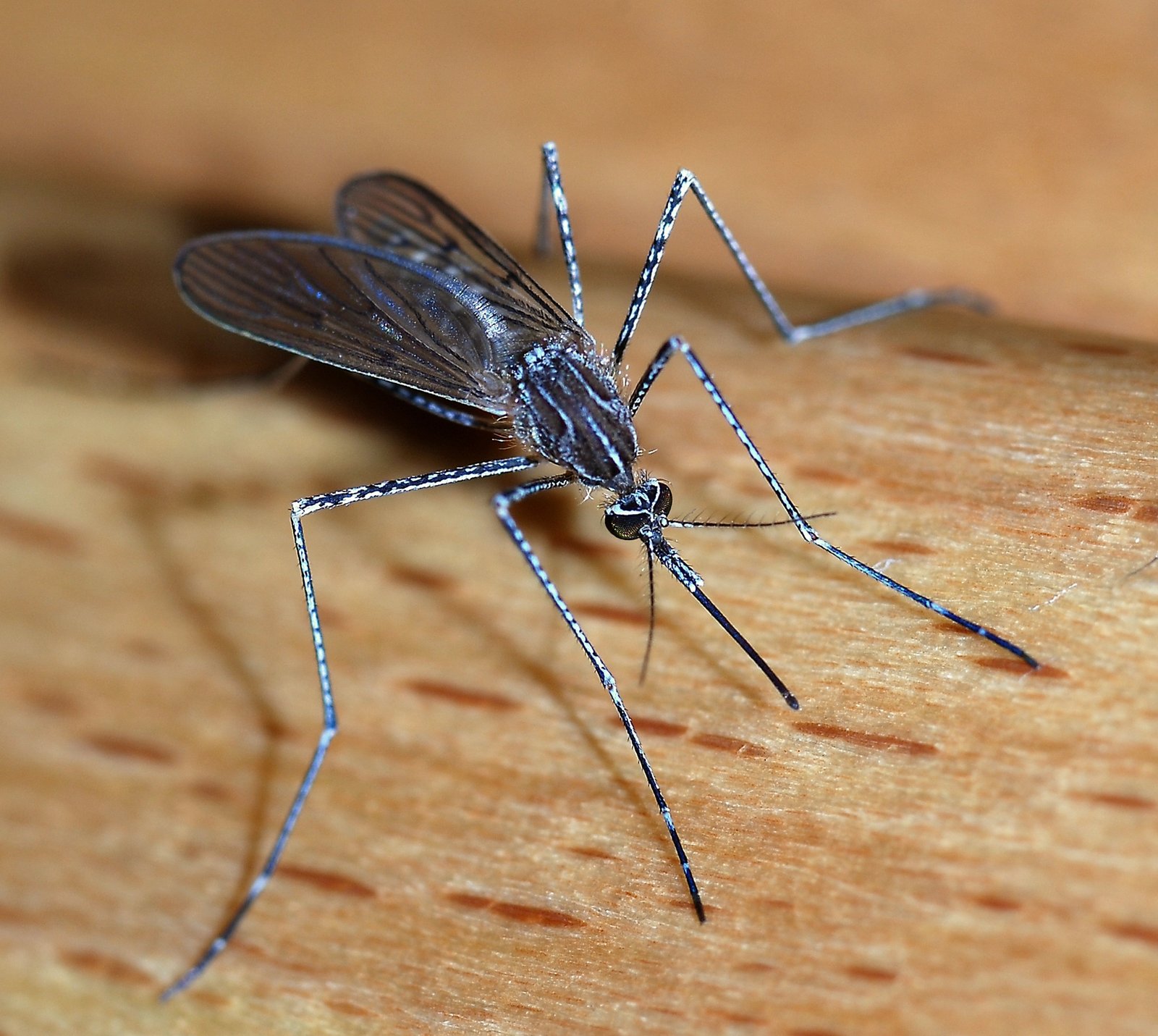
Mosquito Control
Mosquitoes only need a bottle cap of standing water to breed, so the fix isn't just spraying the yard, it's finding where they're coming…
Learn more →
Spider Control
Spiders move in wherever the food supply and hiding spots are, so a few webs in the garage rarely stay a few for long.…
Learn more →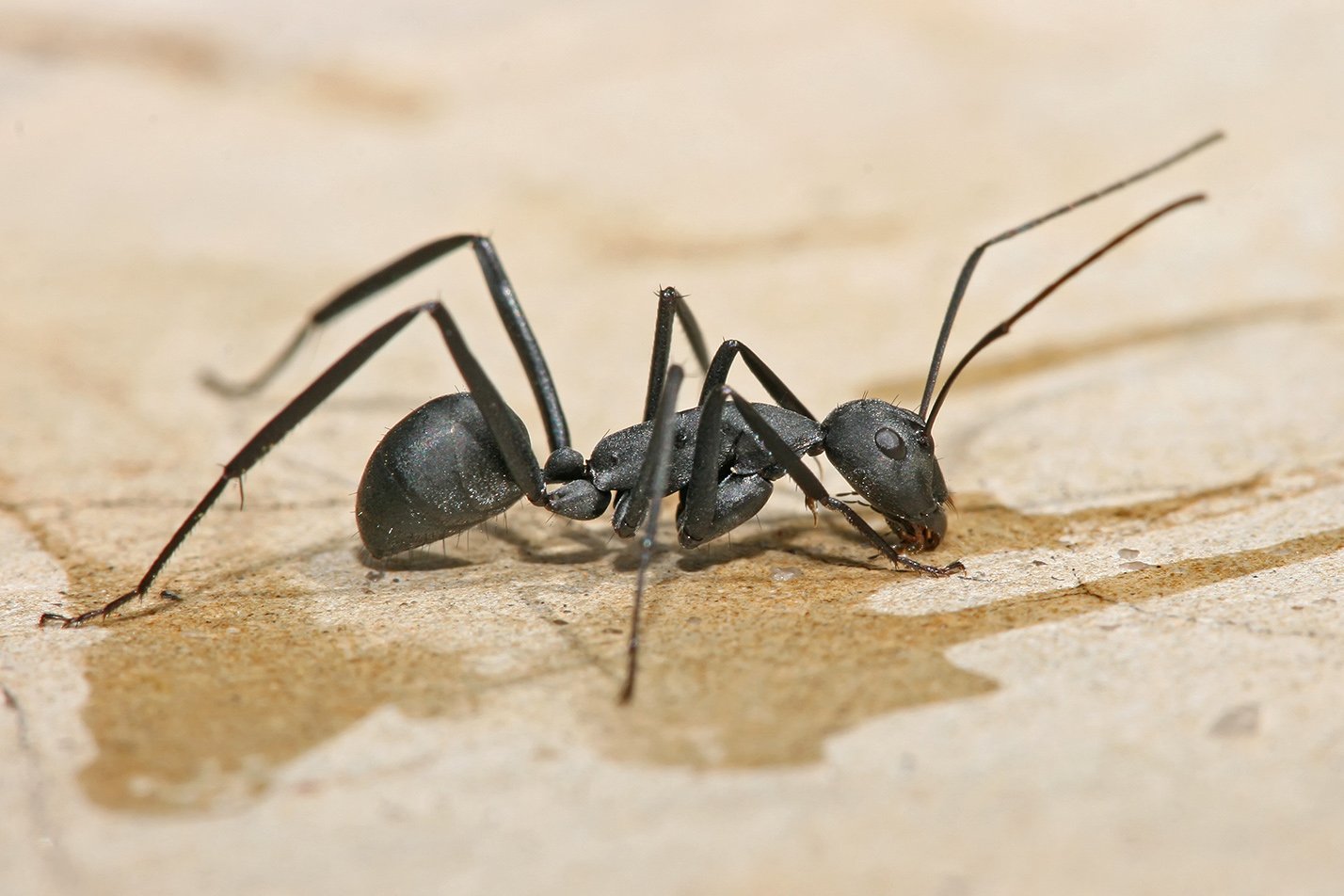
Ant Treatment
A trail of ants across your kitchen counter is a scouting report, not the whole problem. We find the colony behind it and treat…
Learn more →Neighborhoods We Serve
Suburbs and Neighbourhoods We Service in Brisbane
Brisbane sprawls along the river in a way that means "local" covers a lot of very different housing types, and we work right across that spread.
Paddington
Paddington is an inner north-west suburb with raised timber Queenslanders on leafy, sloping blocks. A raised Queenslander here faces different pest risks from a brick-veneer home in Chermside, so we treat them differently rather than running the same program on every job.
Ashgrove
Ashgrove is an inner north-west suburb with raised timber Queenslanders on leafy, sloping blocks. Possums that settle into roof cavities in leafy suburbs like this call for humane exclusion, not extermination.
New Farm
New Farm is a riverside suburb close to the CBD, with a mix of older cottages and apartment buildings. Riverside suburbs like New Farm sit closer to drainage and, in low pockets, to flood-prone ground, which shapes both mosquito and rodent activity.
Wikipedia ↗Wikidata ↗Kangaroo Point
Kangaroo Point is a riverside suburb close to the CBD, with a mix of older cottages and apartment buildings. It sits closer to drainage and, in low pockets, to flood-prone ground, which shapes both mosquito and rodent activity.
Wikipedia ↗Wikidata ↗West End
West End is a river-bend suburb, dense and established, with old Queenslanders alongside infill units. Sitting close to drainage and, in low pockets, to flood-prone ground, it sees mosquito and rodent activity shaped by the river.
St Lucia
St Lucia is home to the University of Queensland, with plenty of rental housing that turns over regularly. Around the university precinct, tenant turnover tends to go hand in hand with cockroach and occasional bed bug call-outs.
Toowong
Toowong sits near the University of Queensland, with plenty of rental housing that turns over regularly. In this university precinct, tenant turnover tends to go hand in hand with cockroach and occasional bed bug call-outs.
Wikipedia ↗Wikidata ↗Chermside
Chermside is a major suburban hub on the north side, with mostly brick-and-tile homes from the later 20th century. Here, termite risk is more about garden beds, mulch and timber fencing touching the slab than about old subfloor timber.
Carindale
Carindale is a major suburban hub on the east side, with mostly brick-and-tile homes from the later 20th century. Here, termite risk is more about garden beds, mulch and timber fencing touching the slab than about old subfloor timber.
Wikipedia ↗Wikidata ↗The Gap
The Gap is a leafy, bush-edge suburb where reserve land backs onto residential streets. Huntsman spiders are common in bush-edge blocks like these, and possums that settle into roof cavities call for humane exclusion, not extermination.
Wikipedia ↗Wikidata ↗Mount Gravatt
Mount Gravatt is a leafy, bush-edge suburb where reserve land backs onto residential streets. Huntsman spiders are common on bush-edge blocks like these, alongside a steady run of spider treatment calls for redback sightings.
Getting around
Getting Around Brisbane
The Brisbane River loops through the middle of the city in a series of sharp bends, and getting around town usually means crossing it. The Story Bridge, Captain Cook Bridge and William Jolly Bridge are the main links between the CBD and the inner suburbs on either bank. The Pacific Motorway (M1) runs south toward Logan and the Gold Coast, the Ipswich Motorway heads south-west, and the Gateway Motorway arcs around the eastern side of the city. Coronation Drive follows the river through Toowong and St Lucia, and Kingsford Smith Drive runs along the northern side near the airport.
CityCat ferries run along the river between suburbs like West End, New Farm and the CBD, and the South East Busway gives fast bus access into the inner south. Roma Street is a major rail hub for services heading out to the growth corridors. It is a spread-out city, and river frontage, flood-prone low ground and elevated bushland suburbs can all sit within a few kilometres of each other, which is a big part of why pest pressure varies so much from block to block.
Milton Road connects the CBD out through Milton and Toowong toward the western suburbs and passes close to Suncorp Stadium. Brisbane Airport, north of the city near the river mouth, is linked in by the Airtrain and Kingsford Smith Drive.
Local landmarks
Local Landmarks
Brisbane's parks, bridges and bushland all shape where pest activity shows up.
South Bank Parklands
South Bank Parklands, on the river directly across from the CBD, is a popular public space with its man-made beach and gardens.
Wikipedia ↗Wikidata ↗Mount Coot-tha
Mount Coot-tha rises above the western suburbs and has botanic gardens and a lookout over the city.
Wikipedia ↗Wikidata ↗Story Bridge
The Story Bridge links Kangaroo Point to Fortitude Valley, and it is one of the main links between the CBD and the inner suburbs on either bank of the river.
Kangaroo Point Cliffs
The cliffs at Kangaroo Point are used by climbers and walkers, in a riverside suburb close to the CBD.
Wikipedia ↗Wikidata ↗City Botanic Gardens
The City Botanic Gardens sit in a bend of the river right against the CBD.
Wikipedia ↗Wikidata ↗Lone Pine Koala Sanctuary
Lone Pine Koala Sanctuary at Fig Tree Pocket is a reminder of how much bushland and wildlife corridor still runs through greater Brisbane's outer suburbs, feeding the possum and spider activity we see on properties backing onto reserve land.
Local knowledge
How Pest Risks Differ Across Brisbane
A raised Queenslander in Paddington and a brick-veneer home in Chermside face different pest risks, so we treat them differently rather than running the same program on every job. Riverside suburbs like New Farm, West End and Kangaroo Point sit closer to drainage and, in low pockets, to flood-prone ground, which shapes both mosquito and rodent activity.
The university precinct around St Lucia and Toowong has a large share of share-house and rental accommodation, and tenant turnover tends to go hand in hand with cockroach and occasional bed bug call-outs. In hubs like Chermside and Carindale, termite risk is more about garden beds, mulch and timber fencing touching the slab than about old subfloor timber.
Local knowledge
Brisbane's Subtropical Climate and What It Means for Pest Control
Brisbane's climate is the single biggest factor in how we approach pest management here. Warm, humid conditions persist for most of the year, and unlike southern Australian cities there is rarely a hard winter cold snap that knocks activity back for long. That keeps termite pressure effectively constant, and it does the same for a handful of other pests.
The raised timber Queenslander, common across Paddington, Ashgrove and older pockets of West End and New Farm, was built up on stumps to keep the living area away from ground moisture. It is a smart design for the climate, but the open subfloor is exactly the kind of space rodents, spiders and ground-dwelling insects use for shelter. We do a lot of rodent control under these older homes, particularly where a subfloor has been partly enclosed for storage, which turns an airy design feature into a sheltered nesting spot.
Humidity drives cockroach activity hard in Brisbane. German cockroaches turn up in kitchens across every suburb, and the city's warmth and drainage network also support larger American cockroaches, which move between stormwater drains, sewer connections and homes near the river in suburbs like West End and Kangaroo Point. Our cockroach treatments are matched to the type of cockroach and the property's proximity to drainage.
Flood history is also part of the picture. The river and its low-lying tributary suburbs, including Rocklea, Fairfield and pockets of West End, have flooded more than once this century. After a major wet-season event the pattern is predictable: rodents displaced from riverbank burrows move into nearby homes seeking dry ground, and standing water left behind gives mosquitoes a breeding site for weeks. If your property sits in one of those catchments, it is worth having mosquito control in place before the wet season rather than waiting for water to pool.
Huntsman spiders alarm people more than they should. They are large, fast-moving and startling, but not dangerous, and they are common from the bush-edge blocks of The Gap and Mount Gravatt to inner-city units in New Farm. We also get a steady run of spider treatment calls for redback sightings around sheds, garages and undercover entertaining areas.
Fire ants are different from most pests on this list because they are a matter of biosecurity, not routine treatment. Red imported fire ants were first detected in Brisbane's south in 2001 and have been the target of an ongoing eradication effort across parts of the region. A suspected nest, recognisable by a raised, crumbly mound of soil with no obvious entry hole, should be reported to Biosecurity Queensland rather than treated privately, and we can help you identify what you are seeing.
Between the humidity, the river, the raised timber housing stock and a wet season that runs for a good part of the year, Brisbane does not get the seasonal breaks that slow pest activity elsewhere. That is why our approach here leans on regular monitoring rather than a once-a-year treatment, particularly for termites and for any property with a subfloor, roof void or garden bed close to the house.
Why It Works
Guaranteed, not just promised.
Satisfaction Guaranteed
If it's not gone, we come back — free.
Safe & Humane
Natural methods, safe around kids and pets.
No Contracts
Stay because it works — not because you're locked in.
Find Us
Serving Brisbane, Queensland
What Customers Say
Real reviews from our Google Business Profile.
“Great company to deal with. They were courteous and they kept their appointment time to deal with my pest control problem. And they gave me a report of things I could do myself to help keep the pests away.”
Marlon Meginbir — Google review
View on Google →“Excellent advice and treatment of carpet beetles. Would recommend them.”
Kathleen Boulanger — Google review
View on Google →Questions
What People in Brisbane Ask Us
How much does pest control cost in Brisbane?
It depends on the pest, the property type and whether it is a one-off treatment or ongoing monitoring. A termite job on an older Queenslander involves different work to a standard ant or spider treatment. We start with a free no-obligation quote, so you know what is involved before anything is booked.
Are termites a serious problem in Brisbane?
Brisbane's warm, humid subtropical climate means termites are active for much of the year, which is why timber pest inspections are a routine part of buying or selling here. Raised Queenslanders in Paddington and slab homes toward Chermside both need attention, though the entry points differ.
How fast can you get out to my property in Brisbane?
We schedule you as quickly as we can, and active termite finds, wasp nests and other urgent jobs are prioritised where possible. Availability shifts with the wet season and how busy the suburbs are, so the best step is to request a free no-obligation quote and tell us what you are seeing.
Is natural pest control safe for kids and pets in Brisbane?
Our approach uses non-toxic, low-impact products that are safe around kids and pets, which matters when Brisbane families spend so much time in the backyard or on the deck. We explain each step, and the work is backed by our satisfaction guarantee.
Do I need mosquito control in Brisbane during the wet season?
Likely, if you are in one of the low-lying pockets along the river and its creeks, from Rocklea to Fairfield. Numbers climb through the wet season, roughly November through March, and treating breeding sites before it peaks is more effective than reacting once the yard is already buzzing.
What do I do about a possum in my roof in Brisbane?
Possums are native wildlife, so the answer is humane exclusion rather than extermination. It is common in leafy suburbs like The Gap and Ashgrove where branches reach the roofline. Check the Queensland rules on relocating wildlife, then request a free no-obligation quote and we will talk through the options.
What should I do if I think I have fire ants in Brisbane?
Do not disturb the nest. Fire ants are a biosecurity matter in parts of south-east Queensland, and a suspected mound, typically raised, crumbly soil with no obvious entry hole, should be reported to Biosecurity Queensland. We can help you work out what you are looking at.
Keep exploring
More from Natural Pest Solutions
- All pest control services
- Pest encyclopedia: identify what you are seeing
- All of our locations
- Customer reviews
- Pest control tips from our blog
- Contact us for a free no-obligation quote
About the area
Brisbane
Wikipedia ↗Wikidata ↗Queensland
Wikipedia ↗Wikidata ↗
Learn More
Trusted resources for Brisbane homeowners
Public-health, regulator and university guidance on safe pest control.
- APVMA: Pesticides and Veterinary Medicines ↗Australia's regulator for pest control products.
Ready to stop worrying about pests in Brisbane?
Talk to a real expert — no pressure, no toxic chemicals, no contract required.
Recognized by the organizations that set the standard