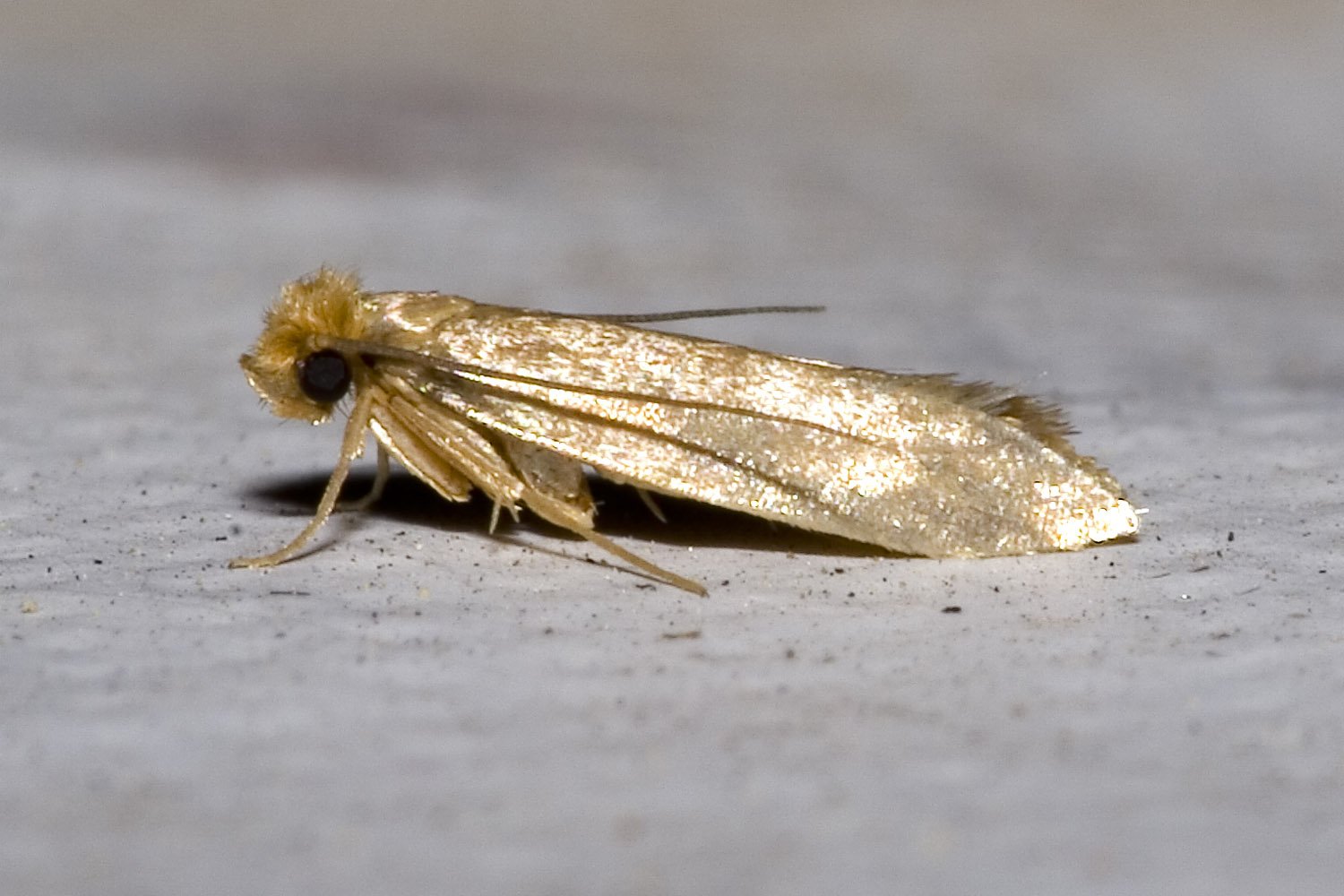
Moth problems usually show up in one of two places: the closet, where clothes moths chew through wool and cashmere, or the pantry, where Indian meal moths get into flour, cereal, and dried goods. The repellents that work for one will not necessarily help with the other, so it is worth knowing the difference before you buy anything.
For Clothes Moths
Cedar is the classic choice for a reason. Cedarwood contains natural oils that moths find unpleasant, and unfinished cedar blocks or hangers do genuinely help, but only if the wood is sanded periodically to release fresh oil. A cedar block that has sat untouched for two years is mostly just a block of wood at that point. Lavender sachets work on a similar principle and add the benefit of masking the wool scent that draws moths in the first place. Rosemary and thyme, used less often but genuinely effective, work the same way, strong essential oils that moths avoid but that fade and need refreshing every few months to keep working.
What Actually Prevents the Damage
Repellents deter adult moths from laying eggs nearby, but they will not do anything about eggs or larvae already in a garment. Before you store anything long-term, wash or dry-clean it first. Moth larvae feed on skin oils and food residue in fabric, not the fiber itself, so a clean sweater in a cedar-lined chest is far safer than a worn one. This is the single most common gap in how people use natural repellents, they treat cedar or lavender as the whole solution and skip the laundering step that actually removes what’s drawing larvae in.
Signs You Actually Have an Infestation, Not Just a Musty Smell
Clothes moth damage has a distinct look once you know what to check for: irregular holes clustered together rather than a single tear, silky webbing tunnels near seams and collars, and small case-shaped larval casings that look like tiny grains of rice caught in the fabric. Adult moths themselves are a poor indicator, they’re weak fliers that avoid light and rarely show up in the middle of the day, so seeing one moth doesn’t confirm an infestation and not seeing any doesn’t rule one out. The larvae do the damage, and they prefer to feed in dark, undisturbed spots, the back corner of a closet, the bottom of a folded stack, or inside a rolled rug that hasn’t been moved in months. If you find one damaged garment, check everything stored within half a metre of it before assuming the problem is contained.
For Pantry Moths
Cedar and lavender do very little for pantry moths, since these pests are drawn to food, not fabric. Bay leaves tucked into flour and grain containers are a genuinely useful natural deterrent, moths tend to avoid the scent. Beyond that, the single most effective natural control is storage: airtight glass or hard plastic containers instead of the original cardboard or paper packaging, which moths can chew straight through. Whole cloves and dried mint have a similar mild deterrent effect and can be used alongside bay leaves for a bit more coverage in larger pantries.
Pheromone Traps
These are not a repellent in the traditional sense, but they belong in this conversation. Sticky traps baited with a synthetic version of the female moth’s pheromone catch adult males and interrupt breeding, which is one of the more effective natural tools available for an active infestation. They will not eliminate larvae already present, but they cut down the next generation significantly. They also double as a useful diagnostic tool, a trap that keeps catching moths week after week tells you the source hasn’t actually been found yet, even if you can’t see any obvious activity.
Freezing and Heat Treatment for Infested Items
Repellents and traps manage an environment, but if you already have eggs or larvae in a specific garment or food package, killing them directly is faster than waiting for cedar or lavender to make the area unappealing. For fabric: seal the item in a plastic bag and place it in a freezer set to -18°C or below for at least 72 hours. This kills eggs and larvae at every life stage, though it won’t remove webbing or larval casings already in the fibers, so you’ll still want to brush or vacuum the item afterward. For food packages you’re not ready to throw out, the same freezing window works, or you can run flour, grains, or dry pet food through a low oven, around 49°C for 30 to 60 minutes, though freezing is generally the safer and more reliable option for home use since oven temperatures are harder to control precisely. A hot dryer cycle, 30 minutes on high heat, works for washable fabrics that can handle it and is often more convenient than freezer space allows for larger items like coats or blankets.
How long these methods actually take
Natural repellents are a prevention strategy, not a fast fix. Cedar and lavender need to be refreshed roughly every one to three months to stay effective as the scent fades. Pheromone traps typically need two to four weeks to meaningfully cut down an active adult population, since they’re working against the normal moth life cycle rather than killing on contact. Expecting an overnight result from any of these is the most common reason people give up on natural methods and assume they don’t work, when the real issue is impatience with a slower but legitimate approach.
What not to do
Don’t mix mothballs into the mix alongside natural repellents. Mothballs contain naphthalene or paradichlorobenzene, both are genuinely effective against moths but they are not natural products, and mixing strong chemical odors with cedar or lavender in an enclosed space is unpleasant and unnecessary if you’re committed to a natural-first approach. And don’t store an unwashed item “just this once,” it is the single easiest way to undo everything else you have set up.
Best Time to Set Up Prevention
The ideal window for clothes moth prevention is right before seasonal storage, when wool coats, sweaters, and blankets go into a chest or the back of a closet for months at a time. That’s exactly when undisturbed conditions let an early infestation take hold unnoticed. For pantry moths, the higher-risk period tends to follow any bulk purchase of grains, flour, birdseed, or pet food, since these products can carry eggs from the point of packaging. Checking new bulk purchases before they go into long-term storage catches a problem before it spreads to everything else on the shelf.
Which Containers Actually Stop Them
Glass jars with rubber-gasket lids and hard plastic containers with a snap-locking seal both work well, the deciding factor is whether the lid actually compresses against a seal rather than just resting on top. Screw-top plastic containers without a gasket can still let larvae through gaps that are barely visible to the eye. Mylar bags with a heat-sealed edge are another solid option for bulk dry goods like flour, rice, or birdseed that you’re not going through quickly, since they block both moisture and pests. Whatever you choose, transfer new bulk purchases into it immediately rather than leaving food in its original bag on a shelf “until you get around to it,” that gap is exactly when an egg-laden bag re-infests everything around it.
A Note on Essential Oil Concentration
Not all cedar or lavender products are equal. A candle or diffuser labeled with the scent is mostly for ambiance and does little for actual moth deterrence, the concentration is too low and too diffuse to matter. What works is direct contact, solid cedar wood, sachets packed with dried lavender buds, or oil applied directly to unfinished wood, placed close to where the fabric or food is actually stored. If you’ve tried a product and seen no effect at all, it’s worth checking whether it was ever concentrated enough to do the job in the first place.
Common Questions About Natural Moth Control
Do cedar blocks ever stop working completely, or just need refreshing?
They keep working as long as the wood still has oil to release, sanding a fine layer off the surface with sandpaper exposes fresh cedar and restores the scent, usually good for another few months. After several years of sanding, a block eventually gets too thin to be worth continuing and is better replaced.
Is lavender oil applied directly to fabric a substitute for sachets?
Applying oil directly to clothing isn’t recommended, it can stain fabric and the scent fades unevenly. Sachets or oil applied to an unfinished wood block or a cloth pouch positioned near the stored items give you the same deterrent effect without the risk to the garment itself.
If pantry moths got into a food package, is the rest of that food safe to eat?
Food contaminated by pantry moths, larvae, webbing, or shed casings, should be discarded rather than sorted through and salvaged. It isn’t a significant health hazard in the way some pests are, but the contamination isn’t limited to what’s visible, and the safer call is to throw out the package and start fresh.
Can I use dryer sheets as a moth repellent?
Dryer sheets are sometimes suggested as a cedar or lavender substitute, but there’s no good evidence they deter moths in any meaningful way. They’re not a reliable substitute for cedar, lavender, or the other methods covered here.
When Repellents Are Not Enough
If you are still finding moths after a few weeks of cedar, sachets, and clean storage, there is likely an active source somewhere, an old bag of birdseed in the garage, a forgotten box of pasta in a cabinet, or a wool coat that never got cleaned before storage. At that point it is worth having someone locate the source rather than continuing to treat the symptoms.