
Services
Cockroach Control
Cockroaches don't need much to move in: a damp corner, a crumb trail, and a gap the width of a coin. We find where they're hiding and shut the whole situation down, without blanketing your kitchen in chemicals.
Natural, guaranteed pest control — free no-obligation quotes, no contract, safe around kids and pets.
Signs You Need This
How to tell it's time to call
You don't usually see a roach infestation before you see the evidence. Look for droppings that resemble coffee grounds or black pepper flecks along baseboards, inside cabinets, and behind the stove. Small brown egg casings, called oothecae, tucked into cracks near the fridge, dishwasher, or water heater are a strong sign of an established colony rather than a one-off wanderer. A persistent musty, oily smell in a cabinet or pantry that won't air out is another marker, especially with German cockroaches, which leave a scent trail as their numbers grow. If you flip on the kitchen light at night and catch several roaches scattering toward the counter edges or under the stove, that's not a stray, that's a population you're only seeing a fraction of.
The Full Picture
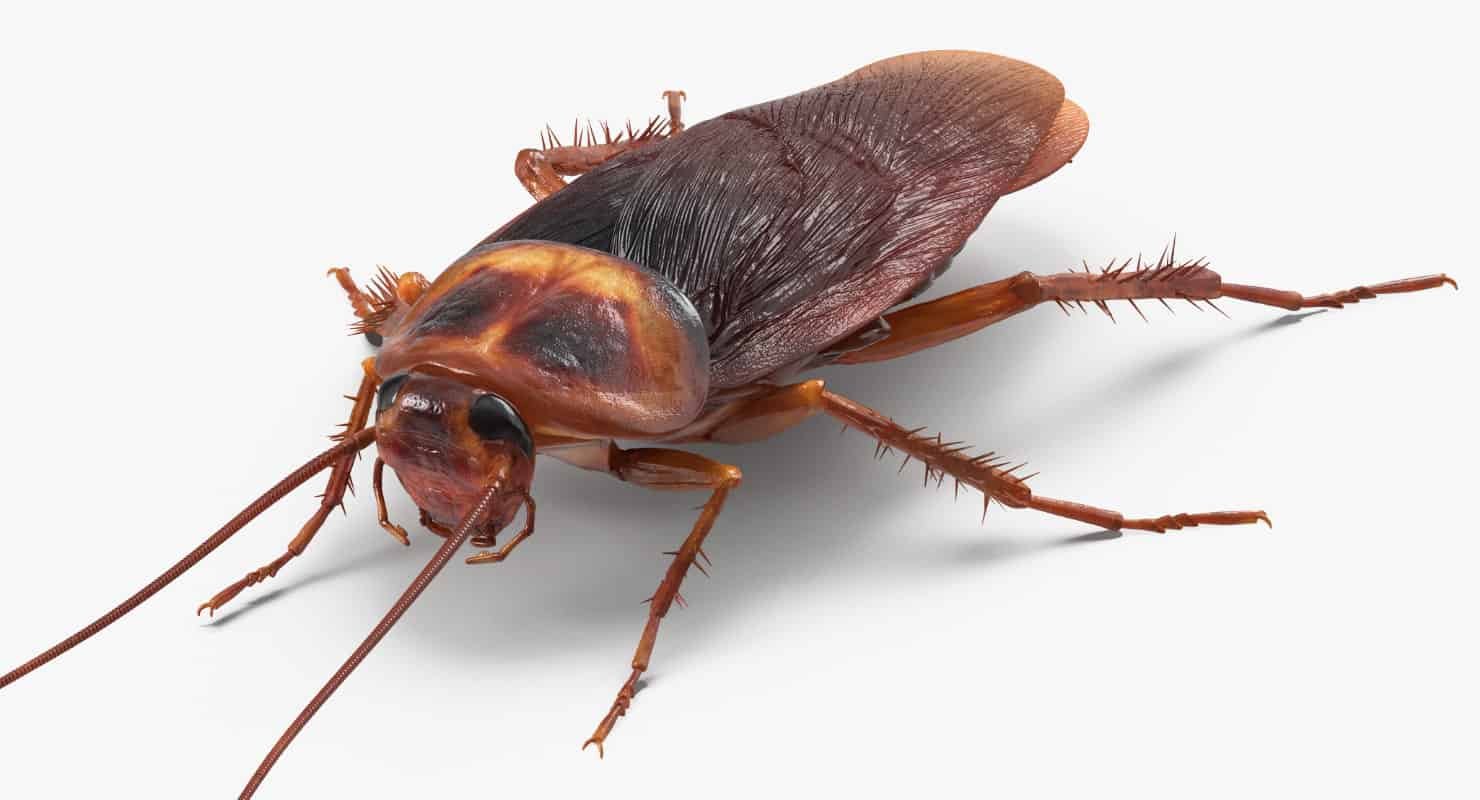
Cockroaches are a plumbing and moisture problem as much as a pest problem. German cockroaches, the small tan ones that show up behind refrigerators and under sinks, breed fast in warm, humid spots near water and food. In older buildings and basements, especially in cooler UK and Canadian climates, you're more likely dealing with the larger, darker Oriental cockroach, which favors drains and crawl spaces. In the southern US and parts of Australia, American cockroaches (the big ones people call palmetto bugs or water bugs) come in through sewer lines and foundation gaps looking for moisture. Each species hides differently, so treatment starts with figuring out which one you actually have and where its harborage is, not just spraying wherever you saw one run.
As your pest controller, our approach leans on baiting and exclusion rather than broadcast spraying, because roaches that die back in a wall void don't come back through your baseboards two weeks later. We use targeted gel baits and diatomaceous earth in the voids and cracks where roaches actually live, seal the gaps around pipes and cabinets they're using to travel, and address the moisture sources, leaky pipes, condensation, standing water under appliances, that keep drawing them back. If they resurface before the job is done, we return and treat again at no extra cost. That's the guarantee: not gone means we're not finished.
Our Approach
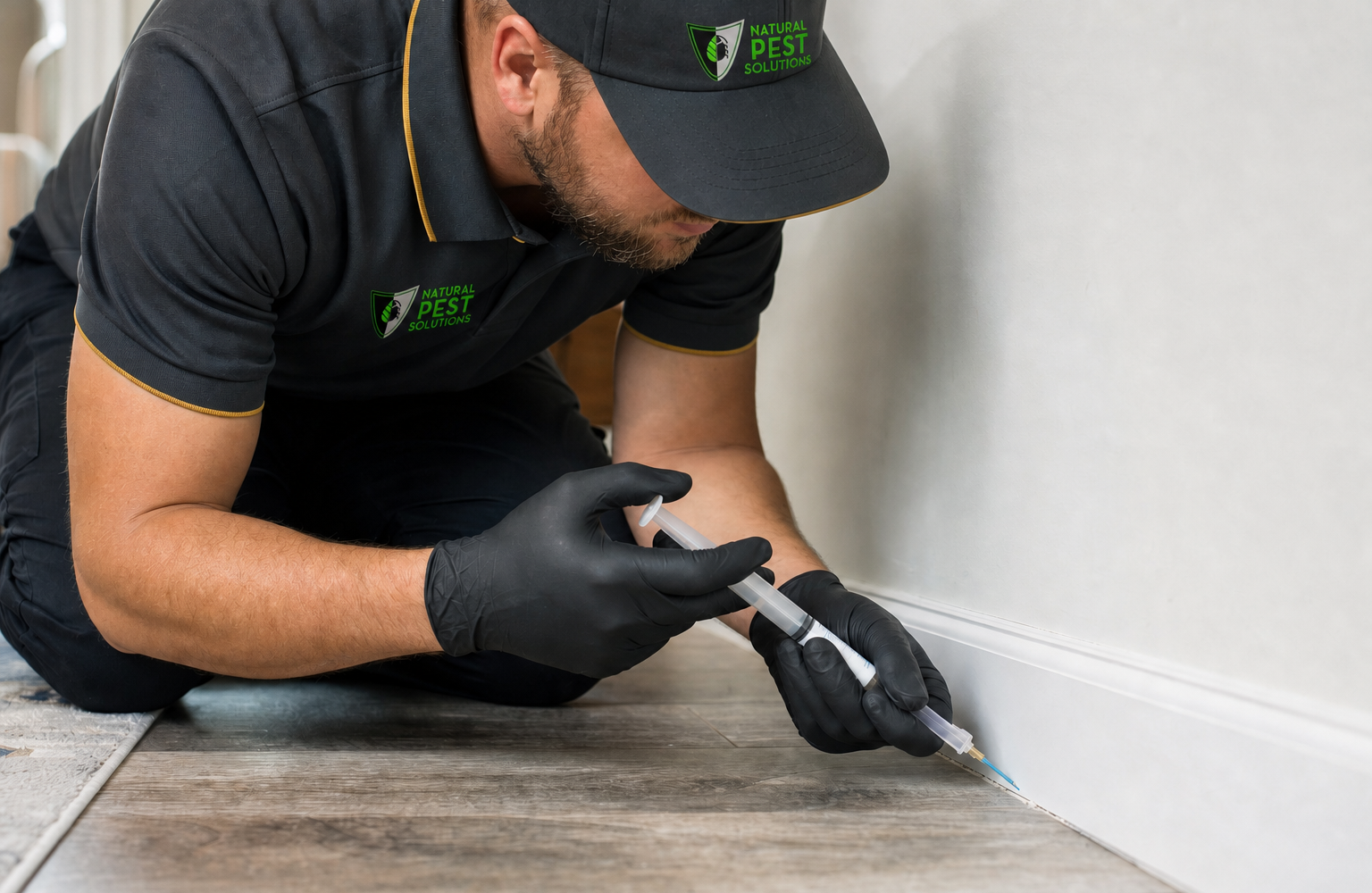
As your exterminator, we start by locating the actual harborage, not just the areas where you've spotted activity, checking behind and under appliances, inside cabinet voids, around water heaters, and along plumbing penetrations where roaches travel between units in apartments and duplexes. From there we place targeted baits and natural treatments like diatomaceous earth directly into those hiding spots, so the colony picks it up at the source instead of us spraying visible surfaces where roaches rarely linger anyway. We seal the gaps and utility penetrations they're using to move between walls and rooms, and flag moisture issues, a slow leak under the sink, condensation on a pipe, that will keep drawing roaches back no matter how thorough the first treatment is. Because German cockroach egg casings can take weeks to hatch, we schedule a follow-up to catch anything that emerges after the initial visit, and if activity continues past that, we come back and treat again at no charge until it's resolved. If you're not sure which species you're dealing with, a targeted inspection identifies it before treatment starts.
Satisfaction Guaranteed
If it's not gone, we come back — free.
Safe & Humane
Natural methods, safe around kids and pets.
No Contracts
Stay because it works — not because you're locked in.
The Details
Treatment Options & Products We Use
Treatment Options
Inspection starts with sticky monitor traps placed in cabinets, under appliances, and along baseboards for a night or two before treatment begins, which gives an actual population count and hot-spot map rather than relying on where roaches happened to be seen. Nighttime flashlight checks behind the refrigerator, dishwasher, and water heater confirm harborage locations that monitors alone can miss.
- Crack-and-crevice injection places gel bait and residual dust directly into cabinet voids, motor housings on appliances, and wall penetrations rather than open counters or floors.
- Void treatment with fine dust formulations coats wall cavities and voids behind outlets so roaches moving through pick up a lethal dose without any visible residue.
- Insect growth regulators (IGRs) are added to the plan for German cockroach jobs specifically, since they interrupt the molting cycle of nymphs hatching from egg cases laid before treatment.
- In apartment and multi-unit buildings, treatment is coordinated across adjoining units sharing plumbing chases or utility penetrations, since treating one unit while roaches travel freely from the next rarely holds.
A light, single-kitchen German cockroach case often resolves in two visits; buildings with American or Oriental cockroach activity tied to drains, crawl spaces, or exterior harborage typically need a broader first treatment plus a scheduled recheck, since egg cases protected inside a void can outlast the first visit entirely.
Products & Methods We Use
- Gel baits formulated for cockroach species, placed in cracks and voids rather than exposed surfaces
- Insect growth regulators (IGRs) to disrupt nymph development from surviving egg cases
- Diatomaceous earth and other fine dust formulations for wall voids and inaccessible cavities
- Sticky monitor traps for pre-treatment population assessment and post-treatment progress tracking
- Botanical/pyrethrin-based contact sprays for limited spot treatment where needed
- Sealants and exclusion materials for utility penetrations, pipe chases, and cabinet gaps
- Moisture assessment tools to flag leaks and condensation sources contributing to harborage
Categories are matched to the species confirmed at inspection, since German, American, and Oriental cockroaches concentrate in different areas of a property and respond best to different placement strategies.
What Customers Say
Real reviews from our Google Business Profile.
“I am really pleased with the guys at Natural Pest Solutions, they got rid of my rodent problem quickly and those mice have not been back. I highly recommend these guys, they are the best pest control company around.”
Shawn Kern — Google review
View on Google →“I really am impressed with the great customer service and how quickly they came to help me with my rodent problem. After doing a pest inspection they found that the problem was much worse than I expected, but the guys at Natural Pest Solutions came to my rescue and got rid of all these nasty pests in my home.”
Phillip Pond — Google review
View on Google →“Natural Pest Solutions just finished a job at my house. They explained everything in detail and answered every question. On time, professional, and neatly attired. Highly recommended!”
William Morgan — Google review
View on Google →Questions
Frequently Asked About Cockroach Control
How much does cockroach treatment cost?
Cost depends on the species, how widespread the infestation is, and how much of the property is affected — a single kitchen with German cockroaches is a smaller job than a multi-unit building with roaches traveling between apartments through shared plumbing. A typical single-property treatment runs in the low-to-mid hundreds of dollars, with follow-up visits sometimes included since German cockroach egg cases can take weeks to hatch.
Is cockroach treatment safe for kids and pets?
Yes — we use targeted gel baits and diatomaceous earth placed directly into cracks, voids, and harborage spots rather than spraying open surfaces like countertops and floors. That means minimal exposed residue in the areas kids and pets actually use, unlike a broadcast spray that coats an entire kitchen.
Will store-bought roach traps and sprays actually work?
They can knock down a small, early population, but they rarely reach the harborage itself — behind appliances, inside cabinet voids, around water heaters — where the bulk of the colony lives. Spraying visible roaches often just scatters them deeper into wall voids instead of eliminating the source, and it does nothing about moisture issues like a slow leak that keep drawing them back.
How long does it take to get rid of cockroaches, and how long until they're gone for good?
You'll usually see a noticeable drop in activity within a few days as roaches pick up bait and bring it back to the colony, but because German cockroach eggs can take two to three weeks to hatch, a follow-up visit is scheduled to catch anything that emerges after the first treatment. Full resolution typically takes two to four weeks depending on how established the population was.
How can I tell if I have a cockroach problem and not just seen one stray bug?
One roach at night isn't nothing, but the real evidence is what's left behind: droppings that look like coffee grounds or black pepper flecks along baseboards, small brown egg casings tucked near the fridge or dishwasher, or a persistent musty smell in a cabinet that won't air out. If you flip on the kitchen light and see several roaches scatter toward counter edges, that's a population, not a one-off.
What's the difference between German cockroaches and American cockroaches?
German cockroaches are small, tan, and breed fast in warm, humid indoor spots like behind refrigerators and under sinks — they're the ones most commonly found in kitchens. American cockroaches, sometimes called palmetto bugs or water bugs, are larger and darker, and typically come in from outside through sewer lines and foundation gaps chasing moisture. Treatment for each targets different harborage, which is why identifying the species matters first.
Learn More
Trusted resources on this topic
Guidance from health and regulatory bodies. In Canada, see Health Canada.
- EPA: Integrated Pest Management ↗How IPM prevents pests with the least risk to people.
- EPA: Controlling Pests ↗U.S. guidance on choosing and using pest control safely.
- Health Canada: Pesticides and Pest Management ↗Canadian guidance on pest control products.
Keep exploring
Related pest control services
Areas we serve
- Pest control in Calgary
- Pest control in Chandler
- Pest control in Chilliwack
- Pest control in DC Ranch
- Pest control in Edmonton
- Pest control in Fountain Hills
- Pest control in Gainesville
- Pest control in Gainey Ranch
- Pest control in Gilbert
- Pest control in Kamloops
- Pest control in Kelowna
- Pest control in Langley
- Every location we serve
Ready to deal with it, for good?
Talk to a real expert — no pressure, no toxic chemicals, no contract required.
Recognized by the organizations that set the standard