
Bed bugs were nearly wiped out across much of North America, the UK, and Australia by the mid-twentieth century, largely thanks to pesticides that are no longer in use. Since the late 1990s, though, cases have climbed steadily, and hotels, apartment buildings, and family homes across all four countries we serve have seen them return. A few specific shifts explain why.
Travel moves bed bugs efficiently
Bed bugs don’t fly or jump, but they’re excellent hitchhikers. A short stay in an infested hotel room, a ride on public transit, or a night in a rented apartment can be enough for a bed bug to end up in a suitcase seam or coat pocket. International and domestic travel volumes have grown substantially over the past two decades, and every trip is a chance for bed bugs to relocate to a new building.
Business travel and short-term rentals add another layer to this. A property that turns over guests every few days, rather than housing the same family for years, gives bed bugs far more chances to arrive undetected than a private home ever would. That’s part of why hospitality properties treat bed bug prevention as an ongoing operational task rather than a one-time fix.
How to actually check a hotel room
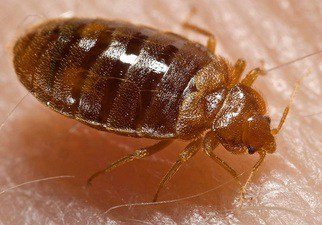
A thorough check takes about two minutes and is worth doing before you unpack, not after you’ve already noticed a bite. Pull back the fitted sheet and check the mattress seams, piping, and tags, particularly the corners, for small rust-colored spots, translucent shed skins, or the bugs themselves, which are roughly the size and shape of an apple seed when fully grown. Check behind the headboard if it’s removable or has a gap from the wall, and look along the seams of any upholstered furniture nearby. Keep luggage on a hard surface like a luggage rack or the bathroom tile rather than the floor or bed until you’ve finished checking, since those are the two most common places bed bugs first make contact with a traveler’s belongings.
Secondhand furniture and shared living
Couches, mattresses, and upholstered chairs picked up secondhand, whether from a curb, a thrift store, or a marketplace listing, are one of the most common ways bed bugs enter a home that never traveled anywhere. Shared laundry facilities and multi-unit buildings also let bed bugs move between apartments through wall voids and shared plumbing lines.
In apartment buildings specifically, bed bugs can spread between units even when neighbors never share furniture or visit each other, moving along shared pipes, through wall outlets, or across a shared hallway carpet. This is why a single unit’s infestation in a multi-unit building is genuinely a building-wide risk, and why property managers who treat only the unit that reported a problem, rather than inspecting adjacent units too, often see the infestation resurface within a few months from a neighboring apartment they never checked.
Resistance to older pesticides
Some bed bug populations have developed resistance to pyrethroid pesticides, the class of chemical that was widely used against them for years. That resistance means treatments that worked reliably a decade ago can fail to fully eliminate an infestation today, which is part of why heat treatment and targeted, layered approaches have become more common in professional pest control.
How heat treatment actually works
Whole-room heat treatment raises the air temperature in an affected space to a level that’s lethal to bed bugs at every life stage, including eggs, which are notably harder to kill with chemical treatment alone. Specialized heaters and fans circulate hot air throughout the room for several hours, monitored with temperature sensors placed in multiple spots, including inside furniture and mattresses, to confirm the lethal temperature is actually reached everywhere bed bugs could be hiding, not just in the open air. The appeal of heat is that it doesn’t rely on resistance-prone chemistry and reaches into cracks and seams that a spray might miss, though it does require temporarily removing anything heat-sensitive, like electronics, candles, or certain plastics, from the room beforehand.
Why they’re so hard to catch early
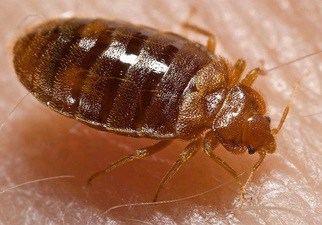
Bed bugs are mostly nocturnal and feed while people sleep, which means the person being bitten rarely sees the insect responsible. Bites also don’t always cause a reaction right away, some people don’t notice a bite pattern for days or ever develop a visible reaction at all, which lets a small population go unnoticed for weeks. By the time bites, shed skins, or small dark spotting on a mattress seam get noticed, bed bugs have often already spread beyond the one piece of furniture where they started.
What actually helps at home
- Inspect secondhand furniture closely along seams and welting before bringing it inside
- Use a protective, zippered cover on mattresses and box springs, which also makes early detection easier
- Check hotel mattress seams and headboards during travel, and keep luggage off the floor and bed
- Wash and dry travel clothing on high heat promptly after a trip
- Reduce clutter near beds, since bed bugs hide in small gaps close to where people sleep
What not to do
Don’t try to freeze bed bugs out with a few cold nights or a household freezer, they need sustained temperatures well below what most home freezers reliably hold to actually die, and a partial cold treatment often just slows them down. Don’t move furniture from an infested room into another room “just in case it’s not that bad,” it almost guarantees the problem spreads. And don’t rely on a single spray can from a hardware store to finish the job, bed bugs hide too deep in seams, outlets, and baseboards for surface spray to reach the whole population.
The bites aren’t a reliable diagnosis on their own
Bed bug bites often show up in a line or small cluster, but reactions vary enormously from person to person. Some people welt up within hours, others show nothing visible for days, and some never react at all despite being bitten repeatedly. That variability is part of why bites alone shouldn’t be treated as confirmation. Looking for the physical evidence, tiny rust-colored spotting on mattress seams, translucent shed skins, a faint sweet odor in a heavily infested room, gives a far more reliable picture than the bites themselves.
It’s also worth knowing that bed bug bites are frequently confused with other causes, mosquito bites, flea bites, or even a mild allergic skin reaction unrelated to any insect at all. A pattern of bites in a straight line or small cluster on skin that was exposed while sleeping is a stronger indicator than a single isolated bite, but confirming an actual infestation still comes down to finding physical evidence in the sleeping area rather than relying on the bite pattern alone.
How this shows up differently across the countries we serve
Bed bug pressure isn’t identical everywhere. Dense, older housing stock in parts of the UK, with shared walls and older heating systems, gives bed bugs more opportunity to move between units than newer detached housing common in parts of the US and Australia. Hotel and short-term rental turnover drives a lot of the reintroduction risk in tourist-heavy regions on every continent we work in, which is why hospitality properties in particular need an ongoing inspection routine rather than a one-time treatment.
The financial argument for acting fast
A single-room bed bug treatment is a fundamentally smaller job than a whole-apartment one, and the difference in scope tracks almost directly with how long the population has had to spread. Waiting a few extra weeks to “see if it gets worse” rarely saves money, it usually just moves the eventual job from one room to several, and from furniture that can be treated in place to furniture that may need to be discarded entirely.
What to expect from a professional treatment timeline
A single confirmed room, treated promptly, is often resolved in one to two visits over a couple of weeks, with a follow-up inspection to confirm no activity remains, since even a thorough first treatment can miss a few eggs that hatch afterward. A multi-room or whole-apartment infestation, particularly one that’s gone unnoticed for a month or more, typically needs a more involved plan combining heat or chemical treatment with encasements on mattresses and box springs, and can take four to six weeks from first treatment to full clearance. Being upfront with a technician about how long you’ve noticed activity and how many rooms are affected helps set a realistic timeline from the first visit rather than a rough guess.
Why early action matters
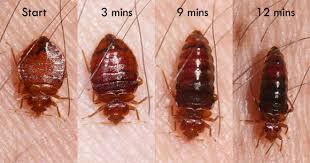
Bed bugs reproduce quickly, and a small pocket near one bed can spread to other rooms within weeks if left alone. DIY sprays often push bed bugs deeper into wall voids and furniture rather than eliminating them, which makes the problem harder to treat later. Natural Pest Solutions treats bed bugs with a plan built around where they’re actually hiding, not just where they’ve been spotted, and we stand behind the work: if bed bugs are still active after treatment, we return and keep at it at no additional cost.