If your parents had a pest control contract, it probably meant a pest professional showing up on a set schedule to spray a perimeter band around the house, whether or not anything was actually happening. That model is fading, and not because companies got lazy. A few real shifts pushed the industry toward a different approach.
Regulations tightened, and for good reason
Several broad-spectrum pesticides that were standard twenty years ago are now restricted or banned outright in the US, Canada, the UK, and Australia, often because of what they did to pollinators, waterways, or indoor air quality. That regulatory pressure pushed the whole industry toward integrated pest management: identify the actual pest, figure out why it’s there, and treat the specific problem instead of blanketing everything with the same chemical.
The practical effect is that a pest controller’s first visit looks different than it did a generation ago. Less time spent walking a perimeter with a sprayer, more time spent actually inspecting: checking moisture levels, looking for entry points, identifying which species is actually present before deciding on a method.
Pests built resistance to old standbys
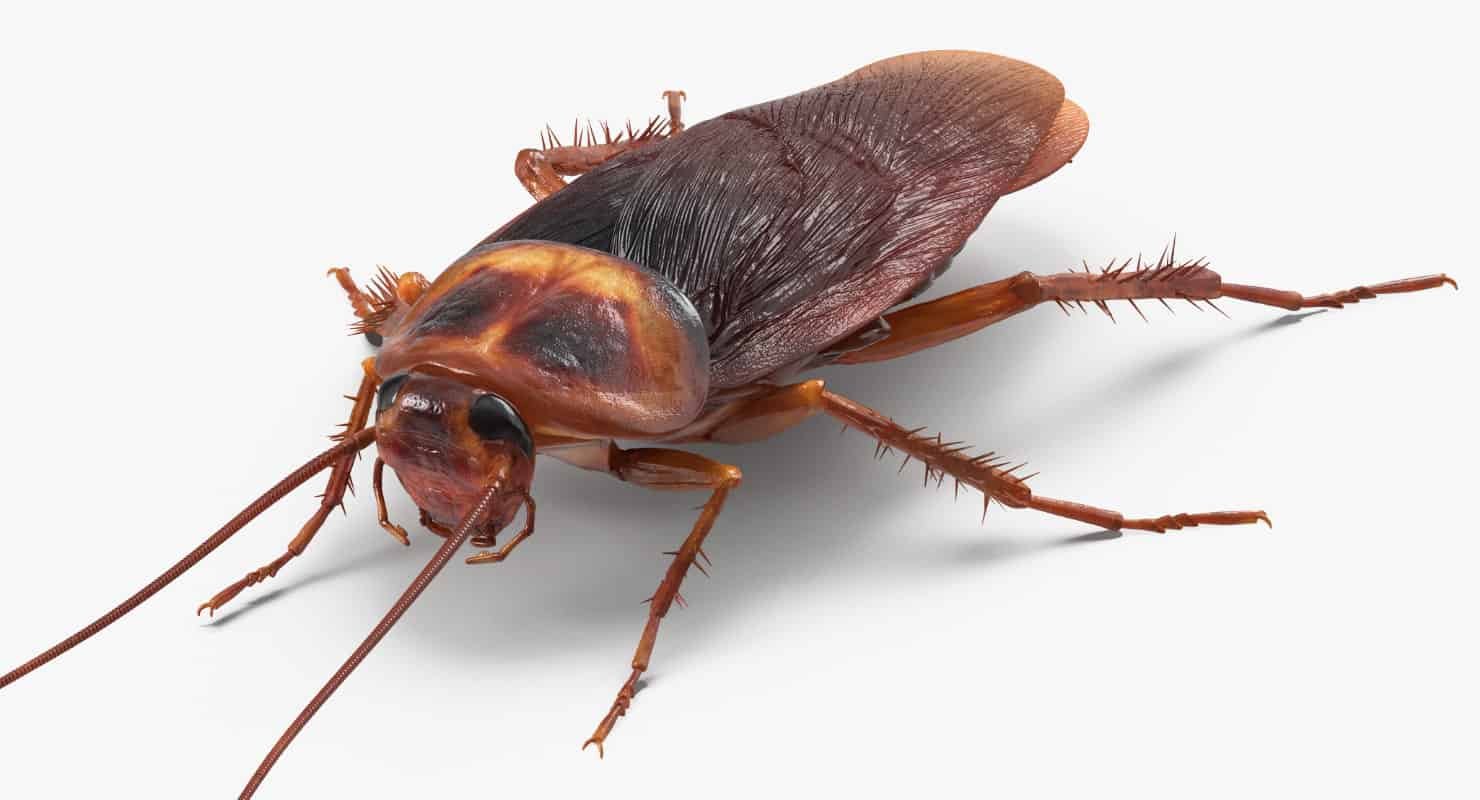
Cockroaches and bed bugs in particular have developed resistance to several older pyrethroid formulations after decades of overuse. Products that worked reliably in the 1990s now barely slow some populations down. That’s part of why modern treatment plans rotate methods and rely more on baiting, growth regulators, and exclusion work rather than repeat-spraying the same product.
Rotating between product classes with different modes of action is now standard practice specifically to slow resistance from building up again, using the same active ingredient repeatedly gives a population more chances to develop tolerance to it, the same way overusing a single antibiotic breeds resistant bacteria. A technician switching between a growth regulator one visit and a different bait chemistry the next isn’t being inconsistent, it’s a deliberate strategy to keep any single pest population from adapting.
New tools changed what an inspection looks like
Thermal imaging cameras can spot temperature differences in a wall that hint at a termite colony or a rodent nest well before any visible damage shows up, and moisture meters catch the damp wood conditions that draw both wood-destroying insects and mold long before a homeowner would notice a soft spot by hand. Digital monitoring stations for rodents and termites can log activity electronically instead of relying on a technician physically checking each station on a fixed schedule, which means less guesswork about whether a station’s been visited between appointments. None of this replaces the basic legwork of a good inspection, checking crawlspaces, tracing trails, examining frass, but it does mean a modern inspection can catch things a purely visual walkthrough would miss, and catch them earlier in the process.
People are home more, and noticing more
Remote and hybrid work changed how often people are actually in their houses during daylight hours, which means more people notice carpenter ants in a windowsill or a mouse dropping behind the pantry that would have gone unseen a decade ago. Demand shifted from “spray everything quarterly” toward “come tell me what this actually is.”
Seasons stretched
Warmer winters across much of the US, the UK, and southern Canada mean fewer hard freezes to knock back insect populations, so pests that used to disappear by November are showing up into December in a lot of regions, and starting earlier in spring. Treatment calendars built around old seasonal patterns don’t match reality as well as they used to. Some regions that historically had one clear pest season, warm months only, are trending toward something closer to year-round low-level pressure, with quieter winters rather than genuinely dormant ones.
The products themselves got more targeted
Insect growth regulators are one of the bigger quiet shifts in the toolkit: rather than killing insects outright, they interrupt molting and reproduction, which slowly collapses a population instead of just killing the individuals present on the day of treatment. Gel baits let a technician place small, targeted amounts of product exactly where pests travel, behind an outlet cover, along a baseboard crack, rather than treating an entire room, which cuts down on both the amount of product used and the chance of it contacting anything it shouldn’t. Botanically derived active ingredients, drawn from plants like chrysanthemum, have also become more common as an option alongside synthetic products, giving pest management companies more choices for households that want to minimize synthetic chemical use around kids and pets without giving up effectiveness.
Consumer expectations shifted too
Homeowners have more access to information than they did fifteen years ago, and that changes conversations with a pest control contractor. People show up already having looked up what carpenter ant frass looks like or what a bed bug bite pattern tends to look like, and they expect a straight answer about what’s actually happening rather than a generic sales pitch. Companies that lean into that, explaining the diagnosis and the reasoning rather than just the price, tend to build more trust and repeat business than the old spray-and-leave model ever did.
What this means for you
- A good technician diagnoses before treating, rather than defaulting to a standard spray
- Natural and low-toxicity products are the starting point, not the fallback
- Contracts that lock you in for years are becoming less common because companies are more confident their work holds up without one
- Monitoring and follow-up matter more than a single visit
- Follow-up visits are built into the plan rather than treated as an extra charge
- You should get a clear explanation of which pest you have and why, not just a treatment date
What to ask a company before you hire one
Ask what method they’re actually using and why, not just what pest they’re treating for. Ask whether the visit includes an inspection or just a treatment. And ask what happens if the pest is still active afterward, a company confident in its own work usually has a clear answer to that question rather than a vague one.
How this plays out differently by country
The regulatory pressure driving this shift hasn’t moved at the same speed everywhere. The EU and UK moved earlier and more aggressively on restricting certain pesticide classes, which pushed integrated pest management into standard practice there sooner than in parts of the US, where adoption has been more gradual and varies by state. Australia’s approach has been shaped heavily by its own set of invasive and native pest pressures, which means some products and methods common in North America simply aren’t used the same way there. A company operating across multiple countries has to stay current on more than one regulatory picture at once, which is part of why the “spray everything the same way” approach doesn’t hold up as well as it used to.
What hasn’t changed
Some things about pest control are the same as they’ve always been. Prevention still beats treatment. A sealed, dry, decluttered home is still harder for pests to colonize than one that isn’t, no matter how advanced the treatment methods behind it get. The industry’s tools have gotten more precise, but the basic physics of what attracts a pest to a structure in the first place hasn’t changed at all.
What to expect on a first visit today
A modern first visit usually starts with questions before it starts with product: where activity’s been seen, how long it’s been going on, whether anything’s changed recently around the house, a new leak, a renovation, a neighbor’s yard work. That inspection phase takes longer than it used to, but it means the actual treatment that follows is aimed at the real problem instead of a general guess. It’s a trade worth making, a slightly longer first appointment in exchange for a plan that’s actually built around your house rather than a template.
Common questions
Does this shift mean pest control got more expensive? Not necessarily. A single visit with a real inspection can cost more upfront than an old-style quarterly spray, but because treatment is targeted at the actual cause, it often resolves problems in fewer visits overall, which can even out or lower the total cost over a year.
Is quarterly spraying gone completely? No, some situations, particularly ongoing prevention in high-pressure climates, still use scheduled perimeter treatments as part of a broader plan. The difference is that it’s now typically one part of a diagnosed plan rather than the entire strategy on its own.
How do I know if a company is actually using modern methods or just calling old methods something new? Ask specifically what inspection steps happen before treatment starts, and ask what happens if the first treatment doesn’t fully resolve the problem. A company still relying on blanket spraying tends to have vague answers to both questions, while one using a diagnosed approach can usually walk you through their reasoning.
We built our approach around this shift on purpose. We don’t ask for a long-term contract because the goal is for the treatment to work, not to lock you into paying whether it does or not. If it’s not gone, we come back and fix it. Reach us at 1-844-783-4821.