California
Pest Control Orangevale, CA
Orangevale's oak and citrus canopy, irrigated yards and nearness to the American River Parkway shape its pest picture: roof rats, ants, Turkestan cockroaches and termites. We use natural pest control options, with no contract required.
Natural, guaranteed pest control — free no-obligation quotes, no contract, safe around kids and pets.
Common Pests in Orangevale
What we treat most often around Orangevale, California
Orangevale's older neighborhoods, especially those backing up to the American River Parkway, sit under enough oak and citrus canopy that roof rats and ground squirrels show up on our service calls more often than they do in newer, flatter subdivisions toward Citrus Heights. Argentine and odorous house ants are the steadiest complaint, pushing indoors with the first fall rain and again in mid-summer, once lawns dry out and sprinkler valve boxes become the only reliable water left in the yard. Those same valve boxes and irrigation meter enclosures are favorite hiding spots for Turkestan cockroaches, which have become common across the Sacramento Valley.
Clay soil and heavy landscape irrigation also make western subterranean termites a concern, usually swarming after a warm rain in late winter or spring. Black widow spiders turn up in woodpiles, garages and block-wall voids, and mosquitoes breed readily near still water along the river corridor, which is why the local mosquito and vector control district stays busy through the warm months.

How We Fix It
Pest control services in Orangevale
Rodent Control
Mice and rat control that finds the entry points, not just the symptoms — trapping and exclusion that actually keeps rodents out, guaranteed.
Learn more →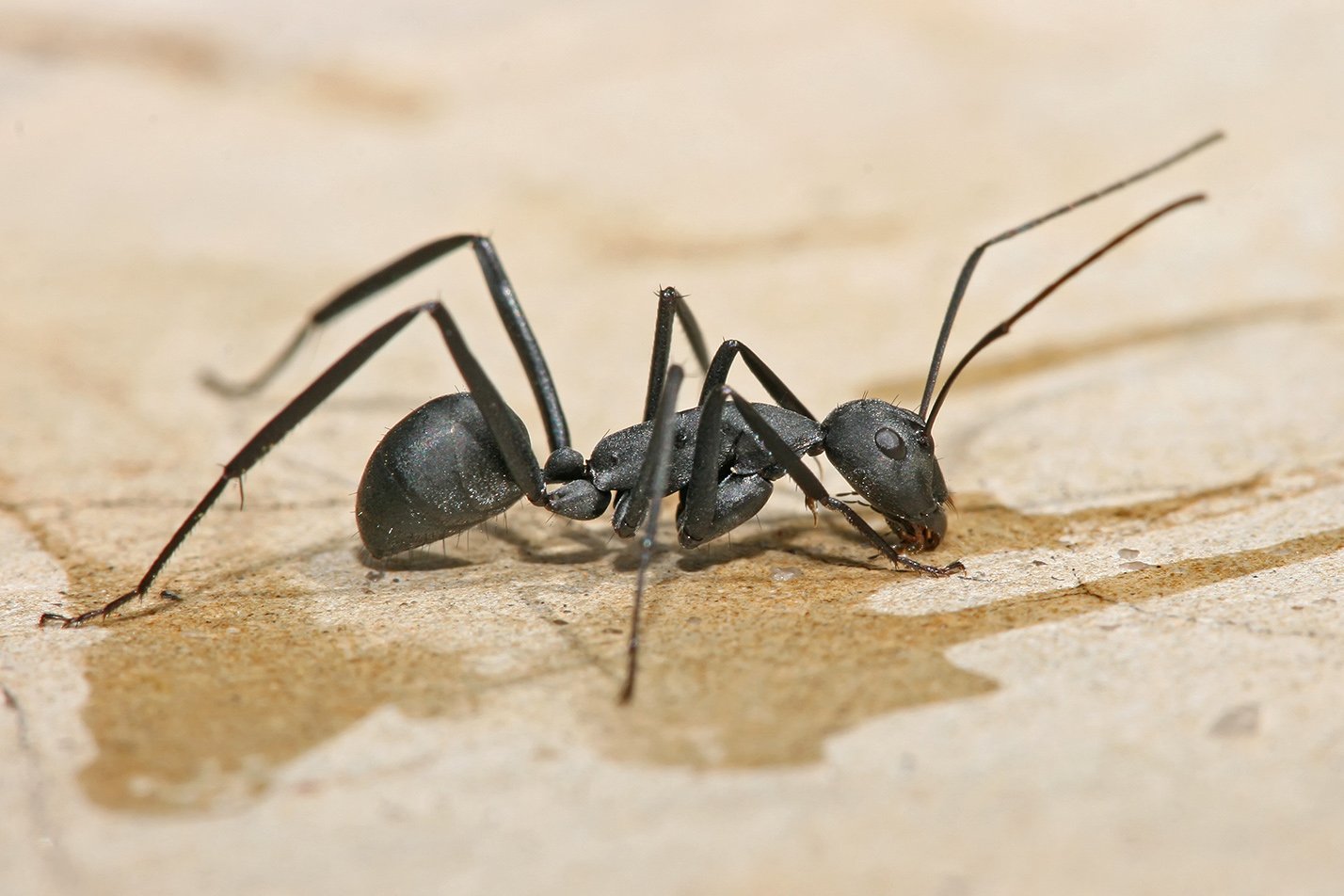
Ant Treatment
A trail of ants across your kitchen counter is a scouting report, not the whole problem. We find the colony behind it and treat…
Learn more →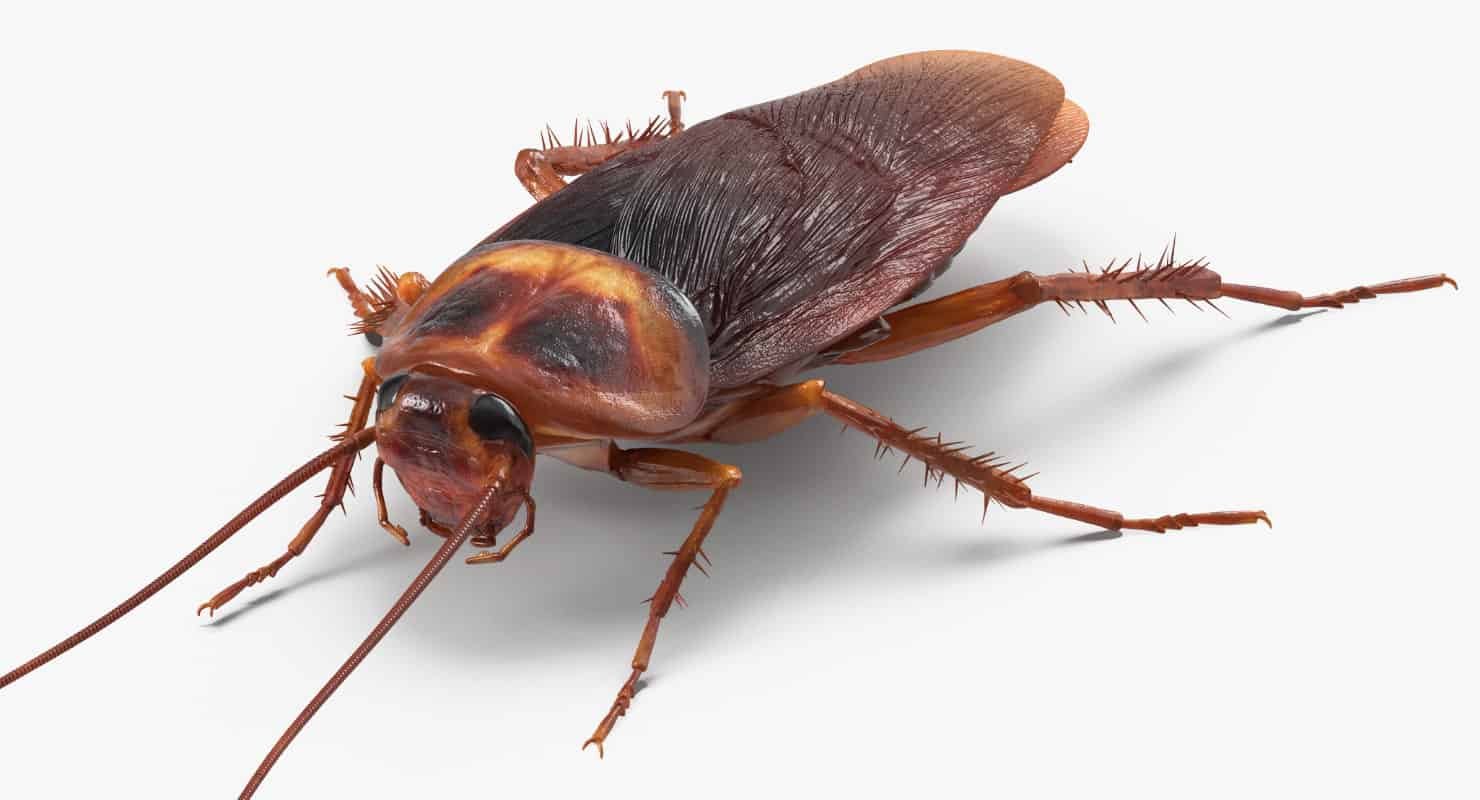
Cockroach Control
Cockroaches don't need much to move in: a damp corner, a crumb trail, and a gap the width of a coin. We find where…
Learn more →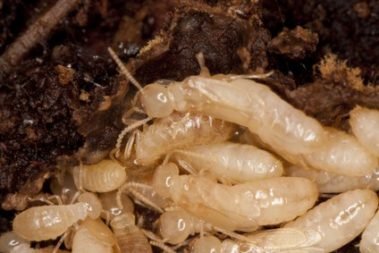
Termite Control
Subterranean and drywood termite treatment that protects your home's structure — natural-first, guaranteed, and safe for the people and pets who live there.
Learn more →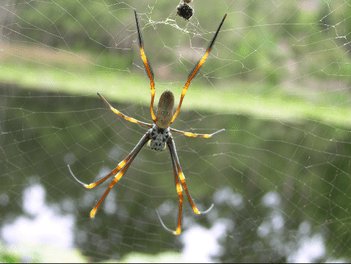
Spider Control
Spiders move in wherever the food supply and hiding spots are, so a few webs in the garage rarely stay a few for long.…
Learn more →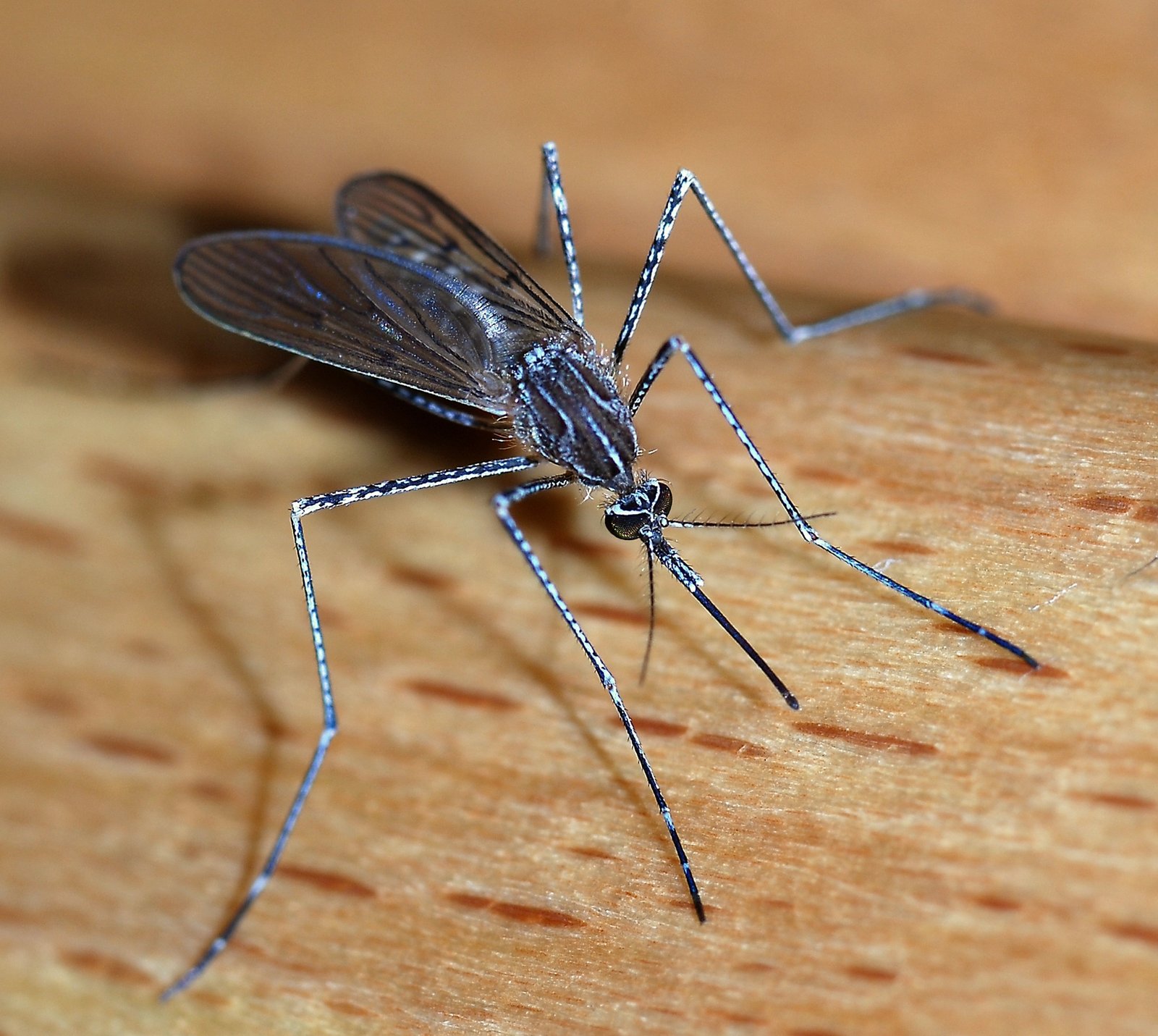
Mosquito Control
Mosquitoes only need a bottle cap of standing water to breed, so the fix isn't just spraying the yard, it's finding where they're coming…
Learn more →Neighborhoods We Serve
Neighborhoods We Serve Across Orangevale
Orangevale is an unincorporated community in Sacramento County, and its character changes as you move from the American River side of town toward the Folsom Lake side.
Main Avenue Area
The older part of Orangevale sits around Main Avenue, where original ranch-era lots carry mature oak and citrus canopy. That canopy gives roof rats and ground squirrels far more cover than the newer construction closer to Citrus Heights.
American River Parkway Side
Toward the American River Parkway, homes back directly onto riparian woodland. That closeness to the river corridor is the biggest driver of the rodent and mosquito calls we get in this part of Orangevale.
North of Greenback Lane
North of Greenback Lane, the neighborhoods trend newer and drier, with tighter irrigation and less tree cover. That shifts the pest mix away from rodents and toward ants and Turkestan cockroaches working sprinkler valve boxes.
Western Edge: Citrus Heights and Fair Oaks
Toward the western edge, Orangevale blends into Citrus Heights and Fair Oaks along Sunrise Boulevard. Lot sizes and tree cover vary block by block, so some properties have oak-canopy rodent pressure while others follow the ant-and-cockroach pattern of the drier subdivisions.
Folsom Lake Side
Toward the Folsom Lake side, on the north and east of Orangevale, many properties still sit on larger, semi-rural parcels. Horse properties, chicken coops and outbuildings give roof rats, mice and ground squirrels far more harborage than a standard suburban yard.
Wikipedia ↗Wikidata ↗
Getting around
Getting Around Orangevale
Hazel Avenue is one of Orangevale's main north-south routes, running down toward the American River. Greenback Lane is the primary east-west corridor, connecting Orangevale to Citrus Heights on the west and Folsom on the east. Madison Avenue runs east-west a bit further south, and Main Avenue and Filbert Avenue thread through the older residential core.
Sunrise Boulevard marks the western edge along the Citrus Heights and Fair Oaks border, and from there Highway 50 is the usual route for residents heading into Sacramento or east toward the mountains. These streets are the reference points we use to talk through where a property sits and what tends to be happening around it.
Local landmarks
Local Landmarks and What They Tell Us About Pest Pressure
American River Parkway
The ribbon of riverside woodland and trail along Orangevale's southern side is the community's defining geographic feature and its biggest pest driver. Its mature oaks, cottonwoods and brush give roof rats, ground squirrels and mosquitoes far more habitat than a typical Sacramento suburb offers.
Wikipedia ↗Wikidata ↗Folsom Lake and Lake Natoma
Folsom Lake and Lake Natoma, to the east and northeast, add more standing and slow-moving water to the mix. That is part of why mosquito control matters in this corridor through the warmer months.
Main Avenue Area
The Main Avenue area, on some of the community's older lots, is a good marker for what older construction means for pests. It has more of the foundation gaps and expansion joints that let ants and cockroaches into a house in the first place.
Local knowledge
Property Age and How Pests Get In
Orangevale's building stock ranges from older ranch-era homes near Main Avenue to tract construction from the 1970s and 1980s further north, and the age difference shows up directly in what we find. Older homes near the river tend to have original foundation vents, aging weatherstripping and decades-old expansion joints that widen over time, all of which give roof rats, ground squirrels and ants easy access. Tract housing built further from the Parkway is generally tighter at the foundation, but slab construction on clay soil brings its own issue. As the clay expands and contracts with the seasons, small cracks open along the slab edge that are exactly what western subterranean termites and ants are built to exploit. Either way, the crawl space or slab perimeter and the sprinkler valve boxes scattered through the yard are where we start looking first, however old the house is.
Local knowledge
Seasonal Pest Patterns Tied to Orangevale's Geography
Orangevale's clay soil and heavy landscape irrigation set the pattern for most of what we treat here. Western subterranean termites, rather than drywood, are the main worry in this part of the Sacramento Valley, and they typically swarm after a warm rain between late winter and spring. Property owners near the Parkway, with older trees and higher soil moisture, tend to see it first.
Argentine and odorous house ants push indoors twice a year, once with the first cool, wet weather in fall and again in early-to-mid summer, once lawns dry out and a sprinkler valve box becomes the only reliable water left in the yard. That is also when Turkestan cockroaches show up in those same valve boxes and meter enclosures. Mosquitoes are a warm-season problem tied to the river corridor and the still water it leaves behind after spring runoff, so properties near the Parkway see noticeably more pressure than those further north. Black widow spiders turn up in woodpiles, garages and block-wall voids year-round, with more activity in the cooler months when they look for shelter. Roof rats and ground squirrels stay active close to the river all year but push harder into homes in fall, when natural food along the Parkway thins out and a house with citrus or dense landscaping starts to look like a better option.
Local knowledge
Rural Edges and Larger Lots
Part of what makes Orangevale different from a typical Sacramento County suburb is how many properties still sit on larger, semi-rural parcels, especially on the north and east sides toward the Folsom Lake side of the community. Horse properties, chicken coops and outbuildings are common here in a way they are not in denser subdivisions, and that combination of livestock feed, water troughs and outbuildings with gaps at the foundation gives roof rats, mice and ground squirrels far more harborage than a standard suburban yard offers. Woodpiles and unused sheds on these larger lots are also where our pest professionals find most of Orangevale's black widow activity, since the spiders favor undisturbed, cluttered space.
Even on smaller, more conventional lots, mature landscaping left over from the community's ranch-era roots, such as citrus trees, dense hedges and decorative woodpiles, recreates some of that same harborage on a smaller scale. That is part of why ant, rodent and spider pressure here tends to run a notch higher than in newer, more manicured subdivisions a few miles west.
The semi-rural character also means more wildlife-adjacent calls than in denser parts of the county: skunks and opossums denning under sheds, raccoons working outdoor pet food or koi ponds, and squirrels finding their way into attic vents on older homes with less-maintained rooflines. None of that is unique to Orangevale, but river-corridor habitat plus larger, tree-covered lots means it comes up in our service calls more often here.
Local knowledge
Getting a Plan That Fits Your Property
Because a canopy-covered lot by the Parkway and a drier tract home up north face such different pests, we start with a look at your specific yard, foundation and irrigation setup before recommending anything. Pricing depends on the property and the pests involved, and a free no-obligation quote comes first. Our natural pest control options use non-toxic, low-impact products that are safe around kids and pets, and the work is backed by our satisfaction guarantee.
Nearby
Also serving towns near Orangevale
- Pest control in Citrus Heights4 mi
- Pest control in Folsom5 mi
- Pest control in Rancho Cordova7 mi
- Pest control in Roseville8 mi
- Pest control in Rocklin9 mi
- Pest control in Loomis9 mi
- Pest control in Lincoln14 mi
- Pest control in Sacramento15 mi
- Pest control in Auburn17 mi
- Pest control in West Sacramento19 mi
- Pest control in Elk Grove20 mi
- Pest control in Placerville23 mi
Why It Works
Guaranteed, not just promised.
Satisfaction Guaranteed
If it's not gone, we come back — free.
Safe & Humane
Natural methods, safe around kids and pets.
No Contracts
Stay because it works — not because you're locked in.
Find Us
Serving Orangevale, California
What Customers Say
Real reviews from our Google Business Profile.
“I really am impressed with the great customer service and how quickly they came to help me with my rodent problem. After doing a pest inspection they found that the problem was much worse than I expected, but the guys at Natural Pest Solutions came to my rescue and got rid of all these nasty pests in my home.”
Phillip Pond — Google review
View on Google →“Natural Pest Solutions just finished a job at my house. They explained everything in detail and answered every question. On time, professional, and neatly attired. Highly recommended!”
William Morgan — Google review
View on Google →“Great company to deal with. They were courteous and they kept their appointment time to deal with my pest control problem. And they gave me a report of things I could do myself to help keep the pests away.”
Marlon Meginbir — Google review
View on Google →Questions
What People in Orangevale Ask Us
How much does pest control cost in Orangevale?
It depends on your lot's canopy cover, the size of the home and which pests are active. Roof rat and ant work on an oak-shaded property near the Parkway involves different steps than a drier lot up north. We start with a free no-obligation quote so you know the scope before anything is scheduled.
Are roof rats common in Orangevale?
Yes, especially in older neighborhoods backing onto the American River Parkway, where oak and citrus canopy gives roof rats and ground squirrels cover and easy roof access. Fall tends to be the push-in season, when food along the river thins out and homes with dense landscaping look appealing.
How quickly can you get to my Orangevale home?
We schedule you as quickly as we can once you request a free no-obligation quote. Ant and cockroach calls tend to jump after the first rain of fall, and we work through the queue in order, so reaching out early in a seasonal rush helps.
Are your treatments safe around kids and pets in Orangevale yards?
We use non-toxic, low-impact products and focus on the areas pests actually use, like valve boxes, foundation edges and woodpiles. Many Orangevale families have dogs, chickens or horses on larger lots, so we walk through where animals roam and plan around it.
Do I need termite treatment in Orangevale?
It is worth having checked. Clay soil and heavy irrigation favor western subterranean termites, which often swarm after a warm rain in late winter or spring. Slab-edge cracks and wood touching soil are the usual entry points, so a look at the perimeter tells us a lot.
Are Turkestan cockroaches a problem in Orangevale?
They can be. Turkestan cockroaches have become common across the Sacramento Valley and like the damp, shaded space inside irrigation valve boxes and meter enclosures, which nearly every Orangevale yard has. Treating those spots and reducing standing moisture usually matters more than spraying indoors.
What wildlife-related pests show up on larger Orangevale lots?
Horse properties, coops and sheds attract mice, roof rats and ground squirrels, and woodpiles hold black widows. Skunks and opossums may den under outbuildings. Sealing foundation gaps and tidying feed storage does a lot to reduce the pressure.
Keep exploring
More from Natural Pest Solutions
- All pest control services
- Pest encyclopedia: identify what you are seeing
- All of our locations
- Customer reviews
- Pest control tips from our blog
- Contact us for a free no-obligation quote
About the area
Orangevale
Wikipedia ↗Wikidata ↗California
Wikipedia ↗Wikidata ↗
Learn More
Trusted resources for Orangevale homeowners
Public-health, regulator and university guidance on safe pest control.
- UC Statewide IPM Program ↗University of California pest management guidance for homes.
- EPA: Controlling Pests ↗U.S. guidance on choosing and using pest control safely.
- National Pesticide Information Center ↗Pest-by-pest fact sheets from Oregon State University and the EPA.
Ready to stop worrying about pests in Orangevale?
Talk to a real expert — no pressure, no toxic chemicals, no contract required.
Recognized by the organizations that set the standard