
Most pest problems don’t start with a dramatic invasion. They start small, a gap under a door, a bit of spilled cereal behind the pantry, a downspout that drains too close to the foundation, and build over weeks or months into something you notice all at once. The good news is that the fixes are usually just as small.
Around the Outside of the House
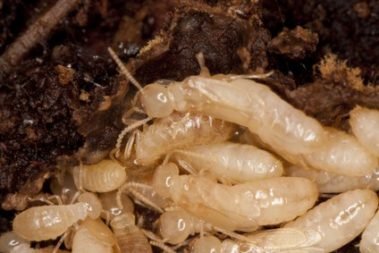
- Keep firewood at least 20 feet from the house and off the ground. Stacked wood against a foundation is one of the most common ways termites and carpenter ants find their way in.
- Check weep holes in brick veneer. These small gaps let moisture escape but can also let in wasps and mice if they’re not screened.
- Trim vegetation back from the siding. Branches and shrubs touching the house give pests a bridge straight to your roofline.
- Fix standing water. A downspout that empties too close to the foundation, or a low spot in the yard that holds water after rain, is exactly what mosquitoes need to breed.
- Check exterior lighting. Bright white bulbs near doors and windows draw far more flying insects than warmer-toned or yellow bulbs, and fewer bugs at the door means fewer spiders following the food supply inside.
- Pull mulch back a few inches from the foundation. Thick mulch beds piled directly against siding hold moisture against the house and give termites and ants a shaded, damp travel route straight up to the wall. A gravel strip or bare soil buffer a few inches wide breaks that path without ruining the landscaping.
- Look at the chimney and roofline. A missing chimney cap is one of the most common ways squirrels, birds, and raccoons get into an attic, and it’s an easy fix compared to the damage an animal can do once it’s nesting up there.
Doors, Windows, and the Garage
The garage is one of the most overlooked entry points in the whole house. Most garage doors seal reasonably well when new, but the rubber sweep along the bottom compresses and cracks within a few years, especially in homes that see wide temperature swings. Running a hand along the base of a closed garage door on a sunny afternoon will usually tell you everything you need to know, daylight visible underneath means mice and insects have a clear path in. Replacing a worn sweep is a low-cost fix that most homeowners can do themselves in under an hour.
Door thresholds and window screens deserve the same attention. A door sweep that’s worn down or a threshold that’s settled and left a gap underneath is an easy fix with a replacement strip from a hardware store. Torn window screens don’t just let in flies and mosquitoes, a screen with a hole big enough to fit a pencil through is big enough for most household pests to use as an entrance, particularly during the weeks in spring and fall when homeowners tend to leave windows cracked open.
Around the Inside of the House
Store Food in Sealed Containers
Cardboard and thin plastic bags aren’t a real barrier for pantry pests like Indian meal moths or for rodents. Glass or hard plastic containers with tight lids remove the incentive almost entirely. This goes for pet food too, which is one of the most commonly overlooked food sources in a garage or mudroom.
Birdseed and other bulk items stored in a garage or shed deserve the same treatment. A 20-pound bag of birdseed left in its original packaging is one of the most reliable ways to attract mice over a winter, and once rodents find a steady food source in a garage, they don’t stay contained to that one room for long. Moving bulk pet food, birdseed, and grass seed into sealed bins is a small step that closes off a food source many homeowners never think to check.
Fix the Small Leaks
A dripping pipe under the sink or a slow leak around a window doesn’t just waste water, it creates the exact moisture pests like silverfish, cockroaches, and carpenter ants are drawn to. Fixing these early does more pest prevention than most sprays. A running toilet or a slow drain that leaves standing water in a basin overnight fall into the same category and are worth checking during the same pass.
Crawl spaces and basements are worth a specific mention here, since they’re checked far less often than kitchens and bathrooms. A dehumidifier keeping relative humidity below roughly 50 percent makes a crawl space or basement far less hospitable to the moisture-loving pests, silverfish, sowbugs, and certain roach species, that thrive in damp, low-traffic areas. If you notice a musty smell or condensation on pipes down there, that’s usually the first sign conditions have drifted into pest-friendly territory before you’d notice anything else.
Seal Gaps Around Utility Lines
Wherever a pipe, cable, or vent passes through an exterior wall, there’s usually a gap that was never fully sealed. Steel wool and caulk, or an expanding foam rated for pest exclusion, closes these off effectively. Dryer vents deserve special attention here, since the flap that’s supposed to keep pests out often gets stuck open with lint buildup, turning what should be a sealed exit into an open door.
Why Small Habits Beat Big Reactions
A single can of spray applied after you’ve already spotted activity treats the symptom, not the cause. The habits above work because they remove what a pest actually needs, food, water, and a way in, rather than just killing whatever’s visible at the moment. That’s also why these small fixes tend to hold up over time in a way that a one-off treatment doesn’t; there’s nothing left to draw the next pest in once the first one is gone.
Seasonal Habits Worth Building
- Check window and door screens each spring for tears before the weather turns warm.
- Clean gutters twice a year so they’re not holding standing water or organic debris.
- Inspect the attic once a year for signs of rodent entry, especially before winter when mice look for shelter.
- Walk the yard after any major storm to check for new debris piles or pooled water that wasn’t there before.
- Replace worn weatherstripping and door sweeps in early fall, before cooler weather sends rodents and insects looking for a way indoors.
What Not to Rely On
Ultrasonic pest repellent plug-ins have limited evidence behind them for most common household pests, and ants or rodents that have already found a food source tend to habituate to them within days. Bug zappers near a patio kill plenty of harmless insects but do little to reduce mosquito bites specifically, since mosquitoes aren’t strongly drawn to the light in the first place. Neither is a substitute for removing the actual food, water, and entry points a pest is using.
Common Mistakes That Undo Good Prevention Habits
Even homeowners who are doing most of this right tend to trip on a few recurring mistakes. Sealing an entry point without finding out what was using it is one of the most common, if mice were already inside when a gap gets closed, they’ll either chew a new opening nearby or end up trapped inside the wall. It’s worth a quick check for droppings or gnaw marks near a gap before sealing it permanently.
Over-relying on caulk in spots that need something sturdier is another. Caulk works well for small gaps around pipes and cables, but larger openings, especially anything a mouse could fit through, need hardware cloth, steel wool, or a metal patch underneath, since rodents can chew through caulk and even some foam products within days. And treating an ant trail with a spray the moment it’s spotted, rather than following it back to the source, tends to just scatter the colony rather than eliminate it, which is a large part of why DIY ant treatment so often turns into a repeating problem.
Quick answers to common questions
Do these habits work on their own, or do I still need treatment? For most homes without an existing infestation, these habits meaningfully reduce pest pressure on their own. If you already have an active problem, they’re what keeps it from coming back after treatment, not a substitute for the treatment itself. How long before I notice a difference? Exclusion work, sealing gaps, shows results almost immediately since you’re closing off entry points that pests were actively using. Sanitation and moisture control take a bit longer, usually a few weeks, since it takes time for an existing population drawn in by those conditions to move on or die off.
How much of this can I realistically do myself? Most of what’s covered here, sealing gaps, fixing leaks, adjusting food storage, clearing debris, is well within reach for most homeowners with basic tools and a free afternoon. Where it makes sense to bring in a pest management company is when you can’t find the source of an existing problem, when an entry point is somewhere hard to reach safely like a roofline or high soffit vent, or when droppings, gnaw marks, or damage suggest pests are already established inside a wall or attic rather than just testing the perimeter.
Building These In Without It Becoming a Chore
None of this needs to happen all at once. Picking one or two of these to tackle each season keeps the workload manageable and catches most issues before they turn into an infestation. If you’d rather have a pest professional walk the property and flag what needs attention, call 1-844-783-4821 and we’ll go through it with you.