
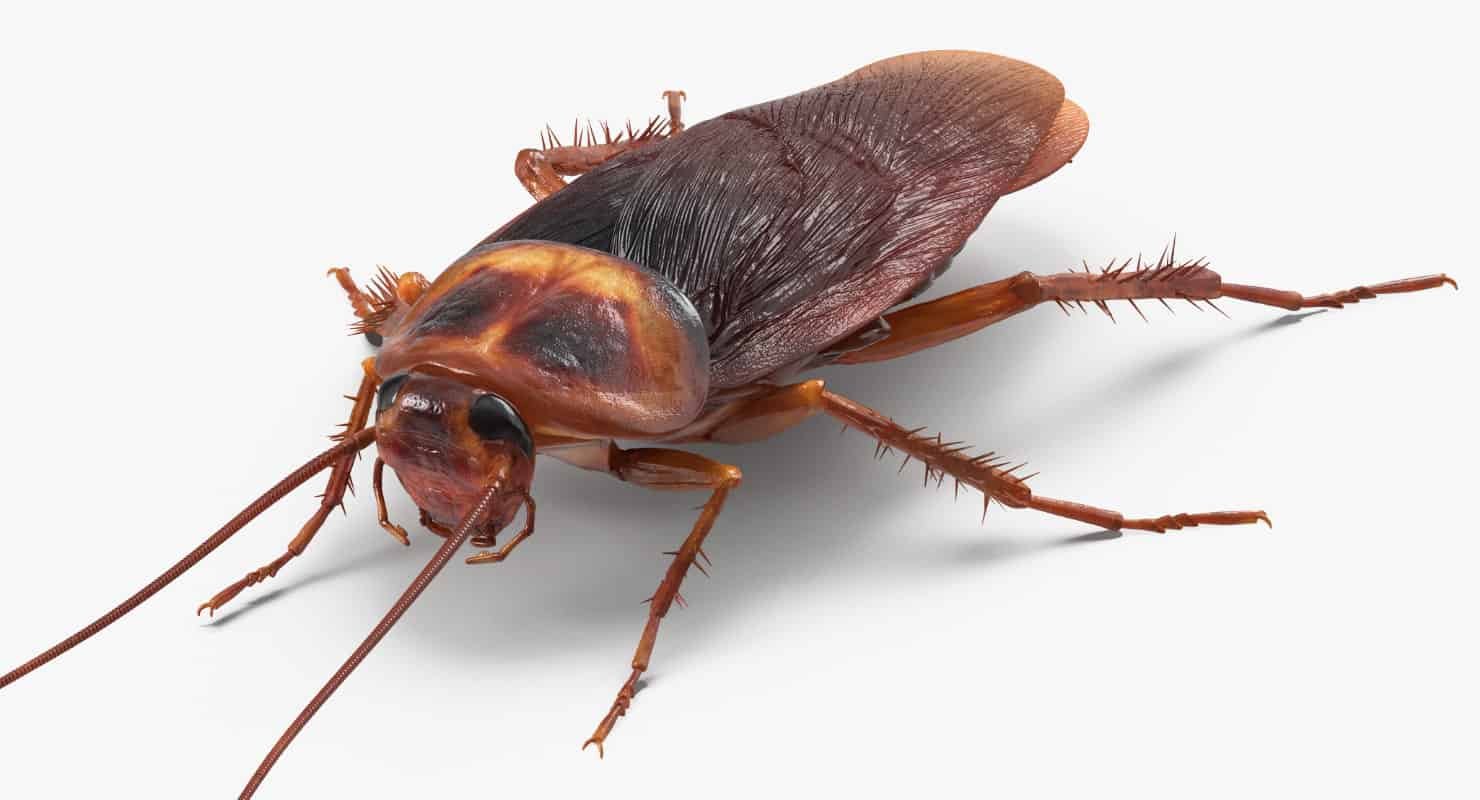
Cockroaches get talked about mostly in terms of how unpleasant they are to see, but the more important issue is what they leave behind. Roaches pick up bacteria as they move through drains, garbage, and sewer lines, and they carry it directly onto kitchen counters, food packaging, and dishware.
What Cockroaches Actually Carry
Research has linked cockroaches to the transmission of bacteria including salmonella and E. coli, both picked up from decaying matter and spread wherever the roach travels next. They don’t need to bite anyone to cause a problem. Simply walking across a countertop after coming out of a drain is enough to transfer bacteria to a surface where food gets prepared. Because roaches are most active at night, this contamination often happens on counters, dishes, and utensils that look perfectly clean by morning, with nothing visible left behind to signal a problem.
Allergens and Asthma
This is the risk that gets less attention but affects more people day to day. Cockroach droppings, shed skin, and saliva all contain proteins that are well documented allergens. In homes with an active infestation, these particles accumulate in dust and become airborne, which is a significant and often underrecognized trigger for asthma, particularly in children. Studies of urban housing have repeatedly found a strong link between cockroach allergen levels and childhood asthma severity. Unlike a sudden allergic reaction, this exposure builds gradually, which means a household can be dealing with a worsening asthma trigger for months before anyone connects it back to a roach problem rather than dust or pet dander.
The proteins responsible for this reaction, particularly Bla g 1 and Bla g 2 in German cockroaches, stay allergenic in house dust for months after the insects producing them are gone, which is why allergy symptoms in a household can persist well past the point where roach sightings stop. Indoor air quality guidance lists cockroach allergen exposure as one of the triggers worth investigating in homes with a child who has frequent asthma flare-ups, right alongside dust mites and pet dander. Allergen levels tend to run highest in older multi-family housing and in homes with gaps around baseboards, cabinets, and plumbing penetrations, since those same openings that shelter roaches also let allergen-carrying dust move more freely through the air.
Which Species You’re Dealing With Matters
- German cockroaches are the ones most commonly found in kitchens and bathrooms, drawn to warmth and moisture near appliances. They reproduce quickly, and a small population can become a large one within a couple of months.
- American cockroaches are larger and tend to come up through drains, sewer connections, and basements, especially in older buildings with aging plumbing.
- Oriental cockroaches prefer damp, cooler spaces like crawl spaces and basements and are often a sign of a moisture issue nearby.
Identification matters for treatment because each species nests, feeds, and hides differently. A bait strategy built around German cockroach behavior, for instance, generally won’t be as effective against American cockroaches coming up through a floor drain, since the two species are drawn to very different locations and food sources within the same house.
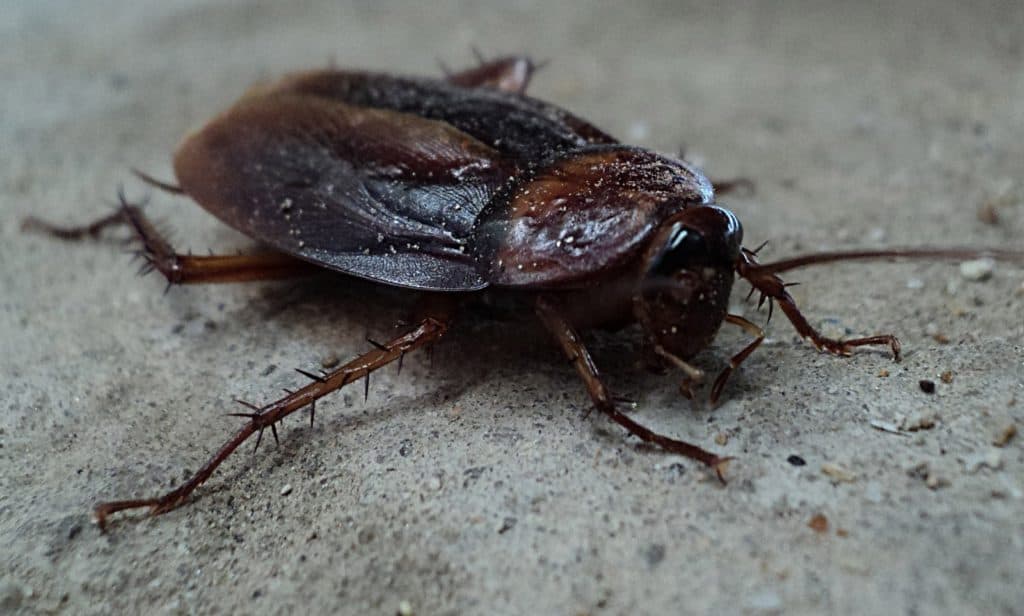
Part of why German cockroaches (Blattella germanica) rebound so quickly after an incomplete treatment comes down to reproduction speed: a female can produce a new egg case roughly every three to four weeks in a warm kitchen, and each case holds 30 to 40 developing roaches, compared to the roughly 10 to 16 per case for American cockroaches. That difference in reproductive output is one reason German cockroach populations can go from a handful of sightings to a full infestation in a matter of weeks, while American cockroach populations tend to build more gradually.
Why Roach Infestations Are Hard to Self-Treat
Cockroaches are resilient and reproduce fast, and they’re skilled at finding shelter in places that are hard to reach, behind appliances, inside wall voids, under sinks. Over-the-counter sprays often kill visible roaches without touching the egg cases or the roaches hiding deeper in the structure, which is why infestations tend to bounce back within weeks of a DIY treatment. Egg cases, called oothecae, are particularly resistant to surface sprays and can hold ten or more developing roaches that hatch well after a visible population appears cleared.
What Actually Helps in the Meantime
- Fix leaking pipes and dripping faucets, since roaches need a consistent water source.
- Store food, including pet food, in sealed containers.
- Take out garbage regularly and keep bins away from direct contact with the house.
- Clean up grease buildup around stoves, which roaches are strongly attracted to.
What Not to Do
Bug bombs and foggers rarely reach roaches hiding deep in wall voids or behind large appliances, and the fumes can actually push roaches further into the structure rather than eliminating them. Mixing store-bought sprays with bait products can also work against you, since some sprays repel roaches away from bait stations they’d otherwise walk into. And cleaning up visible roaches without addressing the moisture or food source that drew them in usually just means the same problem returns within a month or two.
What Getting Rid of Roaches Actually Costs and How Long It Takes
Pricing varies by region, the size of the home, and how far the infestation has spread, but a single-visit roach treatment from a pest management company typically runs somewhere in the range of $100 to $300, while a full treatment plan with a follow-up visit, needed to catch anything that hatched after the first application, often falls between $300 and $600 total. Severe infestations, especially in older multi-unit buildings, can run higher and may require monthly maintenance visits for several months before the population is fully under control.
Timeline matters as much as cost. Most homeowners see a sharp drop in visible roaches within the first week after professional treatment, but the egg case cycle means it typically takes four to six weeks, and sometimes two full visits, before the population is genuinely eliminated rather than just knocked back. Stopping treatment or cleanup early, right when things look better, is one of the most common reasons infestations return within a season.
Why This Matters More in Some Climates
Warm, humid climates keep cockroach populations active and reproducing year-round rather than slowing down in winter, which is part of why the issue tends to be more persistent across the southern US, coastal Australia, and similarly humid regions. In cooler climates across Canada and the UK, indoor heating during colder months can still keep a home warm and inviting enough for roaches to stay active indoors even when outdoor populations die back, so the problem doesn’t fully disappear with the season.
When Roaches Point to a Bigger Building Problem
In apartments, condos, and other attached housing, a roach problem is rarely isolated to a single unit. Roaches travel through shared plumbing chases, wall voids, and electrical conduits that run between units, which means treating one apartment while a neighboring unit stays untreated often just pushes the population back and forth rather than eliminating it. If you live in multi-family housing and keep seeing roaches despite doing everything right, food sealed, leaks fixed, garbage managed, it’s worth asking whether the building has a coordinated pest management plan, since individual tenant treatment alone usually isn’t enough to solve a building-wide infestation.
The same logic applies to duplexes and townhomes with shared walls, and even in detached single-family homes, a heavy population moving in from an adjacent structure, a garage, shed, or neighboring property, can undo treatment if the source next door isn’t addressed at the same time.
Frequently Asked Questions
If I only see one or two roaches, is that a real infestation? Not necessarily, but it’s worth watching closely. Roaches are naturally reclusive, so seeing even a couple during the day, when they’re normally hiding, often means the population is larger than what’s visible.
How long does treatment from a pest control company usually take to fully resolve an infestation? Because of the egg case issue, a single visit often isn’t enough. Most effective treatment plans include a follow-up visit a few weeks later to catch anything that hatched after the first treatment.
Can cockroach allergens still affect my family after the roaches are gone? Yes, for a while. Shed skin, droppings, and dead roach bodies keep producing allergens until they’re thoroughly cleaned up, so vacuuming, washing bedding, and wiping down surfaces after treatment is as important as the treatment itself for anyone in the household with asthma or allergies.
Do store-brand roach baits work at all, or do I need a professional-grade product? Over-the-counter gel baits can knock back a small population, but they tend to use lower concentrations of active ingredient than professional products, and roaches in some areas have developed resistance to the most common consumer bait ingredients. If baits stop attracting roaches after a few weeks despite fresh placement, that’s often a sign of bait aversion or resistance rather than a fully solved problem.
Is it normal to still see a few roaches for a week or two after professional treatment? Yes. Baits and growth regulators work over days, not instantly, and roaches that were exposed to bait often die in hiding spots rather than out in the open. A brief uptick in sightings right after treatment, as disturbed roaches move around the structure, is common and not necessarily a sign the treatment failed.
If you’re seeing roaches during the day, that’s usually a sign the population has grown large enough that they’re being pushed out of overcrowded hiding spots, not a sign of a minor problem. Call 1-844-783-4821 and a pest professional will find out how far it’s spread and get it handled.