Delta sits on the Fraser River delta for a reason, and that low, damp landscape shapes which pests show up in local homes. Between the farmland to the south, the marshy edges near Boundary Bay, and the mix of older and newer housing stock across Ladner, Tsawwassen, and North Delta, pest pressure here looks a little different than it does further inland.
Pests That Show Up Often in Delta
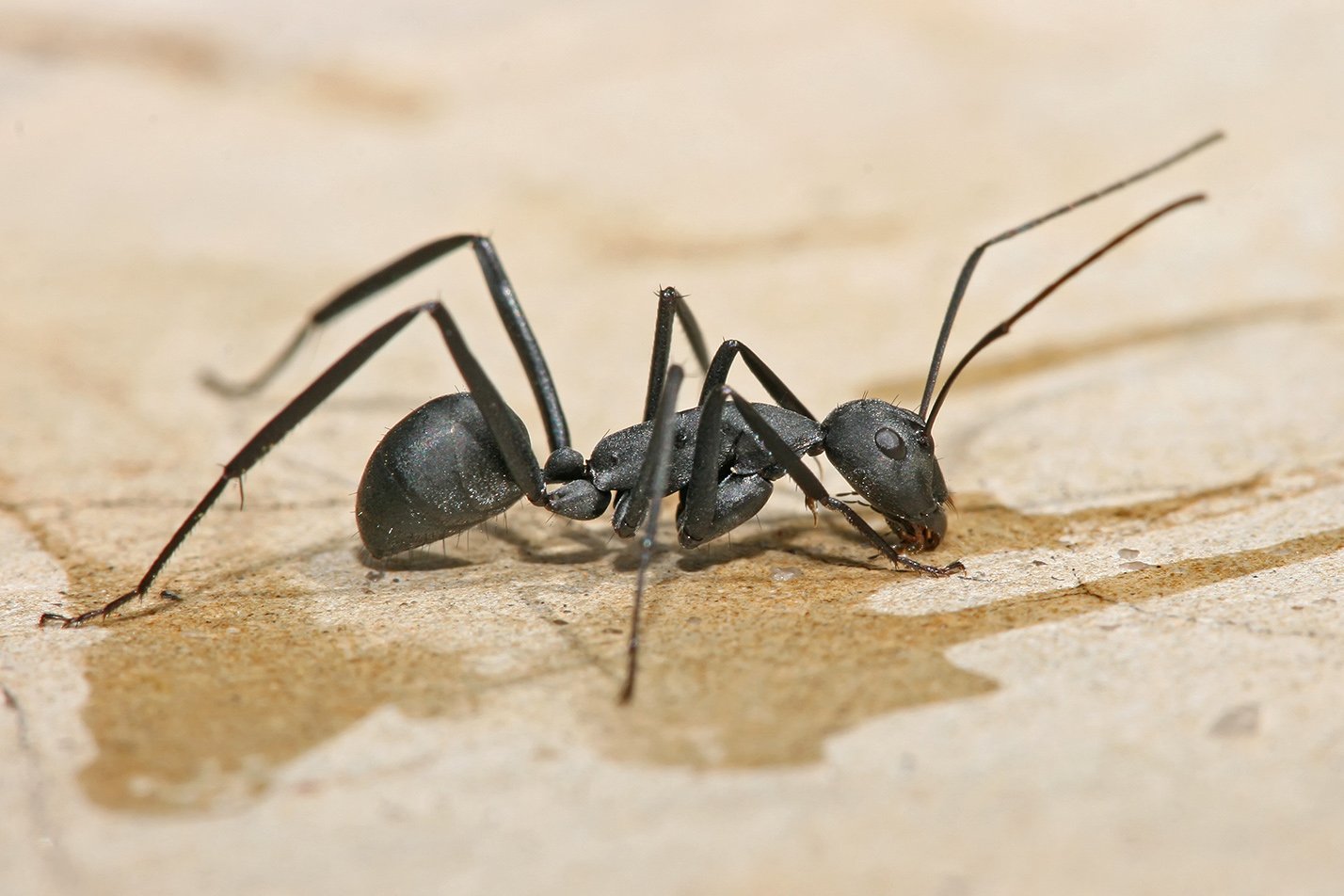
- Carpenter ants thrive in the damp wood common to homes near the water table, especially in crawl spaces and around leaky gutters.
- Rats and mice move in from surrounding agricultural land, particularly as fields get harvested in the fall and rodents look for a new food source.
- Wasps build nests in eaves and sheds through the summer, taking advantage of the mild coastal temperatures.
- Moisture-loving pests like silverfish and sowbugs turn up in basements and crawl spaces where drainage isn’t ideal.
- Spiders are common in older Ladner homes with unsealed crawl spaces, though most local species are harmless and more of a nuisance than a real concern.
- Earwigs and other damp-loving occasional invaders turn up in mulched garden beds and under stepping stones, especially after a wet spring, and often wander indoors through unsealed door thresholds.
How Delta’s Geography Shapes the Timing
The seasonal rhythm here tracks the surrounding land as much as the weather. Spring rain keeps soil moisture high, which is exactly the condition carpenter ants and subterranean pests favor, and it’s a common time to see winged ants or termite swarmers near foundations. Summer’s mild, dry stretch is prime wasp season, with nests building steadily in eaves, sheds, and dense hedging through July and August. Fall harvest on the surrounding farmland pushes rodents toward residential areas looking for shelter and food as fields are cleared, which is consistently the busiest season locally for rodent calls. Winter’s damp, mild conditions mean moisture pests like silverfish and sowbugs stay active in crawl spaces year-round rather than dying back the way they might in a colder inland climate.
Why the water table makes crawl spaces different here
A lot of Delta sits close to sea level, and that proximity to the water table means crawl space moisture is less about any one leak and more about the ground itself staying damp for long stretches of the year. Homes without a proper vapor barrier over exposed soil in the crawl space tend to run consistently humid, which is exactly the environment carpenter ants, silverfish, and sowbugs prefer. It’s worth asking a pest management company whether they check for a vapor barrier as part of an inspection, since recommending an ant treatment without addressing the underlying moisture is treating a symptom rather than the cause.

What to Actually Ask a Pest Control Company
Anyone can put “pest control” on a truck. The difference shows up in how a company handles the details.
Do they explain the why, not just the what?
A pest professional who can tell you why carpenter ants keep coming back to the same corner of your crawl space, usually a moisture source, is worth more than one who just sprays and leaves. Understanding the cause is what stops the problem from repeating season after season.
What’s their approach to product use?
Ask what methods they lead with. A company that defaults to the least invasive, lowest-toxicity option first, and escalates only when needed, is generally going to be a better fit for a household with kids, pets, or a vegetable garden.
Are they licensed for pesticide application?
In British Columbia, anyone applying pesticides commercially is required to hold a valid pesticide applicator certificate, and it’s reasonable to ask a company to confirm theirs is current before any product goes down at your property. A company that hesitates or can’t answer clearly is a red flag regardless of how professional the truck or the sales pitch looks.
Do they know the local building stock?
Delta has a real mix of older character homes in Ladner with original crawl spaces, newer construction in Tsawwassen, and everything in between in North Delta. A company that’s worked across that range will recognize different vulnerabilities, an older crawl space with no vapor barrier behaves very differently from a newer slab-on-grade home, and a pest control contractor unfamiliar with the area’s older housing stock may miss an access point or drainage issue a local crew would catch immediately.
Do they put the plan in writing?
A pest management company worth hiring should be able to describe, before treatment starts, roughly what the plan involves: what’s being targeted, what method is being used, and what a homeowner should expect to see change and by when. If a technician can’t explain any of that beyond “we’ll spray and see,” that’s usually a sign of a rushed, one-size-fits-all approach rather than one tailored to what’s actually happening at the property.
What happens if the pest comes back?
This is the question that separates companies that stand behind their work from ones that don’t. Ask directly what happens if you’re still seeing activity a few weeks after treatment.
Are you locked into a contract?
Some companies require a year-long commitment before you’ve even seen how the first treatment goes. That’s backwards. You should be able to evaluate the work and decide whether to continue, not be stuck regardless of results.
What a typical treatment plan looks like
Most residential jobs start with a walk-through inspection, checking crawl spaces, the foundation perimeter, eaves, and any areas where activity has been reported, before any product is applied. Based on what’s found, a pest control technician should be able to explain which areas are being targeted and why, rather than treating the whole exterior uniformly regardless of where the actual activity is. A follow-up visit a few weeks later, to confirm the issue has actually resolved rather than just assuming it has, is standard practice for a company confident in its own work. Ask upfront whether that follow-up is included or billed separately, since this is where contract terms and guarantees actually matter most.
What NOT to Do on Your Own
- Don’t seal up a crawl space vent or entry point without confirming what’s actually living in there first, trapping an active rodent or ant colony inside can make the problem worse.
- Don’t treat a wasp nest near a shed or eave yourself once it’s grown past a small, early-stage size, since a disturbed nest of that size is a real risk.
- Don’t ignore moisture issues while treating the pests they’re attracting. Addressing a leaky gutter or poor crawl space drainage matters as much as the treatment itself in a climate like Delta’s.
A Few Common Questions
Is carpenter ant activity always a sign of a moisture problem? Almost always. Carpenter ants specifically seek out wood that’s already softened by moisture, so finding them consistently in one area is a strong signal there’s a leak, poor drainage, or condensation issue in that spot worth checking.
How fast do rodent calls pick up in the fall around Delta? Noticeably, usually starting as the surrounding fields are harvested and continuing through the first cold snaps, as rodents that were living outdoors look for warmer, more stable shelter closer to homes.
Do older Ladner homes need anything different from newer Tsawwassen construction? Often, yes. Older crawl spaces without a proper vapor barrier tend to hold more moisture, which draws carpenter ants and moisture pests more readily than a newer, better-sealed foundation, even on the same street.
Do I need pest control year-round in Delta, or is seasonal treatment enough? For most homes, a seasonal approach, timed around the spring ant activity and fall rodent push described above, covers the bulk of what comes up. Properties with a known recurring issue, a damp crawl space or a wasp nest that returns every summer, often do better with a standing arrangement so problems get caught early rather than after they’ve re-established.
Is pesticide use a concern if I keep a vegetable garden or have bees nearby? It’s a fair question to raise directly with any pest management company. A company that leads with low-toxicity, targeted options and can explain how they avoid drift onto garden beds or flowering plants is a better fit for a property with edible plants or pollinator activity nearby than one that treats every job the same way regardless of what’s growing on site.
What should you have ready before a technician’s first visit? A little prep speeds things up: clear access to the crawl space hatch, move stored items away from the foundation perimeter and eaves where they’ve been stacked, and jot down when and where you’ve actually seen activity, since specific timing and locations help a technician narrow down the source faster than a general “we have bugs” description.
How We Work in Delta
We treat homes and businesses across Delta using natural-first methods, and we back the work with a real guarantee: if the pest isn’t gone, we come back and treat it again at no charge. No long-term contract required. If you’re dealing with ants in the crawl space, wasps under the eaves, or rodents moving in from the fields this fall, call 1-844-783-4821 and we’ll talk through what’s going on.