A lawn under stress is a lawn that invites trouble. Grubs, chinch bugs, and sod webworms all tend to concentrate in turf that’s already thin, dry, or compacted, which means the most effective pest control often starts with basic lawn health rather than a chemical application.
Why Healthy Turf Resists Pests in the First Place
A dense, deep-rooted lawn does two things a thin lawn can’t: it shades the soil surface, keeping conditions cooler and less favorable for heat-loving pests like chinch bugs, and it recovers faster from the feeding damage that does happen, since a plant with strong roots and healthy tillering can outgrow minor insect pressure that would kill a stressed lawn outright. This is why two lawns in the same neighborhood, dealing with the same pest population, can end up looking completely different by late summer. The difference usually isn’t the bugs, it’s the grass underneath them.
Start With the Soil
Compacted soil holds less water and air, which stresses grass roots and makes the whole lawn more vulnerable. Core aerating once a year, ideally in early fall or spring depending on your grass type, opens up the soil so roots grow deeper and the turf can better tolerate light pest pressure without showing brown patches. Lawns that see heavy foot traffic, from kids, pets, or regular mowing on the same pattern, tend to compact faster and may benefit from aerating twice a year instead of once.
Mowing Height Matters More Than People Think
Cutting grass too short is one of the most common mistakes we see. Short grass has shallower roots and less shade at the soil surface, which favors pests like chinch bugs that prefer hot, dry conditions. Keeping cool-season grasses around 7.5 to 9 cm and warm-season varieties at their recommended height does more to prevent pest outbreaks than most people expect. As a general rule, never cut more than a third of the blade length in a single mow, scalping a lawn back after letting it grow too long stresses it just as much as consistently mowing too short.
Watering the Right Way
Frequent shallow watering trains roots to stay near the surface, where they’re more exposed to drought stress and pest damage. Deep, infrequent watering, roughly 2.5 cm a week including rainfall, encourages deeper roots and a lawn that can shrug off moderate insect activity without turning brown. Watering early in the morning, rather than evening, gives grass blades time to dry out before nightfall, and damp turf overnight is exactly the condition sod webworms and some fungal issues favor.
Telling Lawn Pests Apart Before You Treat
Guessing at the culprit is how homeowners end up treating for the wrong thing and wasting a season. Each of the major turf pests leaves a distinct signature if you know where to look.
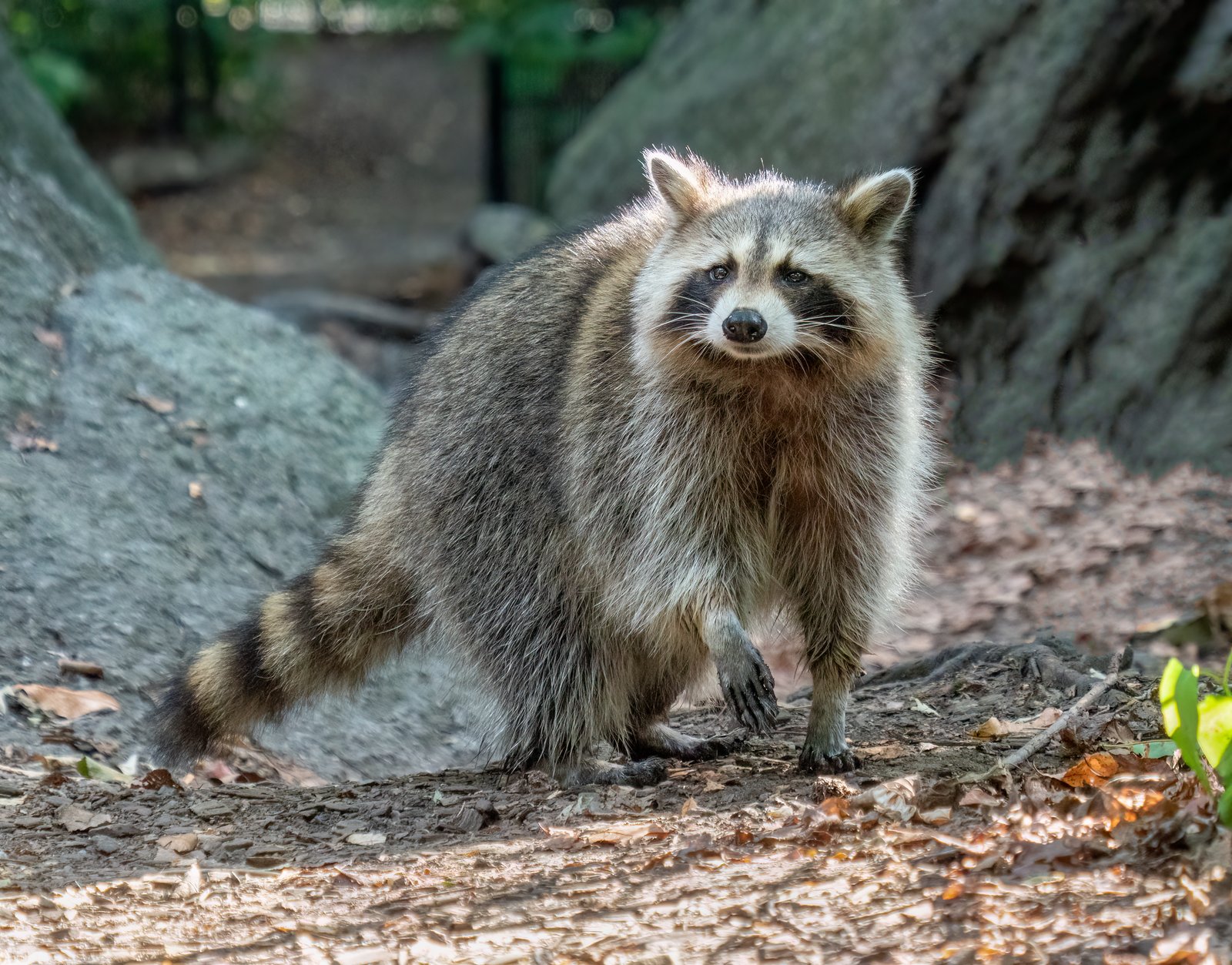
- Grubs show up as irregular brown patches that lift like loose carpet because the roots have been chewed away underneath. Damage tends to appear in late summer and early fall, and you’ll often see increased crow, skunk, or raccoon digging as animals dig for a meal.
- Chinch bugs cause damage that looks like drought stress at first, yellowing patches that spread outward from a central point, usually in the hottest, sunniest part of the yard along driveways or sidewalks where heat reflects onto the turf. Unlike drought stress, watering the area doesn’t green it back up.
- Sod webworms leave small, ragged brown patches with visible notched or chewed blade tips, and you’ll often find silk-lined tunnels near the soil surface if you part the grass. Moths fluttering low over the lawn at dusk are a strong early indicator, since that’s the adult stage laying eggs.
- Armyworms move in fast, stripping a lawn down to brown stubble over just a few days rather than weeks, usually after a moth flight event following warm, humid weather.
A soapy water flush, one to two tablespoons of dish soap in 4 L of water poured over a suspect patch, brings surface-feeding caterpillars like sod webworms and armyworms up within a few minutes, which is a quick way to confirm what you’re dealing with before choosing a treatment.
Grub Checks
If you notice irregular brown patches that pull up like loose carpet, or increased digging from birds and raccoons, grubs are a likely culprit. A simple check: cut a 30 cm square of turf about 5 cm deep and count the grubs. More than five or six per 30 cm square in a healthy lawn is usually the threshold where treatment is worth considering, though a stressed or already-thin lawn may show damage at lower counts. Beneficial nematodes are an effective, low-impact option for grub populations when applied at the right soil temperature and moisture level, generally when soil temperatures are between 16 and 32°C and the ground is moist, not freshly watered or waterlogged.
Natural Options That Actually Work
- Overseeding thin patches reduces the bare soil that pests and weeds both take advantage of, and early fall is generally the best window for cool-season grasses.
- Compost topdressing improves soil biology, which naturally suppresses some pest populations by supporting the beneficial organisms that compete with or prey on turf pests.
- Beneficial nematodes target grub larvae without harming pets, pollinators, or beneficial insects, making them a solid option for households with kids or animals using the yard regularly.
- Removing thatch buildup over 13 mm eliminates a favorite hiding spot for chinch bugs and sod webworms, and a simple tug test with a small hand rake in a few spots tells you whether thatch has built up past that point.
How Beneficial Nematodes Actually Work
Beneficial nematodes are microscopic roundworms that hunt grub larvae in the soil, enter through natural body openings, and release a bacteria that kills the grub within a couple of days, after which the nematodes reproduce inside the carcass and disperse to keep hunting. They come as a powder or gel concentrate that gets mixed with water and applied through a hose-end sprayer or watering can, and timing matters more than almost any other factor in whether they work. Apply too early, before grub eggs have hatched into the vulnerable larval stage, and there’s nothing for the nematodes to target. Apply in the heat of a dry afternoon and UV exposure and dry soil can kill a large share of the population before they reach the grubs. Late afternoon or evening application, followed immediately by light watering to move the nematodes down into the root zone, gives them the best chance of surviving and finding a host. Most nematode products are living organisms with a short shelf life, so they should be applied within a day or two of purchase rather than stored.
What Not to Do
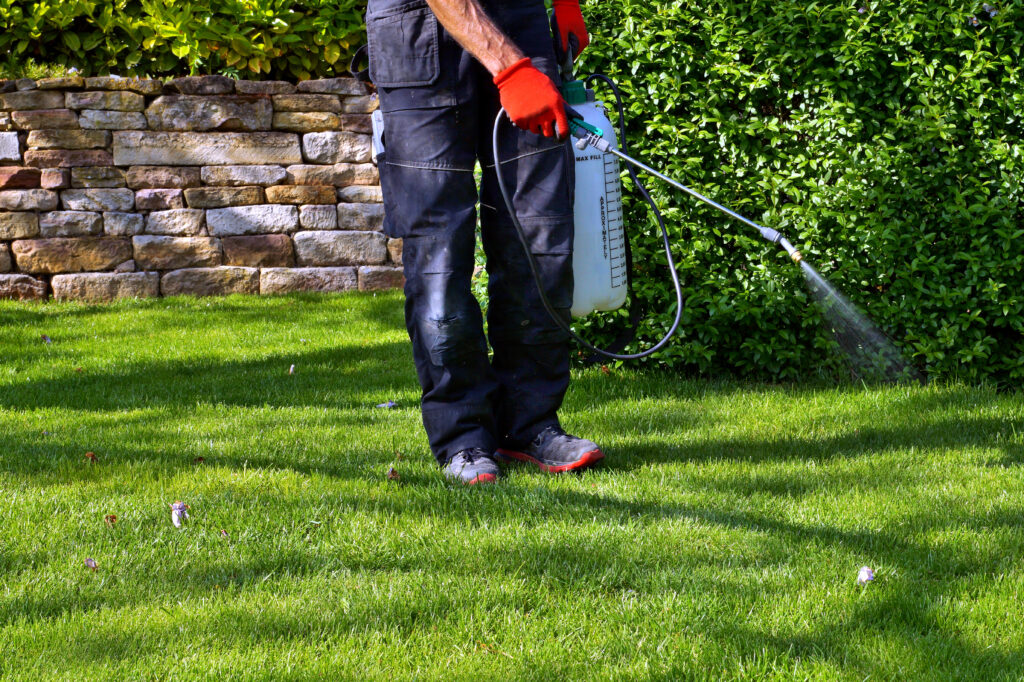
Don’t apply a broad insecticide across the whole lawn as a preventive measure without confirming an actual pest problem first, it kills beneficial insects along with the target pest and does nothing to fix the underlying soil and mowing issues that invited trouble in the first place. Don’t water on a fixed daily schedule regardless of rainfall, overwatering is just as damaging to root depth as underwatering. And don’t ignore a small brown patch assuming it will resolve itself, chinch bug and sod webworm damage in particular can spread from a few square metres to a large section of lawn within two to three weeks in hot, dry conditions.
Cost and Timeline: What to Expect
DIY lawn pest prevention is inexpensive relative to reactive treatment. Core aeration rental runs modest for a weekend, overseeding a few hundred m² costs roughly the price of a couple bags of quality seed, and a batch of beneficial nematodes covering an average residential lawn is generally in the same range as a mid-tier bag of fertilizer. The tradeoff is time and consistency: soil and mowing habits take a full season or two to show their full effect on pest resistance, since you’re rebuilding root depth and soil biology, not applying a quick fix.
Professional treatment timelines are faster because a pest control technician can identify the specific pest, apply a targeted product at the correct rate, and often see suppression within one to two weeks for surface feeders like chinch bugs and sod webworms, or over a full grub life cycle for larval treatments. Cost varies by lawn size and pest severity, but most companies price it as a flat treatment fee or a seasonal program rather than an hourly rate. If a lawn has multiple overlapping issues, active pest damage plus compacted soil plus thin turf, a combined approach where a professional handles the acute pest problem while you take on the longer-term soil and mowing changes tends to produce the most durable result.
Frequently Asked Questions
Will grub damage come back the next year if I don’t treat the soil issue? Often, yes. Beetles are drawn to lay eggs in thin, sunny turf with exposed soil, so treating the grubs without thickening the lawn just resets the cycle for the following season.
Can I use beneficial nematodes and overseed in the same season? Yes, and it’s a good combination. Just avoid heavy foot traffic or additional soil disturbance in the treated area for a couple of weeks after nematode application so they have time to establish.
Is it normal for treated patches to look worse before they look better? With grub damage, yes, since the dead roots underneath won’t visibly improve until new grass fills in from overseeding or lateral growth. Surface pest damage from chinch bugs or sod webworms should stop spreading within a couple of weeks of an effective treatment even if the existing brown patch takes longer to green up.
The Environmental Protection Agency’s guidance on integrated pest management principles covers this same idea in more general terms: prevention and monitoring first, targeted treatment only when a real threshold is crossed, rather than routine broad-spectrum applications.
Seasonal Timing by Region
In most of the US and Canada, grub and chinch bug pressure peaks in mid to late summer, making early summer the best window for preventive nematode application before populations build. In the UK’s cooler, damper climate, leatherjackets and chafer grubs follow a similar late-summer to fall pattern. Australian lawns, particularly warm-season varieties in Queensland and northern regions, can see pest pressure across a longer stretch of the year, which makes the soil and mowing basics above even more important as an ongoing habit rather than a seasonal fix.
When It’s Past the Point of a Weekend Fix
Some infestations, particularly chinch bugs in a hot, dry summer, can spread faster than lawn care habits alone can manage. If you’re seeing spreading dead patches despite watering and mowing changes, it’s worth having a pest professional identify exactly what’s causing the damage before you spend another season guessing. Call 1-844-783-4821 and we’ll help you figure out what’s actually going on beneath the surface.