Pest pressure isn’t constant. What matters in July is different from what matters in November, and treating every month the same way means missing the windows when small fixes make the biggest difference. Here’s what actually helps, organized by what’s happening outside.
Spring: seal up what winter opened
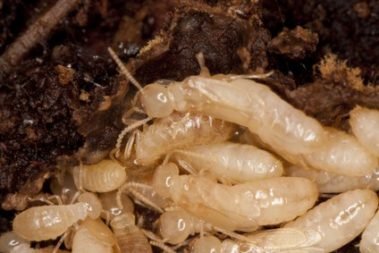
Freeze-thaw cycles widen small cracks in foundations and around window frames over the winter. As temperatures rise, check for new gaps, replace worn weatherstripping, and clear gutters so water doesn’t pool against the foundation. This is also when termite swarmers become active in many regions, so a walk around the exterior is worth doing. In cooler regions, spring is also when overwintering insects like stink bugs and ladybugs that snuck into wall voids the previous fall start reappearing indoors as temperatures inside the walls warm up, which is a good reminder to check the exclusion work you meant to finish last autumn.
Termite swarmers are often mistaken for flying ants, but there’s a reliable way to tell them apart without expert help: termites have a thick waist and wings of equal length, while ants have a pinched waist and front wings noticeably longer than their back wings. A swarm indoors, even a small one, is worth a professional look regardless of the season, since it usually means an established colony nearby.
Summer: manage moisture and outdoor food sources
Ants, wasps, and mosquitoes are all more active with the heat. Fix any dripping outdoor faucets or air conditioner condensation lines that create standing water, since even a small puddle is enough for mosquitoes to breed. Keep outdoor trash sealed and pet food bowls picked up overnight to avoid drawing in wasps and rodents alike. This is also peak season for yellow jackets and other stinging insects, which forage aggressively for protein and sugar in July and August, so covering food at outdoor gatherings and checking eaves and sheds for early-stage nests is worth the five minutes it takes.
Standing water anywhere on the property is worth checking, not just around the house. Clogged gutters, forgotten kiddie pools, saucers under potted plants, and low spots in the yard that hold water after rain can all produce a new batch of mosquitoes roughly every week to ten days during peak summer heat. Emptying or refreshing anything that holds water on a weekly schedule does more to cut mosquito numbers around a property than most sprays applied after the fact.
Fall: this is when rodents look for a way in
As outdoor temperatures drop, mice and rats actively search for warm, enclosed spaces, and a home is exactly what they’re looking for. Walk the exterior and check for gaps around utility entry points, vents, and garage door seals. This is the single most important season for rodent-proofing, since prevention now avoids a much harder problem in January. It’s also the window when spiders tend to move indoors more visibly, following the same warmth-seeking instinct, and when boxelder bugs and stink bugs cluster on sun-warmed exterior walls looking for a crack to slip through before the first hard freeze.
A gap as small as a quarter inch is enough for a mouse to squeeze through, and rats can fit through openings not much larger, so the fall check should focus on areas that look too small to matter as much as obvious holes. Common overlooked entry points include the gap where a dryer vent or outdoor faucet passes through an exterior wall, warped weatherstripping under garage doors, and the small gap that can open up where a chimney cap has shifted or rusted.
Winter: check the spaces you don’t normally think about
Attics, crawlspaces, and basements get less attention in winter, but they’re exactly where rodents and overwintering insects like stink bugs and boxelder bugs tend to settle in. A periodic check of these spaces, along with stored boxes and firewood brought inside, catches problems while they’re still small. Winter is also a reasonable time to check for cluster fly activity near sunny windows on unusually warm days, when overwintering insects briefly wake up and become visible before settling back down.
Firewood stacked directly against the house is worth moving further out if possible, since it’s an easy staging area for rodents, spiders, and wood-boring insects to make their way from outdoor wood into the structure itself. Bringing in only what you’ll burn within a day or two, rather than restocking an indoor rack with a week’s supply at once, limits how much time any hitchhiking insects have to find their way further into the house.
Regional timing shifts the calendar
This seasonal rhythm holds in most temperate climates, but the exact timing shifts depending on where you are. In the Gulf South and much of Australia, mosquito and ant pressure runs longer into what would be considered fall or winter elsewhere, and rodent-proofing is worth doing earlier since the temperature drop that triggers indoor-seeking behavior happens on a different schedule. In the UK and Pacific Northwest, damp conditions matter more than temperature extremes for most of the year, which puts moisture control ahead of the seasonal checklist above.
Exclusion work that pays off no matter the season
A caulk gun, a roll of copper mesh for gaps too big for caulk alone, and a set of door sweeps handle most of the small entry points that let pests inside year-round. Copper mesh is worth calling out specifically because, unlike steel wool, it doesn’t rust, and rodents can’t chew through it the way they can through some foam sealants. Dryer vent covers and chimney caps with mesh screening close off two of the more commonly overlooked entry points. None of this requires more than an afternoon and a trip to the hardware store, and it’s the kind of work that keeps paying off well after the season it was done in.

The habit that matters most: don’t wait for a sighting
The homes with the fewest pest problems aren’t lucky. They’re the ones where someone does a quick seasonal check instead of waiting for a bug to show up first. Small, regular attention beats a big reactive treatment every time. A ten-minute walk around the exterior four times a year catches far more than a single deep-clean after you’ve already found a problem indoors.
Common questions about seasonal pest control
Do I need a visit from a pest control contractor every season, or can I handle this myself? Most of the checklist above is DIY-friendly: caulk, weatherstripping, and a careful walk-through. Professional visits make the most sense when you’re managing an active population, a recurring problem, or a property large enough that a thorough check takes more time than you have. What if I only have time for one seasonal check a year? Make it fall. Rodent-proofing ahead of the cold has the biggest payoff of any single seasonal task on this list.
When seasonal upkeep isn’t enough
Seasonal checks catch most problems while they’re small, but an active infestation, a recurring issue that keeps coming back despite exclusion work, or a large property where a thorough check takes more time than most homeowners have available are all good reasons to bring in a pest control professional. A typical year-round service plan includes an initial inspection followed by scheduled visits every one to three months, timed around the seasonal pressures described above rather than a fixed calendar, with more frequent attention during whichever season is highest-risk for your region. Costs vary by property size, pest pressure, and region, but most companies can give you a firm quote after seeing the property rather than guessing over the phone.
What a seasonal walkthrough actually covers
A useful seasonal check doesn’t need to take more than twenty or thirty minutes. Walk the full exterior perimeter looking at ground level for gaps, cracks, and worn seals. Check gutters and downspouts for clogs or damage. Glance at the roofline for anything overhanging or touching it. Look in the garage and any storage areas for signs of activity, droppings, gnaw marks, or webbing, that weren’t there last time. Doing this on a set schedule, rather than whenever you happen to think of it, is what actually makes the habit stick.
What happens if you skip a season
Missing one seasonal check rarely causes a disaster on its own, but the gaps compound. A crack that opens in spring and doesn’t get sealed is still open in fall, now joined by whatever new gaps formed over summer. By the time a full year has passed without any exterior attention, a home usually has several viable entry points instead of just one, which is part of why homes that have gone a few years without any pest prevention often need more intensive treatment to get back to a stable baseline.
What’s the single most cost-effective thing I can do myself? Sealing obvious gaps with caulk and copper mesh before fall. It’s inexpensive, doesn’t require special skills, and prevents the rodent problems that are typically the most expensive to resolve once they’re established. Do non-toxic treatments work as well as traditional ones? For many common pests, yes, especially when paired with the exclusion and sanitation habits covered throughout this article. A pest management company can walk you through which non-toxic options make sense for your specific situation.
If you’d rather not manage the calendar yourself, we offer year-round natural-first pest management across residential and commercial properties, with no long-term contract required and a real guarantee behind the work. Call 1-844-783-4821 to set up a plan suited to your area.