Wasps play a real role outdoors, controlling other insect populations and helping pollinate some plants, but nobody wants a nest forming over a doorway or a patio. These natural approaches work well for keeping wasps at a distance before a nest gets established, without reaching for a harsh aerosol spray. The key word there is early: once a nest is fully built and the colony inside it is established, natural deterrents stop doing much good and removal becomes the priority instead.
Why wasps pick the spots they pick
Wasps look for the same handful of things every time: shelter from wind and rain, something to anchor a nest to, and proximity to a food source. Eaves, soffits, porch ceilings, mailboxes, grill covers, and playset frames check every box, which is why the same trouble spots come up year after year on most properties. Understanding that pattern is what makes prevention effective, since you’re not guessing at random locations, you’re covering the specific ones wasps actually favor.
Know which wasp you’re actually dealing with
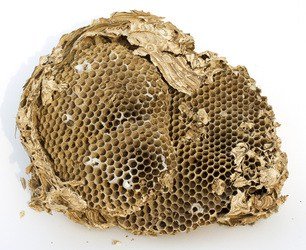
Paper wasps, yellow jackets, and hornets all respond differently to DIY methods, so a quick identification step goes a long way. Paper wasps build the open, umbrella-shaped nests you’ll see hanging under eaves and railings; these are the ones scent-based sprays and plant deterrents work best against, since the nest site is visible and exposed to begin with. Yellow jackets are more likely to nest underground, in old rodent burrows, or inside wall voids and stacked stone, which means a surface spray around a doorway does nothing for a colony you can’t see or reach. Hornets build large, enclosed paper nests, often high in trees or under roof overhangs, and tend to be the most defensive of the three if disturbed. If you’re seeing wasps repeatedly entering a gap in siding or a weep hole rather than flying to a visible nest, treat that as a sign of yellow jackets or hornets nesting inside a void, a situation where DIY deterrents are far less reliable and a pest control professional is worth calling sooner rather than later.
Peppermint oil spray
Wasps strongly dislike the scent of peppermint. Mix about 10 to 15 drops of peppermint essential oil with two cups of water in a spray bottle and apply it around windowsills, doorframes, eaves, and any spot that fits the profile above. Reapply every three to five days, since the scent fades outdoors, especially after rain or in humid climates. A few drops of dish soap in the mix helps it stick to vertical surfaces a little longer between applications.
Clove, geranium, and lemongrass blend
These three essential oils combined are particularly effective at discouraging wasps, more so than any one used alone. Around 10 drops of each in a spray bottle with two cups of water, applied to outdoor seating areas and along fence lines, creates a scent barrier that most wasps will avoid. Store any leftover mix in a glass bottle rather than plastic, since concentrated essential oils can break down some plastics over time.
A vinegar and dish soap trap for scavenging wasps
Sprays and plantings work as deterrents, keeping wasps from choosing a spot to nest, but late-summer yellow jackets scavenging for food respond better to a trap. A simple version: mix a cup of apple cider vinegar with a few drops of dish soap in a container with small holes cut into the lid, or an inverted plastic bottle with the top cut off and set neck-down inside the bottom half. The vinegar’s scent draws foraging wasps in, and the dish soap breaks the surface tension so they can’t get back out. Hang or set traps well away from patios and doorways; the edge of the yard works better than right next to where people are sitting, since a trap placed too close can actually draw more wasps toward the area you’re trying to keep clear. This method catches individual foraging wasps over time; it doesn’t reach a nest itself, so it’s a complement to the deterrents above rather than a replacement for dealing with an active nest.
A decoy nest
Wasps are territorial and generally avoid building new nests within sight of what looks like an existing colony. A paper bag stuffed with newspaper and shaped into a rough nest, hung near a porch or eave early in the season, can discourage wasps from settling in that same area. It’s a low-effort trick with a real basis in wasp behavior, though it works better on paper wasps and some hornet species than others, so treat it as one layer among several rather than a standalone fix.
Plant natural deterrents nearby
Spearmint, wormwood, eucalyptus, and citronella all produce scents wasps tend to avoid. Planting them near patios, entryways, or outdoor dining areas provides an ongoing, low-maintenance layer of deterrence that doesn’t require reapplication the way sprays do. Give new plantings a full season to establish before expecting much effect, since a few small seedlings won’t produce the same scent volume as mature plants.
Clean up food and sugar sources promptly
Wasps are drawn to sugary drinks, fallen fruit, and open trash, especially in late summer when natural food sources start to dwindle and colonies switch from hunting protein to scavenging sugar. Rinsing recyclables, covering drinks at outdoor gatherings, keeping trash and compost bins tightly lidded, and picking up fallen fruit from trees quickly removes a lot of the draw before it becomes a problem. Pet food bowls left outside, hummingbird feeders that drip, and compost bins without a tight seal are easy to overlook but draw wasps just as reliably as an open soda can. Rinsing out recycling before it goes in an outdoor bin matters too, since residual soda or juice residue is a strong attractant even in a covered container with any gap at the lid.
Best timing for these methods
Spring is when this all matters most. In most of the US and UK, overwintering queens start scouting for nest sites in April and May, before any colony exists to defend. Australia runs on the opposite calendar, so the equivalent window falls around September and October. Applying these deterrents during that early window stops a nest before it starts. By mid-summer, established colonies are already defending a built structure, and at that point deterrents matter far less than proper removal.
What not to do
A few common instincts make things worse rather than better. Don’t seal, spray, or block a hole where wasps are actively entering and exiting without knowing what’s on the other side, since trapped wasps inside a wall void will often chew a new exit into living space instead of staying put. Don’t use gasoline, ammonia, or other harsh household substances people sometimes suggest online; they’re a fire and inhalation hazard and rarely solve the problem anyway. And don’t approach a nest you can see activity around, even to spray something natural on it, without eye and skin protection, since a defensive response from a disturbed nest is a real risk, especially for anyone with a sting allergy. Bug zappers and ultrasonic devices marketed for wasps are largely ineffective too; wasps aren’t drawn to light the way moths are, so a zapper rarely makes a dent in activity around an actual nest.
A couple of common questions
Do wasps reuse the same nest next year? No, a nest itself is abandoned once winter arrives, but new queens often return to the same general area if the conditions that attracted the original nest, shelter, food, warmth, haven’t changed. That’s why repeating prevention each spring matters even after a nest was removed the year before.
Is it safe to knock down an empty nest myself? Usually, once you’re sure it’s inactive (no wasps entering or exiting over a few days of observation, ideally in cooler weather), but if there’s any uncertainty about whether it’s truly empty, treat it as active until proven otherwise.
Does spraying a nest directly with vinegar or dish soap and water kill it? Diluted dish soap in water can suffocate wasps on contact if sprayed directly and heavily, which is why some people use it as a DIY nest treatment, but reaching every wasp inside a fully built nest this way is difficult and risky without protective equipment, and it’s not a reliable way to eliminate an established colony.
Will planting mint or citronella near a vegetable garden also keep other pests away? Somewhat; the same scents that discourage wasps can make an area less appealing to some other insects too, but don’t count on garden plantings alone to manage anything beyond a mild deterrent effect.
When to skip the DIY approach
These methods work well for keeping wasps from settling in the first place, but an active nest, especially one that’s already established or in a hard-to-reach spot like a soffit or wall void, is a different situation. Disturbing a nest without the right approach is genuinely risky, particularly for anyone with a wasp sting allergy.
If you’re dealing with an active nest rather than just prevention, our pest professionals remove them using natural-first methods suited to the species involved, backed by a real guarantee. Call 1-844-783-4821 before attempting to handle an established nest yourself.