Arizona
Pest Control Tempe, AZ
From the canal banks near Tempe Town Lake to the block-wall backyards of Broadmor and Escalante, we handle the pests that come with living on irrigated ground in the Sonoran Desert.
Natural, guaranteed pest control — free quotes, no long-term contract, safe around kids and pets.
Common Pests in Tempe
What we treat most often around Tempe, Arizona
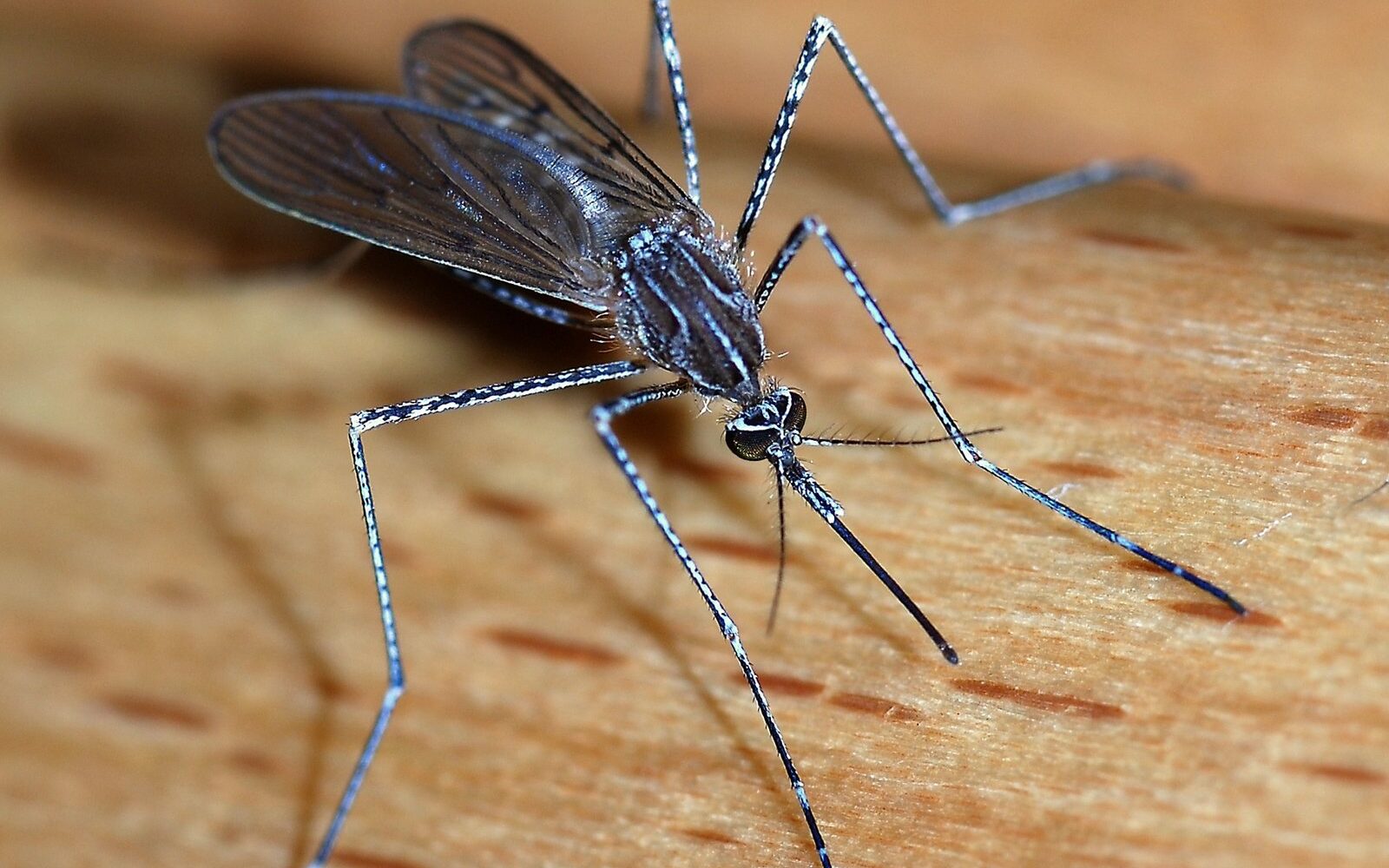
Tempe's pest pressure follows its water. The canals that run through South Tempe and the Rio Salado corridor around Tempe Town Lake keep the ground damp and green in a way most of the surrounding desert is not. That draws mosquitoes after summer monsoon storms, plus roof rats moving through the citrus trees, oleander hedges and palms common in older neighborhoods near Mill Avenue and Papago Park. Argentine ant trails show up quickly on irrigated lawns and drip lines, and American cockroaches, called waterbugs by most homeowners here, turn up in block-wall gaps and near canal-adjacent properties.
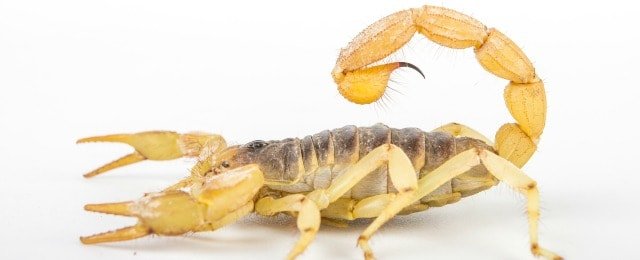
Bark scorpions climb stucco and hide in weep holes citywide, though Tempe's turf and tree cover means somewhat less pressure than the bare desert-edge communities to the east. Desert subterranean termites often swarm in the humid weeks of July through September rather than spring. Around ASU, the dense student housing and apartment corridor also produces German cockroach and bed bug calls that single-family neighborhoods rarely see.
How We Fix It
Pest control services in Tempe
Scorpion Control
Scorpions turn up where dry ground meets a house with easy openings — under stucco, behind baseboards, inside a stack of firewood. We find…
Learn more →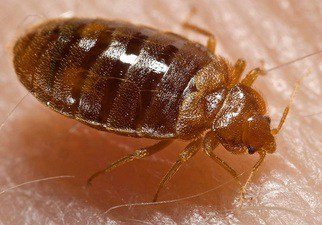
Bed Bug Treatment
Thorough, discreet bed bug treatment for homes, hotels, and multi-unit properties — natural-first, with follow-up built into every plan.
Learn more →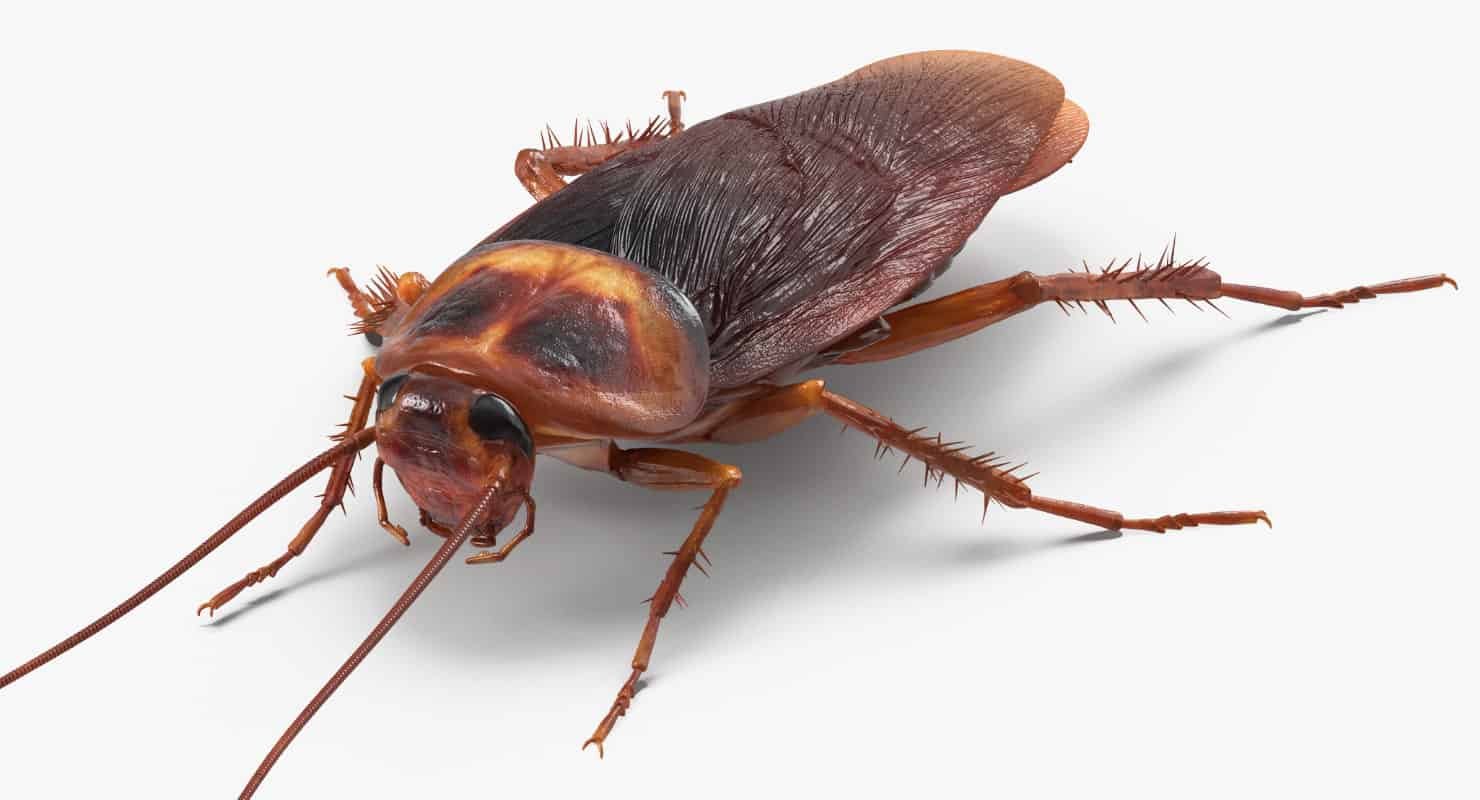
Cockroach Control
Cockroaches don't need much to move in: a damp corner, a crumb trail, and a gap the width of a coin. We find where…
Learn more →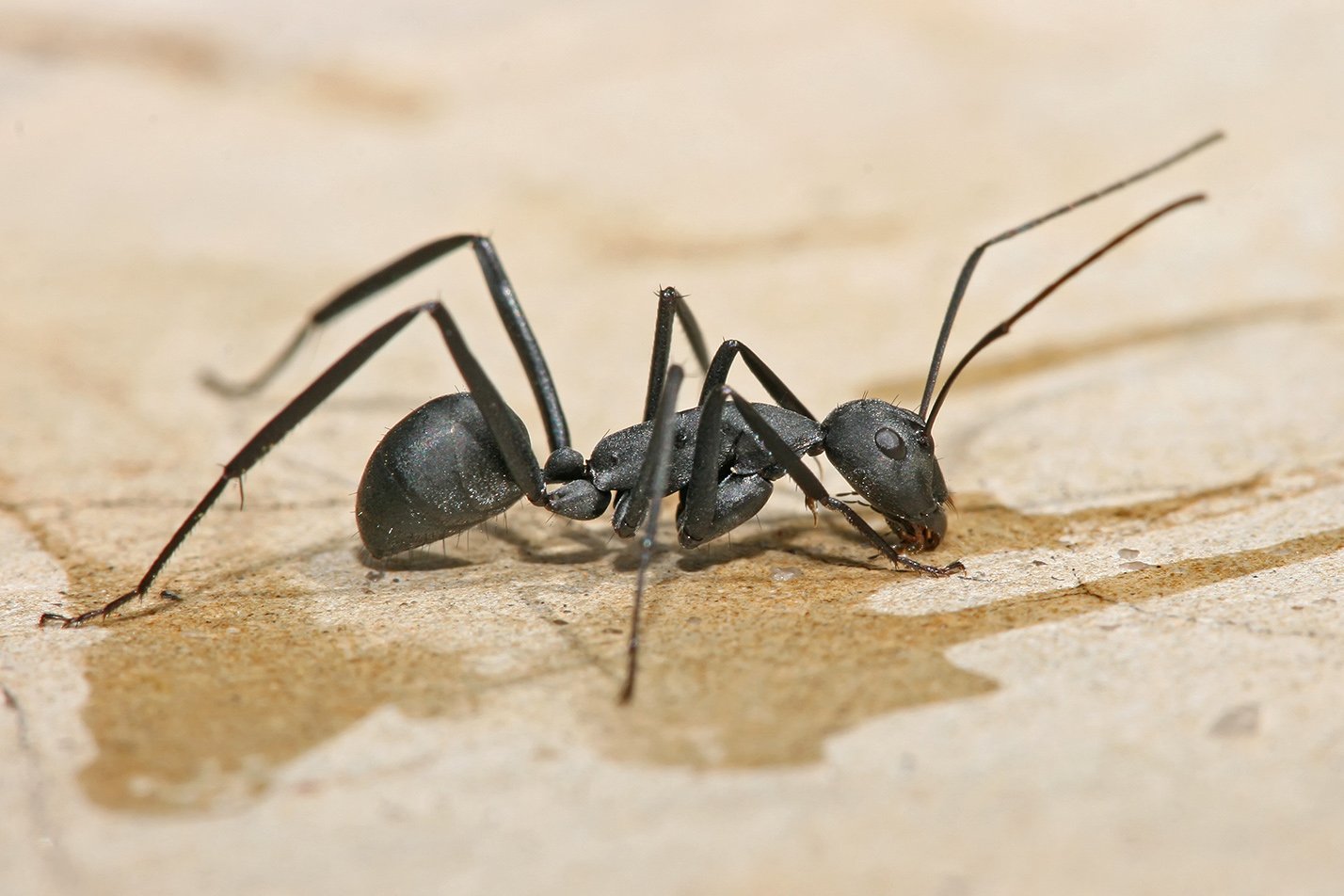
Ant Treatment
A trail of ants across your kitchen counter is a scouting report, not the whole problem. We find the colony behind it and treat…
Learn more →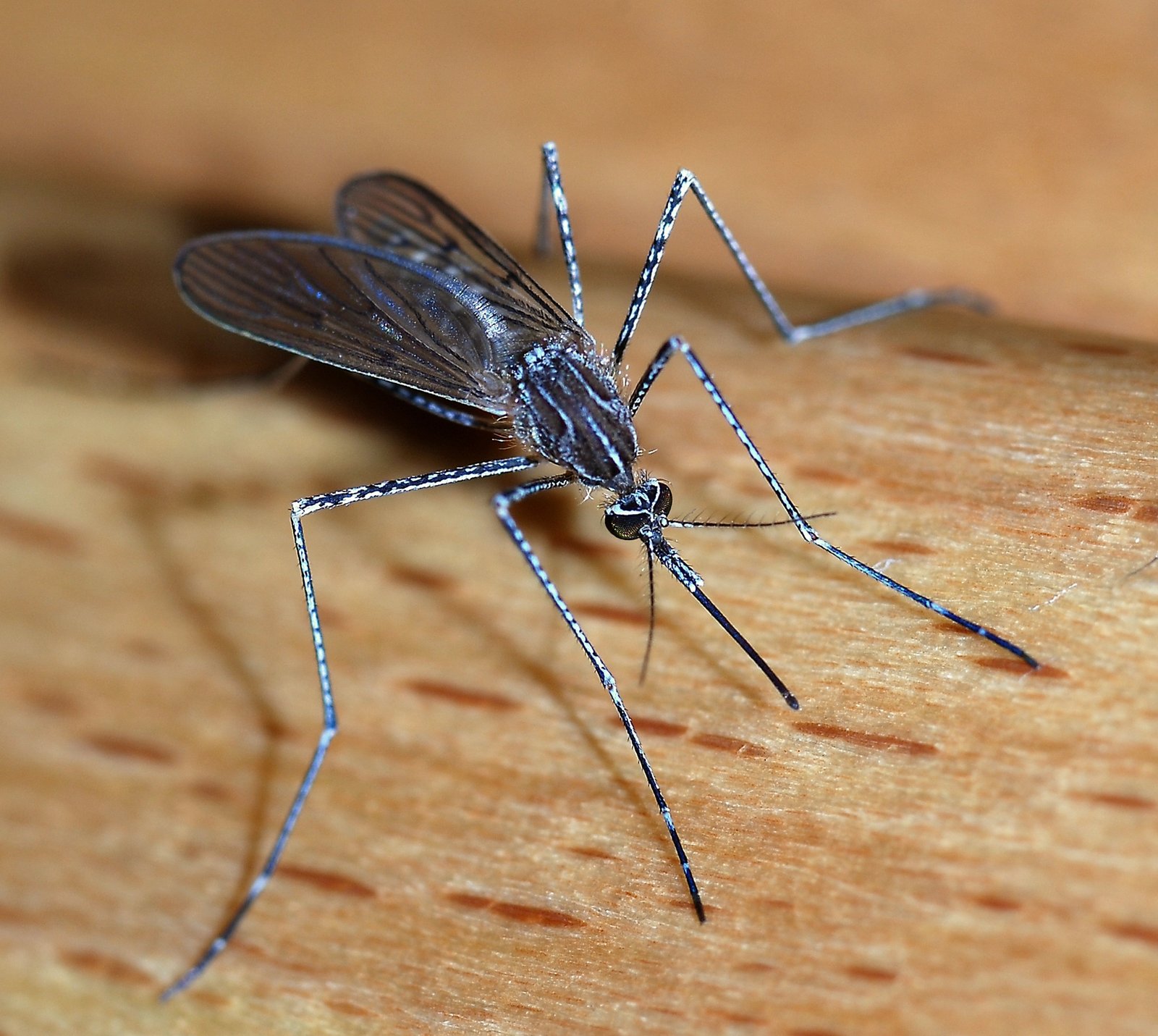
Mosquito Control
Mosquitoes only need a bottle cap of standing water to breed, so the fix isn't just spraying the yard, it's finding where they're coming…
Learn more →
Rodent Control
Mice and rat control that finds the entry points, not just the symptoms — trapping and exclusion that actually keeps rodents out, guaranteed.
Learn more →Neighborhoods We Serve
Neighborhoods We Serve Across Tempe
Tempe is compact by Valley standards, but it packs a lot of variation into a small footprint.
Downtown Tempe and Mill Avenue District
Downtown Tempe and the Mill Avenue District, along the south bank of Tempe Town Lake, are dense and built around Arizona State University. Age, shade trees and constant tenant turnover in the surrounding apartments make it a steady source of German cockroach and bed bug calls.
Maple-Ash
West of campus, the Maple-Ash neighborhood has older homes with mature citrus and shade trees that give roof rats and ants far more cover than newer stucco subdivisions further south.
Hudson Manor
West of campus, Hudson Manor has older homes with mature citrus and shade trees that give roof rats and ants far more cover than newer stucco subdivisions further south.
Broadmor
In Broadmor, block-wall backyards and older irrigation systems mean steady Argentine ant pressure, especially where a yard still has a flood-irrigation valve or a citrus tree dropping fruit.
Escalante
In Escalante, block-wall backyards and older irrigation systems mean steady Argentine ant pressure, especially where a yard still has a flood-irrigation valve or a citrus tree dropping fruit.
South Tempe and Kyrene Corridor
South Tempe, toward the Kyrene corridor and the Chandler border, trades some tree cover for newer construction and tighter yards, so the pest mix leans toward scorpions and general ant pressure rather than rodents.
Papago Park Area
Near Papago Park on the west side, streets sit against sandstone buttes and open desert, which brings some packrat and scorpion activity that most of Tempe does not see.
Getting around
Getting Around Tempe
Mill Avenue is a well-known Tempe street, running through downtown and toward Tempe Town Lake. Rural Road and McClintock Drive run parallel on either side, passing the ASU campus area and reaching into south Tempe. Priest Drive and Kyrene Road serve the west side, while Baseline Road, Southern Avenue and Guadalupe Road are major east-west connectors between neighborhoods.
Loop 101 runs along Tempe's east side, US-60 crosses the south-central part of the city, and Loop 202 passes near the lake to the north. Apache Boulevard threads through older motel and multifamily properties southeast of campus, and that older, denser building stock brings its own steady bed bug and cockroach caseload, separate from the newer apartment buildings closer to the lake.
Local landmarks
Local Landmarks and What They Tell Us About Pest Pressure
Tempe Town Lake
Tempe Town Lake keeps water sitting in the middle of the desert year-round, and it is a major driver of mosquito pressure for homes and apartments within a mile or so of the shoreline.
Wikipedia ↗Wikidata ↗Papago Park
Papago Park, with its red sandstone buttes and the Hole-in-the-Rock formation, backs up to neighborhoods on Tempe's west side and adds packrats and the occasional scorpion to an otherwise low-pressure part of the city.
Arizona State University and Hayden Butte
Arizona State University's main campus, with Hayden Butte ("A" Mountain) nearby, drives the density and turnover that keep cockroach and bed bug calls concentrated around Mill Avenue and University Drive.
Wikipedia ↗Wikidata ↗Kiwanis Park
Further south, Kiwanis Park and its irrigated ballfields are a dependable source of mosquitoes and crickets after monsoon rains.
Tempe Marketplace
Tempe Marketplace shows the more typical commercial pest mix, with ants and occasional rodents around loading docks and landscaping beds rather than anything tied to the water.
Wikipedia ↗Wikidata ↗
Local knowledge
Property Age and How Pests Get In
Tempe's housing stock spans close to a century, and that range matters. Older homes near Maple-Ash and Hudson Manor were built before modern foundation-sealing practices, so gaps around old plumbing penetrations, window frames and foundation vents are common entry points for ants and the occasional roof rat working down from a citrus canopy. Mid-century ranch homes in Broadmor and Escalante often have block walls with weep holes that have widened over the decades enough to let scorpions and crickets through.
Newer stucco construction in south Tempe is tighter at the foundation, but irrigated turf and closely packed HOA landscaping create steady moisture that draws ants and crickets however well the house is sealed. Student housing built up around campus brings a different problem entirely: shared walls, frequent turnover and stacked units that let a bed bug or German cockroach issue travel between neighbors faster than in a detached house.
Local knowledge
Seasonal Pest Patterns Tied to Tempe's Geography
Tempe's pest calendar tracks its water sources more than its temperature. Argentine ants push into homes twice a year: once with the first cool snap in fall, and again in early summer when lawns and drip-irrigated beds are the only reliable moisture outdoors. Mosquitoes spike after monsoon storms, and because Tempe has more standing and moving water than many nearby suburbs, that spike can last longer here. Termites can swarm in the humid stretch of July through September.
ASU's academic calendar, with move-ins in August and move-outs in May, creates predictable turnover in the rental market around campus, and that turnover is when bed bug concerns often surface. Knowing whether a property sits near the lake, in one of the older tree-canopy neighborhoods, or in the newer south Tempe subdivisions tells us most of what we need before the first visit.
Local knowledge
Commercial and Multifamily Pest Pressure
Tempe's economy mixes university-related business, offices along the Rio Salado corridor and a large apartment and student-housing market. That combination changes how we approach pest management compared with a purely residential suburb. Multifamily properties near campus and along Apache Boulevard deal with constant tenant turnover and shared walls, which means a bed bug or German cockroach problem in one unit rarely stays there for long. We treat these properties with a building-wide inspection mindset rather than a single-unit approach.
Office and retail space around Tempe Marketplace faces more conventional pressure, such as ants and occasional rodents near loading docks, landscaping beds and dumpster areas, with service schedules often built around lease and health-code requirements. Restaurants and bars along Mill Avenue add food-service concerns, and American cockroaches and drain flies show up there more than in residential neighborhoods a mile away, tied to grease traps, floor drains and heavy food handling.
Light-industrial and warehouse space near Priest Drive brings another pattern, with larger buildings, more loading-dock access points and less consistent landscaping maintenance, which gives rodents an easier path in. A canal-adjacent house, a Mill Avenue restaurant and a warehouse are three different jobs even though they are within a few miles of each other, so we adjust the plan instead of running one residential program everywhere.
Property managers with several Tempe units, whether student rentals near campus or a mixed portfolio from Broadmor to south Tempe, usually get good value from a standing service schedule, because pest pressure varies so much from block to block. Pricing depends on the property and the pests, and a free quote comes first.
Local knowledge
Preparing Your Tempe Property
A few habits make treatment work better in the desert. Keep irrigation heads and drip lines from soaking the soil against the foundation, since damp ground next to the house draws Argentine ants, crickets and termites. Trim citrus and palm fronds back from the roofline so roof rats lose their bridge to the attic, and pick up fallen fruit weekly. Seal weep holes with screening rather than caulk, and check garage door seals, where scorpions and cockroaches often enter.
Empty saucers, buckets and birdbaths after monsoon storms so mosquitoes have nowhere to breed. In student rentals, a quick look at mattress seams, headboards and baseboards when moving in or out can catch bed bugs before they travel. Small steps like these, combined with targeted, low-impact treatment, keep pest pressure manageable through Tempe's long warm season, and we will tailor advice to your particular block and building.
Local knowledge
Tempe's Pest Pressure Follows Its Water
The canals that run through South Tempe and the Rio Salado corridor around Tempe Town Lake keep the ground damp and green in a way most of the surrounding desert is not. That draws mosquitoes after summer monsoon storms, plus roof rats moving through the citrus trees, oleander hedges and palms common in older neighborhoods near Mill Avenue and Papago Park. Argentine ant trails show up quickly on irrigated lawns and drip lines, and American cockroaches, called waterbugs by most homeowners here, turn up in block-wall gaps and near canal-adjacent properties.
Bark scorpions climb stucco and hide in weep holes citywide, though Tempe's turf and tree cover means somewhat less pressure than the bare desert-edge communities to the east. Desert subterranean termites often swarm in the humid weeks of July through September rather than spring. Around ASU, the dense student housing and apartment corridor also produces German cockroach and bed bug calls that single-family neighborhoods rarely see.
Nearby
Also serving towns near Tempe
- Pest control in Guadalupe5 mi
- Pest control in Mesa5 mi
- Pest control in Scottsdale7 mi
- Pest control in Gilbert8 mi
- Pest control in Paradise Valley8 mi
- Pest control in Chandler9 mi
- Pest control in Phoenix10 mi
- Pest control in Gainey Ranch (Scottsdale)11 mi
- Pest control in Fountain Hills17 mi
- Pest control in DC Ranch18 mi
- Pest control in Glendale18 mi
- Pest control in North Scottsdale20 mi
Why It Works
Guaranteed, not just promised.
Satisfaction Guaranteed
If it's not gone, we come back — free.
Safe & Humane
Natural methods, safe around kids and pets.
No Long-Term Contracts
Stay because it works — not because you're locked in.
Find Us
Serving Tempe, Arizona
What Customers Say
Real reviews from our Google Business Profile.
“Great company to deal with. They were courteous and they kept their appointment time to deal with my pest control problem. And they gave me a report of things I could do myself to help keep the pests away.”
Marlon Meginbir — Google review
View on Google →“Excellent advice and treatment of carpet beetles. Would recommend them.”
Kathleen Boulanger — Google review
View on Google →Questions
What People in Tempe Ask Us
What decides the price of pest control in Tempe?
How much it costs depends on the home or building, the pests and the type of service. A canal-adjacent house with mosquitoes or roof rats is a different job from a student-housing unit near ASU with a bed bug concern. We look at what is active at your address and give you a free quote first.
Are mosquitoes bad near Tempe Town Lake and the canals?
They can be. The lake and canal system keep the ground damp in a way most of the surrounding desert is not, and mosquito activity climbs after summer monsoon storms. Draining standing water in pots, gutters and dishes helps a great deal alongside treatment.
How soon can an exterminator visit my Tempe home?
Timing depends on the season and the schedule that week. Scorpion, rodent and bed bug concerns are treated as priorities, and we schedule you as quickly as we can once you request a free quote.
Are your treatments safe near Tempe canals, parks and Papago Park?
We choose non-toxic, low-impact products and place them where pests travel rather than broadcasting them across the yard. Many Tempe homes back onto canals, parks or open desert, so we plan around runoff and pet access before we treat.
Do apartments near ASU deal with different pests than single-family homes?
Yes. Shared walls, frequent turnover and stacked units mean German cockroach and bed bug problems spread between neighbors faster than they do in detached homes. That is why these buildings call for a building-wide look, not just one unit.
When do termites swarm in Tempe?
Often later than people expect. Desert subterranean termites here tend to swarm in the humid weeks of July through September rather than in spring. Winged insects near a window or door at that time of year are worth having checked.
Why do older Tempe neighborhoods see more roof rats?
Mature citrus, palms and oleander near places like Maple-Ash and Hudson Manor give roof rats food, shade and routes along wires and rooflines. Picking up fallen fruit, trimming branches away from the house and sealing roof gaps all cut down the activity.
Keep exploring
More from Natural Pest Solutions
- Pest control in Tempe: full service-area guide
- Pest control across Arizona
- All pest control services
- Pest encyclopedia: identify what you are seeing
- All of our locations
- Customer reviews
- Pest control tips from our blog
- Contact us for a free quote
About the area
Tempe
Wikipedia ↗Wikidata ↗Arizona
Wikipedia ↗Wikidata ↗
Learn More
Trusted resources for Tempe homeowners
Public-health, regulator and university guidance on safe pest control.
- University of Arizona Cooperative Extension ↗Research-based home and garden pest guidance for Arizona.
- EPA: Controlling Pests ↗U.S. guidance on choosing and using pest control safely.
- National Pesticide Information Center ↗Pest-by-pest fact sheets from Oregon State University and the EPA.
Ready to stop worrying about pests in Tempe?
Talk to a real expert — no pressure, no toxic chemicals, no contract required.
Recognized by the organizations that set the standard