
Most homeowners don’t call a pest professional at the first sign of trouble. They wait, hoping it’s a one-off. Sometimes that’s fine, a single ant or a moth that flew in through an open door isn’t a crisis. Other times, waiting turns a manageable problem into a much bigger one. Here’s what actually warrants a call, and why waiting on these particular signs tends to cost more than acting on them.
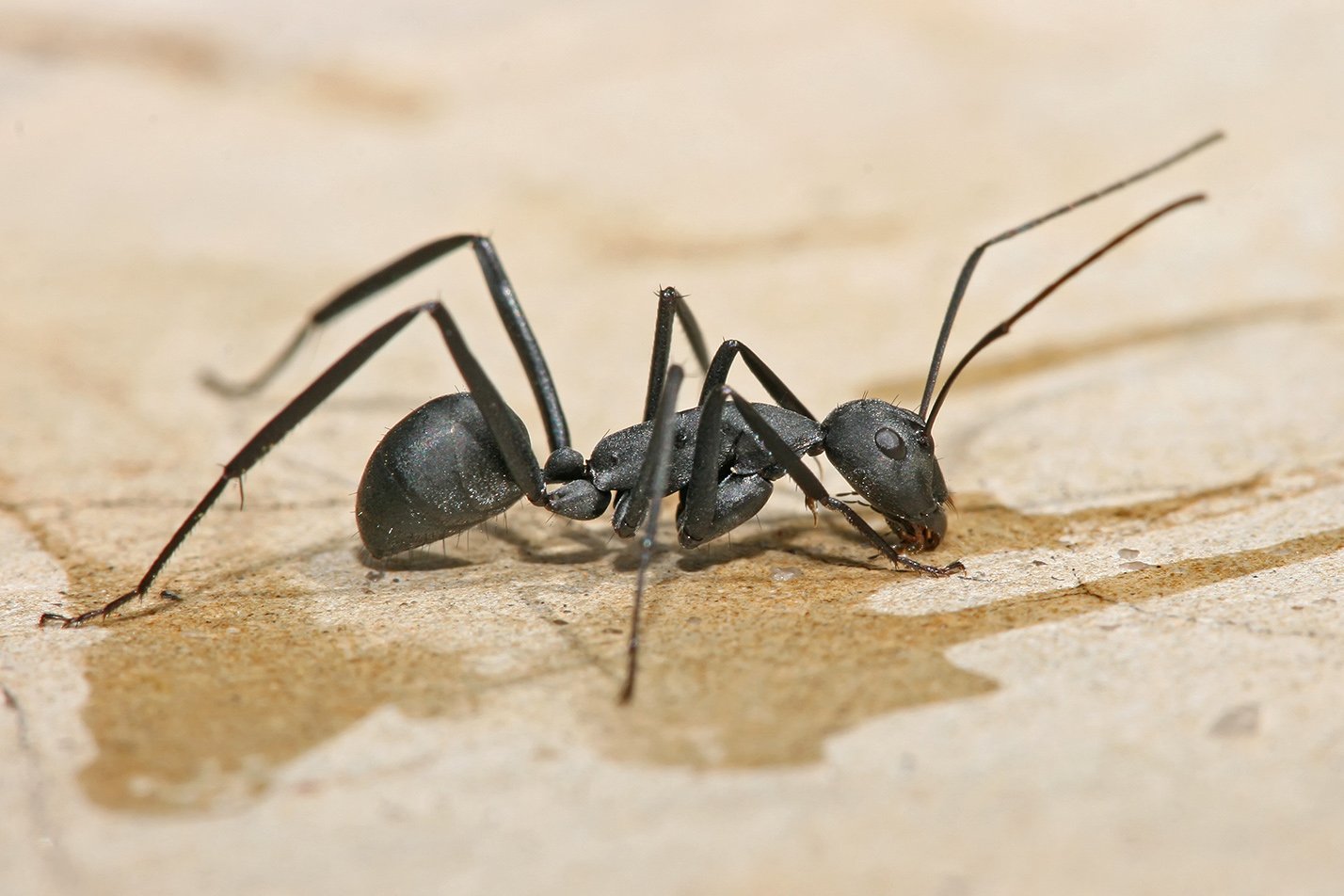
1. Droppings in consistent locations
Finding the same small droppings near baseboards, under the sink, or in a pantry corner more than once isn’t a coincidence. Rodents and some insects travel the same paths repeatedly, so repeat sightings in one spot usually mean an active, established presence, not a single stray visitor. Fresh droppings are dark and moist-looking, while older ones turn gray and crumbly, and a mix of both usually means an ongoing population rather than a one-time visit.
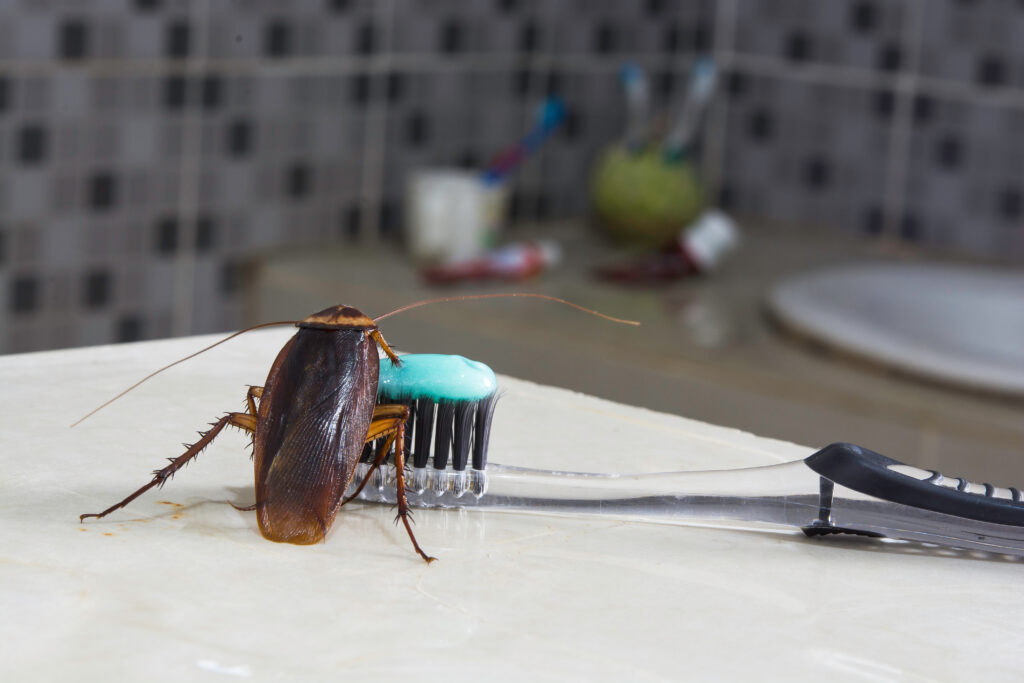
2. Gnaw marks on wood, wiring, or food packaging
Rodents need to gnaw to keep their teeth at a manageable length, and they’ll go through cardboard, plastic, wood trim, and electrical wiring to do it. Chewed wiring in particular is a fire risk, not just a nuisance, and it’s one of the more common causes of house fires with no other obvious explanation. If you find chew marks on wiring anywhere near an attic, garage, or crawlspace, that’s worth treating as urgent rather than routine.
3. A musty or oddly sweet smell in one part of the house
A persistent smell in a basement, crawlspace, or wall cavity can point to a rodent nest, a hidden moisture issue attracting insects, or in some cases termite activity. Smell alone isn’t proof, but it’s a reason to look closer. A sweet, musty odor specifically is also associated with larger bed bug populations, so the room matters as much as the smell itself.
4. Hollow-sounding or damaged wood
Tapping on a windowsill or door frame that sounds hollow, or wood that crumbles more easily than it should, can indicate termite or carpenter ant damage happening inside the structure, well before it’s visible from the outside. A screwdriver gently pressed into suspect wood is a simple test, sound wood resists, damaged wood gives way easily or crumbles.
5. Unusual pet behavior
Dogs and cats often notice pest activity in walls or under floors before people do. Persistent scratching at a specific baseboard or unusual alertness at night, especially paired with any of the other signs here, is worth taking seriously. A cat that suddenly fixates on one section of wall it’s never paid attention to before is picking up on movement or sound you can’t hear.
6. Winged insects appearing indoors
Swarms of winged ants or termites near windows, especially in spring, are one of the clearest signs of an established colony nearby. These swarmers are reproductive members looking to start new colonies, which means the parent colony is already mature, often several years old. Finding a pile of discarded wings on a windowsill after the swarmers themselves are gone is just as significant as seeing the swarm itself.
7. Bites you can’t explain
Unexplained bites, especially in a line or cluster, that show up after travel or a used furniture purchase are a strong signal worth checking, particularly for bed bugs, which are notoriously good at staying out of sight. Bites that appear only on skin exposed while sleeping, and that a partner sleeping in the same bed doesn’t share, are a common early pattern.
What not to do while you wait and watch
If you’re seeing an early or ambiguous sign, resist a few common instincts. Don’t spray a general household insecticide around the area hoping to catch whatever’s there, it can scatter a colony or population rather than solve it. Don’t seal up an opening you suspect something is using without confirming what’s on the other side of it first, since trapping an active nest inside a wall creates a worse problem. And don’t wait for a second or third sighting if the first one involves wiring damage or a structural wood issue, those two categories are worth checking immediately rather than monitoring.
How fast problems typically escalate
A single mouse can produce a litter within a few weeks of moving in, and a small ant scouting party can lead to a fully established trail within days once it finds a reliable food source. Termite colonies work on a longer timeline, often years, but by the time swarmers appear indoors, meaningful damage is frequently already underway. The pattern across nearly every pest is the same: the gap between first sign and full infestation is shorter than most people assume.
What actually happens when you call a professional
The first visit is almost always an inspection, not immediate treatment. A pest control technician walks the areas where you’ve seen signs, checks the likely hiding spots for whatever pest fits the evidence, and in many cases uses tools like a moisture meter, a flashlight, or a screwdriver test on suspect wood to confirm what’s actually going on before recommending a plan. That inspection is also the point where a pest management company gives you a clear set of expectations: what treatment will involve, how many visits it typically takes, and what changes to watch for between visits.
From there, treatment plans vary by pest but follow a similar pattern: an initial treatment addressing the active population, followed by one or more return visits spaced two to four weeks apart to catch anything that survived or hatched after the first round. Rodent issues usually resolve fastest, often within two to three weeks, once entry points are sealed and existing activity is trapped out. Termite and larger infestation cases run longer, sometimes months, since colonies can be extensive and treatment needs to reach areas that aren’t visible from inside the home.
DIY versus calling a professional
A handful of situations are reasonable to handle yourself: a single ant trail with an obvious food source you can remove, one mouse caught in a snap trap with no further signs afterward, or a wasp nest in an easily reachable spot away from doors and windows. Anything involving structural wood damage, electrical wiring, a suspected large colony, or signs that keep recurring despite your own efforts is past the point where DIY products reliably solve it. The cost of an extra week or two spent on DIY attempts is usually much smaller than the cost of the damage a delay can cause with wiring or structural wood, which is why those two categories are worth treating differently from everything else on this list.
Documenting what you’re seeing before you call
A quick record of what you’ve noticed makes the first visit more useful and can shorten the time it takes to reach a diagnosis. Snap a photo of droppings, gnaw marks, or damaged wood as soon as you find them, since older evidence gets disturbed by cleaning or foot traffic before a technician ever sees it. Note the date and rough location each time you spot something, a sticky note on the inside of a cabinet door works fine, so a pattern across days or weeks is easy to describe rather than relying on memory. If pet behavior is one of the signs, a short video of what the animal is doing and where is more useful than a description after the fact.
This kind of record also matters for cost and timeline. A technician who can see that droppings have shown up in the same spot for three weeks straight has a very different starting point than one working from a single vague description, and that difference often shows up in how quickly the right treatment gets recommended.
A couple of quick questions people ask
Is it ever fine to just wait and see? Sometimes, yes. One insect you don’t recognize, a single mouse dropping found once and never again, or a moth that clearly flew in through a door doesn’t need a same-day call. What changes the answer is repetition: the same sign showing up more than once, or two different signs showing up together.
Does a smaller home or apartment change any of this? Not really. Smaller spaces just mean pests reach the areas you use daily faster, so the same signs tend to get noticed a bit sooner, not later.
Will one visit usually take care of it? For a small, early problem, sometimes. For anything that’s had time to establish, plan on a follow-up visit as the norm rather than the exception; most guarantees are built around that expectation, not around everything being resolved in a single trip.
Trust the pattern, not just one sighting
One ant on the counter isn’t an emergency. A pattern across several of these signs usually is. Our pest control contractors work across residential and commercial properties with natural-first treatment and a real guarantee: if it’s not resolved, we return at no cost. Call 1-844-783-4821 to talk through what you’re seeing.