
Bed bugs have a way of turning a calm household upside down the moment someone spots one. Before you bag every piece of furniture in the house, it helps to know what these insects actually do and don’t do. Here are ten facts that separate useful information from panic, plus what to do with that information once you have it.
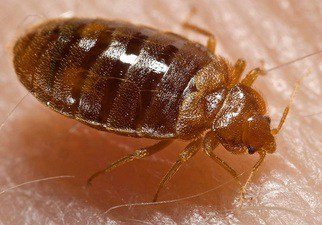
1. They don’t jump or fly
Bed bugs crawl, which is slow going for an insect about the size of an apple seed. That’s exactly why they hitch rides instead: on luggage, secondhand furniture, backpacks, and the seams of a coat after a night in a hotel or a long train ride. A bed bug can cover roughly 1 m a minute on its own, which is nothing compared to how far it travels tucked inside a suitcase lining.
2. They can go months without a meal
An adult bed bug can survive for months between feedings in the right conditions, which is why an empty apartment or furniture left in storage doesn’t guarantee the problem is gone. A vacant unit that sits closed up for a few weeks between tenants often isn’t vacant long enough to starve out an existing population.
3. They feed roughly every five to ten days
Despite the myth, bed bugs aren’t biting nightly. That gap between meals is part of why an infestation can build for weeks before anyone notices. A single bug might feed two or three times a month, which means the visible signs, stains, shed skins, the odd bite, show up slowly and inconsistently rather than all at once.
4. Bites often show up in a line
Because a bed bug repositions and bites again if disturbed, people often find three or four bites in a row on an arm or leg, sometimes called the breakfast-lunch-dinner pattern. Not everyone reacts to the bites at all, so the absence of a visible reaction doesn’t rule anything out.
5. Their flat bodies are the whole strategy
An unfed bed bug is thin enough to hide in a mattress seam, behind a headboard, inside an outlet cover, or under peeling wallpaper. That flatness is what makes a visual check so unreliable on its own, a bug can be sitting 6 mm from where you’re looking and stay completely out of sight.
6. Heat above 48°C kills them at every life stage
Eggs, nymphs, and adults all die at sustained high heat, which is why heat treatment has become one of the more effective natural-first tools against them, without relying on heavy pesticide use. The key word is sustained: a hot dryer cycle can work on small items, but the whole room needs to hold that temperature long enough for the heat to penetrate mattress cores and furniture joints, not just the air.
7. They’re excellent hitchhikers, not homebodies
Bed bugs don’t nest in your yard or come in through cracks the way ants do. Almost every infestation starts with something carried in from somewhere else: a trip, a used couch, a delivery box left in a shared hallway. Multi-unit buildings are particularly vulnerable, since bugs can travel between units through shared walls, under doors, and along utility lines without ever going outside.
8. One female can lay hundreds of eggs
A single fertilized female can lay several hundred eggs over her lifetime, often five or so a day under good conditions, which is why a small problem caught early is dramatically easier to solve than one left for a few months. What starts as one or two bugs can turn into a room-wide population in six to eight weeks.
9. They’re resistant to a lot of over-the-counter sprays
Decades of exposure have made many bed bug populations tolerant of common store-bought insecticides. This is one of the main reasons DIY spray treatments so often fail to finish the job, and why bringing in a pest professional for targeted treatment matters. Spraying can also scatter a population deeper into a wall or an adjoining room rather than eliminating it, which is worse than doing nothing.
10. Cold doesn’t kill them as fast as people think
Bed bugs can survive short exposure to a freezing garage or an unheated storage unit. Reliable cold treatment requires sustained temperatures well below freezing, around -18°C, for several days, not an afternoon outside. Tossing a mattress in a cold garage overnight generally does nothing.
Where bed bugs hide that people miss
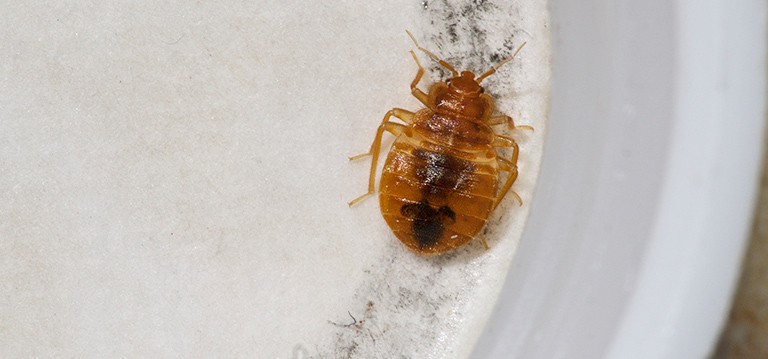
Most people check the mattress and stop there. A real check goes further:
- Along the piping and tags of the mattress and box spring
- Behind headboards, especially where they attach to the wall
- Inside nightstand and dresser joints, drawer tracks, and picture frame backs
- Under baseboards and behind loose wallpaper near the bed
- Inside electrical outlets and switch plates on walls adjacent to sleeping areas
What not to do if you suspect an infestation
A few common reactions actually make the problem worse. Don’t move mattresses or furniture to another room before treatment, that just relocates the population. Don’t spray a general household insecticide around the bed hoping to knock things down, it tends to scatter bugs rather than kill them. And don’t throw out furniture without wrapping it first, since a bug or egg case can drop off in a hallway or stairwell and start a new problem somewhere else in the building.
How professional bed bug treatment actually works
A pest control technician doesn’t just walk in and spray. A proper visit starts with an inspection: checking mattress seams, headboard joints, outlet covers, and the room perimeter with a flashlight and sometimes a magnifying loupe, since young nymphs are nearly translucent and easy to miss. Some pest management companies use a trained detection dog for larger properties or when an infestation is suspected but not yet confirmed visually, since a dog can locate bugs and eggs far faster than a visual sweep alone.
Treatment itself usually combines methods rather than relying on one approach. Heat treatment handles an entire room at once, raising the space to a sustained lethal temperature over several hours while furniture, wall voids, and electrical outlets are monitored. Targeted product application follows in cracks, seams, and voids where heat may not fully penetrate, using products chosen to keep the room safe to reoccupy once treatment is complete. Steam treatment is often added for mattresses and upholstered furniture that can’t go through a full heat cycle. Most jobs need a follow-up visit two to three weeks later to catch any eggs that hatched after the first treatment, since eggs tend to be more resistant to both heat and product than adult bugs.
What treatment typically costs and how long it takes
Pricing varies by region, unit size, and how far an infestation has spread, but a single-room treatment generally costs less than a whole-apartment or whole-house job, and heat treatments tend to cost more upfront than chemical-only visits while often requiring fewer follow-ups. Most straightforward cases resolve within two to three visits over about a month. Multi-unit buildings or infestations that have spread through shared walls can take longer, since every adjoining unit needs to be checked. Getting a firm number requires an in-person or video walkthrough rather than a phone estimate, since room size and how far bugs have spread change the price significantly, so treat any number quoted sight-unseen with caution.
Protecting yourself while traveling
Since almost every infestation starts with something carried in from somewhere else, a few habits at hotels and while traveling cut the risk substantially. Check mattress seams and the headboard before unpacking, keep luggage on a rack rather than the bed or floor, and run everything through a hot dryer cycle for at least 30 minutes when you get home, even if you never saw anything during the stay. Used furniture deserves the same scrutiny: inspect seams, joints, and undersides in daylight before it ever crosses your threshold, and consider leaving it in a garage or entryway for a few days before bringing it into a bedroom.
Common questions
Can I get rid of bed bugs myself? Small, very early infestations caught within days sometimes respond to thorough vacuuming, laundering, and mattress encasements, but most established infestations outlast DIY efforts because of how well bugs hide and how resistant many populations have become to store-bought products. If bites or signs continue after a couple of weeks of DIY effort, that’s the point to call a professional rather than keep trying on your own.
Will I need to throw away my mattress? Usually not. A mattress and box spring encasement rated for bed bugs traps any bugs inside and starves them out over time, and it’s typically far cheaper than replacement. Furniture with deep upholstery or covers that can’t be removed is the more common candidate for disposal, and usually only after treatment hasn’t resolved things after multiple attempts.
If you’re finding rusty spotting on your sheets or waking up with unexplained bites, don’t wait to see if it resolves on its own. We handle bed bug infestations across our service areas with natural-first methods backed by a real guarantee: if they’re not gone, we come back at no charge. Call 1-844-783-4821 to get started.