It is easy to think of pests as mostly a nuisance, something unpleasant to see rather than something to worry about. In reality, several common household pests cause damage that gets more expensive the longer it goes unaddressed, and some carry genuine health risks. Here is what is actually at stake with the pests we see most often.
Termites and Carpenter Ants: Structural Damage
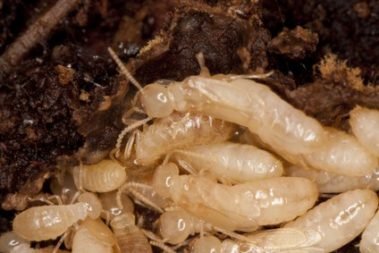
Termites feed on the cellulose in wood framing, and because most of that damage happens inside walls and support beams, it is often invisible until a floor feels soft or a door frame starts to warp. Carpenter ants do not eat wood, but they tunnel through it to build nests, and left alone for a couple of seasons, they can compromise a beam’s structural integrity in ways that are costly to repair. Both are worth catching early through visible signs, like small piles of sawdust-like frass, or discarded wings near windowsills in spring. The damage from both pests tends to follow moisture, framing near a leaking roof, a damp crawlspace, or a gutter that overflows against the siding is disproportionately at risk compared to dry, well-ventilated parts of a home.
Rodents: Fire Risk and Contamination
Mice and rats gnaw constantly to keep their teeth from overgrowing, and electrical wiring is a common target. Chewed wiring inside a wall is a documented cause of house fires, which is a bigger risk than most homeowners realize. Beyond that, rodent droppings can contaminate food storage areas and contribute to respiratory issues, especially in homes with dust from an infested attic circulating through vents. A single mouse can produce a large number of droppings in a day, and a small population in an attic or crawlspace adds up to a real contamination issue over just a few weeks, well before most homeowners notice an infestation by sight or sound.
Cockroaches: Allergens and Asthma
Cockroach droppings, shed skin, and saliva contain proteins that are a well-documented asthma and allergy trigger, particularly for children. An active infestation in a kitchen can measurably affect indoor air quality even in homes that otherwise look clean. Because roach allergens settle into dust and fabric rather than staying airborne, symptoms can persist for a while after an infestation is treated until a thorough cleaning removes the residue.
Bed Bugs: Sleep and Skin
Beyond the bites themselves, an active bed bug population disrupts sleep for weeks, and secondary skin infections from scratching are common. The psychological toll of a bed bug infestation is also real and often underestimated, disrupted sleep and constant vigilance about furniture, luggage, and secondhand items take a toll that outlasts the physical symptoms.
Wasps and Stinging Insects: Direct Risk
For the roughly 1 in 20 people with a serious allergy to stings, a wasp nest near an entryway or deck is a real safety concern, not just an annoyance. Nests also tend to grow through a season, so a small nest in May can be a significant colony by August, which is why a nest noticed early is a much smaller job to remove than one left until late summer.
Pantry Pests and Stored Product Insects
Weevils, Indian meal moths, and similar pests get into flour, grains, pet food, and dried goods, often arriving already in a product from the store rather than originating in your home. Left unchecked, they spread from one pantry item to others nearby, and larvae can work their way into unopened packaging that looks intact from the outside. The fix is usually straightforward, discard infested items, inspect anything stored nearby, and store dry goods in sealed containers going forward, but catching it early keeps the loss to one or two items instead of a whole pantry shelf.
Spiders and Silverfish: Nuisance vs Genuine Concern
Most spiders found indoors are harmless and actually help by feeding on other insects, so a spider or two in a basement corner isn’t cause for alarm on its own. The exception is regional, a handful of species, like the black widow or brown recluse in parts of the US, carry a bite that warrants medical attention, so it’s worth knowing which venomous species turn up in your specific area rather than treating every spider the same way. Silverfish are a different kind of problem entirely, they don’t bite, but they feed on the starch in book bindings, wallpaper paste, and natural fibers, and a damp basement or closet full of stored paperwork or photos is exactly the environment they thrive in. Left alone for a year or two, silverfish can do real damage to anything paper-based in long-term storage.
When Symptoms in the Home Point to Pests
Some of the clearest warning signs don’t look like pest problems at first. A persistent musty smell in one part of a house is often moisture, and moisture draws termites, roaches, and silverfish alike, so it’s worth investigating even before you’ve seen an actual pest. Scratching or scurrying sounds in a wall or ceiling, especially at night, usually means rodents rather than insects. Small holes in fabric or stored clothing point toward moths rather than a wear-and-tear explanation. And a sudden, unexplained increase in seasonal allergy or asthma symptoms indoors, without a clear outdoor trigger, is worth considering alongside a cockroach or dust mite check, particularly if it’s concentrated in one room like a kitchen. None of these symptoms are proof on their own, but they’re worth treating as a prompt to look closer rather than dismissing.
What Happens When These Pests Are Left Untreated
The common thread across all of these pests is that cost and risk both scale with time, not with the size of the pest itself. A termite colony a few months old is a localized treatment. The same colony after two or three years can mean structural repair alongside pest treatment. A wasp nest in its first weeks is a quick removal. The same nest at the end of summer can hold hundreds of wasps and take considerably more care to address safely. Waiting rarely makes any of these problems smaller or cheaper.
Why Termite Damage Gets So Expensive
The cost curve on termite damage isn’t linear, it accelerates. Early-stage activity caught through a routine inspection is typically a localized treatment addressing one entry point or colony. Damage that’s gone unnoticed for a few years can mean replacing structural framing, subflooring, or support posts, work that requires a contractor in addition to pest treatment, and the repair bill for advanced damage is often many times what an early inspection and treatment would have cost. Homeowners insurance typically does not cover termite damage, since it’s classified as a preventable maintenance issue rather than a sudden loss, which makes early detection the only real cost control available. An annual termite inspection, whether or not you’ve seen signs, is inexpensive relative to what it protects against.
A Few Common Questions
Which pest on this list causes the most expensive damage? Termites, by a wide margin, since the repair often involves structural carpentry, not just pest treatment. Rodent-related electrical damage is a close second when it goes far enough to require rewiring.
How do I know if pest damage is already structural, versus early-stage? Soft spots in flooring, doors and windows that suddenly stick or don’t close right, or a hollow sound when tapping trim are signs damage has already progressed. Frass, discarded wings, or a mud tube with no other symptoms usually still means early-stage activity.
Can I get sick from a rodent infestation even without seeing rodents? Yes. Droppings, urine, and nesting material can affect air quality and trigger allergic or asthmatic reactions well before you ever spot a rodent directly, particularly in an attic or crawlspace connected to your home’s airflow.
Is it worth getting a termite inspection if I’ve never seen signs? Yes, especially since the damage that matters most happens inside walls and framing where it isn’t visible until it’s advanced. An inspection from a pest management company looks for the early indicators, like frass, mud tubes, or hollow-sounding wood, that most homeowners wouldn’t know to check for or recognize.
Do these risks change much by region? Somewhat. Subterranean termite pressure is heaviest in warmer, moisture-prone regions across the southern US and coastal Canada, while drywood termites are more of a concern in parts of Australia and coastal areas of the US and UK. Rodent pressure tends to be more universal, rising everywhere as outdoor temperatures drop in fall.
Prevention Beats Repair
Nearly all of this damage is preventable with basic seasonal habits: sealing foundation gaps and utility entry points, keeping woodpiles away from the house, addressing moisture issues that attract termites and roaches, and having a pest professional check attics and crawlspaces once or twice a year. Spring is worth an extra look for termite swarms and early wasp nest building, while fall is the season to focus on rodent entry points before temperatures drop and mice start looking for a way indoors. Catching a problem in its early weeks is a fraction of the cost, in both money and disruption, of catching it after a season of unchecked growth.