
Most pest problems don’t start with an infestation. They start with an open door, so to speak: a gap under a garage door, a downspout dumping water against the foundation, a bag of birdseed left open in the shed. Before you pick up the phone, there’s real ground you can cover yourself, and most of it takes a weekend afternoon rather than any special skill.
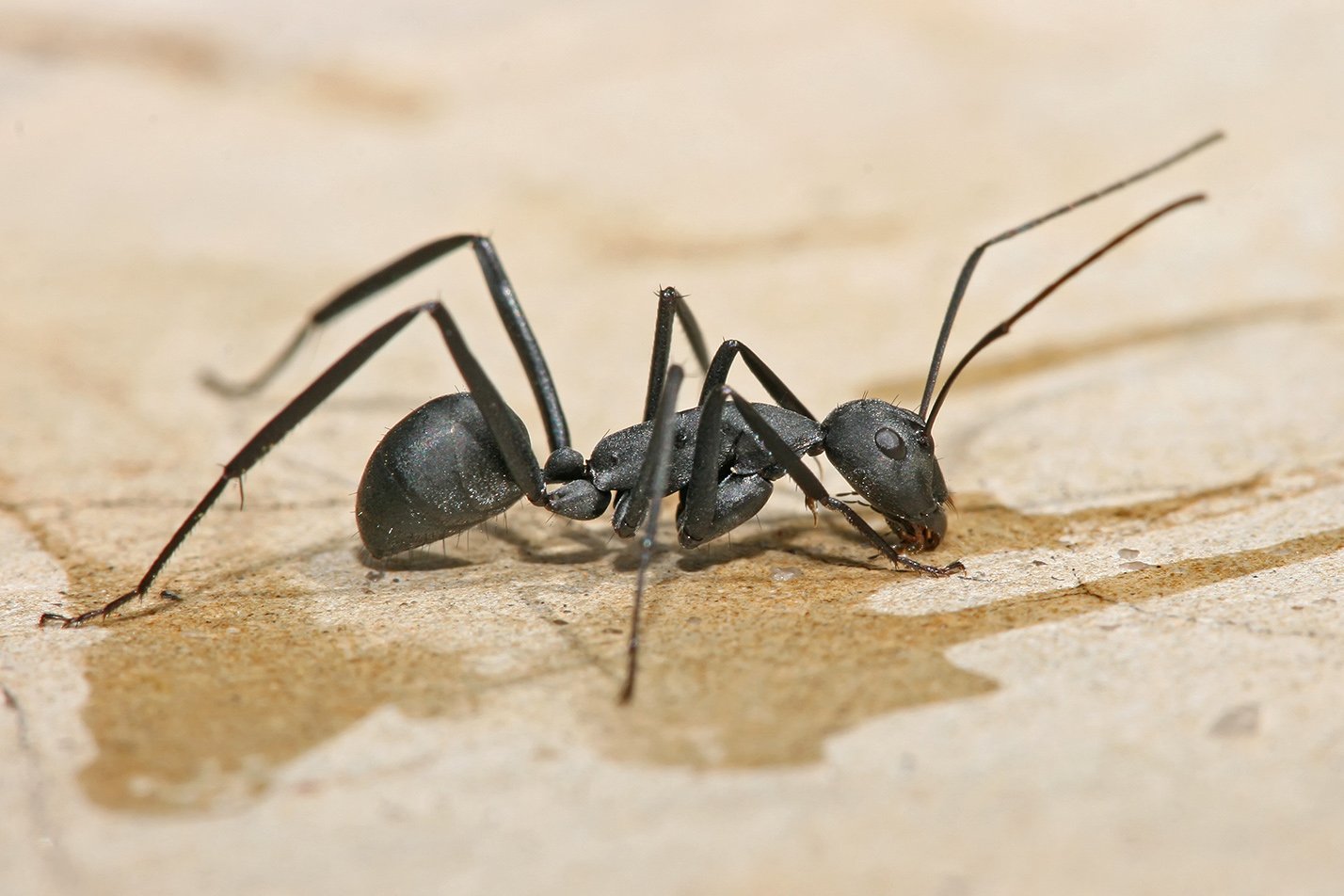
Start at the outside walls
Walk the perimeter of your home with a flashlight and look at it the way an ant or a mouse would. Gaps around pipes and cable lines, torn weatherstripping, and vents without screens are the usual entry points. A tube of exterior-grade caulk and some copper mesh (steel wool works too, since rodents can’t chew through either) will close most of them in an afternoon. As a rule of thumb, if you can fit a pencil into a gap, a mouse can fit through it, since mice can compress their bodies through openings barely larger than their skull.
Check the roofline and attic access too
Ground-level gaps get most of the attention, but rooflines matter just as much. Look for gaps where utility lines enter the attic, damaged soffit vents, and any spot where a tree branch touches or overhangs the roof, since that’s a bridge pests use to reach the structure without crossing open ground at all. A pair of binoculars from the yard works fine for a rough check before deciding whether a ladder inspection is worth doing yourself or worth hiring out.
Fix the moisture, not just the bug
Damp draws pests in and keeps them fed. Leaky outdoor spigots, clogged gutters, and AC units that drip near the foundation create exactly the humidity that cockroaches, silverfish, and termites need. If your region has a wet season, whether that’s a Gulf Coast summer, a UK winter, or a humid stretch in Queensland, a dehumidifier and proper grading away from the foundation do more long-term good than any spray. Aim to keep the grade sloping away from the house at roughly a 15 cm drop over the first 3 m; that alone solves a surprising number of foundation moisture problems.
Rethink your storage
Cardboard is basically pest housing. Switch pantry staples like flour, rice, cereal, and pet food into sealed containers, and keep firewood stacked well off the ground and away from the siding, ideally at least 6 m from the structure if you have the space for it. Garages and sheds tend to be where infestations quietly start, since they’re the least-checked part of a property. Go through stored boxes at least once a year, since cardboard left untouched for a season is exactly the kind of undisturbed, dark space pests prefer for nesting.
Keep an eye on the yard, not just the house
Mulch beds pushed right up against the siding hold moisture against the foundation and give pests a direct bridge to the structure; pull mulch back a few centimetres from the wall. Standing water in anything, a clogged gutter, a plant saucer, an unused kiddie pool, breeds mosquitoes within about a week in warm weather, so a quick walk after every rain to dump anything holding water is worth the five minutes it takes.
What NOT to do
Don’t rely on a single bug bomb or fogger to solve an active problem; they mostly settle on exposed surfaces and do little against pests living inside walls or deep in cracks, and can actually scatter a population into new areas of the house. Don’t seal an entry point you can see pests actively using without knowing what’s on the other side of the wall first, since trapping them inside can push them toward a new opening into living space instead. And don’t assume a clean house is an immune house; sanitation removes food and shelter, but it doesn’t seal a foundation gap or fix a moisture problem, so it’s one piece of prevention, not the whole plan.
Where DIY hits its limit
- An infestation already established in wall voids or under a slab
- Termites or other wood-boring insects, where damage is often invisible until it becomes serious
- Anything involving a stinging insect nest near the home, or a species you can’t confidently identify
A few tools worth having on hand
A basic kit covers most of this: a good flashlight, exterior-grade caulk, copper mesh or steel wool for gaps rodents might chew through, a handful of snap traps, and airtight storage containers for pantry staples. None of it is expensive, and having it ready means you can close a gap the day you spot it instead of putting it off until the next trip to the hardware store, which is often when a small opening turns into an established entry point.
Common DIY Mistakes That Undo Good Work
Caulking gaps without addressing the moisture problem that’s rotting the wood, or causing the gap, in the first place regrows the same opening within a season. Using expanding foam alone on a gap that rodents are actively chewing rarely holds up, since foam alone doesn’t stop a determined rodent’s teeth; pair it with copper mesh or hardware cloth first for anything larger than a pencil-width gap. And setting traps without figuring out where pests are actually entering just resets the population instead of reducing it, since new individuals fill the space left by whatever you caught.
Reading Signs Correctly
Fresh, dark, moist-looking droppings mean current activity, while dry, grayish droppings usually mean old activity that may already be resolved, an important distinction before assuming a problem is bigger than it is. Grease marks along a baseboard, dark smudges left by a rodent’s oily fur brushing the same path repeatedly, tell you exactly which route to focus sealing efforts on, since rodents are creatures of habit and reuse the same paths night after night. A few live ants on a countertop with no trail forming over several days is a very different situation than a visible trail moving steadily to a food source, and it’s worth watching for a couple of days before deciding how aggressive a response you need.
Setting Realistic Expectations for Store-Bought Products
Over-the-counter sprays and baits from a hardware store can handle light, early-stage problems reasonably well, but they’re formulated for broad use rather than your specific situation, and label instructions matter more than people expect. Using less than directed under-treats the problem, while using more doesn’t necessarily work faster and can create unnecessary exposure risk indoors. If you’ve used a store-bought product correctly, at the labeled rate, in the right location, and activity hasn’t dropped within a week or two, that’s a sign the product isn’t matched to what you’re actually dealing with, not a sign to just apply more of it.
What Waiting Actually Costs
Putting off a small pest issue rarely makes it smaller. A handful of carpenter ants ignored for a season can mean a colony established in damp wood by the time it’s addressed; a couple of mice ignored over a winter can mean a nest and multiple litters by spring. None of this means panicking over a single sighting, but it does mean the weekend of prevention work described above is genuinely cheaper, in money and hassle, than the version of the same problem six months later.
A quick question people ask
Is it worth doing a full DIY treatment before calling anyone? For a first sighting or two, yes, sealing and cleanup are worth trying first. But if you’re already past that, and you’ve treated with store-bought products more than once or twice without improvement, you’ve likely spent close to what a proper assessment would have cost anyway, and you’re no closer to knowing what’s actually causing the problem.
A Note on Product Choice
When picking a store-bought option, non-toxic, botanical-based sprays and baits handle a good share of light indoor and perimeter issues without the stronger warnings and re-entry waiting periods that come with heavier synthetic products, which matters if you have kids or pets moving through treated areas soon after application. They’re not automatically weaker, effectiveness has more to do with correct placement and reapplication schedule than with the active ingredient category, but they do tend to break down faster, so a shorter reapplication interval is often worth planning for compared to a longer-lasting synthetic option.
A simple seasonal habit
Pick one weekend each season, spring, summer, fall, winter, to redo the perimeter walk and the storage check. It takes less than an hour once you’re used to what you’re looking for, and catching a new gap or a fresh leak early is a lot less work than dealing with what moves in if it goes unnoticed for months. Fall is worth prioritizing above the others, since that’s when rodents are actively searching for a way indoors ahead of colder weather.
These jobs call for someone who can identify what’s actually happening behind the wall, not just what’s visible on it. If you’ve done the sealing and cleanup and pests are still turning up, that’s usually the sign it’s time to bring in a pest professional who treats the source of the problem, not just the symptoms.