What Are the Biggest Mistakes People Make With Pest Control?
The biggest mistakes people make with pest control include waiting too long, treating only visible pests, relying too much on DIY products, overlooking warning signs, and skipping follow-up steps. These mistakes can allow hidden pest activity to continue, even when the problem seems under control.
Why do small pest problems often become larger infestations?
A common mistake is assuming one mouse, a few ants, or occasional scratching noises are not serious. Homeowners may wait days or weeks before taking action because the problem appears minor.
The consequence is that pests may already be nesting out of sight. Mice and rats can hide in walls, basements, garages, attics, and crawl spaces. Ants may be travelling from a colony outside or inside the structure. Cockroaches can hide behind appliances, cabinets, and warm, damp areas. Bed bugs may spread from one room to another if they are not addressed early.
Prevention starts with taking early warning signs seriously. Droppings, gnaw marks, grease marks, scratching noises, damaged insulation, chewed wiring, and unusual odours should not be ignored. These signs may point to hidden pest problems.
A professional pest inspection can help determine whether the activity is isolated or part of a larger infestation. For homeowners dealing with recurring pest activity, early inspection is often safer than guessing.
Why Is Waiting Too Long to Act a Pest Control Mistake?
Waiting too long is one of the most common pest control mistakes homeowners make. Many people hope pests will leave on their own, especially if they only see one or two signs. Unfortunately, pests usually stay where they can find food, water, shelter, and access.
What happens when homeowners delay pest treatment?
Delayed treatment gives pests more time to spread. Rodents may damage insulation, contaminate stored items, and chew wires. Ants may expand their trails. Cockroaches may move deeper into kitchens, bathrooms, and wall voids. Wasps may build larger nests near decks, rooflines, sheds, or soffits.
In Barrie, seasonal changes can make delayed treatment more serious. During colder months, mice and rats may enter homes looking for warmth. In spring and summer, ants, spiders, flies, beetles, and wasps can become more active around homes and businesses.

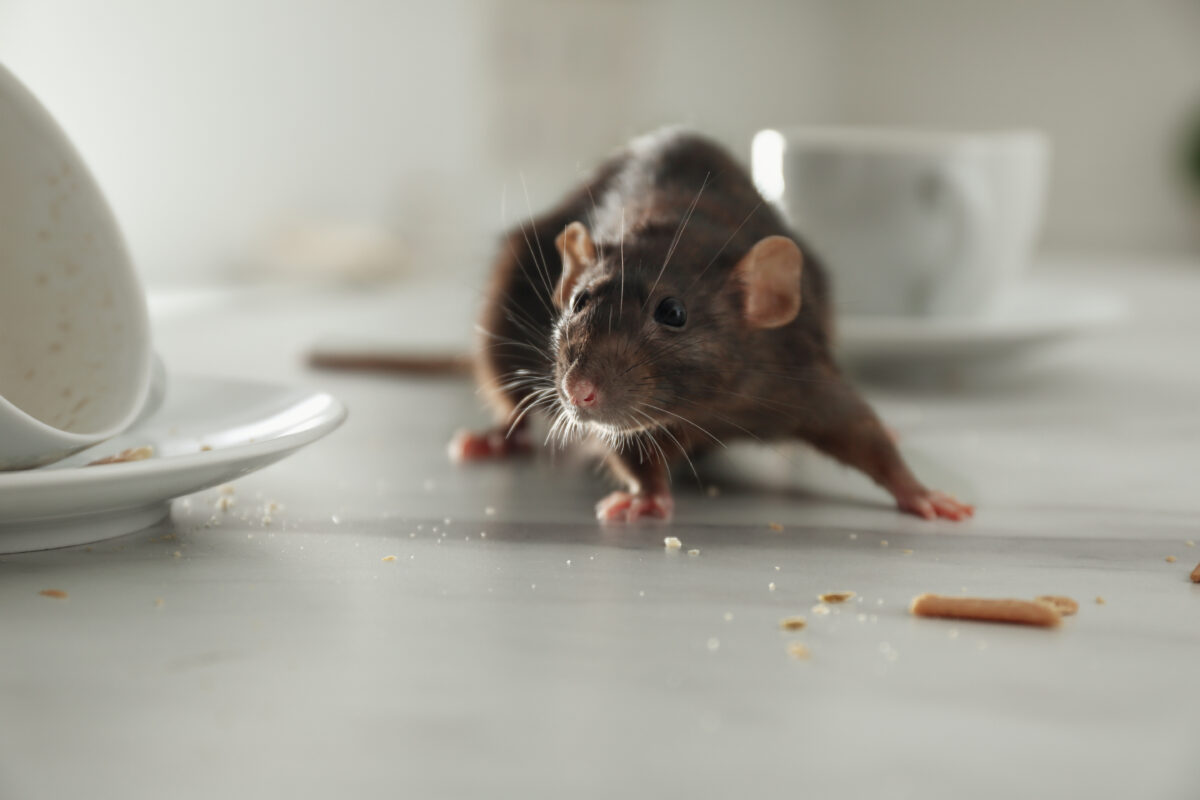
Rat near dirty dishes on table indoors. Pest control
The best prevention is to act when warning signs first appear. Small problems are usually easier to manage than established infestations. Early pest removal can also reduce the risk of sanitation issues, food contamination, and property damage.
Professional pest control in Barrie can help homeowners respond before pest activity spreads to multiple areas of the property.
Why Do DIY Pest Control Products Often Fail?
DIY methods can be useful for basic prevention, but they often fail when there is an active infestation. Store-bought sprays, bait traps, and home remedies may reduce visible pests for a short time. However, they may not reach nests, eggs, entry points, or hidden activity.
Why does store-bought pest control not always solve the problem?
Store-bought pest control products are often used without knowing the full extent of the problem. A homeowner may spray ants on a counter, place traps near a wall, or use a general insect spray in a basement. These steps may create temporary relief, but they do not always solve the source.
For example, spraying visible ants may not reach the colony. Cockroach sprays may miss hidden harbourage areas. Bed bug products may not reach eggs, cracks, mattress seams, and furniture joints. Rodent traps may catch one mouse while other mice continue entering through gaps.
The consequence is frustration. Pests seem to disappear, then return days or weeks later. This can make homeowners feel like the treatment worked at first, when the real issue was never fully addressed.
DIY pest control may also delay professional treatment. During that delay, pest activity can spread. A better approach is to use DIY methods for cleanliness, storage, and simple prevention, but seek professional pest control when activity continues.
How Can Treating Only Visible Pests Make the Problem Worse?
Another major mistake is focusing only on the pests that can be seen. Visible pest activity is often just the most obvious part of the problem. Many pests spend most of their time hidden.
Why is visible pest activity only part of the issue?
A mouse crossing the floor may be travelling from a hidden nesting area. A few cockroaches in the kitchen may indicate activity behind appliances or inside cracks. Ants near a window may be part of a larger trail leading to a colony. Wasps flying around a deck may be connected to a nest nearby.
When homeowners treat only visible pests, hidden activity can continue. This allows the infestation to rebuild. It can also cause pests to move into harder-to-reach areas if sprays are used incorrectly.
Prevention requires looking beyond what is visible. Homeowners should check for droppings, nesting material, grease marks, damaged insulation, chewed packaging, moisture issues, and access points. Attics, basements, garages, crawl spaces, storage rooms, sheds, and exterior walls should not be overlooked.
Professional pest control services focus on patterns, not just sightings. A proper inspection helps connect visible activity with hidden areas where pests may be living, nesting, or entering the property.
Why Is Poor Sanitation a Pest Control Problem?
Pest control is not only about treatment. It also depends on reducing the conditions that attract pests. Food, moisture, clutter, and waste can all make a property more appealing to rodents, insects, and wildlife.
How do food sources and moisture attract pests?
Many pests enter homes and businesses because they can find easy access to food and water. Crumbs, spills, open food containers, pet food, overflowing garbage, and dirty drains may attract ants, cockroaches, flies, mice, rats, and beetles.
Moisture problems can also increase pest activity. Leaky pipes, damp basements, clogged gutters, standing water, and poor ventilation may attract insects and create better conditions for nesting. Carpenter ants, cockroaches, flies, and other pests are often linked to moisture and sanitation concerns.
The mistake is treating the pest without fixing the conditions that support it. If food and moisture remain available, pests may return even after treatment.
Homeowners can reduce risk by sealing food, cleaning spills quickly, securing garbage bins, removing clutter, repairing leaks, and keeping storage areas organized. These steps support better home pest control and long-term pest prevention.
Professional residential pest control can also include practical prevention advice based on the layout and condition of the property.
Why Is Skipping Follow-Up Treatment a Mistake?
Some pest problems require more than one treatment or continued monitoring. A common mistake is assuming that one treatment always solves the whole issue. While some problems can be handled quickly, others need follow-up to confirm that activity has stopped.
When does one pest treatment not solve the whole problem?
One treatment may not be enough when pests have eggs, nests, hidden routes, or multiple activity areas. Bed bugs, cockroaches, ants, and rodents often require a more complete process. This may include treatment, monitoring, exclusion recommendations, sanitation improvements, and follow-up service.
If homeowners skip follow-up steps, pests may return. Eggs may hatch. Hidden insects may move back into treated areas. Rodents may continue entering through gaps. Ant colonies may remain active outside the home.
Follow-up treatment helps confirm whether the infestation is under control. It also gives the pest control company an opportunity to adjust the treatment plan if new activity appears.
For property owners in Barrie, follow-up service can be especially helpful during seasonal pest pressure. Spring, summer, fall, and winter can each bring different pest concerns, from ants and wasps to rodents and wildlife activity.
What Pest Control Mistake Checklist Should Homeowners Use?
A checklist can help homeowners avoid the most common mistakes before pest activity becomes harder to manage.
What should you avoid when pests appear?
Avoid these common pest control mistakes:
- Waiting too long to act
- Treating only visible pests
- Relying only on store-bought sprays
- Using bait traps without checking for hidden activity
- Ignoring droppings, gnaw marks, or grease marks
- Overlooking scratching noises in walls or ceilings
- Not checking attics, basements, garages, and crawl spaces
- Leaving food sources available
- Ignoring moisture problems
- Forgetting to secure garbage bins
- Letting clutter build up in storage areas
- Skipping follow-up treatment
- Assuming one treatment always solves the issue
- Ignoring seasonal pest pressure
- Waiting until pest activity spreads to multiple rooms
FAQs About Pest Control Mistakes
What is the biggest mistake people make with pest control?
The biggest mistake is treating only visible pests without addressing the source. Pests may be hiding in walls, attics, basements, crawl spaces, or exterior areas. Without proper inspection, treatment, and prevention, pest activity can continue even after visible pests seem reduced.
Why do pests keep coming back after DIY treatment?
Pests often return after DIY treatment because hidden nesting areas, food sources, moisture, and access points remain. Store-bought sprays and traps may reduce visible activity, but they may not solve the full infestation. Recurring problems often need professional inspection and targeted treatment.
Can store-bought pest control products make infestations worse?
Store-bought pest control products can make problems worse when used incorrectly. Some sprays may scatter ants or cockroaches into harder-to-reach areas. The wrong product can also delay proper treatment, giving pests more time to spread inside the property.
When should I call a pest control company?
Call a pest control company when pests keep returning, DIY pest control does not work, or warning signs increase. Droppings, gnaw marks, scratching noises, bites, nests, damaged insulation, and food contamination concerns are signs that professional pest control may be needed.
Is it bad to ignore one mouse or a few insects?
Ignoring one mouse or a few insects can be risky because visible pests may point to hidden activity. Rodents and insects often nest out of sight. Early pest treatment can help prevent larger infestations, property damage, and sanitation concerns.
What pest control mistakes should homeowners avoid?
Homeowners should avoid waiting too long, treating only visible pests, relying only on home remedies, skipping follow-up treatment, and ignoring food, moisture, and clutter. These mistakes can allow pest activity to continue and make infestations harder to control.
Why is professional pest control better for recurring infestations?
Professional pest control is better for recurring infestations because it focuses on inspection, treatment, monitoring, and prevention. A professional can identify activity patterns, assess infestation severity, target hidden areas, and recommend steps that reduce the chance of pests returning.
How can I prevent pest problems from coming back?
Prevent pest problems by keeping food sealed, cleaning spills, securing garbage, reducing moisture, removing clutter, and checking storage areas. Regular monitoring and preventative pest control can help protect homes from recurring pest activity throughout the year.
The biggest pest control mistakes usually happen when homeowners wait too long, treat only what they see, or rely on DIY products without addressing the source of the problem. These mistakes can allow rodents, insects, and wildlife to spread into hidden areas, causing more damage and stress over time.
For homeowners and business owners in Barrie, early action is important. A proper pest inspection, targeted pest treatment, and long-term pest prevention plan can help reduce recurring infestations and protect your property.
For reliable pest control in Barrie, contact Simcoe PestX for professional inspection, pest removal, and long-term pest prevention.