
Mosquitoes need standing water to breed, and it doesn’t take much. A bottle cap’s worth is enough for some species to complete their life cycle in under two weeks. That’s why the most effective mosquito control isn’t a fogger, it’s a weekly walk around your property looking for water that shouldn’t be there.
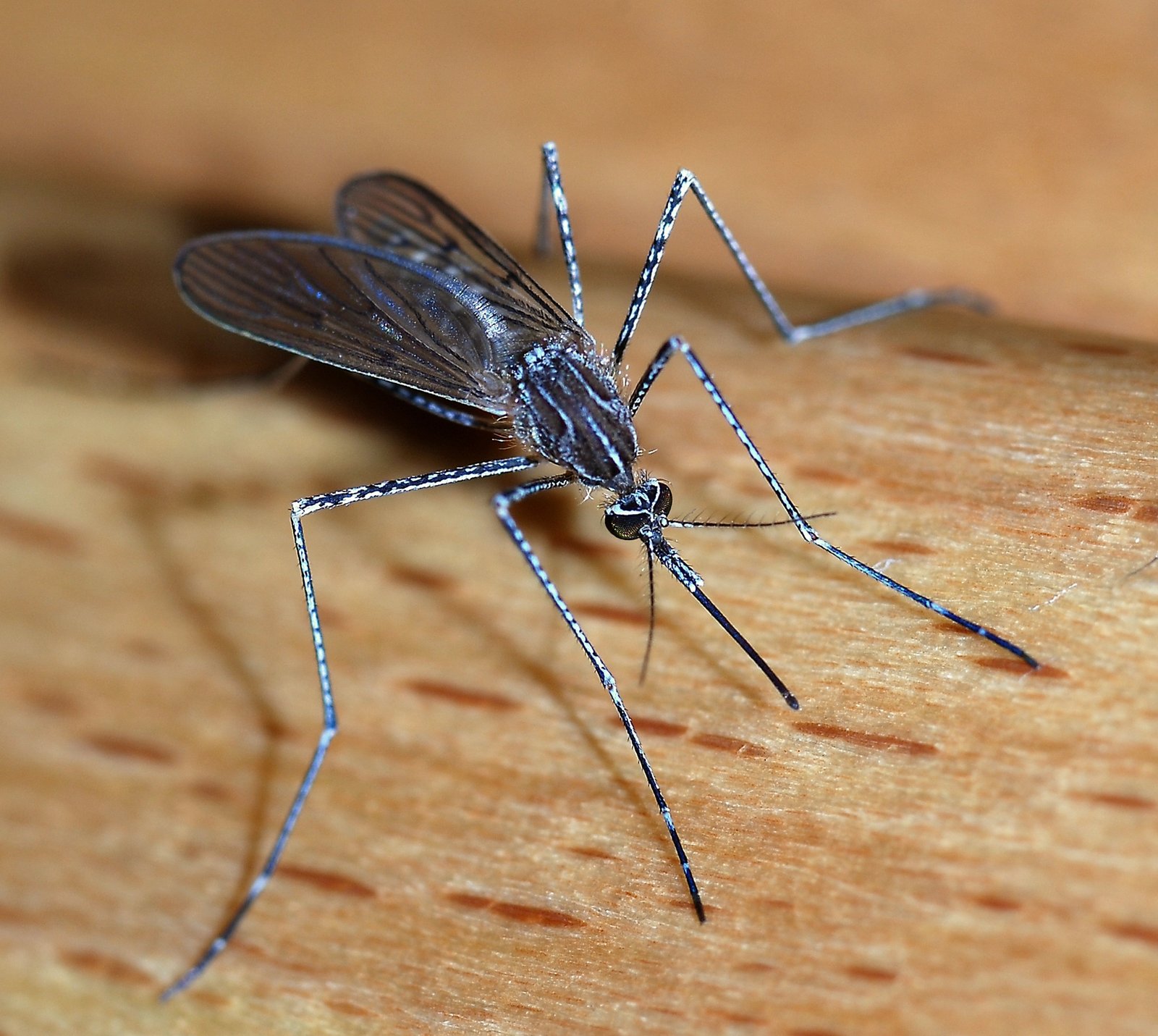
Why standing water matters more than anything else
A female mosquito lays her eggs directly on or near standing water, and the entire cycle from egg to biting adult can complete in as little as seven to ten days in warm weather. That speed is why a single missed source, a clogged gutter, a saucer under a potted plant, can undo weeks of otherwise good yard maintenance. Adult mosquitoes also don’t travel far from where they hatch in most cases, often staying within a hundred metres or so of their breeding site their whole life, which means the mosquitoes biting you on your patio are very likely breeding somewhere on your own property or your immediate neighbor’s.
Find the water first
Check clogged gutters, plant saucers, wheelbarrows, old tires, tarps with a low spot, and children’s toys left in the yard. Birdbaths and rain barrels are common offenders too, and they’re easy to miss because they’re supposed to hold water. Dump and refresh birdbaths every few days, and screen the top of rain barrels. In places with a proper wet season, like the humid Southeast US, coastal Queensland, or a rainy English summer, this needs to become a weekly habit rather than a one-time cleanup, since a single warm week after rain is all it takes for a new generation to hatch. Corrugated downspout extensions are a frequent blind spot, since the ridges trap 2.5 cm of water at the low points even after the rest of the yard has dried out, and flat porch roofs or gutters clogged with leaves behind them can hold water for weeks without anyone noticing from ground level. A French drain or dry creek bed that’s become choked with leaf litter can also pool water after every rain instead of draining it away as designed, so it’s worth clearing those out at the same time you’re checking gutters.
Use larvicide dunks in water you can’t remove
Some water sources, like ornamental ponds or drainage areas, can’t just be eliminated. For those, mosquito dunks containing Bti, a naturally occurring bacteria that targets mosquito larvae without harming fish, birds, or pets, are one of the most effective tools available and fit a natural-first approach well. Dunks typically remain effective for around thirty days, so marking a calendar reminder to replace them keeps a pond or low spot from becoming a breeding site again once the first application wears off. For larger low-lying areas, like a wet corner of a yard that never fully drains, a granular Bti product covers more ground than dunks and works the same way. Dunks and granules are labeled for ornamental and non-potable water only, never for anything used for drinking water or irrigation of edible crops, so check the label before treating a rain barrel that also waters a vegetable garden.
Manage the yard itself
Mosquitoes rest in shaded, overgrown vegetation during the day. Keeping grass mowed, trimming back dense shrubs, and thinning overgrown garden beds removes their daytime hiding spots and makes any treatment you do apply work harder. Citronella, lemongrass, and marigolds around seating areas can help at the margins, though they work best as one part of a broader approach rather than the whole plan.
Common mistakes that undercut yard treatment
A few habits quietly cancel out otherwise good mosquito control. Treating the yard once at the start of summer and assuming it’s handled is the biggest one; standing water reappears after every rain, so the walkthrough has to repeat on a schedule, not a single occasion. Running sprinklers heavily right after a barrier treatment washes it off vegetation before it has time to work, so it’s worth checking a treatment’s dry time before watering. Mowing right before or right after treatment has a similar effect on granular products. It’s also easy to treat flowering plants that pollinators visit without thinking about the overlap; targeting resting vegetation like shaded shrubs and ground cover, rather than blooming plants bees are actively working, keeps a mosquito treatment from doing collateral damage to the pollinators the rest of the yard depends on.
What doesn’t actually work
Bug zappers kill far more harmless and beneficial insects than mosquitoes, since mosquitoes aren’t strongly drawn to the UV light the traps use. Citronella candles provide a small amount of localized protection at best and do nothing for a yard as a whole. Ultrasonic mosquito repellent devices have no solid evidence behind them despite years on the market. None of these are harmful to try, but relying on them instead of addressing standing water and vegetation is the most common reason people feel like they’ve “tried everything” and still get eaten alive.
Personal repellents for the times you can’t avoid being outside
Yard maintenance reduces the overall mosquito population, but it won’t get you to zero, especially at dusk. For the times you’re actually outside, a repellent applied to skin or clothing is still the most reliable layer of protection. Products containing DEET, picaridin, IR3535, or oil of lemon eucalyptus (OLE) are the options with real evidence behind them, and each works differently: DEET and picaridin are broad-spectrum and long-lasting, while OLE is plant-derived and a reasonable choice for people who want to avoid synthetic repellents, though it needs reapplying more often. OLE products aren’t recommended for children under three. For DEET, the concentration determines how long it lasts, not how well it works, so a 20 to 30 percent formula lasting several hours is usually a better choice than repeatedly reapplying a lower concentration. Permethrin-treated clothing is another option worth considering for anyone spending extended time in the yard; it’s applied to fabric rather than skin and remains effective through multiple washes.
Timing it to your season
Mosquito pressure builds with warmth and rainfall, so the walk-the-property habit matters most right as your local season ramps up. In much of the US and Canada, that’s late spring through the first hard frost. In Australia, the risk window runs longer in the tropical north and is more seasonal further south. UK mosquito activity is generally lighter than in warmer regions but still ties closely to wet weather, particularly after a mild, damp spring. Starting the habit a few weeks before your typical season begins, rather than after the first bites of the year, keeps populations from ever building up the way they do once a few generations have already hatched.
When it’s time for a barrier treatment
If you’ve cleared standing water and thinned vegetation and mosquitoes are still making the yard unusable, a barrier treatment from a pest control company, applied to vegetation and resting areas, can knock populations down fast, without soaking the whole yard in something you don’t want your kids or pets walking through. Barrier treatments target the vegetation mosquitoes actually rest on during the day, which is more effective than spraying open air, and a properly applied treatment typically holds up for several weeks before it needs reapplying. Most companies offer this as a recurring service through the season, typically every three to four weeks, since that roughly matches how long a treatment holds up and how fast a new generation can establish itself. DIY backpack sprayers and yard-and-garden insecticide concentrates exist for homeowners who want to handle it themselves, and they can work reasonably well on a small, easily accessible yard. Where a pest control professional tends to earn their cost back is on larger properties, dense vegetation that’s hard to cover evenly, or after a couple of DIY attempts haven’t made a noticeable dent, since uneven coverage is the most common reason a homeowner treatment underperforms compared to a professional one.
Frequently asked questions
How much standing water actually matters? More than most people assume. Water that sits for four or more days is enough for eggs to hatch and larvae to develop in many species, so even a bucket forgotten for a weekend can produce a new batch of biting adults.
Do I need to worry about my neighbor’s yard too? To some extent. Since mosquitoes don’t travel far, a neglected pool cover or unmaintained yard next door can undo your own efforts. It’s reasonable to mention it if you’re doing everything right and still seeing high numbers.
Are some parts of the yard worse than others? Yes. Shaded, low-lying areas that stay damp longer after rain, along fence lines, under decks, behind sheds, tend to hold both standing water and the resting vegetation mosquitoes prefer during the day. Those spots are worth checking first on any walkthrough, since they usually account for a disproportionate share of the problem.
Will treating my yard help if I still get bitten on the porch at dusk? Dusk and dawn are peak activity times for most common species regardless of how well-managed a yard is, since that’s simply when they’re most active hunting for a blood meal. Reducing the breeding population lowers the number of mosquitoes overall, but a porch fan, which makes it harder for mosquitoes to fly and land, is still worth adding for those specific hours.
Is it worth treating my yard if I only have a small patio or balcony? Yes, on a smaller scale. Even container gardens and small balconies can have a saucer or drainage tray holding water, and a mini barrier treatment or repellent-treated seating area still helps, since mosquitoes don’t need much space to breed or bite.