A dog’s nose has somewhere around 220 million scent receptors, compared to roughly 5 million in a human’s. That difference is the whole reason detection dogs have become a serious tool in pest control, particularly for pests that are small, nocturnal, or hidden inside walls where a visual inspection alone can miss them.
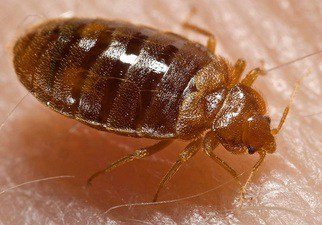
Bed Bugs Are the Clearest Case
Bed bugs are experts at staying out of sight, tucking into mattress seams, headboard joints, and baseboard cracks during the day. A trained dog can detect the scent of both live bed bugs and their eggs through walls and furniture, often finding an infestation in its earliest stage, before a visual inspection would turn up anything at all. That matters because catching bed bugs early is dramatically cheaper and less disruptive than dealing with an established infestation that’s spread through multiple rooms. A single fertilized female can produce dozens of offspring within weeks, so the gap between a first introduction and a full-blown infestation can be surprisingly short once numbers start climbing.
Termite Detection Works Differently
Termite-detecting dogs are trained to key in on the scent of the colony itself rather than visible damage, which means they can flag activity happening behind drywall or under a slab long before any wood damage becomes visible to a person. This is especially useful in homes with finished basements or slab foundations, where a visual inspector has no way to see what’s happening inside the wall cavity. A dog working a property methodically can cover interior walls and baseboards in a fraction of the time it would take to check the same area by sounding and probing wood by hand.
How the Training Actually Works
- Dogs are trained using scent imprinting, learning to associate a specific target odor with a reward, usually a toy or food, given only when they correctly identify the source.
- Training takes months, not weeks, and includes working around distractor scents, like cleaning products or pet odors, so the dog doesn’t false-alert on unrelated smells.
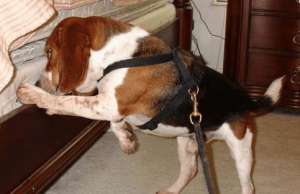
- Handlers are trained alongside the dog and learn to read subtle changes in behavior, since a dog’s alert can be a sit, a paw point, or simply a change in posture depending on how it was trained.
- Dogs are periodically retested against known scent samples to confirm accuracy hasn’t drifted, similar to recalibrating any other detection instrument over time.
- Certain breeds, including beagles, Labrador retrievers, and various terrier mixes, are common choices for detection work because of their strong scent drive and trainability, though the training matters more than the breed itself.
What a Working Day Looks Like
A detection dog typically works in focused sessions rather than continuously, since scent work is mentally demanding and accuracy drops with fatigue. A handler will usually run a dog through a property in a systematic pattern, room by room or zone by zone, giving the dog time to work each area rather than rushing through. Rest breaks between sessions keep the dog sharp, which matters more on a large commercial property or a multi-unit building where a full inspection might otherwise take hours.
Accuracy and Its Limits
Independently verified detection rates for well-trained bed bug dogs run well above what a visual inspection alone typically catches, though no method is perfect, and a good pest control program treats a dog’s alert as the start of an investigation rather than the final word. A skilled inspector will confirm a dog’s find visually where possible before recommending treatment. False alerts can happen, often from residual scent left after a previous treatment, which is one reason visual confirmation still matters even with a well-trained dog.
Where It’s Used Beyond Homes
Detection dogs also show up in settings where a visual inspection alone isn’t practical or fast enough: hotels and multi-unit apartment buildings doing routine bed bug screening, moving and storage companies checking items before they’re shipped, and schools or offices doing preventive sweeps rather than waiting for a complaint. In these settings, speed and coverage matter as much as accuracy, since checking dozens of rooms or units by eye simply isn’t realistic on a regular schedule.
Other Pests Dogs Are Trained For
Bed bugs and termites get the most attention, but scent-imprint training has been applied to other targets too, including certain wood-boring beetles and, in some agricultural and quarantine settings, detecting specific invasive insect species before they establish. The training principle is the same across all of them: isolate the target odor, reward correct identification consistently, and gradually add distractor scents until the dog’s response is reliable in real-world conditions rather than just a controlled training room.
How Detection Dogs Get Certified
Reputable detection dog programs run their teams through third-party certification rather than relying on in-house testing alone, since an independent evaluation is the only real check on whether a dog-and-handler team is performing at a reliable standard. Certification typically involves blind trials, where neither the handler nor the observer knows in advance which of several containers or rooms actually holds the target scent, which prevents a handler from unconsciously cueing the dog toward the right answer. Teams are usually recertified on a recurring schedule, often annually, rather than certified once and assumed to stay accurate indefinitely, since both a dog’s performance and a handler’s technique can drift over time without regular reinforcement. Asking a provider whether their team holds current third-party certification is a reasonable question before booking a canine inspection.
What a Canine Inspection Costs Compared to a Standard One
A canine bed bug or termite inspection typically costs more than a standard visual inspection, reflecting the specialized training behind the dog and handler team and the smaller number of teams generally available in a given area. For a single-family home, the difference is often modest, and it’s frequently worth it given how much earlier a dog can catch an infestation compared to visual inspection alone, particularly for bed bugs, where early detection can mean treating one room instead of an entire house. For larger commercial properties or multi-unit buildings, the speed advantage of a dog covering the same square footage in a fraction of the time can make it the more cost-effective option overall, even at a higher per-visit rate, simply because fewer total hours are billed.
Preparing a Home Before a Canine Inspection
A few simple steps help a detection dog work accurately. Avoid using scented cleaning products, air fresheners, or pesticide sprays in the days leading up to an inspection, since strong competing scents can make it harder for the dog to isolate the target odor, or in rare cases, mask it entirely. Clear clutter from floors and closets where possible, giving the dog and handler clear access to baseboards, furniture legs, and other spots that get checked closely. And if a previous treatment was done recently, mention it to the handler beforehand, since residual scent from dead insects or treatment chemicals is one of the more common causes of a false alert, and knowing about it in advance helps the handler interpret the dog’s response correctly.
Why Handler Skill Matters as Much as the Dog
A well-trained dog paired with an inexperienced or rushed handler underperforms a merely good dog paired with a skilled one, which is worth knowing when comparing providers. Reading a dog’s body language accurately, distinguishing a genuine alert from a dog that’s simply distracted or tired, takes real experience, and a handler who moves too fast through a property or skips giving the dog time to work an area properly can miss activity a slower, more methodical pass would have caught. This is part of why the training and certification of the handler, not just the dog, is worth asking about, and why a lower price from a provider using a less experienced handler isn’t necessarily a good value if it means a less thorough inspection.
A good way to gauge this before booking is simply asking how the handler was trained and how long the team has been working together, since a dog and handler who’ve been paired for years typically read each other far better than a recently assembled team, even if both dogs individually tested well in certification.
Common Questions
Does a dog alert mean there’s definitely an infestation? Not automatically. A trained dog is highly accurate, but a good inspector still confirms visually where possible, since a false alert from lingering scent after a past treatment is possible, if uncommon. How long does an inspection with a dog actually take? For an average home, often less time than a full manual inspection, since the dog can move through rooms quickly and only requires closer human attention where it alerts. Is this something every pest controller offers? No, it’s a specialized service that requires a trained dog and handler team, so availability varies by provider and region.
Where It Fits Into a Larger Approach
Detection dogs are best thought of as an early warning system. They tell you where to look and how urgently, which then informs a natural-first treatment plan targeted at the actual problem area instead of a blanket treatment across a whole property. It’s a good example of how pest control has moved toward more precise, less invasive methods over the years, using better information to use less product rather than more.