
If you’ve spotted small tan moths fluttering near your cabinets, or noticed fine webbing stuck to a bag of flour or rice, you’re dealing with Indian meal moths, the most common pantry moth in kitchens. The good news is you don’t need to spray anything to get rid of them. The bad news is it usually takes a few weeks of consistent work, because their life cycle runs six to eight weeks and eggs can be hiding in places you haven’t checked yet.
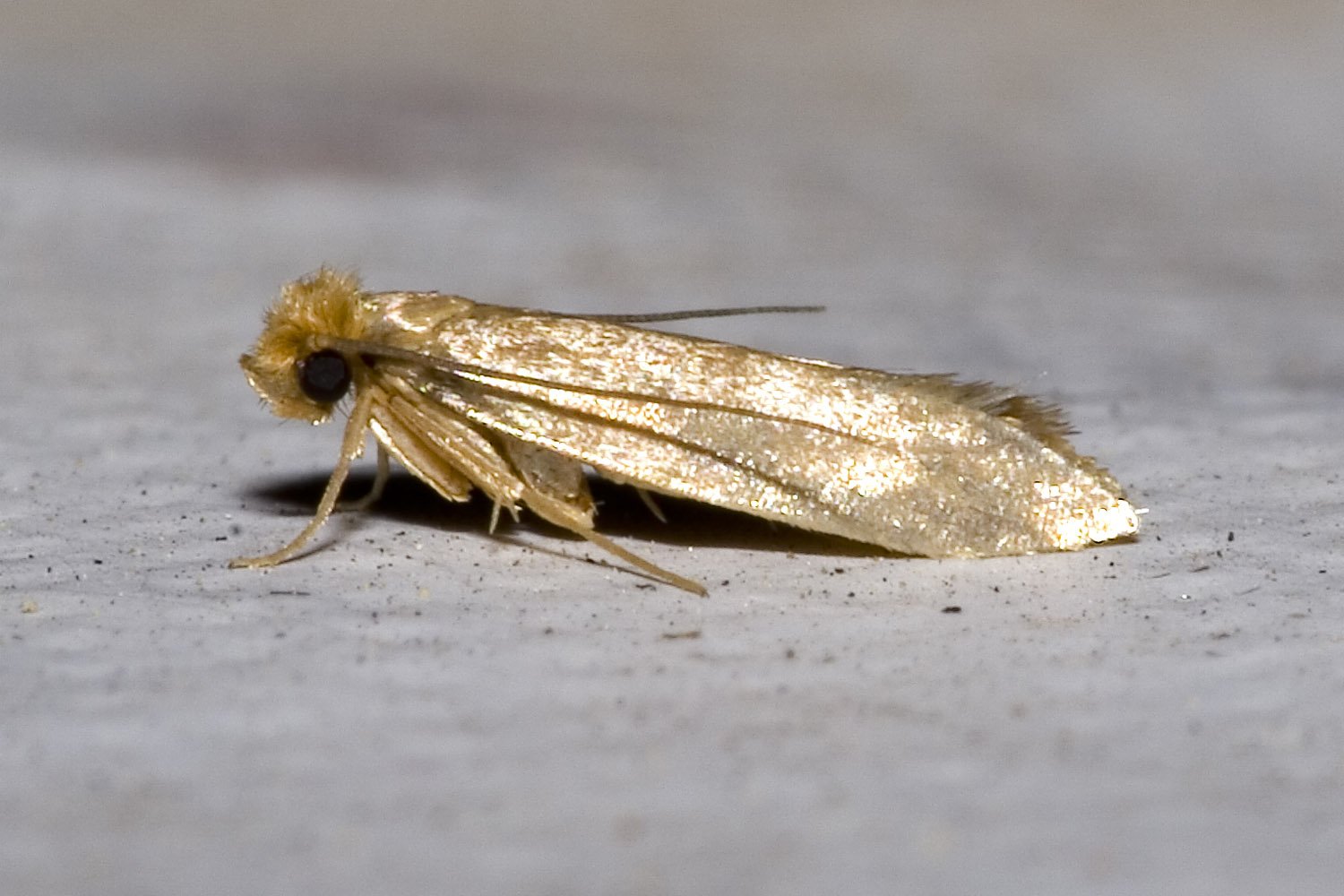
Start by finding the source
Almost every infestation starts with one package: flour, cereal, birdseed, dried pet food, nuts, dried fruit, or spices that sat in the pantry a little too long. Pull everything out of the cabinet and check it. If you see webbing, clumping, or small larvae, bag it and throw it out immediately, don’t just reseal it and put it back. It’s worth checking expiration dates while you’re at it, since older bags near the back of a cabinet are the most likely source and are easy to overlook during a quick check.
Why this happens
Pantry moth eggs are often already present in a product before it ever reaches your kitchen, laid during processing, storage, or transport, which is why an infestation can start even in a home that keeps a clean pantry. A single female can lay 100 to 400 eggs, and larvae are capable of chewing through paper, cardboard, and thin plastic to reach food or to wander in search of a place to pupate, which is why you’ll sometimes find them crawling up a wall or across the ceiling nowhere near the original food source. Warm kitchens speed the life cycle along, so infestations tend to develop faster in summer and in homes that keep pantries near a stove or in a warm, poorly ventilated space.
Other pantry pests that get mistaken for moths
Indian meal moths aren’t the only stored-product pest that shows up in a kitchen, and it’s worth knowing the difference since the source-hunting approach is similar but the visual cues differ. Weevils are small, dark beetles rather than moths, usually found in rice, dried beans, or pasta, and they don’t produce the webbing that’s the telltale sign of a moth infestation. Cigarette and drugstore beetles are tiny, reddish-brown, and tend to show up in spices, dried herbs, and pet treats rather than grains. If what you’re finding is crawling rather than flying, or if there’s no webbing anywhere, it’s worth confirming which pest you’re actually dealing with before assuming it’s the same Indian meal moth described here, since the specific hiding spots and habits differ slightly between species.
Clean before you restock
- Vacuum every shelf, corner, and crack, including hinges and the underside of shelves where larvae like to pupate.
- Wipe shelves down with a vinegar and water solution.
- Wash any containers that held infested food before reusing them.
- Check nearby areas too: moths travel, so inspect adjacent cabinets and drawers.
- Pay attention to seams and corners of the pantry itself, not just the shelves, since larvae often pupate in cracks along the ceiling or door frame of the cabinet.
- Don’t forget the space behind and underneath large appliances near the pantry, a refrigerator or oven that sits close to cabinetry creates a warm, dark gap that’s easy to skip during a shelf-level cleanout.
- Check spice racks and drawer-mounted spice organizers specifically, dried herbs and spices are a food source people rarely think to inspect during a pantry-wide check.
Protect what’s left
Grains, cereals, nuts, and dried fruit that survived the purge should go into the freezer for four days, which kills any eggs or larvae you might have missed. From there on, store dry goods in airtight glass or hard plastic containers rather than their original bags. Paper and thin plastic packaging is easy for larvae to chew through. This is also a good habit to extend to new groceries: freezing a new bag of flour, rice, or birdseed for a few days before it goes into a container is a simple way to make sure you’re not introducing a fresh source of eggs right after cleaning everything out.
Rotation matters as much as containment. Buying in bulk and letting a large bag of flour or birdseed sit unopened for months gives any eggs already present plenty of time to mature undisturbed. Where practical, buy smaller quantities more often for pantry staples that don’t move quickly in your household, and use a first-in, first-out system, oldest containers toward the front, so nothing sits forgotten at the back of a shelf for an extended stretch.
Pheromone traps help you track progress
Sticky pheromone traps won’t clear an infestation on their own, but they’re genuinely useful for two things: catching the adult males so they can’t mate, and giving you a read on whether numbers are actually dropping. If you’re still catching moths a month after cleaning everything out, there’s likely a source you haven’t found yet, sometimes it’s pet food in the garage, birdseed in a shed, or a bag of grain in a linen closet used for storage. Placing more than one trap, in the pantry and in an adjacent room, helps narrow down whether the source is contained to the kitchen or has spread further.
DIY vs. calling a professional
Most pantry moth infestations are entirely manageable without professional help, a thorough source hunt, freezer treatment, and a few weeks of trap monitoring resolves the vast majority of cases in a typical kitchen. Where it’s worth bringing in a pest professional is when an infestation keeps recurring despite a genuinely thorough cleanout, when moths are showing up in multiple rooms and the source can’t be pinned down, or when a household simply doesn’t have the time to do a full pantry teardown and multi-week follow-up. A pest controller doing a stored-product pest inspection knows the less obvious hiding spots, wall voids behind cabinetry, gaps around plumbing penetrations into a pantry wall, that a homeowner’s own search sometimes misses, and can help distinguish a genuine recurring source from a slow tail-off of the original infestation.
Common mistakes that stall progress
Cleaning the pantry thoroughly but skipping the freezer step for surviving grains is a common one, a container that looks fine can still have eggs that hatch a few weeks later inside your new airtight storage. Another is checking only the pantry itself and missing pet food storage, birdseed, or decorative dried items like potpourri and wreaths, all of which can harbor an infestation just as easily as a bag of flour. And some people give up on trap monitoring too early, seeing zero catches for a week or two doesn’t necessarily mean the problem is over if the life cycle is only partway through, which is why the full six-to-eight-week window matters more than a quick early check.
A few common questions
Do I need to throw out everything in the pantry? No, only items that show signs of webbing, clumping, or larvae, or that were stored loosely next to an infested package. Sealed cans, jars, and bottles are almost never affected. Can pantry moths spread to other rooms? Yes, larvae wander in search of a place to pupate, and adults fly, so a kitchen infestation can turn up moths in a nearby living room or hallway even without a food source there. Is it safe to keep eating food from the same pantry while cleaning it out? Generally yes, as long as you’re checking each item carefully and freezing anything questionable before it goes back in, though many people prefer to just replace a heavily infested item rather than risk it.
Can pantry moths get into sealed jars or cans? No, the larvae can chew through paper, cardboard, and thin plastic, but not glass or metal. Anything stored in a proper sealed jar or unopened can is safe even sitting right next to an infested package.
How much does it cost to deal with a pantry moth problem? For most households, the main cost is replacing infested food and buying a set of airtight containers, both modest expenses. If the infestation keeps recurring despite a thorough cleanout, that’s when bringing in a pest professional starts to make financial sense, since a source hidden somewhere you can’t easily reach can otherwise mean repeatedly replacing groceries every few months.
What not to do
Spraying insecticide inside a food storage area isn’t just unnecessary, it’s a genuine risk around anything you’re going to eat later, and it does nothing about eggs already inside sealed packaging. Wiping shelves down without removing and checking every single item first just means you’re restocking a cleaned shelf with the same infested source. And tossing infested food into the kitchen trash without sealing it well can let larvae crawl right back out and re-establish nearby, so bag it tightly or take it straight to an outdoor bin.
Give it time
Because of that six-to-eight-week life cycle, a clean pantry today doesn’t mean the problem is over. Keep checking weekly for another month or so. A realistic timeline looks like this: noticeably fewer moths within the first one to two weeks, occasional stragglers through week three or four as any missed eggs finish hatching, and trap catches dropping to zero by around week six if the source has actually been eliminated. If moths keep showing up despite a thorough cleanout, there may be an infestation source you can’t reach on your own, and that’s a reasonable time to call in help rather than keep guessing.