
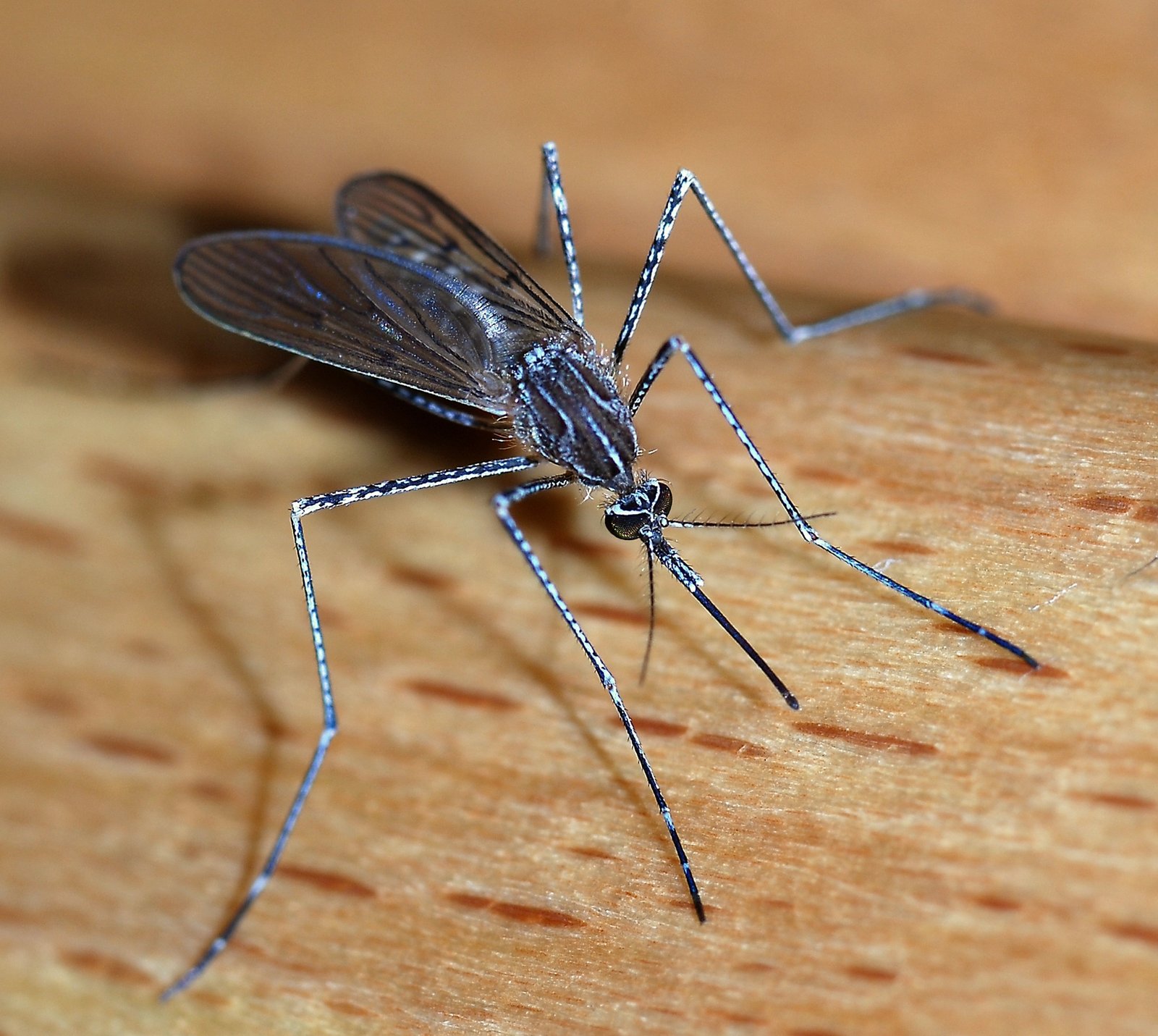
Mosquitoes don’t need much. A bottle cap of water sitting still for a week is enough for a new generation to hatch. If your yard has a low spot that stays wet after every rain, that patch is doing more to keep mosquitoes around than anything happening at the property line.
Why a Little Water Causes a Big Problem
A female mosquito can lay 100 to 200 eggs at a time, and in warm weather those eggs move through larva and pupa stages to become biting adults in as little as seven to ten days. That means a puddle that seemed harmless on Monday can be producing new mosquitoes by the following weekend. It’s also why treating the adults you see flying around does almost nothing on its own. The next generation is already developing somewhere on the property, usually within a few dozen feet of wherever people are getting bitten.
Start With Where the Water Actually Sits
Walk the yard the day after a heavy rain and note where puddles linger longest. Common culprits are low spots in the lawn, clogged gutters, tarps or covers that pool water, plant saucers, and areas where a driveway or patio slopes toward the house instead of away from it. Anything holding water for more than four or five days is worth addressing before mosquito season gets going, whether that’s late spring in the northern US and Canada or the start of the wet season in Queensland. Keep a rough map or photo log on your phone; the same low spots tend to show up after every rain, and having a list makes the fix work go faster.
Fix the Grading First
Most yard drainage problems come down to grading. Ground within ten feet of the foundation should slope away from the house at roughly a quarter-inch drop per foot. If a low spot has developed in the lawn over the years, filling it with topsoil and reseeding is often the cheapest fix available, and a single weekend is usually enough to fill, level, and reseed a small area. For larger low areas, a swale, which is simply a shallow, grassy channel that directs water toward a drain or street, can carry a surprising amount of runoff without any digging equipment. Swales work best when they have at least a slight, continuous slope; a flat channel just becomes another place for water to sit.
When Grading Isn’t Enough
- French drains use a gravel-filled trench with a perforated pipe to carry water underground to a better exit point, useful where the yard is flat or hemmed in by fences and structures. A basic residential French drain typically runs from the wet area to a daylight exit point or a dry well, and depth matters more than length, most need to sit at least a foot below grade to work reliably.
- Dry wells give water somewhere to go when there’s no slope to work with, collecting it in a buried gravel or chamber pit where it can soak into the soil gradually. They work best in sandy or well-draining soil; heavy clay soil can leave a dry well nearly as saturated as the surface it was meant to fix.
- Downspout extensions are the simplest fix of all, moving roof runoff at least six feet from the foundation instead of dumping it right at the base of the house. A single heavy roof can shed hundreds of gallons in one storm, and if that water isn’t carried away, it will find the nearest low spot every time.
Don’t Forget the Small Stuff
Gutters clogged with leaves are one of the most common sources of standing water people overlook, since the overflow pools right against the house. Check them at least twice a year, more often if the property has overhanging trees. Empty and store anything that can collect rainwater when it’s not in use, from wheelbarrows to kiddie pools to plant saucers, and check that any garden features like birdbaths get their water changed at least twice a week. Old tires, upturned trash can lids, and tarps bunched over firewood piles are easy to miss because they don’t look like water sources until you actually check underneath them after a storm.
What Not to Do
Don’t rely on bug zappers or citronella candles to solve a standing water problem; they deal with adult mosquitoes that are already flying, not the eggs and larvae still developing in the yard. Don’t dump chlorine bleach or pool chemicals into a puddle hoping to kill larvae, it’s not effective against mosquito larvae specifically and can harm the soil and any nearby plants. And don’t assume a water feature is safe just because it has moving water, some fountains and small ponds have slow-flowing edges and corners where water sits still enough for mosquitoes to use anyway.
If Water Can’t Be Removed
Some water features, ponds, or low areas serve a purpose and aren’t going anywhere. In those cases, a natural larvicide added to standing water kills mosquito larvae without harming fish, pets, or the plants around it, and it’s a good option for the spots that grading alone can’t solve. These products typically need to be reapplied every few weeks through the warm season, more often after heavy rain dilutes them.
Testing Your Yard’s Drainage
A simple test tells you a lot before committing to any fix. Dig a hole about a foot deep and a foot wide in the problem area, fill it with water, and time how long it takes to drain. Well-draining soil clears in a few hours; soil that’s still holding water after 24 hours is a strong sign of compacted or clay-heavy soil that will need more than surface grading to fix, likely a French drain or dry well rather than just re-sloping the lawn. This same test is worth running in a few different spots around the yard, since drainage can vary significantly across a single property depending on soil composition, compaction from foot or vehicle traffic, and how close an area sits to bedrock or a high water table.
Permeable Surfaces Make a Long-Term Difference
Traditional concrete and asphalt shed water fast, which sounds helpful until that water has nowhere to go but the nearest low spot. Permeable pavers, gravel, and even a well-maintained lawn absorb far more rainfall than a hard surface does, and replacing a section of solid patio or walkway with a permeable alternative can noticeably reduce runoff pooling nearby. This matters most on properties with a driveway or patio that slopes toward the house rather than away from it, since that runoff has to end up somewhere, and a hard surface funnels all of it to the same low spot every time it rains.
DIY Versus Hiring a Drainage Contractor
Downspout extensions, filling small low spots, and clearing gutters are all reasonable weekend projects with basic tools. French drains and dry wells are a bigger commitment: digging a proper trench at the right depth and slope, usually a minimum fall of one inch for every eight to ten feet of pipe run, is easy to get wrong, and a French drain installed without enough slope just becomes an underground version of the same standing water problem. For a small, well-defined low spot, a DIY French drain over a weekend is realistic. For a yard with a more complex grading issue or a foundation that’s showing signs of water intrusion, a licensed drainage contractor is worth the cost, since a poorly executed fix can direct water toward the foundation instead of away from it, trading a mosquito problem for a much more expensive one. The EPA’s Soak Up the Rain program has useful guidance on matching a drainage solution to a property’s specific soil and slope conditions, and most municipal stormwater offices offer similar free resources for homeowners dealing with a persistent wet spot.
Lawn and Soil Habits That Prevent Puddling
Compacted soil is one of the quieter causes of a wet yard, and it’s easy to overlook since it doesn’t look any different from healthy soil at a glance. Heavy foot traffic, parking on the lawn, or construction equipment used during a past renovation can compress soil enough that water simply can’t soak in the way it used to, and the fix is aeration, either a rented core aerator or a lawn service visit once a year in problem areas. Thin, patchy grass holds water worse than a dense, healthy lawn, since grass roots create channels that help water infiltrate, so overseeding bare or thin patches does double duty for both lawn appearance and drainage. Adding a couple of inches of compost to a struggling area before reseeding improves soil structure over a season or two, which for many yards is a cheaper, longer-lasting fix than jumping straight to a French drain.
How Long Before You Notice a Difference
Once the standing water sources on a property are addressed, most households notice a real drop in mosquito activity within one to two weeks, since that’s roughly the time it takes for the current larvae to finish developing without a new batch replacing them. If bite pressure doesn’t ease up after that window, the water source is likely somewhere off the property, a neighbor’s yard, a shared drainage ditch, or a storm culvert, and that’s worth investigating before assuming the fix didn’t work.