Hotels have a pest exposure most other businesses don’t: a constant flow of new guests, luggage, and belongings moving through the building every day, any one of which can bring something in. Here’s what actually shows up most in hospitality properties, why, and what a property can realistically do about each.
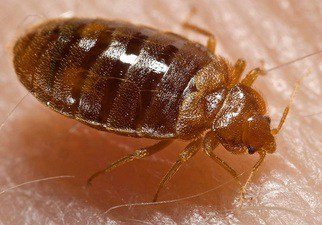
Bed bugs
The one every hotel manager dreads, and for good reason: bed bugs travel in luggage and clothing, so a property can do everything right and still get an introduction from a single guest’s suitcase. They hide in mattress seams, headboards, and even electrical outlet plates, and a single guest complaint can turn into a room-by-room inspection fast. Because a female bed bug can lay several eggs a day and a population can go from a handful to dozens within weeks under the right conditions, the gap between introduction and a visible infestation is often shorter than staff expect. Regular monitoring, not just reactive treatment after a complaint, is what keeps this manageable, and it means checking rooms on a rotation rather than only inspecting the one a guest complained about.
Cockroaches
Kitchens, room service areas, and vending machine nooks give German cockroaches everything they need: warmth, food debris, and moisture. They reproduce fast enough that a small population becomes a visible one within weeks if drain lines, floor drains, and equipment gaskets aren’t part of a regular check. Cockroaches are also nocturnal and hide well during the day, so a kitchen that looks clean during a daytime walk-through can still have an active population that only becomes obvious at night or when equipment is moved.
Rodents
Loading docks, dumpster areas, and older buildings with gaps around utility penetrations give mice and rats access, especially as outdoor temperatures drop in fall. A rodent sighting in a lobby or hallway is one of the fastest ways to lose a guest’s trust, often before the front desk even knows there’s an issue, since a single guest encounter can turn into a review before management ever hears about it directly. Loading docks in particular deserve regular attention, since delivery activity means doors are propped open far more often than any other entry point in the building.
Ants and occasional invaders
Landscaped grounds, pool areas, and outdoor dining spaces create ant trails into ground-floor rooms and kitchens, particularly in warmer climates across the southern US and Australia where ant activity runs longer through the year. Ground-floor rooms with patios or balconies are especially exposed, since sliding doors and their tracks are harder to seal completely than a standard interior door.
Occasional invaders like millipedes, crickets, and spiders follow the same landscaping-to-building path and spike after heavy rain or irrigation cycles, which makes properties with automated sprinkler systems worth extra attention around the perimeter. None of these are usually a serious threat on their own, but a guest who finds several in a ground-floor room over a single stay reads it as a maintenance failure regardless of how minor the pest itself is.
Flies and mosquitoes near outdoor amenities
Pools, fountains, and grease areas near loading docks create breeding spots for flies and mosquitoes that affect the guest experience on patios and outdoor event spaces, even when the core building is clean. Standing water in decorative fountains or drainage areas is an easy source to overlook because it’s designed to be there, unlike a puddle that obviously needs draining.
Stinging insects around outdoor spaces
Pool bars, patios, and outdoor dining draw wasps and yellow jackets, particularly in late summer when colonies peak and foraging gets more aggressive around food and sweet drinks. For a hotel, this isn’t just an annoyance, it’s a liability concern given how many guests may have an allergy they haven’t disclosed, and a single sting incident at a poolside event can escalate fast.
Peak pest season and peak occupancy season overlap for most properties, which is exactly the wrong combination if pest management is treated as an afterthought. Summer is when pools, patios, and outdoor event spaces see the most bookings, and it’s also when wasps, mosquitoes, and ants are most active. A property that only ramps up pest management in response to a complaint is always managing the problem during its highest-traffic, highest-visibility season, rather than having gotten ahead of it during the slower months when treatment is easier and guests aren’t around to notice.
Why hotels need a different approach than a house
Volume and turnover change the math. A residential property might get inspected once and treated once; a hotel needs a recurring schedule across every guest room, not just common areas, because a single missed room lets a bed bug or cockroach population rebuild. Documentation matters too, hotel groups and franchise brands often require pest control records for their own compliance audits, separate from local health codes.
Franchise brands increasingly build pest management requirements directly into their operating standards, requiring documented service visits, retained inspection reports, and in some cases a formal Integrated Pest Management (IPM) plan on file for brand audits. An IPM approach, combining routine monitoring, sealing and sanitation work, and targeted treatment only where activity is confirmed, tends to satisfy both the documentation requirement and the practical goal of catching problems early, which is why it’s become the standard framework across the hospitality industry rather than a niche add-on.
What NOT to rely on
Waiting for guest complaints as the primary detection method is the single biggest mistake hospitality properties make. By the time a guest complains, the population is usually well past the point where a quick spot treatment resolves it. Relying on housekeeping’s informal observations without a documented inspection schedule is another gap, since staff turnover and time pressure mean things get missed even with good intentions. And treating a single reported room without checking adjacent rooms, especially for bed bugs, which move easily through shared walls and wiring conduits, often means the problem resurfaces a few doors down within weeks.
What we bring to hospitality accounts
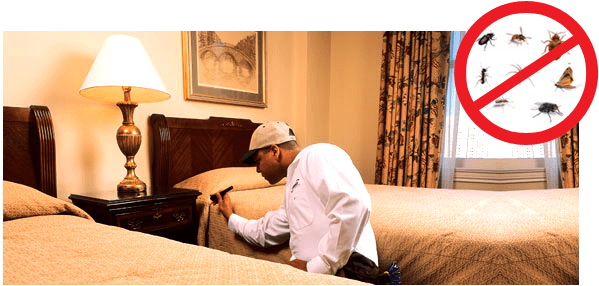
Our pest professionals handle room-by-room monitoring protocols, discreet scheduling that doesn’t disrupt guest stays, and treatments chosen to be effective without leaving odor or residue in occupied rooms. When something is found, we move fast, because in hospitality, the gap between finding a problem and handling it is what determines whether a guest ever finds out at all.
What a pest incident actually costs a property
The direct cost of a bed bug or rodent incident is rarely just the treatment invoice. A confirmed bed bug room typically needs to be pulled from inventory for treatment and a follow-up inspection, which means lost room revenue on top of the service cost. Add in comped nights or refunds for the affected guest, potential comps for guests in adjacent rooms who ask to be moved as a precaution, and staff time spent handling the situation, and a single incident can cost far more than a routine inspection would have. The reputational cost compounds that: a documented pest issue can affect a property’s standing with franchise brand audits, and repeated findings during a brand inspection can put a franchise agreement at risk in serious cases. None of that is a reason to panic over an isolated incident, properties get isolated incidents even with excellent programs in place, but it’s the argument for treating monitoring as a fixed operating cost rather than something to trim when occupancy is soft.
Staff training: the first line of detection
Housekeeping staff are in every room daily and are often the first to spot a problem long before it reaches the front desk as a complaint. Basic training on what to look for, small rust-colored spotting on mattress seams or headboard backs, droppings along baseboards or inside cabinets, gnaw marks on stored linens or amenities, pays for itself the first time it catches something early. Staff should have a clear, simple reporting path, who to tell, what to document, and what happens next, rather than being left to decide on their own whether something is worth mentioning. Properties that build this into onboarding and refresh it periodically tend to catch problems while they’re still a single room, not a wing.
Frequently asked questions
How often should a hotel be inspected? High-turnover pest risks like bed bugs typically call for a rotating room inspection schedule so every room gets checked several times a year, with kitchens, loading docks, and common areas checked more frequently given their higher exposure.
Can pest control happen without disrupting guest stays? Yes, most of it. Scheduling around checkout times, using low-odor and low-residue treatments, and prioritizing discretion are standard parts of a hospitality account, and most guests never know a treatment happened in a nearby room.
What should staff do if a guest reports a pest sighting? Document exactly what was seen and where, move the guest if needed, and get the room and the rooms adjacent to it checked as soon as possible rather than waiting for a scheduled visit. Speed between report and inspection matters more for guest retention than almost anything else in the response.
What is Integrated Pest Management, and do we need a formal plan? IPM is an approach that prioritizes prevention and monitoring over routine chemical treatment, sealing entry points, managing sanitation, and using traps or monitors to catch activity early, with treatment applied only where it’s actually needed. Many franchise brands now expect a documented IPM plan as part of their operating standards, and even independent properties benefit from the structure since it keeps a paper trail ready for health inspections or insurance questions.