Hospitality runs on trust: guests hand over money expecting a clean room, a clean plate, a clean glass. Pests break that trust faster than almost anything else in the industry, because unlike a slow check-in or a cold meal, a pest sighting reads as a health and safety failure, not a service hiccup. Here’s how the most common ones actually undermine hospitality businesses, and what makes this industry’s exposure different from a typical home or office.
Bed bugs and the review economy
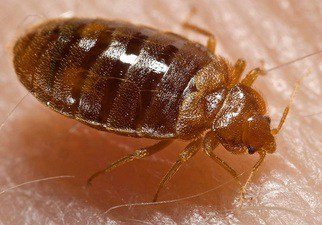
A single guest photo of a bed bug posted to a review site does more damage than the actual infestation, because it’s permanent, searchable, and shared long after the pest itself is gone. Hotels and short-term rentals live or die by review scores, and this is the one pest issue guests are most likely to post about publicly rather than just complain to the front desk. A single one-star review mentioning bed bugs can sit at or near the top of a listing for months, and it colors how every future guest reads the rest of the reviews, even the positive ones.
Cockroaches in food service
Restaurants, bars, and catering kitchens lose more than appetite appeal when roaches show up, they risk health inspection downgrades that get posted publicly in many jurisdictions. A visible cockroach in a dining room, even a single one, tends to end a table’s meal and often their return visits. It also tends to travel: a diner who sees a roach is more likely to mention it to the table next to them, and to friends afterward, than almost any other service failure.
Health inspections and the public record
In much of the US, UK, and Australia, health inspection results for food service businesses are published online or posted at the point of entry, which means a pest-related violation isn’t just an internal problem, it’s a searchable public record tied to the business name. A downgrade or failed inspection over pest evidence, droppings, live insects, or signs of rodent activity, can sit in search results and review aggregators well after the issue is corrected, in the same way a bad review lingers. Inspectors also tend to look harder at a property with a prior pest-related citation on file, which means one incident can mean more frequent scrutiny going forward, not just a one-time penalty.
Rodents and liability
Beyond the disgust factor, rodents chew through wiring, which is a fire risk, and through packaging and stored food, which is a straightforward loss. In event venues, a rodent sighting during a booked function, a wedding, a conference dinner, is the kind of story that follows a venue for years in word of mouth, repeated at every future event the same guests attend elsewhere.
Flies around food and beverage service
Drain flies breeding in floor drains, fruit flies around bar stations, and house flies near outdoor dining all chip away at perceived cleanliness even when the kitchen itself is spotless. Guests judge what they can see, and flies are visible in a way that a clean walk-in cooler isn’t. A single fly circling a plated dish photographs badly and reads as carelessness even when it’s an isolated, easily explained incident.
Wasps and stinging insects at outdoor venues
Event spaces, patios, and pool bars deal with wasp activity especially in late summer, when colonies are largest and foraging most aggressive. A wasp problem at an outdoor wedding or corporate event isn’t just unpleasant, it’s a genuine safety concern for guests with allergies, and a single sting incident during a booked event can turn into a liability claim on top of the reputational hit.
Event venues carry a particular version of this risk because the booking itself, not just the venue’s general reputation, is on the line. A couple who booked a wedding a year in advance and dealt with a wasp problem during the reception isn’t a guest who might come back, they’re unlikely to ever book the venue again and are motivated to describe exactly what happened when asked. Pre-event checks of outdoor spaces in the days leading up to a booked function, not just a general seasonal treatment schedule, catch nests that form between scheduled visits.
Short-term rentals face this differently than hotels
A hotel has staff on-site who can respond within the hour and a maintenance team who can move a guest to another room immediately. A short-term rental often doesn’t, which means a pest sighting there can sit unresolved for a full guest stay, turning one bad experience into one detailed, specific review rather than a quietly handled complaint. Hosts managing rentals across the US, Canada, Australia, and the UK are increasingly held to the same scrutiny as branded hotels by review platforms, without having the same on-site response infrastructure, which makes preventive scheduling even more important for that segment of the industry.
For hosts managing rentals directly, the practical fix is building a pest check into the same turnover process used for cleaning: a quick look under sinks, behind furniture, and around baseboards between every guest, rather than treating pest control as a separate, occasional task. Sealing obvious gaps, keeping firewood and storage bins away from the structure, and having a pest management company on call for anything beyond the basics closes most of the gap between a hosted property’s resources and a hotel’s on-site team.
The common thread
Every pest on this list does damage disproportionate to its size because hospitality sells an experience, and the experience is only as good as its worst five minutes. A property can do a thousand things right and still get remembered for the one wasp at the reception or the one mouse in the hallway.
This asymmetry is what makes hospitality different from most other industries when it comes to pest risk. A retail store with an occasional pest sighting rarely gets the same public, permanent record of it that a hotel or restaurant does, because hospitality reviews are structured specifically around describing the experience in detail, and a pest sighting is one of the most memorable, specific details a guest can include.
What NOT to do
Treating pest control as a line item to cut during slow seasons is one of the most common and costly mistakes in the industry, since pest pressure doesn’t pause just because occupancy drops. Handling a sighting quietly without documenting it or checking nearby rooms and areas often means the same issue resurfaces, sometimes in front of a different guest within weeks. And relying on a single annual treatment instead of a recurring monitoring schedule leaves long gaps where a small population has time to become a visible one.
Integrated Pest Management as the industry standard
Across hotels, restaurants, and event venues, the shift over the past decade has been away from routine calendar-based spraying and toward Integrated Pest Management: monitoring stations, sealing and sanitation work, and targeted treatment only where activity is actually confirmed. This matters for hospitality specifically because it produces a documented history, inspection dates, findings, actions taken, that stands up to a health inspector, a franchise auditor, or an insurance question, in a way that a memory of “we sprayed at some point” doesn’t. It also tends to catch problems earlier, since a monitoring program surfaces a small rodent or cockroach population while it’s still contained to one area, rather than waiting for it to become visible to a guest.
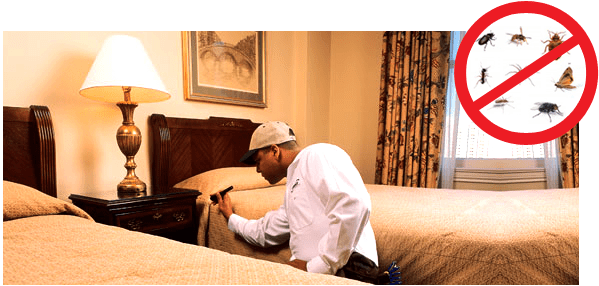
What actually prevents it
Consistent, documented monitoring beats reactive treatment every time in hospitality, because the goal isn’t just solving an infestation, it’s making sure it never becomes visible to a guest in the first place. That means scheduled checks in the areas guests never see, drain lines, loading docks, roof lines, paired with fast response when something is spotted. We build hospitality accounts around that standard, because in this industry, prevention isn’t a nice-to-have, it’s the actual product.
Frequently asked questions
How quickly does a pest issue actually affect bookings? Faster than most operators expect. Review platforms surface recent reviews prominently, so a single detailed negative review about pests can affect booking conversion within days of being posted, well before occupancy numbers show any broader trend.
The same logic works in reverse: a property with a strong, consistent review history and no pest mentions builds a kind of buffer, one isolated incident handled well and disclosed honestly is far less damaging to a property with an established track record than the same incident happening to a newer listing with few reviews to provide context.
Is it worth disclosing past pest issues to guests? Once an issue is genuinely resolved and documented, most properties don’t need to proactively disclose it. What matters more is having a clear, fast response from a pest controller ready if something comes up again, since how a property handles a report tends to matter more to guests than the fact that one occurred.
Does a single pest sighting always mean an infestation? No. An occasional ant trail or a single fly doesn’t necessarily indicate a larger problem, and treating every isolated sighting as a crisis isn’t productive. What matters is whether it’s a one-off or part of a pattern, which is exactly what a documented monitoring program is designed to tell you, rather than guessing after the fact.