Most people start in the wrong place. They see an ant trail or a mouse dropping and reach for whatever’s under the sink. That can knock back what you can see, but it rarely touches what you can’t, which is usually the actual problem. Before you spend money or time on any treatment, there are a few things worth knowing first.
Identification changes everything
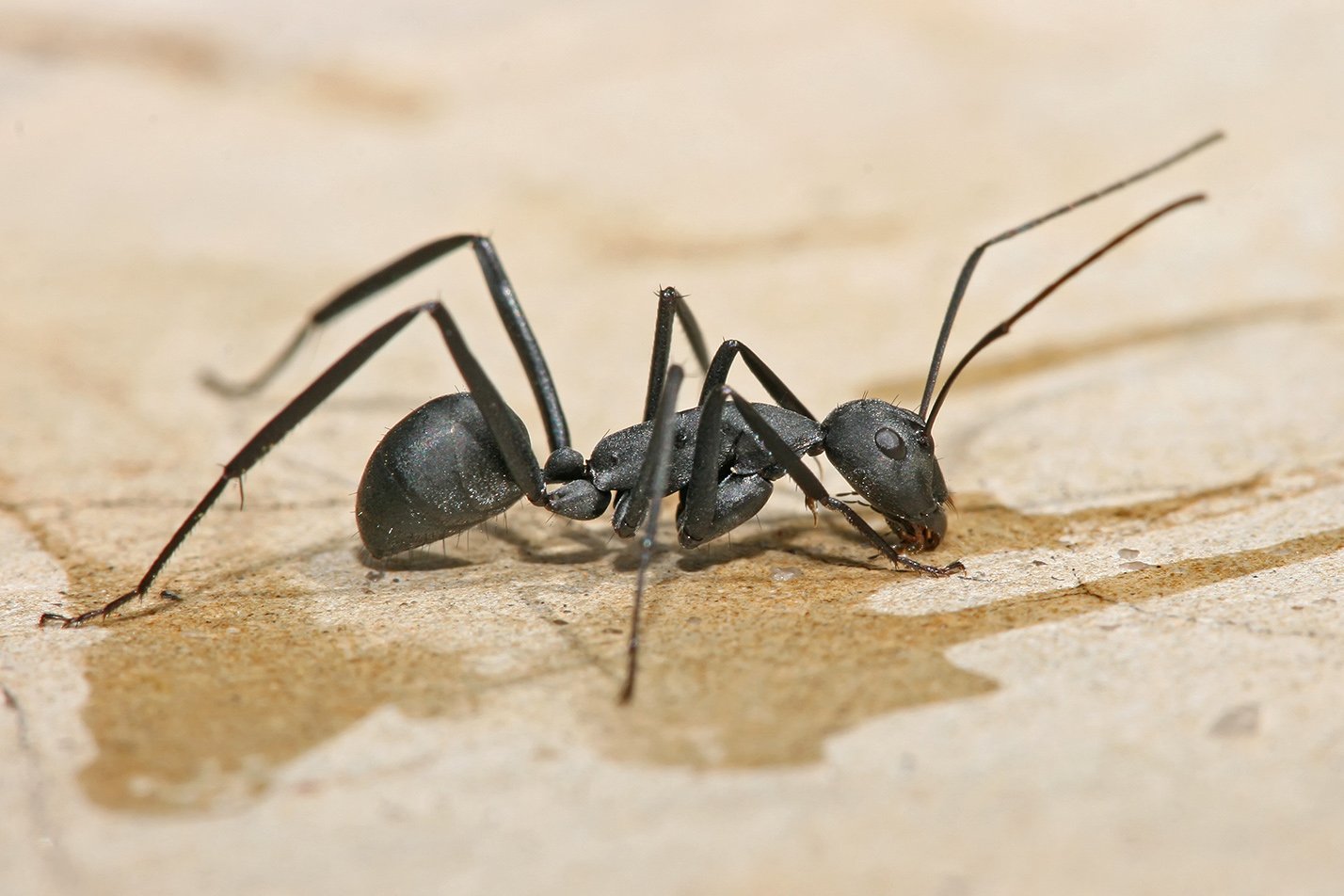
Carpenter ants and odorous house ants look similar at a glance but require completely different approaches. One is chewing through structural wood, the other is a household nuisance drawn to sugar. Treat the wrong one with the wrong method and you’ll wonder why nothing worked. The same goes for mice versus rats, or German cockroaches versus American cockroaches. Correct identification isn’t a formality, it’s the difference between a treatment that works and one that just moves the problem around.
A quick way to tell German cockroaches from American ones: German roaches are smaller, tan to light brown, and stay close to kitchens and bathrooms where there’s food and moisture. American cockroaches are larger, reddish-brown, and show up more in basements, drains, and sewer-adjacent spaces. Different size, different habits, different bait. Guessing wrong means the bait sits untouched while the actual population keeps growing somewhere else in the house.
Why this happens in the first place
Nobody plans to have a pest problem. It builds gradually, usually from one small unaddressed condition, until enough individuals accumulate that they’re finally visible in daylight. By the time you spot activity on a counter or windowsill, you’re usually looking at the overflow from a population that’s been quietly building somewhere out of sight for weeks or months already. That’s worth knowing going in, because it resets expectations: you’re not starting from zero, you’re starting from wherever the population already is.
Pests are chasing something specific
Every pest in your home is there because something is meeting a need, food, water, warmth, or shelter. Ants follow a scent trail to a food source and leave a chemical trail back to the colony. Mice need an entry point no bigger than a dime and a reason to stay, usually food access and quiet nesting spots like behind appliances or in wall voids. Spraying without addressing the conducive condition, a leaky pipe, an unsealed gap under a door, pet food left out overnight, means you’re treating a symptom while the cause keeps working against you.
The conditions worth checking first
- Standing water or condensation near pipes, AC units, or crawlspaces
- Gaps around utility lines, foundation cracks, and door sweeps
- Food left in easily accessed containers, including pet food
- Clutter that creates undisturbed harborage, especially in garages and basements
Matching the product to the pest’s biology
Not all treatments work the same way, and picking the wrong type is one of the most common reasons DIY attempts fail even when the identification was correct. Contact sprays kill on touch and work well for pests you can see directly, like a wasp nest or a line of ants actively foraging out in the open. Baits work differently, they’re designed to be carried back to a nest or colony, so the individual pest needs to survive long enough to share it, which is why a baited area often looks untouched, or even shows a temporary uptick in activity, before numbers actually drop. Dust formulations, often used in wall voids and cracks, work over a longer stretch as pests walk through them and pick up residue while grooming. Using a contact spray in the same area as a bait station is one of the most common self-defeating mistakes homeowners make, since the spray’s odor repels the pest before it ever reaches the bait.
What not to do
Don’t mix products hoping for a stronger effect, combining sprays and baits in the same area can make baits less effective since many pests avoid areas that smell like recent spray. Don’t seal an entry point before you’re sure nothing’s still using it to get in and out, you can trap a pest inside a wall void that then has nowhere to go but further into the house. And don’t judge a treatment as failed after a few days. Most natural and low-toxicity methods work with the pest’s biology rather than against it, and that takes time to show results.
Monitoring before you commit to a full treatment
Before spending money on a full treatment, it’s worth spending a few days just monitoring. Glue boards placed along baseboards and behind appliances show where rodent traffic is actually concentrated, not just where you happened to spot one running. A flashlight check of attic insulation for rodent trails, flattened, discolored paths through the material, or frass piles under wood framing, tells you whether activity is active or old and already resolved. For ants, watching a foraging trail for ten minutes will usually lead you back toward the entry point, and that matters more than the ants themselves, since sealing or treating at the entry point does more good than treating the trail they’re walking on. This kind of monitoring costs nothing but a little patience, and it usually saves a wasted trip to the store for the wrong product. A basic kit worth keeping on hand before you start: a bright flashlight for crawlspaces and attic corners, a handful of glue boards for monitoring rather than catching, a caulk gun and steel wool for sealing gaps once you’re sure nothing is still using them, and a small notebook or phone note to track when and where you see activity. That log matters more than people expect, if a pest professional does end up getting called, being able to say exactly where and when activity showed up saves them time and often shows up as a lower first-visit cost.
Timelines are usually longer than people expect
A single treatment rarely ends an established infestation. Eggs hatch on their own schedule. Colonies have satellite nests you haven’t found yet. Natural methods in particular work with biology rather than trying to force an instant kill, which means real results often show up over several weeks, not overnight. That’s normal, not a sign something failed. Ants, for example, can take two to three weeks to show a real drop in activity after a bait is properly placed, since the goal is for workers to carry it back to the colony rather than to kill on contact.
A few quick answers
Should I clean up before or after treatment? Before, if you can. Removing clutter and food sources makes any treatment, DIY or professional, more effective and faster.
Is it normal to still see activity right after treatment? Usually yes, for a short window. Baits and natural treatments need the pest to carry material back to the population, so some continued activity in the first days is often a sign it’s working, not failing.
When should I stop trying it myself? If you’ve identified the pest, addressed the obvious attractants, and you’re still seeing activity two to three weeks later, that’s usually the point where a pest professional’s eye is worth it.
Are natural or low-toxicity treatments as effective as stronger chemical options? For most common household pests, yes, when they’re matched correctly to the pest and applied where it actually travels or nests. The tradeoff usually isn’t effectiveness, it’s speed. Natural methods that work with a pest’s biology, like baits, tend to take longer to show full results than a broad-spectrum contact product, but they also tend to have less impact on kids, pets, and beneficial insects in the yard.
Can I use the same product indoors and outdoors? Not always. Some products are labeled for outdoor perimeter use only, and using them indoors is both against label instructions and a real safety issue, especially in a home with kids or pets. Always check the label before you apply anything, it’s written for a reason, not as a suggestion.
Regional differences matter more than people think
The same pest can behave differently depending on where you live, and the fix that works in one climate doesn’t always translate. Carpenter ants in the humid southeastern US are often chasing moisture damage in wood, while in drier parts of Australia they’re more likely after a food source with less structural risk attached. UK homes dealing with mice tend to see activity concentrate in autumn as temperatures drop earlier than in much of the southern US, where rodent pressure can run closer to year-round. None of this changes the basic principles, identify first, address the condition, give it time, but it does change what “normal” looks like for your specific house.
A note on cost
Guessing wrong is rarely just a wasted afternoon. A misidentified pest means a repeat trip to the store, a second round of product, and more time for the actual problem to keep growing while you’re treating the wrong thing. Getting the identification right the first time, even if that means taking a clear photo and looking it up carefully or asking a pest control contractor to confirm, usually costs less in the long run than two or three rounds of trial and error.
When to call in help
We look at properties across the US, Canada, Australia, and the UK, and the pattern holds everywhere: the homes that solve pest problems for good are the ones that fix conditions, not just spray surfaces. Call 1-844-783-4821 if you want a second opinion before you keep guessing.