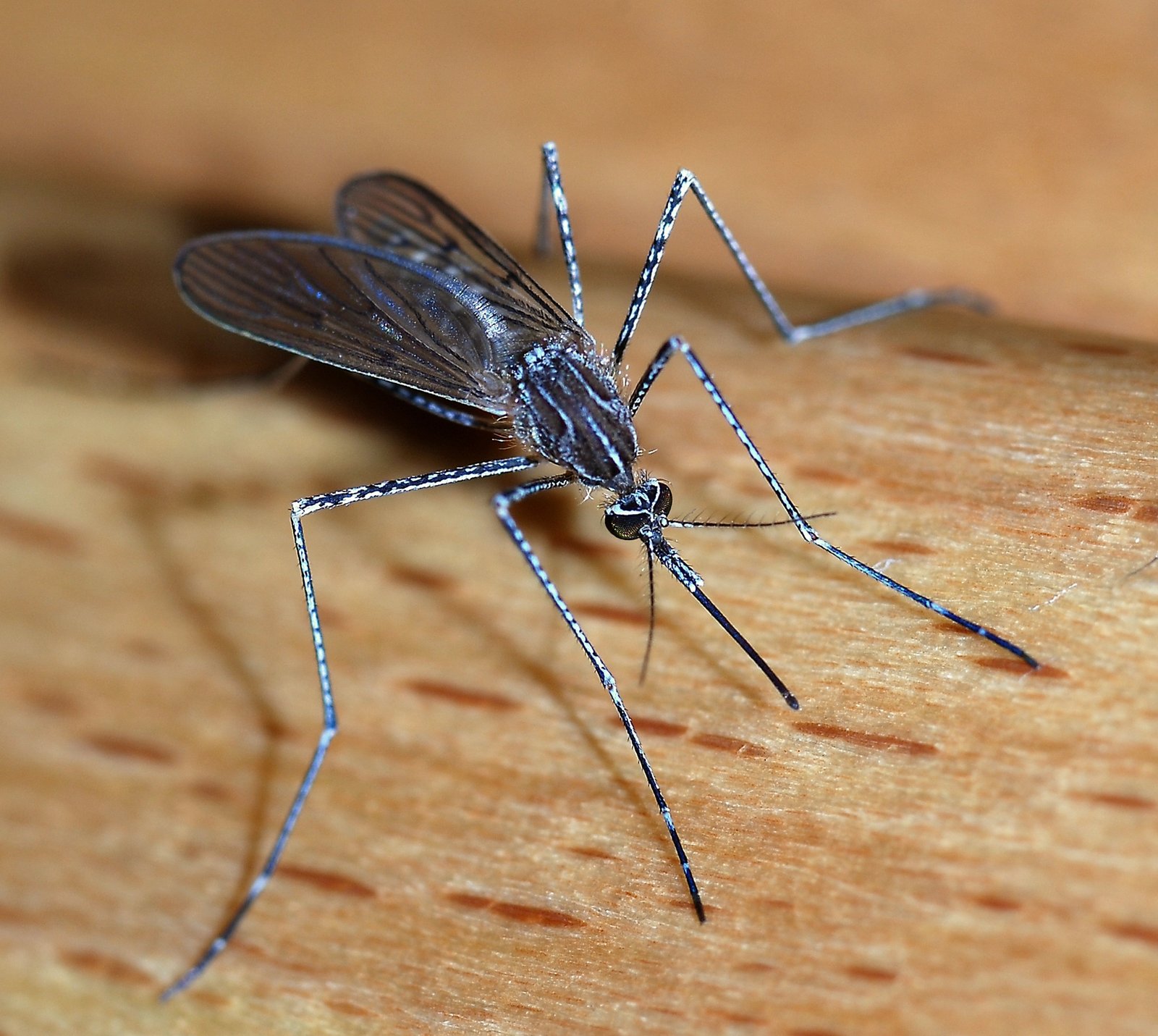
A pond breeding mosquitoes usually means one thing: the water is sitting still long enough for larvae to develop, which takes roughly seven to ten days in warm weather. Fix that window and you fix most of the problem, without needing to drain the pond or give up on koi and water lilies.
Start with movement
Mosquitoes need still water to lay eggs and let larvae mature. A fountain, aerator, or simple bubbler that keeps the surface disturbed makes the water far less attractive for egg-laying in the first place, and it has the side benefit of keeping the water healthier for fish and plants. Even a small solar-powered aerator on an ornamental pond makes a measurable difference. The goal isn’t turbulence across the whole pond, it’s disrupting the calm surface film that female mosquitoes need to land on and deposit eggs.
Bti dunks are the tool that actually fits ponds
Bacillus thuringiensis israelensis, sold as floating dunks or granules, targets mosquito and blackfly larvae specifically and doesn’t harm fish, frogs, birds, pets, or beneficial insects like dragonflies, which are themselves natural mosquito predators. Drop a dunk in the shallow, calmer edges of the pond where larvae tend to concentrate, and it keeps working for roughly a month before needing replacement. Granular formulations work faster for an active, visible larvae problem, while dunks are better suited to ongoing prevention across a full season.
Skip the mosquitofish where they’re not native
Gambusia, commonly called mosquitofish, get recommended a lot, but in Australia and parts of the US they’re an invasive species that outcompetes and preys on native fish and frogs, and several jurisdictions restrict or ban stocking them. If you already have fish in the pond, most ornamental species, including koi and goldfish, will eat mosquito larvae on their own without needing a dedicated species introduced. Adding aquatic plants that provide some shade and structure, without creating dense floating mats that shelter larvae from fish, actually supports this natural predation rather than working against it.
Fish species that actually help most
Beyond koi and goldfish, other pond-friendly species are particularly effective at hunting mosquito larvae near the surface. Fathead minnows and other small native minnow species, where locally appropriate and legal to stock, feed heavily on larvae and don’t carry the same invasive concerns as gambusia in regions where gambusia isn’t native. Check with a local fish and wildlife department or aquatic garden supplier before introducing any species, rules on what’s legal to stock vary significantly by state, province, and country, and what’s a safe, encouraged choice in one region can be a restricted or banned species in another. Whatever species you choose, a mix of surface feeders and mid-water fish covers more of the pond’s larval habitat than a single species alone, since larvae hang near the surface film but can also be found tucked among submerged plant stems.
Manage the edges
- Trim overhanging vegetation that shades still pockets of water along the banks
- Clear floating debris and leaf litter, which creates protected larval habitat
- Skim any film or scum that forms in low-flow corners
- Check that any rocks or decorative features aren’t holding small pockets of standing water separate from the main pond
- Look at the pond liner or edging for low spots that trap rainwater outside the main basin, these small pockets are easy to overlook and just as productive for larvae as the pond itself
Designing a pond that resists mosquitoes from the start
If you’re building a new pond or planning a renovation, a few design choices make ongoing mosquito management much easier. Steep-sided banks that go from land straight into deeper water reduce the shallow, warm margins where larvae develop fastest, while a gently sloped edge, though nicer for wildlife access, creates exactly the still, shallow conditions mosquitoes prefer. A minimum depth of around two feet in at least part of the pond also helps, since deeper water stays cooler and supports more fish and dragonfly nymphs, both of which prey on larvae. Spacing water lilies and other floating plants so open water is still visible between clusters, rather than letting them form a continuous mat, keeps enough surface exposed for wind and fish to disrupt egg-laying, while still giving the pond the look most owners are after. The same core principle behind general yard mosquito prevention applies here too: no still water sitting undisturbed long enough for a full larval cycle to complete.
What not to do
Don’t reach for a broad-spectrum insecticide labeled for yard use on a pond, even a small amount can be lethal to fish and amphibians and will likely violate label restrictions that specifically exclude aquatic use. And don’t assume a pond with a working fountain is automatically mosquito-free, moving water in the center doesn’t help if the edges and any connected features, like a bog filter or overflow basin, are still calm enough for eggs to survive.
Seasonal notes
In warmer parts of the southern US and coastal Australia, ponds can produce mosquitoes for most of the year, which makes a standing Bti routine worth keeping up rather than treating it as a one-time spring task. In cooler parts of Canada and the UK, the window is shorter but often more intense, since a wet spring after ice-out can produce a fast population spike before an aerator or dunk schedule is back in place for the season.
Getting fish stocking right
If you’re relying on fish for larval control rather than a dedicated species, stocking density matters more than most pond owners realize. A pond that’s overstocked for its size and filtration will struggle regardless of species, and fish that are well fed on commercial food have less incentive to hunt larvae actively. Underfeeding fish slightly during peak mosquito season, within reason and without stressing them, actually encourages more natural foraging on larvae and other insects at the surface, which works in your favor without any extra product or equipment.
Common questions
Will a Bti dunk harm my koi or goldfish? No. Bti is targeted specifically at mosquito, blackfly, and fungus gnat larvae and has no measurable effect on fish, even at concentrations well above the label rate.
Do I need to treat a pond that already has a strong fish population? Often not as frequently, but it’s still worth checking shaded edges and any separate features, like a bog filter, where fish may not reach larvae as easily as they do in open water.
How often should I check the pond during peak season? Weekly is a reasonable baseline in most climates, more often during a stretch of warm, still weather when the larval development window shortens.
Can I use Bti dunks in a small container water garden or rain barrel? Yes, dunks and granules work at any scale from a large koi pond down to a half whiskey-barrel water garden, just size the dose to the volume of water per the product label.
Do mosquito dunks affect plants like water lilies? No, Bti has no effect on aquatic plants, it’s a bacterial protein that only affects the digestive systems of mosquito, blackfly, and fungus gnat larvae specifically.
What about mosquito-eating birds and bats
Bats and swallows get a lot of credit for mosquito control, and while they do eat some, mosquitoes generally make up a small share of their actual diet compared to moths and beetles. Encouraging them around a pond is a fine practice for general biodiversity, but it shouldn’t be relied on as a primary control method, dragonflies and their nymphs, which live directly in the water and feed heavily on mosquito larvae, do far more of the actual work in a healthy pond ecosystem.
What a professional larvicide program typically involves
A scheduled service usually means a technician checking and refreshing Bti dunks or granules on a set interval, typically every three to four weeks during peak season, along with a quick visual check of the edges, filters, and any secondary water features for missed pockets. Cost depends on pond size and how many visits the season requires, smaller ornamental ponds are a relatively minor add-on to a broader property treatment plan, while larger koi ponds or multiple connected water features take more time per visit. Most pest management companies, including ours, offer a free quote after seeing the pond in person, since an accurate estimate really depends on layout, size, and how much shaded or slow-moving edge there is to manage.
When to call in help
Larger ponds, koi ponds with significant fish investment, or properties where the pond sits near a patio or entertaining area often benefit from a scheduled larvicide program timed to your local mosquito season, which runs longer in humid regions of the southern US and shorter in cooler parts of Canada and the UK. We can set up a treatment schedule that keeps the pond mosquito-free without disrupting the ecosystem you’ve built. Call 1-844-783-4821.