Ants are one of the most common calls we get, and also one of the most commonly mishandled by homeowners, usually with the best intentions. Spraying a trail of ants feels productive, but for most species it makes the underlying problem worse, not better.
Why spraying backfires
Many ant species respond to a threat at one nest site by budding, splitting into multiple smaller colonies that scatter to new locations. Spray the trail you can see and you may kill a few dozen workers while the colony relocates a portion of itself somewhere you can’t reach, like inside a wall void. What looked like a solved problem often comes back worse a few weeks later, sometimes as two or three separate trails instead of one. Contact sprays and foggers work the same way against almost every common household ant, which is why a can of spray from the hardware store tends to buy a homeowner a week of relief and a bigger problem the month after.
What actually works: bait, and patience
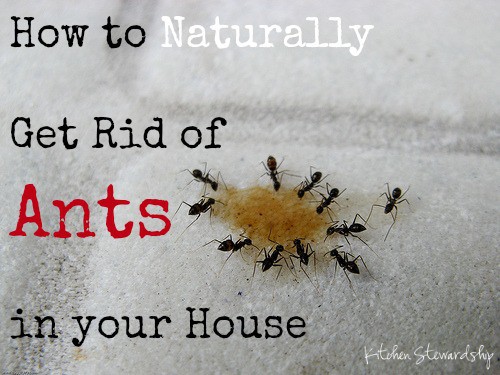
Slow-acting bait, whether gel, granule, or station-based, lets foraging workers carry the active ingredient back to the nest and share it with the colony, including the queen. It takes days, not minutes, but it addresses the actual colony instead of the visible symptom. Resist the urge to clean up a bait trail right after applying it. That’s the whole mechanism working. Expect to still see ants around the bait for the first few days, sometimes in slightly higher numbers than before, since foragers are recruiting more workers to what looks like a good food source. That’s a sign the bait is working, not a sign it’s failing. Most colonies show a real drop in activity within one to two weeks, though larger or well-established colonies can take three to four weeks to fully collapse.
Identify what you’re dealing with first
Bait formulation matters as much as bait placement. Ants are opportunistic feeders, but individual colonies often favor either sugars or proteins and fats at a given time of year, so a bait that worked in spring may sit untouched in late summer. If a sweet gel bait isn’t getting attention, try a protein-based one before assuming baiting doesn’t work.
- Odorous house ants: Small, dark brown, and give off a rotten-coconut smell when crushed. The most common indoor ant across most of the US and Canada, and one of the more persistent ones since a single colony can have multiple queens and thousands of workers spread across several nesting sites.
- Pavement ants: Dark brown to black, often nesting under sidewalk slabs and driveways, entering through foundation cracks. Look for small mounds of displaced sand or soil pushed up through expansion joints in a patio or garage floor.
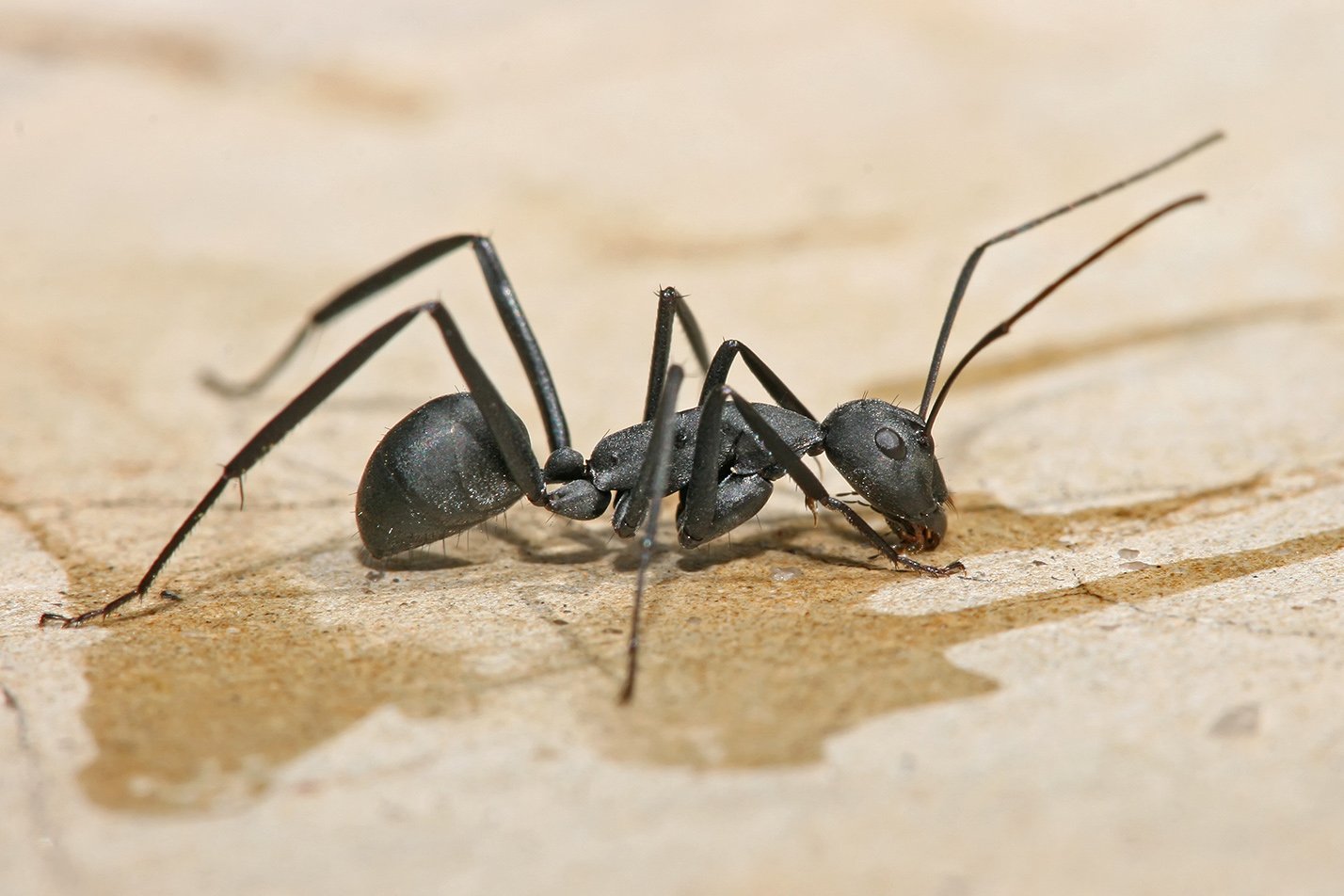
- Carpenter ants: Larger, often black or bicolored, and a sign of a moisture issue or wood damage rather than just a food trail. These need a different approach entirely, since they’re structural, not just a nuisance. Piles of fine sawdust-like material, called frass, near baseboards or window frames are usually the first visible clue.
- Pharaoh ants: Tiny, pale yellow to light brown, and notoriously difficult to control because colonies bud aggressively at the slightest disturbance, including some sprays and even certain baits. Common in multi-unit buildings and heated commercial spaces, they nest in wall voids near warmth and moisture rather than outdoors, and a professional’s help is usually worth it for this species specifically since DIY attempts often make an existing infestation split into several new ones.
How bait types actually differ
Not all slow-acting baits work the same way. Sugar-based gel and liquid baits target the carbohydrate cravings colonies have when they’re actively growing, typically spring and early summer, while protein and fat-based baits, often gel or paste formulations, appeal more to a colony provisioning for reproduction or heading into a leaner season. Borate-based baits are a common low-toxicity option, delivering a slow-acting effect that gives workers time to carry it back and share it through the colony via trophallaxis, the process by which ants feed each other mouth to mouth, before anyone succumbs to it. Station-based baits, enclosed plastic housings with bait inside, protect the product from moisture and keep it away from curious kids or pets while still letting ants access it freely, which makes them a reasonable choice for kitchens, bathrooms, or anywhere with foot traffic near the bait placement.
Cut off what’s drawing them in
- Wipe down trails with soapy water to erase the scent pheromone other workers are following
- Store sweet and greasy foods in sealed containers, not just closed bags
- Fix leaky faucets and check under sinks, since moisture draws several ant species as much as food does
- Seal visible gaps around windows, utility lines, and foundation cracks where trails originate
- Trim back branches and shrubs touching the house, since they’re a common bridge for ants moving from soil to siding
- Rinse recyclables before storing them, sticky residue in a soda can or juice bottle is enough to draw a trail from outside
- Keep firewood and mulch a few centimetres away from the foundation, since both create a moist, sheltered bridge close to the house
What not to do
Beyond spraying visible trails, a few other habits tend to backfire. Moving or disturbing a nest you’ve located outdoors, kicking apart an anthill or digging into one, usually just scatters workers and can trigger budding the same way a spray does. Mixing home remedies like boiling water, bleach, or vinegar directly on a trail kills what’s there in the moment but does nothing for the colony behind it, and repeated vinegar or bleach applications indoors can damage grout, wood finishes, and stone counters over time. And don’t bait and clean aggressively in the same area within a day or two of placing bait, since wiping down the trail removes the scent pheromone that’s guiding workers back to the food source you want them finding.
Seasonal timing
Ant activity generally ramps up in spring as colonies come out of a slower winter period and expands through summer, which is also when most species send out winged reproductives to start new colonies, something homeowners often mistake for a termite swarm. Cooler climates in the northern US, Canada, and the UK tend to see a sharper spring surge, while warmer regions across the southern US and Australia can have ants active at lower levels nearly year-round. Late summer and early fall is also when many ant species shift their foraging toward protein sources ahead of colder weather, which is worth knowing if a bait that worked in June suddenly stops getting touched in September.
What professional treatment costs and how long it takes
Cost for professional ant treatment varies with species and how established the colony is. A straightforward odorous house ant or pavement ant treatment is often resolved within one to two visits over a couple of weeks, and pricing tends to be modest since it’s usually a targeted bait application rather than a whole-structure treatment. Carpenter ants and pharaoh ants typically take longer and cost more, since locating the actual nest, sometimes inside a wall void, under a slab, or spread across multiple satellite colonies, takes real inspection time before any product goes down. Most pest management companies offer a free no-obligation quote after assessing which species is present and how widespread the activity is, since an accurate estimate depends entirely on that inspection rather than a flat per-visit rate.
Common questions
Will cinnamon, vinegar, or essential oils actually keep ants away? These can disrupt a scent trail temporarily and make an area less appealing in the short term, but they don’t address the nest, so relying on them alone tends to just push activity to a different entry point rather than solving the problem.
How many ants is “normal” to see versus a sign of an infestation? A few stray foragers now and then, especially near an open door in summer, isn’t unusual. A visible, repeating trail, especially one that reappears in the same spot after cleaning, is the better indicator that there’s an established colony worth addressing rather than occasional wandering ants.
Can different ant species be present in the same house at once? Yes, it’s not uncommon for a home to have both an outdoor nuisance species like pavement ants and a structural concern like carpenter ants at the same time, which is another reason correctly identifying what’s in the kitchen versus what’s in the wall matters before choosing a treatment.
When to call a pro
If baiting hasn’t worked after a couple of weeks, or you’re dealing with carpenter ants, it’s worth having a pest professional locate the actual nest rather than continuing to treat symptoms. A colony nesting inside a wall void, under a slab, or in a moisture-damaged structural timber isn’t something a store-bought bait station reliably reaches, and repeated DIY attempts can just teach a colony to avoid whatever product you’re using. We identify the species, find the source, and use targeted methods that don’t just scatter the problem. If it’s not fully gone, we come back at no extra charge. Call 1-844-783-4821.