It’s easy to think of pest control as something you deal with after a problem shows up. In practice, the homes and businesses that get the most value from it treat it as ongoing maintenance, similar to servicing a furnace before it breaks down in January. Here’s what that consistency actually buys you.
Structural protection that compounds over time
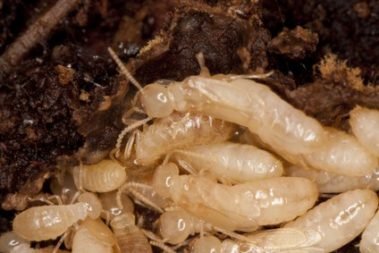
Termites, carpenter ants, and wood-boring beetles cause damage slowly, often for months before it’s visible. Regular monitoring catches activity while it’s still limited to one area, instead of after it’s spread through a wall or a support structure, which is a far more involved and costly repair. A quarterly or semi-annual check means the gap between “activity started” and “activity noticed” stays small, and that gap is really what determines whether a job is a quick spot treatment or a structural repair. A termite colony that goes undetected for a year or more can require tenting or extensive localized treatment along with repair of damaged framing or sill plates, work that runs well beyond the cost of the monitoring that would have caught it early. Caught within a season, the same activity is often a limited, targeted treatment to a single area.
Fewer health risks tied to droppings and allergens
Rodent droppings and dust, along with cockroach allergens, are linked to respiratory issues and can be a real concern in homes with young children or anyone with asthma. Keeping these populations from establishing in the first place matters more than cleaning up after they do, since allergens settle into dust, fabric, and HVAC systems and can linger well after the pests themselves are gone. Rodents also carry the risk of contaminating stored food and countertops as they forage, and mice in particular can fit through gaps smaller than a quarter, which makes prevention a matter of sealing entry points as much as treating what’s already inside. Stinging insects add a different kind of risk: a wasp or yellow jacket nest near a doorway or porch is a real hazard for anyone with an allergy, and nests are often easiest to remove early in the season before the colony grows to full size.
Protection for food storage and food-service operations
For restaurants, grocery stores, and any business handling food, pest activity isn’t just a nuisance, it’s a direct risk to health inspections and reputation. Scheduled treatment keeps a business ahead of the kind of infestation that can shut down operations or trigger a failed inspection. A single failed health inspection can mean a public posting, a fine, or in serious cases a temporary closure, and the reputational cost of that often outlasts the fine itself once it shows up in online reviews or local news. Scheduled service also creates a documented pest management history, something many health departments and commercial leases specifically ask to see.
Property value that isn’t quietly eroding
A termite inspection during a home sale can uncover damage that took years to develop, and it can complicate or derail a sale entirely. Ongoing pest control is one of the more overlooked ways homeowners protect the value of what’s usually their largest asset. A clean pest inspection history is also something you can point to during a sale, while a gap in records or a past unresolved infestation can become a negotiating point for a buyer.
Cost and timeline: regular service versus reactive treatment
A scheduled pest control visit is a modest, predictable cost, and most of that visit is inspection and light monitoring rather than heavy treatment. A reactive call after a population is established costs more per visit and often requires multiple follow-up treatments spaced weeks apart to fully break the cycle, since a single treatment rarely reaches every hiding spot, every egg, or every entry point on the first pass. Bed bug and termite treatments in particular tend to involve several visits regardless of when they’re caught, but the difference is scope: a small, early infestation is contained to one room or one section of a structure, while a late-caught one can mean treating an entire floor or, in the case of termites, tenting the whole building. The time cost matters too. A reactive infestation often disrupts a household or business for days or weeks, moving furniture, staying elsewhere during treatment, closing part of a dining room, in a way that scheduled monitoring visits simply don’t.
What “Regular” Actually Means in Practice
Regular pest control doesn’t mean an exterminator at your door every month regardless of need. For most residential properties, that looks like scheduled visits a few times a year, timed around seasonal pressure, spring for ants and termite activity, summer for wasps and mosquitoes, fall for rodents moving indoors, paired with monitoring in between. Commercial properties, especially food service, often need a tighter schedule, sometimes monthly, because the tolerance for any pest evidence is so much lower. The right frequency depends on your property’s history, its location, and what’s around it, not a fixed number that applies to every address the same way.
What Happens Without It
- Small problems get discovered later, after they’ve had a season or more to grow, which is when they become expensive rather than routine
- Seasonal patterns catch you by surprise instead of being anticipated and addressed ahead of time
- Documentation gaps show up right when you need them most, during a home sale, an inspection, or after an incident
- Minor conditions that invite pests, a small moisture issue, a gap around a utility line, go unnoticed because nobody’s regularly looking
Less stress, fewer surprises
There’s a real difference between managing pests proactively and reacting to an infestation that’s already established. Regular treatment means smaller, quieter interventions instead of the disruption of tenting a home or dealing with an active rodent problem in the middle of winter.
What seasonal pressure actually looks like
The seasonal pattern mentioned above plays out differently depending on climate, but a few patterns hold in most regions. Spring is when overwintering ants and termites resume activity and when termite swarmers, the winged reproductive form, are most likely to appear near windows and light fixtures, which is often the first visible sign of a colony that’s been present for a while. Summer brings the highest pressure from mosquitoes and stinging insects, along with cockroach activity that peaks with warmer, more humid conditions. Fall is when rodents most actively look for a way indoors as outdoor temperatures drop, which is why sealing gaps around utility lines and foundation cracks matters more in September and October than at almost any other point in the year. Winter tends to be the quietest season for new outdoor activity, but it’s also when an indoor population that moved in during fall, rodents especially, has the most uninterrupted time to grow if nobody’s checking.
What NOT to Do Instead
- Don’t rely on a single annual visit and assume it covers every season’s pest pressure equally, most properties have at least one season that needs more attention than the others.
- Don’t skip a scheduled visit just because you haven’t seen anything recently. A lot of early activity, especially termites and carpenter ants, is hidden by design.
- Don’t wait for a listing agent or buyer’s inspector to be the first person to flag a pest issue during a home sale. That timing puts you in a weaker negotiating position than catching it yourself months earlier.
A Few Common Questions
Is regular pest control worth it if I’ve never had a problem? Often, yes, especially in regions with consistent seasonal pressure. The properties that benefit least from a scheduled program are usually newer builds in low-pressure areas with a strong track record, but even those can develop conditions, a new leak, overgrown landscaping, that change the picture over time.
How is this different from just calling when something shows up? A reactive call addresses what’s visible today. A regular program is built to catch what’s not visible yet, which is where termites, carpenter ants, and early rodent activity spend most of their time before becoming an obvious problem.
Does regular service mean more chemical exposure in my home over time? Not with a natural-first approach. Regular visits are largely inspection and monitoring, with targeted treatment applied only where conditions call for it, which generally means less product used overall compared to reactive treatments applied after a population is already established.
What should I expect during a typical scheduled visit? A pest control technician usually checks common entry points, exterior perimeter, attic and crawl space access, utility line penetrations, along with any interior areas that have had activity before. Most of the visit is inspection; treatment, when it happens, is targeted to whatever conditions are actually found rather than a blanket application throughout the property.
A guarantee that actually means something
Consistency also means accountability. We don’t lock customers into long-term contracts, and if pests come back between visits, we return and treat it again at no additional charge. That’s what regular pest control is meant to provide: not just fewer bugs, but confidence that the problem stays handled. Call 1-844-783-4821 to talk about a plan for your property.