Arizona
Pest Control Phoenix, AZ
Phoenix pest control has to account for bark scorpions, roof rats, ants, roaches and desert termites, and the mix changes from mountain edge to older core to new build. We use natural pest control options that are safe around kids and pets.
Natural, guaranteed pest control — free quotes, no long-term contract, safe around kids and pets.
Common Pests in Phoenix
What we treat most often around Phoenix, Arizona
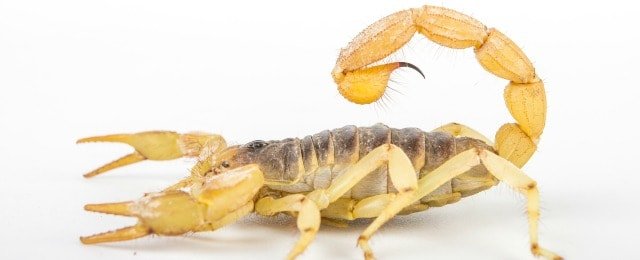
Phoenix's desert climate brings a different pest profile than most of the country. Bark scorpions, the species most often linked to serious stings, are a real concern for homes near desert landscaping, preserve edges or block walls, where they climb stucco and slip into weep holes. Termites are active here too, mostly drywood and desert subterranean varieties rather than the moisture-loving species common in humid states, and swarms tend to follow the humidity of the July to September monsoon.
Roof rats travel along power lines, fences and citrus trees between yards, and ants push indoors chasing moisture during the hottest months, particularly around irrigated landscaping. American and Oriental cockroaches show up in older block homes with cracks around plumbing and foundations, while German cockroaches and rodents are the bigger issue around restaurants and food service. Mosquitoes breed in pool equipment, canal edges and low spots after monsoon rain, so the season for outdoor pests here runs far longer than in cooler climates.
How We Fix It
Pest control services in Phoenix
Scorpion Control
Scorpions turn up where dry ground meets a house with easy openings — under stucco, behind baseboards, inside a stack of firewood. We find…
Learn more →
Rodent Control
Mice and rat control that finds the entry points, not just the symptoms — trapping and exclusion that actually keeps rodents out, guaranteed.
Learn more →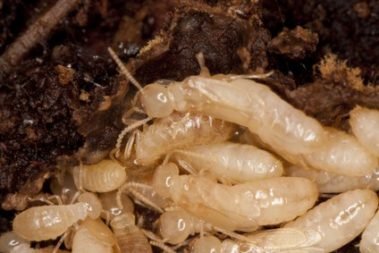
Termite Control
Subterranean and drywood termite treatment that protects your home's structure — natural-first, guaranteed, and safe for the people and pets who live there.
Learn more →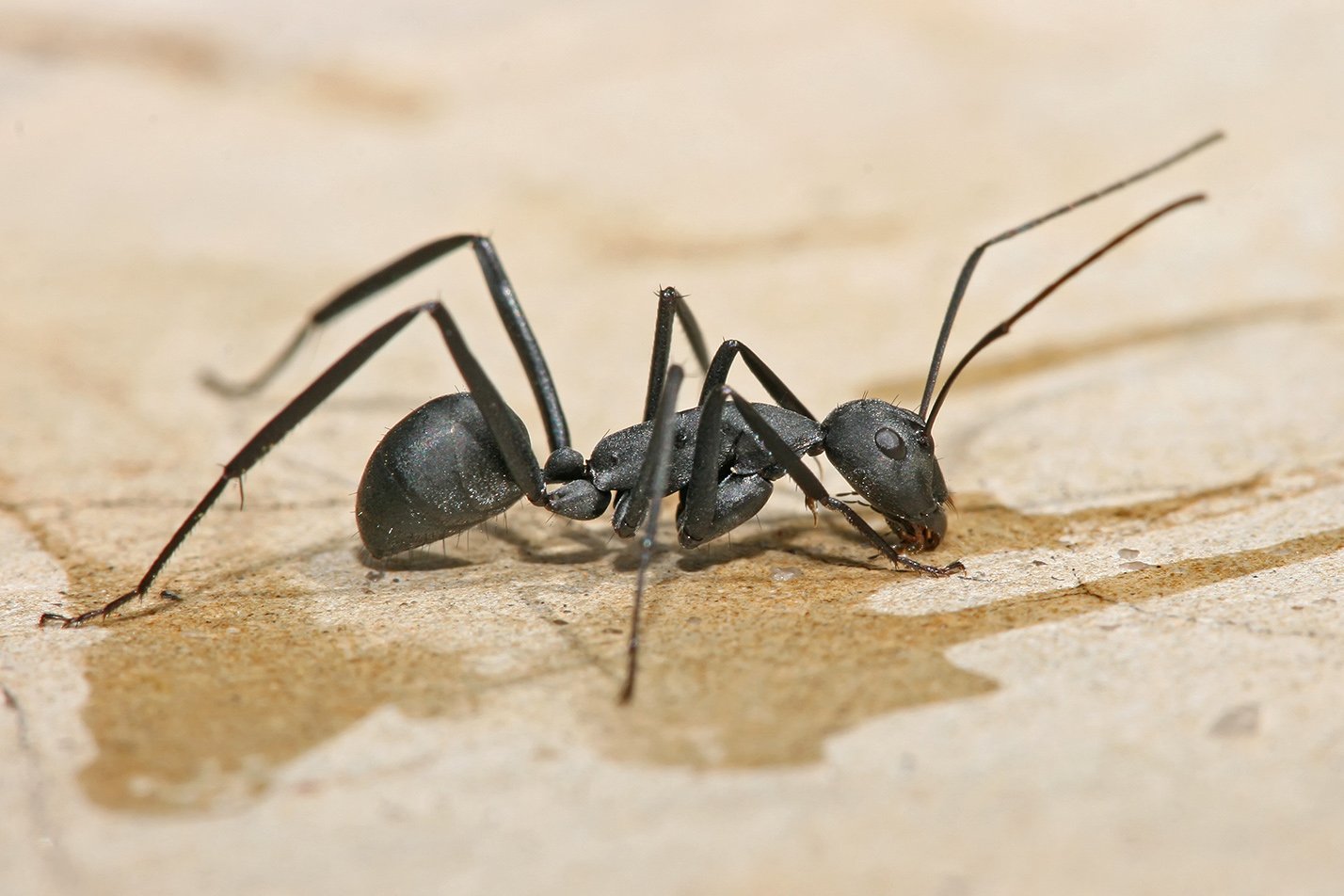
Ant Treatment
A trail of ants across your kitchen counter is a scouting report, not the whole problem. We find the colony behind it and treat…
Learn more →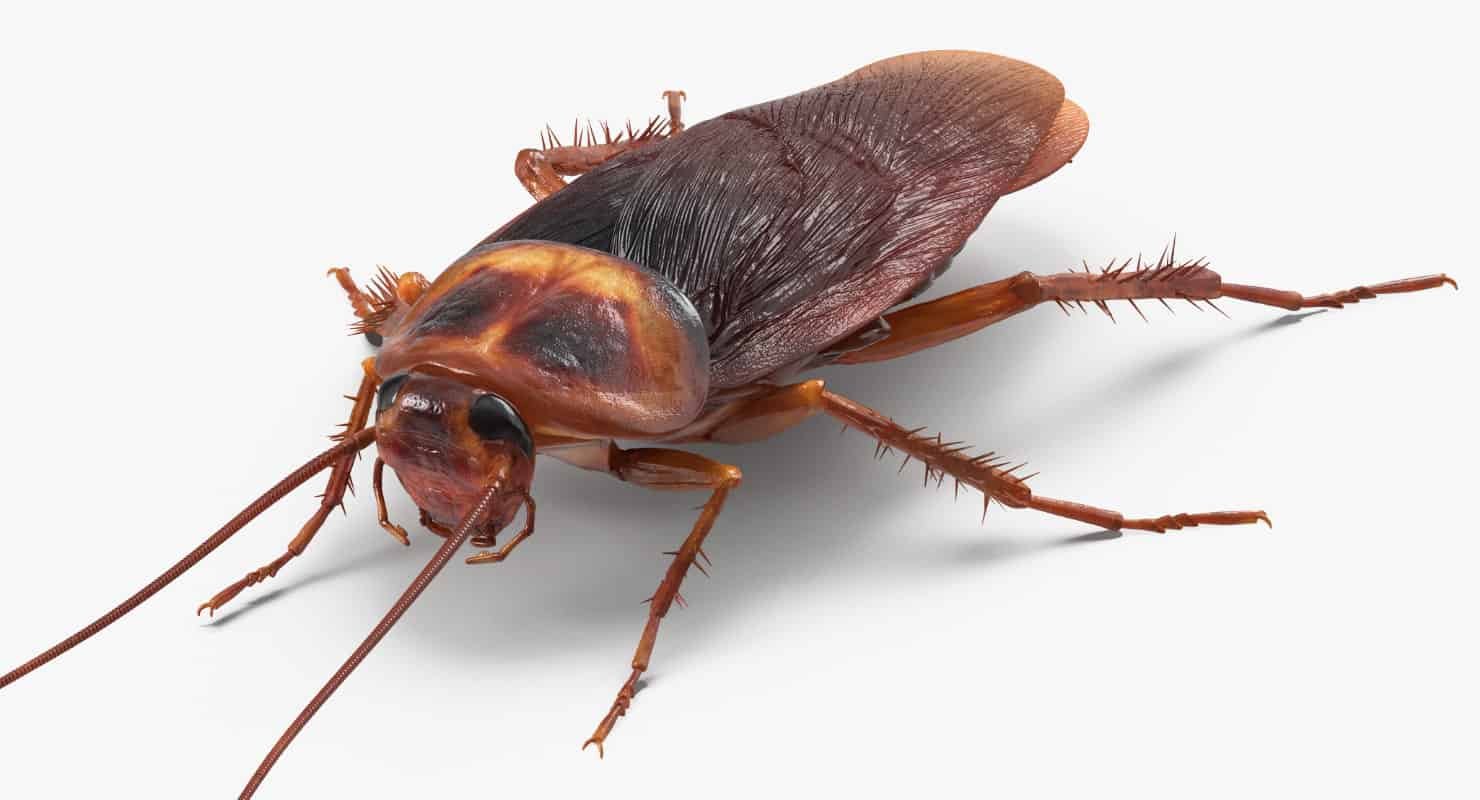
Cockroach Control
Cockroaches don't need much to move in: a damp corner, a crumb trail, and a gap the width of a coin. We find where…
Learn more →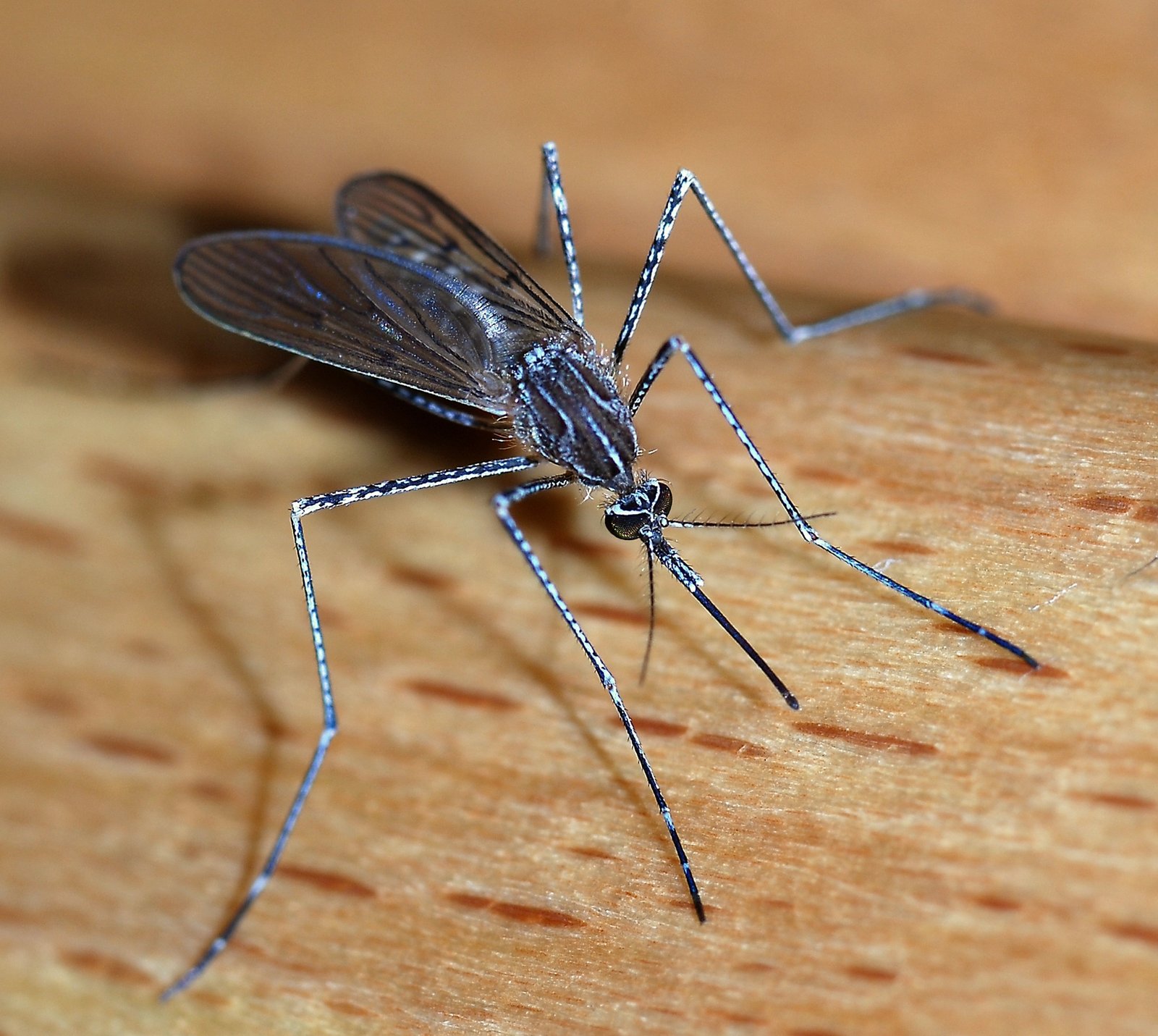
Mosquito Control
Mosquitoes only need a bottle cap of standing water to breed, so the fix isn't just spraying the yard, it's finding where they're coming…
Learn more →Neighborhoods We Serve
Neighborhoods We Serve in Phoenix
Phoenix covers a huge area, and no single description fits all of it. We work across the metro, and pest pressure tends to break down by district.
Arcadia
Arcadia, at the south foot of Camelback Mountain, has old flood-irrigated lots and mature citrus, a legacy of the orchards that once covered the area. That irrigation history means lush, mature landscaping, and with it steady roof rat and ant pressure that a drier, xeriscaped neighborhood would not see.
Ahwatukee
Ahwatukee, in the southeast corner of the city at the base of South Mountain, has many properties backing directly onto desert preserve land. Scorpion and packrat pressure comes with it.
Wikipedia ↗Wikidata ↗Encanto
Encanto, just northwest of downtown and built around Encanto Park, has tree-lined streets and older homes. Foundation gaps and roofline entry points let rodents and roaches in.
Wikipedia ↗Wikidata ↗Sunnyslope
Sunnyslope, along the base of the Phoenix Mountains Preserve in north-central Phoenix, sits close enough to the preserve to see real scorpion and packrat activity despite being well inside the urban core.
Desert Ridge
Desert Ridge, in the far north of Phoenix, is a newer, still-developing area. Harvester ants and ground squirrels on vacant graded lots are more common here than the established-neighborhood issues found near the center of the city.
Wikipedia ↗Wikidata ↗Laveen
Laveen, in the southwest, is a newer, still-developing area. Harvester ants and ground squirrels on vacant graded lots are more common here than the established-neighborhood issues found near the center of the city.
Wikipedia ↗Wikidata ↗
Getting around
Getting Around Phoenix
Phoenix's freeway system is the fastest way to understand the layout. Interstate 17 runs north-south through the west-central part of the city, connecting downtown to the northern suburbs and on toward Flagstaff. Interstate 10 crosses downtown on an east-west line toward Los Angeles to the west and Tucson to the southeast. State Route 51 (the Piestewa Freeway) runs north from downtown, serving neighborhoods like Sunnyslope. Loop 202 wraps around the south and east sides of the metro, connecting Ahwatukee and South Phoenix to the East Valley.
On the surface street grid, Central Avenue is the main north-south spine and the dividing line between east and west addresses, while Camelback Road and Bell Road are two heavily used east-west corridors, running through the central city and the far north side respectively.
Local landmarks
Local Landmarks
South Mountain Park and Preserve
At more than 16,000 acres, South Mountain Park and Preserve forms the southern edge of the city. Ahwatukee and South Phoenix properties closest to the park see meaningfully more scorpion, packrat and javelina pressure than neighborhoods further from its boundary.
Piestewa Peak and Phoenix Mountains Preserve
Piestewa Peak and the broader Phoenix Mountains Preserve sit in the middle of the city. Sunnyslope and the neighborhoods along its edges deal with desert wildlife pressure most people would not expect this close to downtown.
Camelback Mountain
Camelback Mountain, on the Phoenix and Paradise Valley border, anchors Arcadia and the Biltmore area. Its lower slopes bring scorpion and packrat activity to nearby streets.
Wikipedia ↗Wikidata ↗Papago Park and Desert Botanical Garden
Papago Park, with its red sandstone buttes and the Desert Botanical Garden, is another pocket of undeveloped desert close to established residential streets on the city's east side.
Wikipedia ↗Wikidata ↗Sky Harbor International Airport
Sky Harbor International Airport, southeast of downtown, and the commercial corridor around it bring heavy commercial and warehouse density. German cockroaches and rodents drawn to food service matter more here than residential landscaping.
Local knowledge
How Phoenix's Geography Shapes Pest Pressure
Where in the city a property sits changes its pest profile more than people expect from a city that looks fairly uniform from the freeway. Properties near the mountain preserves, including South Mountain, the Phoenix Mountains and Camelback, deal with bark scorpions as a top concern. They climb block walls and stucco with ease and work into weep holes and pool equipment enclosures, and the risk climbs the closer a property sits to undeveloped land.
Older, established neighborhoods like Encanto and the older districts near downtown carry a different set of issues tied to construction age. Older block homes develop cracks and gaps around plumbing and foundations that newer stucco-and-frame construction has not had time to develop, and that is where American and Oriental cockroaches show up alongside roof rats moving along power lines and mature citrus trees. Termites are active citywide, and desert subterranean colonies swarm in the heaviest numbers during the humid stretch of monsoon season, catching residents off guard who expect a spring swarm as in other parts of the country.
Irrigated, older neighborhoods like Arcadia see steadier ant pressure than xeriscaped newer developments, since ants push indoors chasing moisture during the hottest months and a flood-irrigated lot gives them plenty to chase. Meanwhile, the newer edges of the city, such as Desert Ridge and Laveen, deal more with harvester ants and ground squirrels on vacant, freshly graded lots. Knowing which version of Phoenix a property sits in, whether mountain-adjacent, old and established, irrigated and mature, or newly built, tells our pest control team most of what we need to know before the first visit.
Local knowledge
The Canal System and Mosquito Pressure
Phoenix runs on a canal network that dates back to the Hohokam and was later rebuilt and expanded by the Salt River Project, and it still shapes pest pressure across the valley floor. Canals such as the Arizona Canal and the Grand Canal carry water to feed mature landscaping in older neighborhoods. That is good for shade trees and less good for mosquito control, since slow-moving or standing water near canal banks, retention basins and the lakes at parks like Encanto Park and Papago Park gives mosquitoes reliable breeding ground through the warm months, especially after monsoon rain sits for a few days in low-lying yards.
Local knowledge
Downtown and Commercial Corridors
The dense commercial core around downtown, the Sky Harbor area and mixed-use districts near Chase Field and the Footprint Center bring a different kind of pest pressure than surrounding residential neighborhoods. Restaurant rows, older multi-tenant buildings and high foot traffic favor German cockroaches and rodents drawn to food waste, and commercial properties in these corridors typically need more frequent service than a single-family home in a quieter part of the city. Warehouse and light-industrial zones along the I-10 and I-17 corridors add their own issues, since large structures with loading docks and stored materials are classic harborage for rodents seeking shelter and an easy food source.
Local knowledge
Seasonal Patterns Across a Sprawling City
Because Phoenix covers so much ground, the pest calendar does not move in lockstep across every neighborhood. Mountain-adjacent areas like Ahwatukee, Sunnyslope and Arcadia tend to see scorpion and packrat activity ramp up in spring and stay elevated through fall, as heat pushes desert wildlife to seek shade and moisture near structures. Older, irrigated neighborhoods run on a moisture-driven schedule, with ant and rodent pressure staying fairly constant wherever there is reliable water on the property. Commercial corridors see comparatively flat pressure year-round, since food service and warehouse activity do not slow for winter. That is why a one-size answer to when to treat a Phoenix property does not hold up. The honest answer depends on which of these patterns applies to a given address.
Pricing depends on the property and the pests involved, and a free quote comes first. Our natural pest control options use non-toxic, low-impact products safe around kids and pets, backed by our satisfaction guarantee.
Nearby
Also serving towns near Phoenix
- Pest control in Guadalupe9 mi
- Pest control in Glendale9 mi
- Pest control in Tempe9 mi
- Pest control in Paradise Valley10 mi
- Pest control in Tolleson11 mi
- Pest control in Scottsdale11 mi
- Pest control in Gainey Ranch (Scottsdale)13 mi
- Pest control in Mesa15 mi
- Pest control in Youngtown16 mi
- Pest control in Chandler17 mi
- Pest control in Litchfield Park17 mi
- Pest control in Avondale17 mi
Why It Works
Guaranteed, not just promised.
Satisfaction Guaranteed
If it's not gone, we come back — free.
Safe & Humane
Natural methods, safe around kids and pets.
No Long-Term Contracts
Stay because it works — not because you're locked in.
What Customers Say
Real reviews from our Google Business Profile.
“Excellent advice and treatment of carpet beetles. Would recommend them.”
Kathleen Boulanger — Google review
View on Google →“I am very happy with the service I received from Natural Pest Solutions, they took my call right away and came right out and inspected my home and found the source of my ant problem and since they were here I have not seen a single bug around. I would recommend these guys to anyone needing pest control services.”
Rick Gruenke — Google review
View on Google →Questions
What People in Phoenix Ask Us
How much does pest control cost in Phoenix?
It depends on the size and construction of the building, the lot, and which pests are involved. Scorpion work on a home beside a preserve is scoped differently than ants or roaches in an older block house. We begin with a free quote so you can see the plan first.
Are scorpions dangerous in Phoenix?
Bark scorpions are the species most often linked to serious stings, and they are a real concern near desert landscaping, preserve edges and block walls. Children and anyone with a reaction should get medical advice after a sting. Sealing gaps and treating exterior walls reduces encounters.
How soon can you get to a Phoenix property?
We schedule you as quickly as we can once you request a free quote. Scorpion and rodent concerns are a priority, but the metro is large, so travel and route planning affect timing. Tell us about anything urgent when you contact us.
What makes your approach suitable for homes with kids and pets?
We choose non-toxic, low-impact products and put them where pests travel, such as wall bases, weep holes and rodent runs, rather than broad open areas. Pools, patios and dog runs are common in Phoenix yards, so we plan around how your family uses them.
Do I need termite protection in a desert city?
Yes, it is worth checking. Drywood and desert subterranean termites are active here, and swarms often follow the humidity of monsoon season rather than a spring rush. Older block homes with wood-to-soil contact or irrigation leaks deserve a closer look.
Are roof rats common in Phoenix neighborhoods?
They are, particularly in established areas with mature trees and citrus. Roof rats use power lines, fences and branches as routes between yards and into attics. Trimming trees back from the roof and picking up fallen fruit helps limit their access.
Does pest pressure differ between parts of Phoenix?
It does. Mountain-edge streets in Ahwatukee and Sunnyslope face scorpions and packrats, older core neighborhoods deal with cockroaches and rodents through aging construction, and newer edges see harvester ants. We tailor the plan to which of those describes your address.
Keep exploring
More from Natural Pest Solutions
- Pest control in Phoenix: full service-area guide
- Pest control across Arizona
- All pest control services
- Pest encyclopedia: identify what you are seeing
- All of our locations
- Customer reviews
- Pest control tips from our blog
- Contact us for a free quote
About the area
Phoenix
Wikipedia ↗Wikidata ↗Arizona
Wikipedia ↗Wikidata ↗
Learn More
Trusted resources for Phoenix homeowners
Public-health, regulator and university guidance on safe pest control.
- University of Arizona Cooperative Extension ↗Research-based home and garden pest guidance for Arizona.
- EPA: Controlling Pests ↗U.S. guidance on choosing and using pest control safely.
- National Pesticide Information Center ↗Pest-by-pest fact sheets from Oregon State University and the EPA.
Ready to stop worrying about pests in Phoenix?
Talk to a real expert — no pressure, no toxic chemicals, no contract required.
Recognized by the organizations that set the standard