British Columbia
Pest Control Armstrong, BC
Hay fields, dairy barns and hot, dry North Okanagan summers bring their own pest pressure to Armstrong. Natural Pest Solutions handles yellowjackets, farm-edge mice and carpenter ants with natural pest control options that suit homes, acreages and outbuildings.
Natural, guaranteed pest control — free quotes, no long-term contract, safe around kids and pets.
Common Pests in Armstrong
What we treat most often around Armstrong, British Columbia
Armstrong sits in a farming valley in the North Okanagan, surrounded by hay fields, dairy operations and open grassland that keeps wildlife and insects moving close to town all season. Summers run hot and dry, and yellowjackets are the pest most households call about, drawn to compost, orchard windfall and anything sweet left out during a backyard barbecue. Bald-faced hornets build paper nests under eaves and in hedgerows around older properties, and thatching ants show up along foundations and driveways where the ground warms fast.
As nights cool toward fall, deer mice push into sheds, barns and outbuildings, which matters because their droppings carry health risks in enclosed rural buildings. Carpenter ants turn up in older wood-frame homes near creeks and in lower-lying yards where moisture lingers. Our non-toxic, low-impact products are safe around kids, pets and farm animals.
How We Fix It
Pest control services in Armstrong
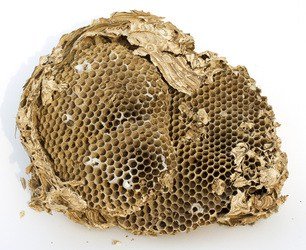
Wasp & Hornet Control
Fast, safe removal of wasp and hornet nests — different pest, different approach than beehive removal, and not something worth handling yourself.
Learn more →
Rodent Control
Mice and rat control that finds the entry points, not just the symptoms — trapping and exclusion that actually keeps rodents out, guaranteed.
Learn more →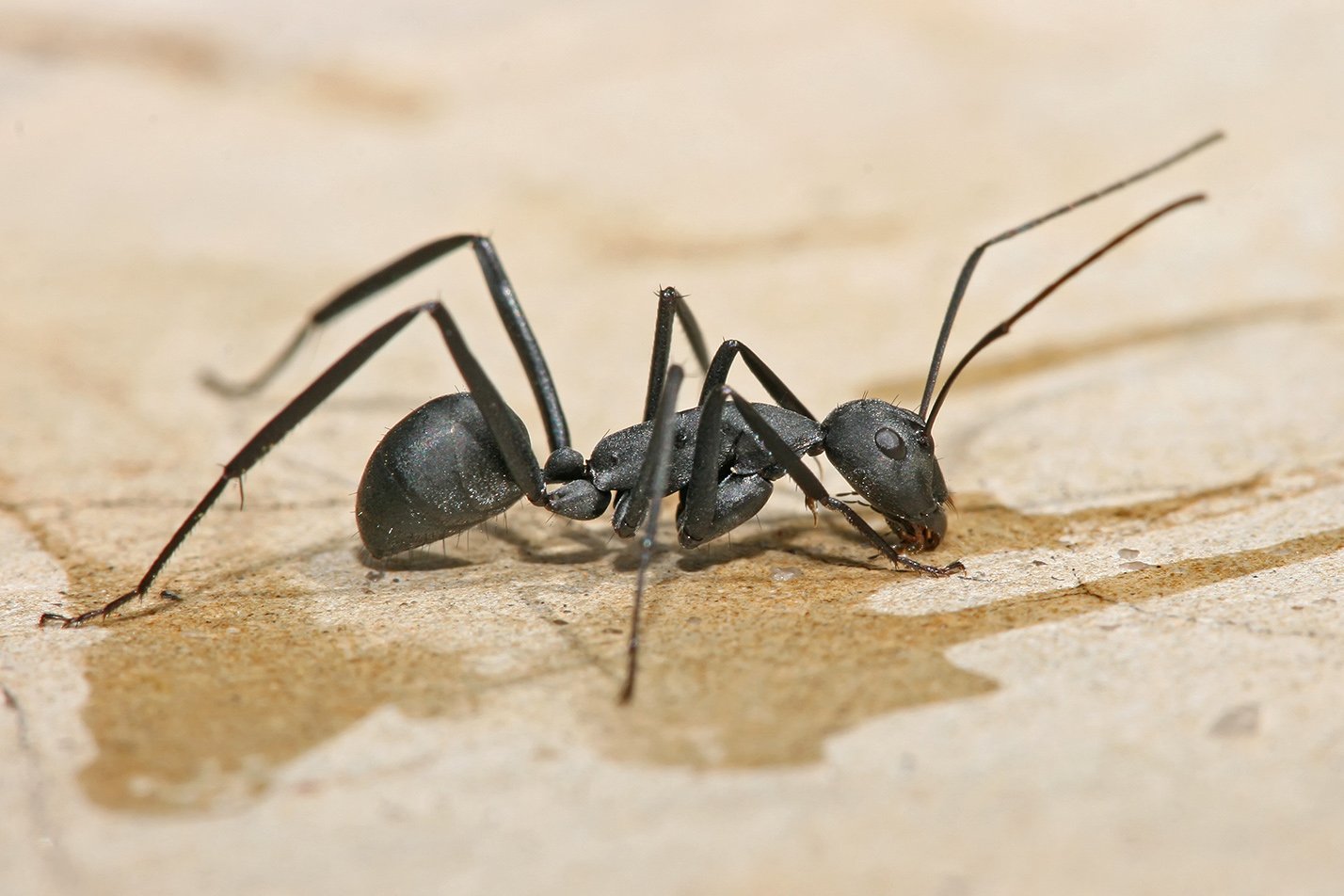
Ant Treatment
A trail of ants across your kitchen counter is a scouting report, not the whole problem. We find the colony behind it and treat…
Learn more →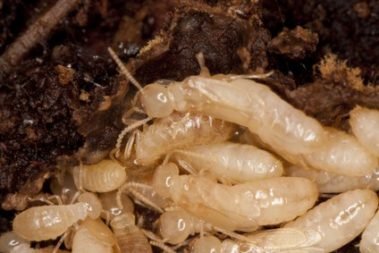
Termite Control
Subterranean and drywood termite treatment that protects your home's structure — natural-first, guaranteed, and safe for the people and pets who live there.
Learn more →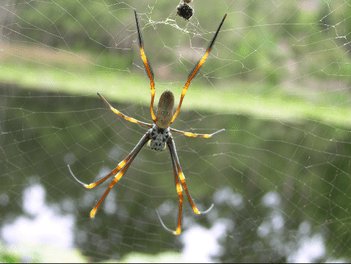
Spider Control
Spiders move in wherever the food supply and hiding spots are, so a few webs in the garage rarely stay a few for long.…
Learn more →Pest Inspections
A room-by-room, crawlspace-to-attic inspection that tells you exactly what's active on your property, and what to do about it, before you sign a lease,…
Learn more →Neighborhoods We Serve
Serving Armstrong and the Surrounding Spallumcheen Farmland
Armstrong is small enough that we do not treat it as a grid of neighbourhoods. The more useful way to think about pest pressure here is by how close a property sits to the surrounding farmland and creeks.
Township of Spallumcheen
Bordering Armstrong, Spallumcheen is a working agricultural municipality of hay fields, dairy operations and mixed farms that presses right up against the town's residential streets. That proximity shapes what shows up at the door, from wasps drawn out of an orchard to mice pushed out of a hay field once harvest finishes.
Hullcar Valley
Northwest of town, the Hullcar Valley is a distinct pocket of the area: a farming valley where older wood-frame farmhouses and outbuildings sit close to open fields.
Fortune Creek
Fortune Creek runs through the Armstrong area, and properties near it deal with a pattern similar to the Hullcar Valley, since creek corridors hold dampness that draws insects and rodents looking for water and shelter.
Pleasant Valley Road
Pleasant Valley Road and the rural roads branching off it connect the farms and acreages in Spallumcheen to the town core. Along these roads, farmland and residential pest pressure overlap directly.
Armstrong Town Core
In a town the size of Armstrong, the line between a residential yard and a working farm is often just a fence line, which changes how we approach almost every call.
Getting around
Getting Around Armstrong
Highway 97A defines Armstrong, running through the middle of town and connecting it south to Vernon and north to Enderby. It is the quickest way in and out of town regardless of which direction a property sits.
Locally, Pleasant Valley Road and the rural roads branching off it connect the farms and acreages in Spallumcheen to the town core, and those are the roads where farmland and residential pest pressure overlap most directly.
Local landmarks
Local Landmarks
Interior Provincial Exhibition (IPE) fairgrounds
The fairgrounds host the annual IPE and Stampede in Armstrong, and are a good marker for the livestock- and crop-heavy land use around the town.
Fortune Creek
Fortune Creek runs through the Armstrong area and is a steady moisture source for nearby properties.
Hullcar Valley
The Hullcar Valley is the farming valley northwest of town, where barns and outbuildings sit close to open fields.
Enderby and the Shuswap River
Enderby and the Shuswap River lie just north of Armstrong along Highway 97A, a useful reference point for the wetter ground as you head that direction.
Local knowledge
How Armstrong's Farmland Shapes Pest Season
Because Armstrong is surrounded by hay fields, dairy barns and open grassland rather than dense residential blocks, the seasonal pest pattern here tracks the farming calendar almost as closely as the weather. Summers run hot and dry, and yellowjackets are the top call, drawn to compost, orchard windfall and anything sweet left out during fair season or a backyard barbecue. Bald-faced hornets build their paper nests under eaves and in hedgerows on older Spallumcheen properties, often going unnoticed until the colony is well established by midsummer. Thatching ants show up along foundations, driveways and gravel edges where the ground heats up fast, common on the open, sun-exposed lots typical of this area.
As harvest wraps up and nights cool toward fall, deer mice and the occasional pack rat move out of the surrounding fields and into sheds, barns and outbuildings looking for shelter. That is especially common on properties along Pleasant Valley Road and through the Hullcar Valley, where farm buildings sit close to open fields. It matters beyond nuisance: deer mouse droppings can carry hantavirus, so a detached garage or hobby barn deserves careful cleaning and sealing, and you should check with Health Canada or your local health authority before sweeping out a heavily soiled building. Carpenter ants turn up less often here than on the coast, but they are not absent. Older wood-frame homes near Fortune Creek and lower-lying properties hold enough moisture, even in a dry climate, to attract them.
Local knowledge
Seasonal Pest Calendar for Armstrong Properties
Because Armstrong's pest pressure tracks the farming calendar so closely, the timing of treatment matters as much as the treatment itself. Winter is generally quiet on the insect side, but it is often when rodent problems that started in fall are first noticed: mice that moved into a shed or barn back in October are well settled by the time cold weather makes their presence obvious. As the ground thaws into April, carpenter ant colonies in older farmhouses become active again, and thatching ants along driveways and foundation edges start rebuilding mounds that sat dormant over winter.
By June, wasp queens that overwintered begin building the season's first nests under eaves and in hedgerows on Spallumcheen properties, and activity accelerates through the hot, dry stretch of July and August. Yellowjacket and bald-faced hornet colonies that start small in early summer can grow to thousands of workers by late summer, which is when the urgent nest calls come in near patios, gardens and farm buildings. September and October bring the turn back toward rodents, as the surrounding hay fields and dairy operations empty out after harvest and deer mice start looking for a warmer, drier place to spend the winter.
The practical lesson is that farmland around almost every home here means pest pressure rarely stays confined to one season. Checking eaves, hedgerows and outbuildings for early wasp activity in June, before colonies scale up, heads off the larger late-summer nests. Sealing sheds, barns and outbuildings before October keeps mice from settling in once the fields empty out. And for lower-lying properties near Fortune Creek, watching foundation moisture year-round is a strong defence against the carpenter ants that persist here despite the dry climate.
Local knowledge
Why Local Knowledge Matters in a Farming Town
In a town the size of Armstrong, the line between a residential yard and a working farm is often just a fence line, and that changes how we approach almost every call. A wasp nest on a property along Pleasant Valley Road might mean checking a hedgerow or an unused outbuilding rather than just the eaves of the house, because that is where colonies get the room and quiet they need to build up. A rodent problem out toward the Hullcar Valley usually starts at ground level, in a barn or feed shed, rather than in an attic, since the pressure is coming from adjacent fields.
Because Armstrong sits beside the Township of Spallumcheen rather than a sprawling urban footprint, we also see more properties where livestock, pets and kids all share the yard where the pest problem is happening, which shapes what treatment makes sense. A farm family is not looking for a heavy chemical approach any more than a homeowner in town is, so non-toxic, low-impact methods fit how Armstrong already works. Ask for a free quote and tell us whether your concern is the house, the barn or both.
Nearby
Also serving towns near Armstrong
Why It Works
Guaranteed, not just promised.
Satisfaction Guaranteed
If it's not gone, we come back — free.
Safe & Humane
Natural methods, safe around kids and pets.
No Long-Term Contracts
Stay because it works — not because you're locked in.
Find Us
Serving Armstrong, British Columbia
What Customers Say
Real reviews from our Google Business Profile.
“I am very happy with the results that Natural Pest Solutions was able to provide as far as the speed of their work and also the problem with ants in my home was able to be resolved quickly which gave me peace of mind. I would recommend this pest control company to anyone having issues with bugs.”
Stefano Merci — Google review
View on Google →“I am really pleased with the guys at Natural Pest Solutions, they got rid of my rodent problem quickly and those mice have not been back. I highly recommend these guys, they are the best pest control company around.”
Shawn Kern — Google review
View on Google →“I really am impressed with the great customer service and how quickly they came to help me with my rodent problem. After doing a pest inspection they found that the problem was much worse than I expected, but the guys at Natural Pest Solutions came to my rescue and got rid of all these nasty pests in my home.”
Phillip Pond — Google review
View on Google →Questions
What People in Armstrong Ask Us
How much does pest control cost in Armstrong BC?
Pricing depends on the property, the pest and whether you need a one-time visit or ongoing help. A single wasp nest is a different job from mice moving into a barn or ants in an older farmhouse, and acreage adds variables. We give you a free quote first so you know what is involved.
Are yellowjackets a big problem in Armstrong BC?
Yes, they are among the most common calls. Hot, dry summers plus compost, orchard windfall and sweets left out at barbecues or fair time keep yellowjackets active around town. Colonies grow through July and August, so spotting a nest early in June makes treatment simpler.
How fast can someone come out to my property in Armstrong?
It depends on the season and how full our schedule is. Late summer is busy with wasp and hornet nests. Request a free quote and describe the problem, especially if a nest is near a door, patio or barn, and we will schedule you as quickly as we can.
Is natural pest control in Armstrong safe for kids and pets?
We use non-toxic, low-impact products that are safe around kids and pets, which matters on Armstrong properties where livestock, dogs and children often share the same yard. We also explain where to keep animals during and after a visit. If you are unsure about local rules on lawn and garden products, check with your municipality.
Do I need pest control for mice in Armstrong BC?
If you have a shed, garage or hobby barn, it is worth taking seriously. Farmland edges push deer mice indoors as nights cool toward fall, and their droppings can carry hantavirus, so sealing gaps and careful cleanup matter as much as removal. Contact us for a free quote before disturbing a heavily soiled building.
What about carpenter ants in Armstrong homes?
Carpenter ants turn up most often in older wood-frame homes near Fortune Creek and in lower-lying yards where moisture lingers, even in a dry North Okanagan climate. Large black ants indoors, especially near bathrooms or crawlspaces, are worth having checked before a colony settles into the wood.
When is the best time to book pest control for a farm-edge property in Armstrong?
Two windows stand out. Early June, before wasp colonies scale up, and September, before deer mice head into sheds and barns after harvest. Booking ahead of those peaks lets us seal entry points and treat nests while they are still small.
Keep exploring
More from Natural Pest Solutions
- All pest control services
- Pest encyclopedia: identify what you are seeing
- All of our locations
- Customer reviews
- Pest control tips from our blog
- Contact us for a free quote
About the area
Armstrong
Wikipedia ↗Wikidata ↗British Columbia
Wikipedia ↗Wikidata ↗
Learn More
Trusted resources for Armstrong homeowners
Public-health, regulator and university guidance on safe pest control.
- Health Canada: Pesticides and Pest Management ↗Canadian guidance on pest control products.
- B.C. Government: Pesticides and Pest Management ↗Provincial rules and guidance in British Columbia.
- National Pesticide Information Center ↗Pest-by-pest fact sheets from Oregon State University and the EPA.
Ready to stop worrying about pests in Armstrong?
Talk to a real expert — no pressure, no toxic chemicals, no contract required.
Recognized by the organizations that set the standard