British Columbia
Pest Control Kelowna, BC
From orchard-edge properties in the Mission to lakefront homes along Okanagan Lake, Kelowna's hot dry summers and cold snowy winters bring their own pest pressures. Natural Pest Solutions uses natural-first methods, backed by our satisfaction guarantee.
Natural, guaranteed pest control — free quotes, no long-term contract, safe around kids and pets.
Common Pests in Kelowna
What we treat most often around Kelowna, British Columbia
Kelowna's semi-arid climate and its ring of orchards and vineyards shape what shows up at the door. Summer is wasp season, when yellowjackets and bald-faced hornets build up fast around fruit trees, grape rows and patio dining from the Mission to the downtown waterfront. An in-ground nest near a backyard or a tasting room patio can turn aggressive by August.
Carpenter ants are the other big one, especially in older Glenmore and Rutland homes where irrigation lines, leaky gutters or shaded crawlspaces keep wood damp enough to nest in. As nights cool through September and October, boxelder bugs and multicoloured Asian lady beetles gather in large numbers on sun-warmed, south-facing walls. At the same time deer mice start working into cabins, sheds and outbuildings around Okanagan Lake and up toward Lake Country ahead of winter, so it pays to read Interior Health's advice on hantavirus before opening a shed. Thatching ant mounds also appear in drier, grassy Interior yards through summer.
How We Fix It
Pest control services in Kelowna
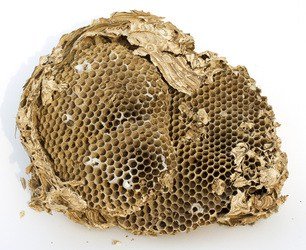
Wasp & Hornet Control
Fast, safe removal of wasp and hornet nests — different pest, different approach than beehive removal, and not something worth handling yourself.
Learn more →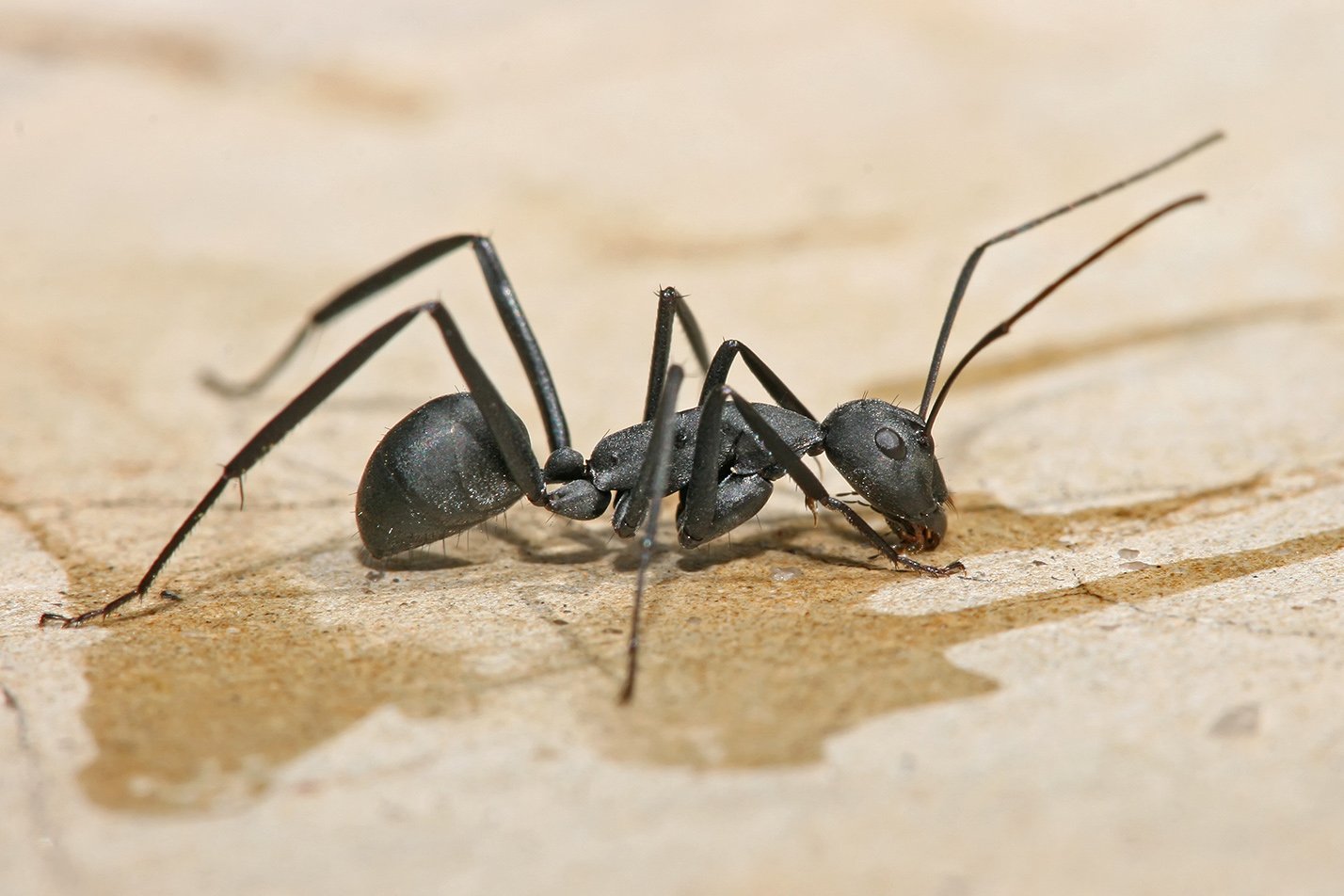
Ant Treatment
A trail of ants across your kitchen counter is a scouting report, not the whole problem. We find the colony behind it and treat…
Learn more →
Rodent Control
Mice and rat control that finds the entry points, not just the symptoms — trapping and exclusion that actually keeps rodents out, guaranteed.
Learn more →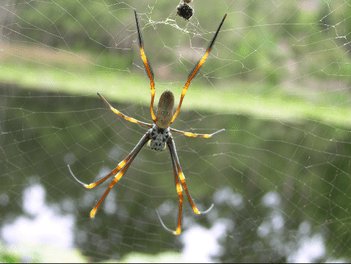
Spider Control
Spiders move in wherever the food supply and hiding spots are, so a few webs in the garage rarely stay a few for long.…
Learn more →Pest Inspections
A room-by-room, crawlspace-to-attic inspection that tells you exactly what's active on your property, and what to do about it, before you sign a lease,…
Learn more →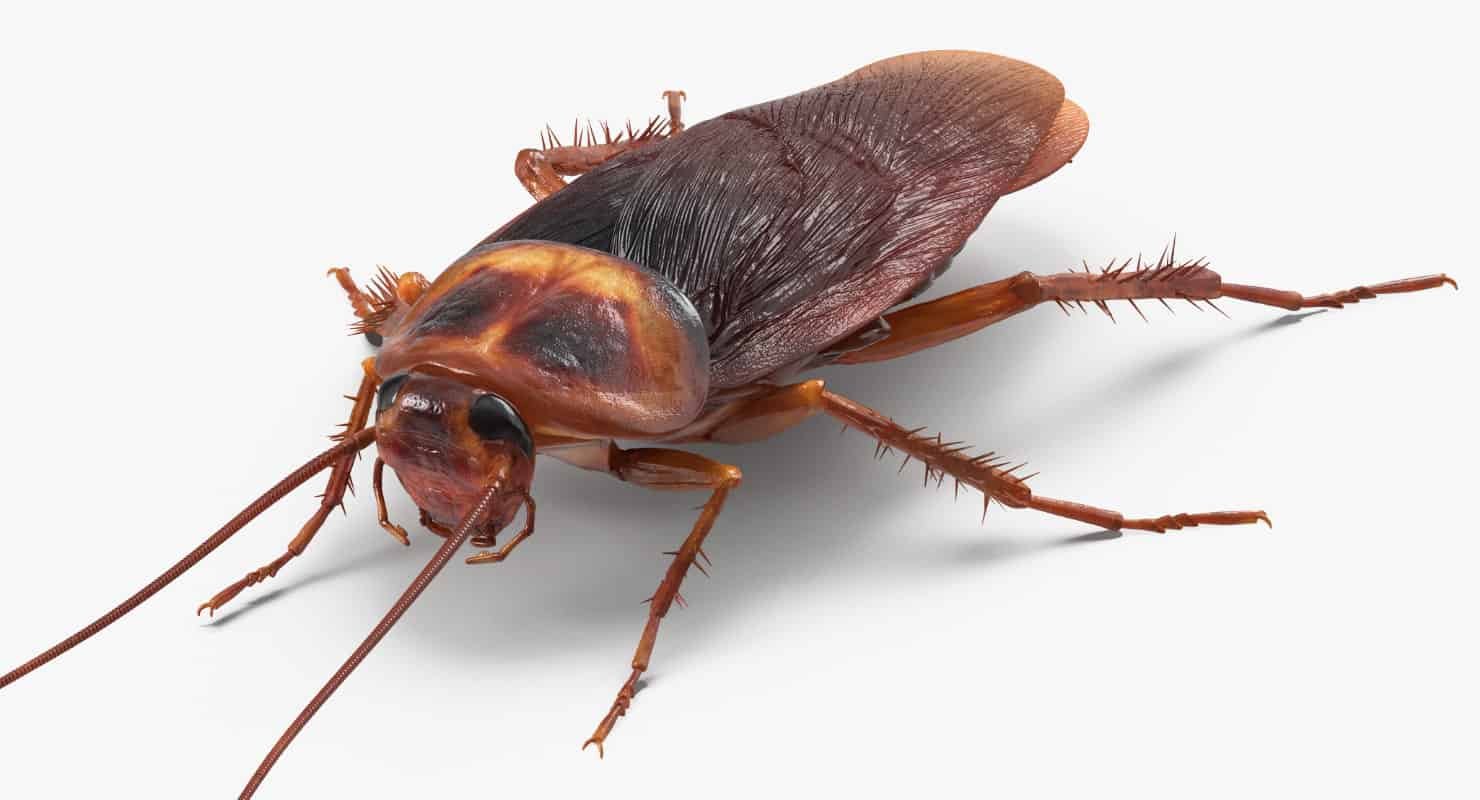
Cockroach Control
Cockroaches don't need much to move in: a damp corner, a crumb trail, and a gap the width of a coin. We find where…
Learn more →Neighborhoods We Serve
Neighbourhoods We Serve in Kelowna
Kelowna stretches a long way along the east side of Okanagan Lake, and pest patterns shift depending on how close a property sits to water, orchard or bare hillside.
The Mission
The Mission is split into Lower Mission near the lake and Upper Mission on the bench above it. It mixes older lakefront homes with newer construction pushed up against dry, undeveloped slopes, and both ends see heavy summer wasp activity.
Glenmore
Glenmore, north of downtown, is one of the city's older residential areas, with enough mature trees and aging homes to make it consistent carpenter ant territory. Irrigation lines, leaky gutters and shaded crawlspaces keep wood damp enough for nests.
Rutland
Rutland, further east, is one of the city's older residential areas, with enough mature trees and aging homes to make it consistent carpenter ant territory. Irrigation lines, leaky gutters and shaded crawlspaces keep wood damp enough for nests.
Downtown and City Park
Downtown and the waterfront around City Park have their own version of wasp pressure, driven less by orchards and more by outdoor patio dining along Bernard Avenue and the lakeshore.
Black Mountain
Black Mountain, on higher ground east of downtown, backs onto dry hillside terrain similar to Upper Mission. Thatching ants and wasps do well in that mix of rock, sagebrush and irrigated yard, and boxelder bugs gather on south-facing walls each fall.
Wikipedia ↗Wikidata ↗Dilworth
Dilworth, on higher ground east of downtown, backs onto dry hillside terrain similar to Upper Mission. Thatching ants and wasps do well in that mix of rock, sagebrush and irrigated yard, and lady beetles gather on south-facing walls each fall.
Southeast Kelowna
Southeast Kelowna is still one of the more agricultural pockets of the city, with working orchards and vineyards. Late-summer wasp calls tied directly to fruit production tend to cluster here.
Getting around
Getting Around Kelowna
Highway 97 is the backbone of Kelowna, running the length of the city and crossing Okanagan Lake via the William R. Bennett Bridge toward West Kelowna. Harvey Avenue is the local name for Highway 97 as it passes through the middle of the city, and it is a major corridor our pest professionals drive.
Gordon Drive and KLO Road connect the Mission neighbourhoods to downtown and out toward Southeast Kelowna's orchard country, while Highway 33 heads out through Rutland toward Big White. Benvoulin Road and Lakeshore Road carry a lot of the residential traffic through the Mission's older, tree-lined streets.
Local landmarks
Local Landmarks
Okanagan Lake
Okanagan Lake is the defining feature of the city. Lakefront and near-lakefront properties from the Mission to downtown deal with more consistent moisture and shade than the drier benches above.
Wikipedia ↗Wikidata ↗Knox Mountain Park
Knox Mountain Park rises directly above downtown. Its dry, rocky terrain is a steady source of wasp and thatching ant activity for adjacent neighbourhoods.
Mission Creek Regional Park
Mission Creek Regional Park runs through the Mission. Its creekside corridor holds moisture that keeps ant and spider activity higher in nearby yards than in the drier parts of the city.
City Park and the Downtown Waterfront
Patio dining and shoreline plantings around City Park and the downtown waterfront draw wasps through late summer.
Local knowledge
How Kelowna's Climate Shapes Pest Season
Kelowna's semi-arid climate and its ring of orchards and vineyards shape what shows up at the door more than almost anything else. Summer is wasp season here. Yellowjackets and bald-faced hornets build up fast around fruit trees, grape rows and patio dining from the Mission to the downtown waterfront, and an in-ground nest near a backyard or tasting room patio can turn aggressive by August. Southeast Kelowna's working orchards and the vineyards climbing the Mission benches are where that pressure starts, but it does not stay put. Wasps travel, and a nest in an orchard block can become a problem two streets over by late summer.
Carpenter ants are the other major concern, especially in older Glenmore and Rutland homes where irrigation lines, leaky gutters or shaded crawlspaces keep wood damp enough to nest in even through a dry Okanagan summer. As nights cool through September and October, boxelder bugs and multicoloured Asian lady beetles gather on sun-warmed, south-facing walls in Black Mountain, Dilworth and Upper Mission, where the exposure that makes for a great view also makes stucco and siding a landing pad for overwintering insects.
Around Okanagan Lake and up toward Lake Country, deer mice start working into cabins, sheds and outbuildings ahead of winter. Their droppings are the reason to be careful when reopening a cabin in spring, and Interior Health explains how to clean up safely. Thatching ant mounds also turn up in drier, grassy yards through Black Mountain and the benches above the Mission all summer, one more reminder that in Kelowna elevation and irrigation matter as much as the season itself.
Local knowledge
Seasonal Pest Calendar for Kelowna Homeowners
Kelowna's pest calendar follows the growing season almost as closely as it follows the weather. In spring, once the orchards and vineyards start budding out through April and May, carpenter ant colonies in Glenmore and Rutland become active again after winter, and the first thatching ant mounds start appearing on dry, grassy lots in Black Mountain and Dilworth. By June, wasp queens that overwintered are building the first small nests of the season in eaves, ground burrows and undisturbed brush around orchard blocks in Southeast Kelowna and on the Mission benches.
Summer is when everything accelerates. Yellowjacket and bald-faced hornet colonies that started small in June can grow to several thousand workers by August, tracking the ripening fruit through Southeast Kelowna's orchards and the vineyards along the Mission benches before spreading toward downtown patios and lakefront backyards. That is also when carpenter ant damage in older Glenmore and Rutland homes tends to become visible, as colonies that have been quietly expanding since spring start producing audible activity in walls.
As September and October bring cooler nights, the pattern shifts again. Boxelder bugs and Asian lady beetles begin gathering on warm walls in Black Mountain, Dilworth and Upper Mission, and deer mice start moving into cabins and outbuildings around Okanagan Lake and Lake Country ahead of winter.
The practical takeaway is that acting early in each season heads off the worst of what follows. A spring check on older Glenmore or Rutland wood trim catches carpenter ants before they have done a season's worth of damage. Watching for early wasp activity around orchard-edge and lakefront properties in June, before colonies scale up, avoids the aggressive, hard-to-manage nests that show up by August. And sealing cabins, sheds and outbuildings near the lake before October keeps rodents from settling in for a Kelowna winter, which can get cold enough that a warm, dry outbuilding becomes very attractive to a deer mouse.
Local knowledge
Why Local Knowledge Matters Here
Kelowna stretches far enough along Okanagan Lake that the right approach depends on which part of the city a property sits in. A wasp call from Southeast Kelowna or the vineyards climbing the Mission benches usually starts with checking the ground and tree lines around the orchard rows, since that is where colonies build up before spreading toward homes. A carpenter ant call from an older Glenmore or Rutland property is a different job entirely, usually pointing us toward irrigation lines, gutters and shaded crawlspaces rather than anything orchard-related. A rodent call from a cabin near Okanagan Lake or up toward Lake Country typically means checking for gaps around foundations and vents that were fine in summer but become an open invitation once the weather turns.
Black Mountain and Dilworth bring their own pattern, since their dry, rocky, south-facing exposure is exactly what draws boxelder bugs and lady beetles to gather on walls every fall, a problem that lakefront or Mission properties with more shade and moisture rarely see to the same degree. That is the advantage of treating Kelowna as several distinct zones instead of one city. A plan built for a Glenmore character home does not automatically transfer to a Southeast Kelowna orchard property or a Black Mountain hillside lot.
Pricing depends on the property and the pests involved, and a free quote comes first. Our natural pest control options rely on non-toxic, low-impact products that are safe around kids and pets, and our work is backed by our satisfaction guarantee. Tell us what you are seeing, and where in Kelowna you are, and we will point you toward the right plan.
Nearby
Also serving towns near Kelowna
Why It Works
Guaranteed, not just promised.
Satisfaction Guaranteed
If it's not gone, we come back — free.
Safe & Humane
Natural methods, safe around kids and pets.
No Long-Term Contracts
Stay because it works — not because you're locked in.
Find Us
Serving Kelowna, British Columbia
What Customers Say
Real reviews from our Google Business Profile.
“Great company to deal with. They were courteous and they kept their appointment time to deal with my pest control problem. And they gave me a report of things I could do myself to help keep the pests away.”
Marlon Meginbir — Google review
View on Google →“Excellent advice and treatment of carpet beetles. Would recommend them.”
Kathleen Boulanger — Google review
View on Google →Questions
What People in Kelowna Ask Us
How much does pest control cost in Kelowna?
Pricing depends on property size and which pests are active, and orchard-edge or lakefront properties can face more wasp and ant pressure than a standard in-town lot. Rather than guess, we start with a free quote after hearing about your property, then explain the options.
Are wasps bad near Kelowna's wineries and patios in summer?
Yes, summer is wasp season in Kelowna. Yellowjackets and bald-faced hornets build up around fruit trees, grape rows and patio dining from the Mission to the waterfront, and an in-ground nest near a backyard or tasting room patio can turn aggressive by August.
How fast can someone come out in Kelowna?
Request a free quote and we will schedule you as quickly as we can. Wasp nests near patios and dining areas become a priority in Kelowna's summer heat, so mention any nest near a door, deck or play area when you get in touch.
Is pest control safe for kids and pets in Kelowna?
We use natural pest control options with non-toxic, low-impact products that are safe around kids and pets, and our work is backed by our satisfaction guarantee. That matters in a city of backyard fruit trees, vineyards and lakefront yards where children and dogs are outside all summer.
Do older Glenmore and Rutland homes get more carpenter ants?
Often they do. Carpenter ants favour damp wood, and older Glenmore and Rutland homes have more chances for it: irrigation lines beside foundations, leaky gutters and shaded crawlspaces. Fixing moisture problems is part of keeping them from returning after treatment.
Do mice move into Kelowna cabins near Okanagan Lake in the fall?
Yes. As nights cool through September and October, deer mice look for cabins, sheds and outbuildings around Okanagan Lake and toward Lake Country. Sealing gaps around foundations and vents before the cold arrives is the best defence, and Interior Health offers guidance on safe clean-up.
Keep exploring
More from Natural Pest Solutions
- All pest control services
- Pest encyclopedia: identify what you are seeing
- All of our locations
- Customer reviews
- Pest control tips from our blog
- Contact us for a free quote
About the area
Kelowna
Wikipedia ↗Wikidata ↗British Columbia
Wikipedia ↗Wikidata ↗
Learn More
Trusted resources for Kelowna homeowners
Public-health, regulator and university guidance on safe pest control.
- Health Canada: Pesticides and Pest Management ↗Canadian guidance on pest control products.
- B.C. Government: Pesticides and Pest Management ↗Provincial rules and guidance in British Columbia.
- National Pesticide Information Center ↗Pest-by-pest fact sheets from Oregon State University and the EPA.
Ready to stop worrying about pests in Kelowna?
Talk to a real expert — no pressure, no toxic chemicals, no contract required.
Recognized by the organizations that set the standard