British Columbia
Pest Control Kamloops, BC
Where the North and South Thompson rivers meet, dry grassland hills give way to irrigated yards and valley heat, and that mix decides which pests reach your door and when. Natural Pest Solutions plans around each part of Kamloops.
Natural, guaranteed pest control — free quotes, no long-term contract, safe around kids and pets.
Common Pests in Kamloops
What we treat most often around Kamloops, British Columbia
Kamloops sits in a bowl where sagebrush hills like Lac du Bois and Kenna Cartwright meet a river valley that regularly tops 30°C in July and August. That heat makes yellowjackets and bald-faced hornets the pest most homeowners call about first, nesting in eaves and dry ground around patios and turning aggressive around fruit trees and backyard barbecues in older neighbourhoods like North Shore and Brocklehurst.
As the grasslands dry out and cool in September, hobo spiders and giant house spiders push indoors, while boxelder bugs and ladybeetles cluster on sun-facing stucco and siding. Out toward Barnhartvale, Knutsford and the acreages ringing the city, deer mice and pack rats move into sheds, cabins and outbuildings ahead of winter, which is worth taking seriously given HealthLink BC's guidance on hantavirus. Carpenter ants still turn up in older wood-frame homes with irrigated lawns and shaded foundations, even without the coast's rainfall.
How We Fix It
Pest control services in Kamloops
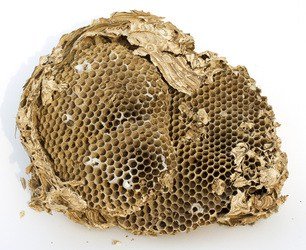
Wasp & Hornet Control
Fast, safe removal of wasp and hornet nests — different pest, different approach than beehive removal, and not something worth handling yourself.
Learn more →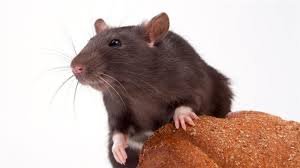
Rodent Control
Mice and rat control that finds the entry points, not just the symptoms — trapping and exclusion that actually keeps rodents out, guaranteed.
Learn more →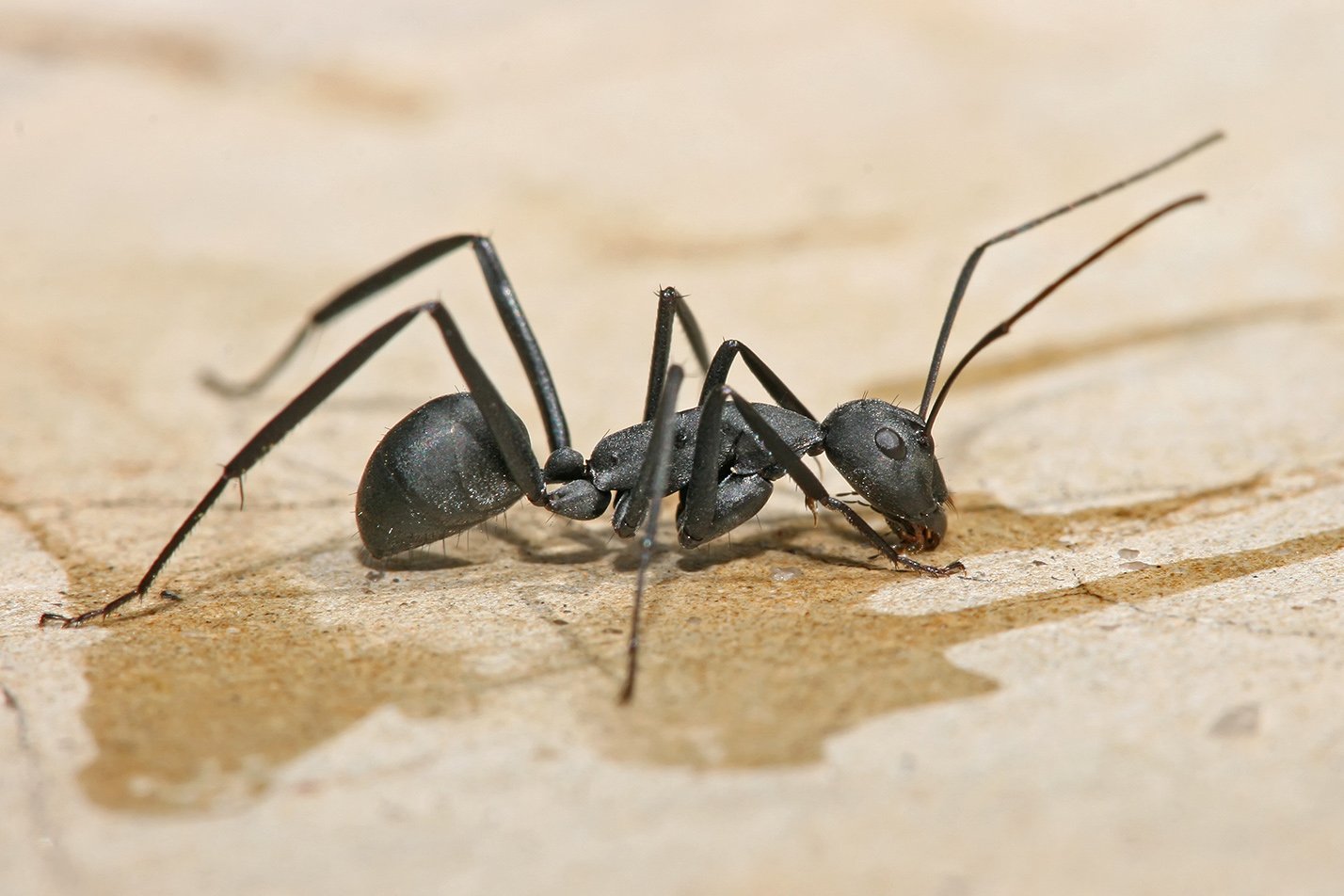
Ant Treatment
A trail of ants across your kitchen counter is a scouting report, not the whole problem. We find the colony behind it and treat…
Learn more →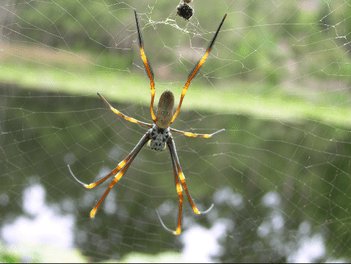
Spider Control
Spiders move in wherever the food supply and hiding spots are, so a few webs in the garage rarely stay a few for long.…
Learn more →Pest Inspections
A room-by-room, crawlspace-to-attic inspection that tells you exactly what's active on your property, and what to do about it, before you sign a lease,…
Learn more →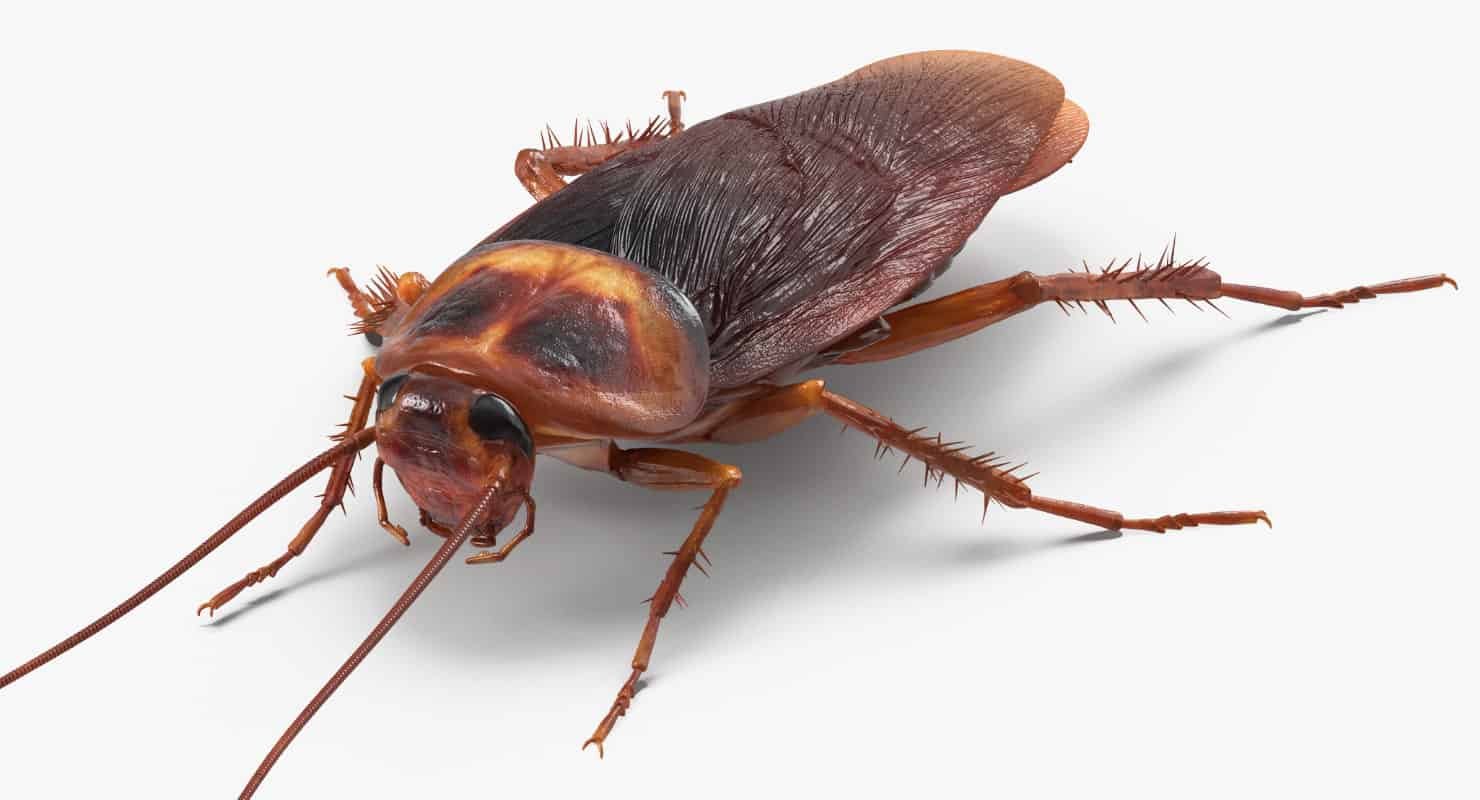
Cockroach Control
Cockroaches don't need much to move in: a damp corner, a crumb trail, and a gap the width of a coin. We find where…
Learn more →Neighborhoods We Serve
Neighbourhoods We Serve in Kamloops
Kamloops spreads across several distinct benches and valleys where the North and South Thompson rivers meet, and the terrain changes enough from one neighbourhood to the next that pest pressure varies with it. Natural Pest Solutions has two offices in Kamloops, so we can cover neighbourhoods on both sides of the river without long detours.
North Shore
North Shore, across the river from downtown, is one of the older, denser parts of the city. Its mix of established trees and aging homes makes it a steady source of carpenter ant and wasp calls, and irrigated lots here suit carpenter ants.
Brocklehurst
Brocklehurst, further along the North Shore, shares the older-housing pattern of North Shore. Yellowjackets and bald-faced hornets turn aggressive around fruit trees and backyard barbecues here once summer heat sets in.
Wikipedia ↗Wikidata ↗Sahali
Sahali sits on the benches above downtown near Thompson Rivers University and Kenna Cartwright Park, where dry grassland backs right up to residential yards. That keeps wasps and thatching ants active through summer.
Aberdeen
Aberdeen sits on the benches above downtown near Thompson Rivers University and Kenna Cartwright Park, where dry grassland backs right up to residential yards and keeps wasps and thatching ants active through summer.
Westsyde
Westsyde, along the North Thompson, deals with the irrigation-versus-desert contrast that defines a lot of Kamloops pest activity: lush watered lawns surrounded by sagebrush hillside. Carpenter ants can turn up where a sprinkler runs against a foundation.
Wikipedia ↗Wikidata ↗Batchelor Heights
Batchelor Heights, on higher ground, deals with lush watered lawns surrounded by sagebrush hillside. Its south- and west-facing exposure also makes walls a magnet for overwintering boxelder bugs and ladybeetles each fall.
Barnhartvale
Barnhartvale is a lower-density, acreage-style area toward the edge of the city, where sheds, barns and outbuildings see far more rodent pressure than anything in town. Deer mice and pack rats move in ahead of winter.
Wikipedia ↗Wikidata ↗Knutsford
Knutsford is a lower-density, acreage-style area toward the edge of the city, where sheds, barns and outbuildings see far more rodent pressure than anything in town. Deer mice and pack rats move in ahead of winter.
Wikipedia ↗Wikidata ↗Valleyview
Valleyview, on the east side of Kamloops, is part of the mix of benches and valleys where terrain, and so pest pressure, changes from one neighbourhood to the next. We cover neighbourhoods on both sides of the river.
Juniper Ridge
The newer development in Juniper Ridge sits on south-facing slopes, some of the hottest, driest ground in the city come July. Sun-facing walls also attract boxelder bugs and ladybeetles looking for a way in each fall.
Wikipedia ↗Wikidata ↗
Getting around
Getting Around Kamloops
The Trans-Canada Highway (Highway 1) and Highway 5 meet at Kamloops, making it a hub for traffic heading in every direction, and those routes help our pest controllers move between neighbourhoods on opposite sides of the river. Highway 97 connects the city toward Vernon and the Okanagan.
Locally, Summit Drive runs along the base of Kenna Cartwright Park and connects Sahali to downtown, while Columbia Street and Tranquille Road are main routes through downtown and the North Shore, respectively.
Local landmarks
Local Landmarks
Kenna Cartwright Park
A large municipal nature park backing onto Sahali and Aberdeen, and a constant source of dry-grassland insect and wildlife activity for nearby homes.
Wikipedia ↗Wikidata ↗Lac du Bois Grasslands Protected Area
The sagebrush hills north of the North Shore, and a reminder of how close true grassland terrain sits to residential streets.
Riverside Park and the Thompson Rivers
Riverside Park and the meeting of the North and South Thompson rivers downtown make up one of the few reliably moist areas in an otherwise dry city.
Wikipedia ↗Wikidata ↗Thompson Rivers University
The university anchors the Sahali and Aberdeen area and the surrounding rental housing, where older buildings tend to have more entry points than newer builds.
Wikipedia ↗Wikidata ↗
Local knowledge
How Kamloops' Climate Shapes Pest Season
Kamloops sits in a bowl where dry grassland hills meet a river valley that regularly tops 30°C in July and August, and that heat is the single biggest factor driving pest calls here. Yellowjackets and bald-faced hornets are what most homeowners ask about first, nesting in eaves and dry ground around patios and turning aggressive around fruit trees and backyard barbecues in neighbourhoods like North Shore and Brocklehurst once summer heat sets in. Thatching ants are a close second, building mounds along foundations, walkways and driveways in Sahali, Aberdeen and other grassland-adjacent areas where the ground warms fast and stays that way.
As the grasslands dry out and cool into September, hobo spiders and giant house spiders push indoors across the city, while boxelder bugs and ladybeetles cluster on sun-facing stucco and siding looking for a way in before the cold sets in. That shift hits hardest in south- and west-facing homes in Juniper Ridge and Batchelor Heights, where the exposure that makes for a great summer view also makes walls a magnet for overwintering insects.
Out toward Barnhartvale and Knutsford, the acreage properties see a different fall pattern. Deer mice and pack rats move into sheds, cabins and outbuildings ahead of winter, and deer mouse droppings are the reason to be careful when opening up a shed in spring. HealthLink BC explains how to clean up safely. Carpenter ants also turn up, even without the coast's rainfall, usually in older wood-frame homes with irrigated lawns and shaded foundations in Westsyde and North Shore, where a sprinkler running against a foundation all summer creates exactly the moisture pocket they want.
Local knowledge
Seasonal Pest Calendar for Kamloops Homeowners
Kamloops runs a more extreme seasonal swing than most Lower Mainland cities, and that shapes the pest calendar in a distinct way. Winters are cold and often snowy, and by the time spring arrives, overwintering insects like boxelder bugs and ladybeetles that clustered on south-facing walls the previous fall start working their way back out, sometimes turning up inside homes in Batchelor Heights or Juniper Ridge before the weather has fully warmed. Carpenter ants become active in April and May in the pockets of the city with enough irrigation or shade to keep wood damp, and thatching ant mounds along dry, grassy edges in Sahali and Aberdeen start showing fresh activity around the same time.
By June, as daytime highs climb into the high 20s and 30s, wasp season begins in earnest and builds fast. Yellowjacket and bald-faced hornet nests that start small in early summer can grow to thousands of workers by August, which is when the most urgent calls tend to come from North Shore and Brocklehurst backyards. That same heat drives thatching ant activity in Sahali and the benches above downtown, where mound-building peaks through the hottest stretch of summer.
As temperatures drop through September, the pattern flips. Hobo spiders and giant house spiders move indoors, boxelder bugs and ladybeetles cluster on warm walls again in Juniper Ridge and Batchelor Heights, and on the acreages around Barnhartvale and Knutsford, deer mice and pack rats begin moving into sheds and outbuildings ahead of the first hard frost.
The biggest lesson from that swing is that dry heat does not mean low pest pressure. It just changes which pests show up and when. Checking eaves and dry ground around patios for early wasp activity in June, before nests get large, heads off most of the dangerous late-summer calls. Sealing outbuildings on acreage properties before September gives rodents fewer places to hide as the grasslands cool. And keeping an eye on irrigated, shaded parts of a property, the areas that do not behave like the surrounding grassland, is a reliable way to catch carpenter ants early in a climate where most homeowners do not expect them.
Local knowledge
Why Local Knowledge Matters Here
Kamloops is really a collection of very different microclimates stacked close together, and knowing which one a property sits in changes how we approach the job. A wasp call from Sahali or Aberdeen, right against the dry grassland of Kenna Cartwright Park, usually means checking ground burrows and dry embankments first, since that is the terrain those colonies prefer. A rodent call from an acreage in Barnhartvale or Knutsford is a different problem altogether: the pressure comes from open range and farmland rather than a neighbouring lot, so sheds and outbuildings get priority over the house. A carpenter ant call from Westsyde or North Shore usually means looking at irrigation lines and shaded foundation edges, since that is the only part of a typically dry Kamloops yard damp enough to interest them.
Juniper Ridge and Batchelor Heights bring their own consideration, since south- and west-facing exposure, the same feature that makes them desirable for the view, also makes them a magnet for overwintering boxelder bugs and ladybeetles every fall. That is the advantage of treating Kamloops as several distinct terrains rather than one uniform city. A plan built around North Shore's older, irrigated lots does not automatically apply to a Batchelor Heights hillside home or a Barnhartvale acreage.
Pricing depends on the property and the pests involved, and a free quote comes first. Our approach leans on natural pest control options and non-toxic, low-impact products that are safe around kids and pets, and our work is backed by our satisfaction guarantee. If you are unsure whether a pest is worth a call, describe what you are seeing and we will help you sort it out.
Nearby
Also serving towns near Kamloops
Why It Works
Guaranteed, not just promised.
Satisfaction Guaranteed
If it's not gone, we come back — free.
Safe & Humane
Natural methods, safe around kids and pets.
No Long-Term Contracts
Stay because it works — not because you're locked in.
Find Us
Serving Kamloops, British Columbia
What Customers Say
Real reviews from our Google Business Profile.
“Natural Pest Solutions just finished a job at my house. They explained everything in detail and answered every question. On time, professional, and neatly attired. Highly recommended!”
William Morgan — Google review
View on Google →“Great company to deal with. They were courteous and they kept their appointment time to deal with my pest control problem. And they gave me a report of things I could do myself to help keep the pests away.”
Marlon Meginbir — Google review
View on Google →“Excellent advice and treatment of carpet beetles. Would recommend them.”
Kathleen Boulanger — Google review
View on Google →Questions
What People in Kamloops Ask Us
How much does pest control cost in Kamloops?
Pricing depends on the property and the pests involved, whether that is a wasp nest under the eaves, mice in an outbuilding or carpenter ants in an older home. We do not quote blind. Request a free quote and we will explain what drives the price for your situation.
Are wasps a big problem in Kamloops in the summer?
Yes, yellowjackets and bald-faced hornets are the pests Kamloops homeowners ask about first. Nests in eaves and dry ground near patios grow through July heat and can turn aggressive around fruit trees and barbecues by August, especially in older North Shore and Brocklehurst yards.
How fast can someone come out in Kamloops?
Request a free quote and we will schedule you as quickly as we can. An active wasp nest by a door or play area is worth flagging when you contact us, because nests grow through the summer and we prioritize the ones near people.
Is natural pest control safe for kids and pets in Kamloops?
Our natural pest control options use non-toxic, low-impact products that are safe around kids and pets. That suits Kamloops yards, where children and dogs spend hot summer evenings on lawns and patios that sit right beside dry grassland where wasps and thatching ants are active.
Do I need pest control in Kamloops in the fall for spiders?
Often it helps. As the grasslands dry out and cool in September, hobo spiders and giant house spiders move indoors, and boxelder bugs and ladybeetles gather on sun-facing stucco and siding. Sealing gaps around doors, windows and vents before then reduces how many get inside.
Are mice a concern on Kamloops acreages?
Yes. Around Barnhartvale, Knutsford and other acreages, deer mice and pack rats look for sheds, cabins and outbuildings before winter. Sealing entry points early helps, and HealthLink BC explains how to clean up droppings safely rather than sweeping or vacuuming them.
Does Natural Pest Solutions have more than one office in Kamloops?
Yes, the company has two offices in Kamloops, which lets us reach neighbourhoods on both sides of the Thompson rivers efficiently. Contact us through this page to request a free quote, and we will match you with the right visit for your area.
Keep exploring
More from Natural Pest Solutions
- All pest control services
- Pest encyclopedia: identify what you are seeing
- All of our locations
- Customer reviews
- Pest control tips from our blog
- Contact us for a free quote
About the area
Kamloops
Wikipedia ↗Wikidata ↗British Columbia
Wikipedia ↗Wikidata ↗
Learn More
Trusted resources for Kamloops homeowners
Public-health, regulator and university guidance on safe pest control.
- Health Canada: Pesticides and Pest Management ↗Canadian guidance on pest control products.
- B.C. Government: Pesticides and Pest Management ↗Provincial rules and guidance in British Columbia.
- National Pesticide Information Center ↗Pest-by-pest fact sheets from Oregon State University and the EPA.
Ready to stop worrying about pests in Kamloops?
Talk to a real expert — no pressure, no toxic chemicals, no contract required.
Recognized by the organizations that set the standard