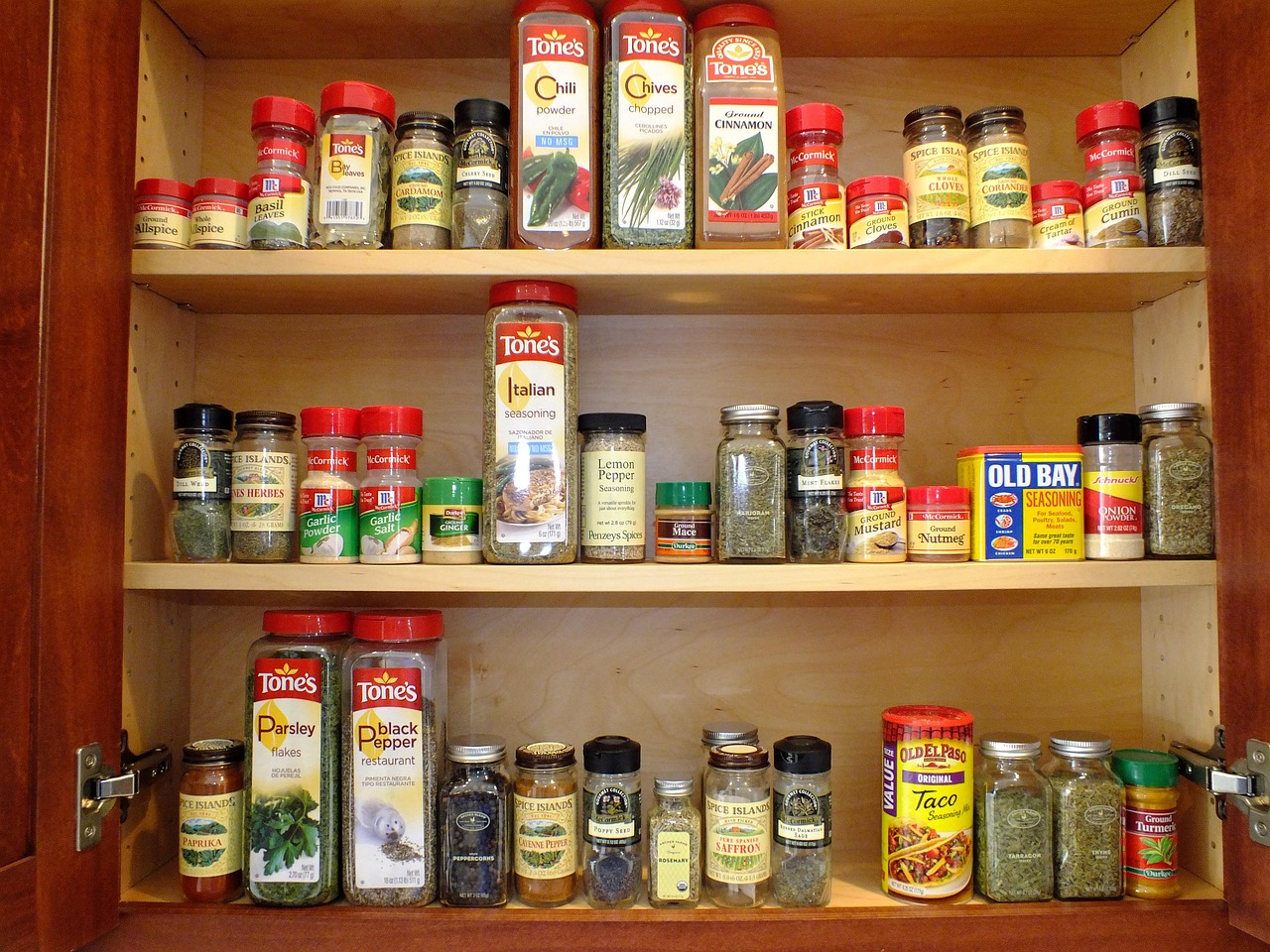
Sprays and traps are a common way to get rid of pests. Some homeowners even hire professional services. However, one of the largest contributors to infestations lies in the open right before our eyes. It’s not cracks in the walls or open windows. It’s poor storage. How we store our items at home has a direct influence on whether ants, flies, roaches, and rodents are attracted or are deterred. Pests will follow food that is readily accessible.
Why Pests Are Attracted to Improper Storage
Pests are very good at finding food. Ants are able to smell sugar across a room. Grains and flour attract pantry moths. Pet food is sensed by rodents even in sealed bags. Even flies can locate tiny food traces left behind on lids or rims. That is why boxes, thin plastic bags, and loosely closed containers are so problematic. They do not retain odours, nor do they stop the pests. Insects or rodents do not give up once they detect a food source.
This is where many DIY pest control efforts fail. People clean their kitchens and still see bugs. They use natural sprays and still spot flies. The missing piece is often storage. If pests have access to food, they cannot be kept away by cleaning. Crumbs and unsealed packaging make your pantry an open buffet.
How Bad Storage Containers Create Pest Problems
Using bad storage containers makes things worse. Insects creep into containers with broken plastic, loose lids or weak seals. After getting in, pests hatch their eggs. They cause contamination and spread quickly.
Beetles and moths thrive in thin bags of flour and rice. Rodents gnash through plastic and cardboard boxes with ease. A single carelessly covered bag of dog food will bring out mice, ants, and flies, all at once.
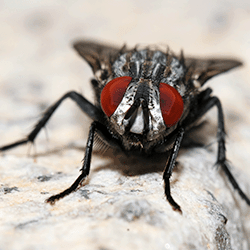
Fliers accumulate when food odors escape into the air. Leave some food, fruit, or pet food uncovered, the flies will appear almost immediately. That’s why fly pest control is closely tied to storage. Tight-sealing containers eliminate the odors that attract them. Without smells, flies move on.
What Makes a Container Pest-Resistant?
To make a container truly pest-resistant, it must be airtight. A good seal keeps both air and scent inside. The material also matters; pests have a lot more difficulty penetrating glass and thick plastic. Storing pet food or bulk items in metal containers is an even better idea. Find containers with locking clips or rubber gaskets. These features deter insects sliding inside and rodents chewing their way through.
Natural Pest Prevention Through Smart Storage
Choosing the right containers is the simplest form of defense. It doesn’t involve chemicals or traps. It simply removes what pests want most: access to food. When food is sealed properly, pests have no reason to stay.
This approach also fits perfectly with natural pest prevention. You prevent them before they come, rather than having to kill them after they emerge. There is no need to use harsh sprays when your pantry is already shielded. A cleaner home and safer food is supported by a safe and sealed storage.
Another smart storage solution is portable storage containers. Whether you are emptying the kitchen or pantry for professionals pest control or renovating your home, having portable storage containers at home really takes away the stress.
Practical Tips for Homeowners
- Transfer flour, sugar, rice, cereal, and snacks to airtight containers
- Use closed bins for pet food and bird seed
- Clean off lids and rims to eliminate residue
- Label containers to avoid food sitting too long
Endnote
When food is easy to reach, pest infestations can occur quickly. By improving your storage boxes, you develop a strong, natural shield against rodents, insects and flies.