
Mosquito control doesn’t have to mean blanket chemical spraying across the whole yard. A natural approach works, and often works better, because it targets mosquitoes at multiple points in their life cycle instead of just knocking down the adults you can see on a given evening.
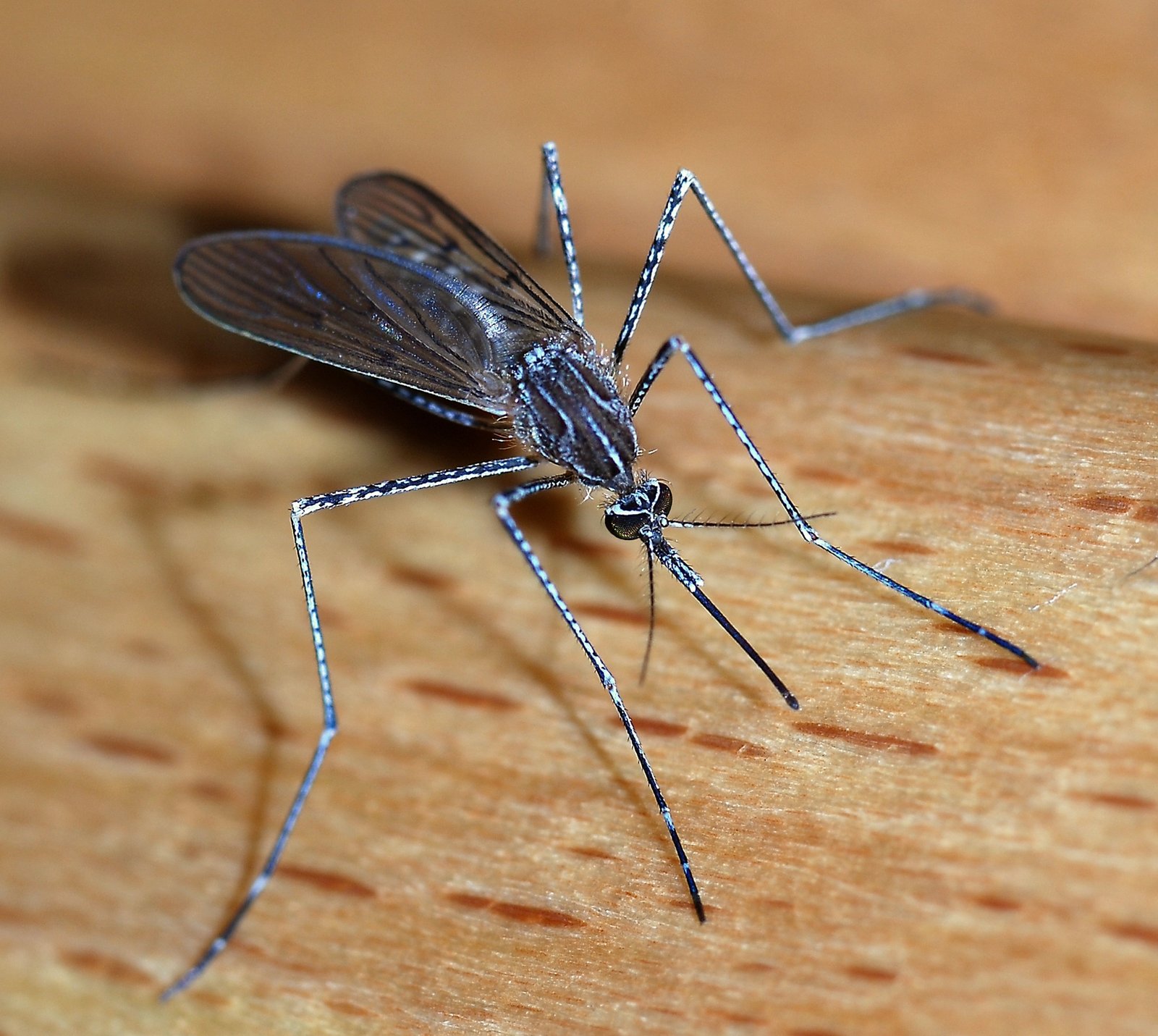
Why the life cycle matters
A female mosquito lays eggs in batches of 100 or more, and in warm weather those eggs can go from larvae to biting adult in as little as seven to ten days. That fast turnaround is exactly why a single evening spray never solves the problem for long: it kills what’s flying that night, but the next batch is already developing in a bottle cap’s worth of water somewhere on the property. Effective control means interrupting that cycle at more than one stage, not just the adult stage.
Start With Standing Water
This is the single most effective thing anyone can do, because mosquitoes need standing water to breed. Walk the property after rain and empty anything holding water, from plant saucers to tarps to clogged gutters. Check the usual overlooked spots too: tire swings, the fold in a pool cover, unused wheelbarrows, and the gap between a downspout and the ground. This one habit does more to reduce a yard’s mosquito population than any spray applied afterward.
Use Bti in Water You Can’t Remove
Ponds, rain barrels, and water features serve a purpose and don’t need to be emptied. For those, Bti, a naturally occurring soil bacterium sold as “mosquito dunks” or granules, kills mosquito larvae in standing water without harming fish, pets, birds, or the beneficial insects that live around a pond. It’s one of the more effective and genuinely natural tools available, and it’s approved for use even in drinking water sources. A single dunk typically treats about 9 m² of water surface for roughly 30 days, which makes it easy to stay ahead of a hatch instead of reacting to one.
Bring in Natural Predators
- Mosquito-eating fish like gambusia are commonly used in ornamental ponds and can eat large numbers of larvae per day.
- Purple martins, bats, and dragonflies all feed on adult mosquitoes, and yards with mature trees, bat boxes, or dense plantings tend to support more of these natural predators.
- Encouraging birds with feeders and water sources has a side benefit of increasing the number of mosquitoes and other flying insects they consume.
One caution: only stock mosquito fish in enclosed ornamental ponds, never release them into natural creeks, ditches, or wetlands. Gambusia is considered invasive in many watersheds and can crowd out native fish and amphibians, so a garden center or county extension office is the right source, not a bucket from someone else’s backyard pond.
Layer In Plants and Repellents
Citronella grass, lemongrass, and catnip planted near seating areas provide a real, if limited, repelling effect at close range, generally a metre or two, not the whole yard. Combined with a fan on the porch or patio, since mosquitoes are weak fliers and struggle against moving air, these low-effort additions make outdoor evenings noticeably more bearable. A box fan on a table works as well as anything marketed specifically for the purpose.
Yard Maintenance That Reduces Mosquito Habitat
Beyond standing water, the general condition of the yard affects how many mosquitoes it can support. Tall grass and thick ground cover hold humidity and shade, which is exactly the microclimate resting adults prefer, so mowing on a regular schedule and thinning overgrown shrub beds removes daytime hiding spots along with breeding habitat. Leaf litter that packs into low spots after a storm holds moisture far longer than open lawn, so raking or blowing it out after heavy rain matters more than people expect. Grading is worth a look too: a section of yard that pools water for more than two or three days after a normal rain, rather than draining, is a recurring breeding site every time it rains, and a French drain or simple regrading fixes it permanently instead of requiring cleanup after every storm. Gutters deserve a second mention here specifically because they’re the most common source technicians find on a callback visit: a clogged gutter can hold water for weeks at a time, completely out of sight, and one gutter can produce more mosquitoes than the rest of the yard combined.
Target Adult Mosquitoes Where They Rest
Adult mosquitoes spend most of the day resting in shaded, humid vegetation like ivy, tall grass, and dense shrubs rather than flying around. A natural barrier treatment applied to these resting spots, rather than a broad fog across the whole yard, knocks down the resting population with a fraction of the product and far less impact on pollinators. This is worth doing a day or two before an outdoor event rather than the same afternoon, since it takes a little time to work through the resting population.
Not All Mosquitoes Behave the Same Way
The species matters for where you focus effort. Aedes mosquitoes, the type most associated with itchy daytime bites near the house, are container breeders: they lay eggs in small amounts of relatively clean standing water close to where people spend time, a saucer, a bucket, a clogged gutter, and they’re aggressive daytime biters that don’t travel far from where they hatched. Culex mosquitoes, more active at dusk and after dark, breed in larger volumes of stagnant water, ditches, unused pools, storm drains, and are the species most associated with West Nile virus transmission in North America. Practically, that means a yard with a persistent daytime mosquito problem near the patio should focus on small containers close to the house, while a dusk-and-evening problem points toward larger stagnant water sources, sometimes off the property entirely, which is where the neighborhood-level factors mentioned below come in.
Regional and seasonal notes
Timing and pressure vary a lot by region. Gulf Coast and Southeastern US properties often deal with mosquito season stretching from March through November, while northern states and much of the UK see a shorter window, generally May through September. Australia’s tropical north runs mosquito activity nearly year-round, tied closely to its wet season. Wherever you are, the standing-water check is worth repeating weekly during active season, not just once at the start of it, since a single warm rainy stretch can restart the whole cycle.
What doesn’t help as much as people think
Bug zappers mostly kill moths and other harmless flying insects, not mosquitoes, which are drawn far more to carbon dioxide and body heat than to light. Citronella candles have a modest effect within a metre of the flame and essentially none beyond that. Neither is useless as one small piece of an evening setup, but neither should be relied on as a primary strategy.
What not to do
Don’t dump leftover insecticide or a strong essential oil concentrate directly into a pond, birdbath, or rain barrel hoping to kill larvae faster; it risks harming fish, birds, and the beneficial insects those water features are meant to support, and Bti products exist precisely because they don’t carry that risk. Don’t over-rely on a single fogging treatment right before an outdoor event either, since it knocks down what’s flying that hour but does nothing about the eggs and larvae already developing nearby, so the population rebounds within days.
A few common questions
Do citronella plants actually work if I just have a few pots on the porch? Somewhat, at very close range, but don’t expect them to clear a whole patio on their own; they’re one layer among several, not a standalone solution. How often should I check for standing water during peak season? Weekly at minimum, since a mosquito’s egg-to-adult cycle can complete in about a week in warm weather, so a spot you cleared two weeks ago may already be breeding again. Are mosquito misting systems worth installing? They can reduce populations effectively, but because they run on a fixed timer rather than targeting specific resting sites, they typically use more pesticide over a season than a targeted barrier treatment and can affect pollinators visiting nearby flowers, so many pest management companies now recommend barrier treatments over full misting systems for that reason. Why do I still get bitten right after a barrier treatment? Barrier sprays bond to vegetation and break down gradually, so a treatment usually holds up for two to four weeks, but rain accelerates that breakdown, and a fresh batch of adults can still emerge from any standing water source that wasn’t addressed separately.
When to Bring in Help
Some properties, particularly larger ones or those near wetlands and drainage areas, need more than DIY habits can manage on a consistent basis. A treatment program from a pest control contractor, combining source reduction, larvicide, and targeted natural barrier treatments, gets ahead of the problem before peak season rather than reacting to it evening by evening. If your property backs onto standing water you don’t control, a retention pond, a neighbor’s unused pool, a drainage ditch, that’s usually the point where ongoing treatment from a pest professional outperforms anything done at the property line alone.
Most professional mosquito programs run on a recurring visit schedule, roughly every three to four weeks through the active season, since that interval matches how long a barrier treatment holds up against weather and new plant growth. A first visit usually includes a full property inspection to map standing water and resting vegetation, with follow-up visits focused on maintenance rather than starting over each time, which is why staying on a program tends to cost less over a season than repeated one-off treatments.