
Natural mosquito sprays have gotten a lot better over the past several years, but there’s still a lot of confusion about what they actually do and how long they last. Here’s what’s worth knowing before you buy a bottle or book a treatment.
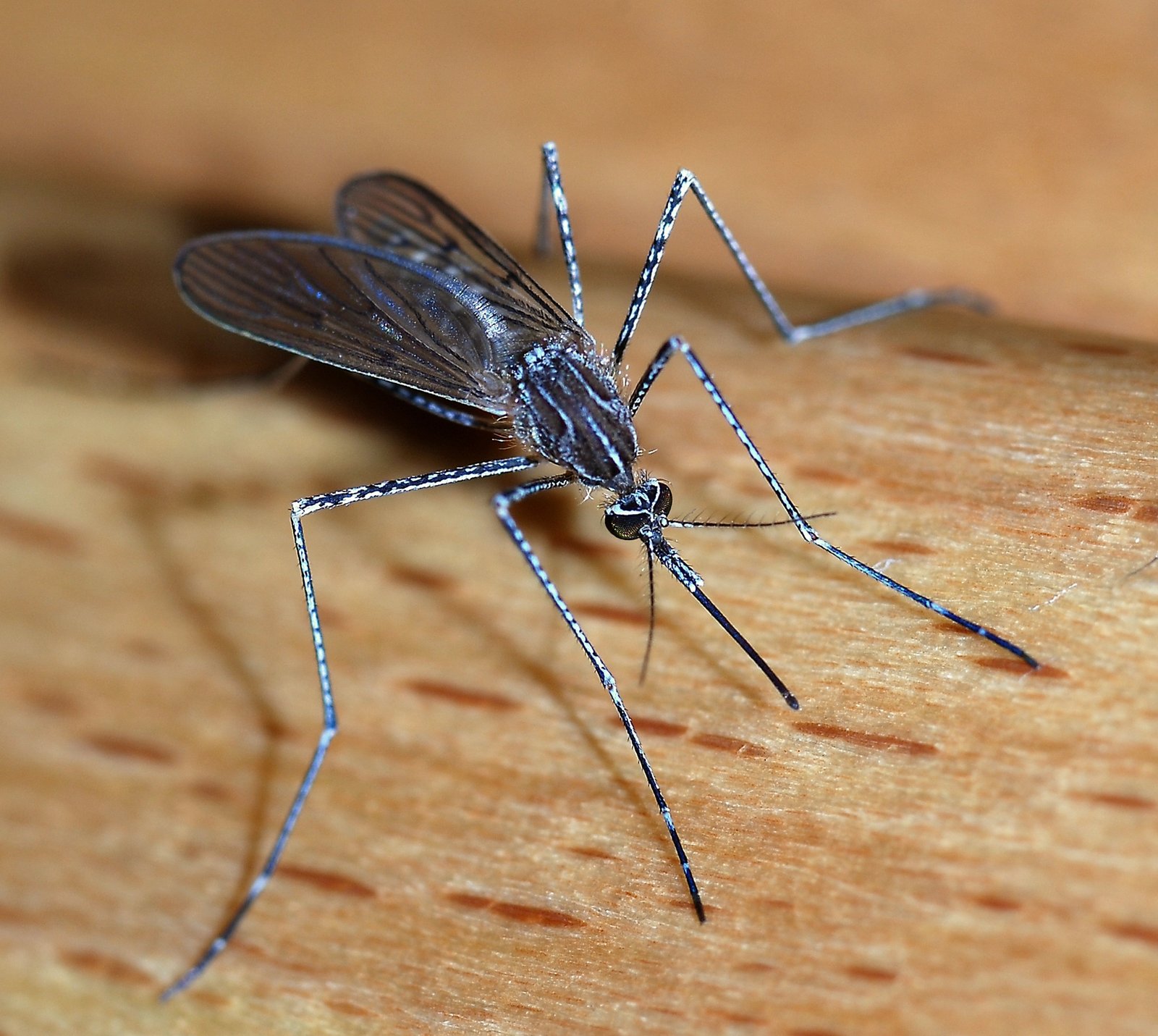
How natural mosquito sprays actually work
Most effective natural yard treatments rely on a small set of proven active ingredients: cedar oil, geraniol, lemongrass and citronella oils, and garlic-based compounds. These work in two different ways, and it matters which one a product relies on. Repellents, like citronella, discourage mosquitoes from landing in treated areas but don’t kill them. Contact and barrier treatments, like cedar oil and garlic-based sprays, actually disrupt mosquitoes’ respiratory systems on contact and can leave a residual barrier on foliage and shaded areas where mosquitoes rest during the day.
Realistic expectations
No yard spray, natural or synthetic, eliminates mosquitoes permanently, because mosquitoes are highly mobile and constantly moving in from surrounding areas. What a good natural barrier treatment does is significantly reduce the population resting and breeding on your specific property, typically for two to three weeks before reapplication is needed, less if you get heavy rain, which washes residual product off foliage. Homeowners in humid, high-rainfall regions like the Gulf Coast or the UK’s wetter months should expect to reapply more frequently than someone in a drier climate.
Why timing the application matters
Mosquitoes are most active at dawn and dusk, and they spend the heat of the day resting in shaded, humid spots, the underside of leaves, dense shrubs, and the dark space under a deck. A spray applied in the middle of a hot afternoon can miss a meaningful share of the resting population if it’s not directed at those specific spots. Early morning or early evening application, timed around when foliage is dry but temperatures have cooled slightly, tends to get better contact and better residual coverage than a midday treatment aimed mostly at open lawn.
Source reduction matters more than the spray
Mosquitoes need standing water to breed, and a single treatment can’t outpace a yard that keeps generating new breeding sites. Before or alongside any spray treatment, check for:
- Clogged gutters holding water after rain
- Saucers under potted plants, bird baths, or kiddie pools that aren’t emptied regularly
- Low spots in the yard where water pools for more than a few days
- Tarps, buckets, or old tires holding rainwater
Address these and a natural spray treatment goes noticeably further, because you’re not constantly reintroducing new mosquitoes to a barrier that’s already working.
Store-bought vs professional application
A hardware store bottle applied with a garden sprayer covers what you can reach and see. Natural mosquito treatments applied by a pest control contractor typically use backpack or truck-mounted equipment that reaches under decks, into dense shrub lines, and up into shaded tree canopy where mosquitoes actually rest during daylight hours, areas most homeowners skip entirely. That coverage difference is usually the biggest factor in why a professional application outperforms a DIY one, more than any difference in the product itself.
What not to expect
Don’t expect a natural spray to work like a synthetic pyrethroid with a longer residual life, they generally break down faster in sunlight and rain, which is part of why they’re gentler on beneficial insects but also why the reapplication schedule is tighter. And don’t judge a treatment’s effectiveness by the first evening after application. Mosquitoes already present in the yard when it’s sprayed may take a day or two to clear out fully, the real test is whether activity stays low over the following two to three weeks.
Applying it yourself, if you’re going that route
A garden pump sprayer covers more ground evenly than a trigger bottle and is worth the small upfront cost if you’re treating a full yard rather than a single problem area. Focus the application on the underside of leaves, the base of dense shrubs, tall grass edges, and anywhere shaded and humid, these are the spots mosquitoes actually rest in, not open lawn where they rarely linger. Skip spraying directly over flowering plants when pollinators are active, most natural products are gentler on bees than synthetic options but it’s still worth avoiding direct contact during active bloom.
What’s on the label worth checking
A product listing an exact percentage of active ingredient, rather than a vague “essential oil blend,” is generally a better sign of a consistent, tested formulation. Application rate and reapplication interval should be specific too, “as needed” on a label usually means the manufacturer doesn’t have solid data on how long the product actually holds up outdoors, which is a reasonable thing to be skeptical of.
How this compares to synthetic options
Synthetic pyrethroids last longer between applications, sometimes a month or more, and that longer residual is the main tradeoff homeowners are weighing when they choose between the two. Natural formulations need more frequent attention but carry a lower risk profile around pollinators, pets, and anyone spending a lot of time in the yard, including kids. For most residential properties without a severe standing-water problem nearby, the shorter interval is a reasonable tradeoff for the lower toxicity, especially when paired with consistent source reduction that reduces how hard the spray has to work in the first place.
Personal repellents versus yard treatments: they’re not interchangeable
A lot of confusion around this topic comes from lumping two different products into one category. A yard barrier spray, natural or synthetic, is applied to landscaping and structures to reduce the resting and breeding mosquito population on a property over a period of weeks. A personal repellent, whether that’s a DEET-based spray, a picaridin lotion, or a citronella-based product, is applied to skin or clothing and protects the person wearing it for a matter of hours. Treating your yard doesn’t mean you can skip a repellent when you’re actually outside during peak activity hours, and wearing repellent doesn’t reduce the mosquito population your kids or pets are exposed to the rest of the day. For most households, the two work best together, a yard treatment to knock down the resident population and a personal repellent for the hours you’re actually outside.
What the evidence actually says about personal repellent ingredients
Not all repellent active ingredients perform the same way, and the differences matter more than most product marketing suggests. DEET, in concentrations of 20 to 30 percent, remains one of the most thoroughly studied and consistently EPA-registered mosquito repellents available, typically providing several hours of protection per application, though it does have an odor some people find unpleasant and can degrade certain plastics and synthetic fabrics on contact. Picaridin performs comparably to DEET in independent testing, has little to no odor, and doesn’t have the same plastic-degrading effect, which is part of why it’s become a common alternative for people who dislike DEET’s smell or feel. Oil of lemon eucalyptus, and its refined active compound PMD, is plant-derived and has data supporting protection times approaching those of low-concentration DEET products, though it isn’t recommended for children under three. Permethrin is worth knowing about separately, it’s not applied to skin at all but to clothing, tents, and gear, where it binds to fabric fibers and remains effective through multiple washes, offering a different kind of protection than anything sprayed directly on skin. Essential oil-based products relying primarily on citronella or geraniol without one of the ingredients above generally provide real but noticeably shorter protection windows, often under an hour before reapplication is needed, which is fine for a short time outside but not a substitute for a longer-lasting option during an evening spent in the yard.
Common questions
Can I use a yard spray and a personal repellent on the same evening? Yes, they’re not redundant, a yard barrier treatment reduces how many mosquitoes are present overall, while a personal repellent protects you from whatever’s left. Using both is standard practice, not overkill.
Is it safe to spray a natural yard treatment around a vegetable garden? Most cedar oil and garlic-based products are considered low-risk around edible plants when applied per label directions and kept off the edible portions themselves, but always check the specific product label, since formulations and concentrations vary between brands.
Do citronella candles and tiki torches actually help at an outdoor gathering? To a limited degree, and mostly in still air within a metre or so of the flame. Any breeze disperses the vapor quickly, which is why candles work better as one layer of protection at a patio table than as a standalone solution for an entire backyard gathering. Pairing them with a yard barrier treatment and personal repellent for guests covers the gaps candles alone leave.
How do I know if my yard actually needs professional treatment versus a store-bought option? If a consistent DIY routine with source reduction isn’t keeping activity manageable after a few applications, or if there’s a standing water source nearby you can’t control, like a neighboring property or a drainage easement, that’s usually the point where a pest professional with commercial-grade equipment starts to outperform what a homeowner can reasonably do with a garden sprayer.
Is it worth it for your yard
If mosquitoes are a mild seasonal nuisance, a quality natural spray applied consistently can make a real difference on its own. If you’re dealing with heavy activity near standing water you can’t fully eliminate, like a drainage area or a neighboring property, pairing consistent treatment from a pest professional with source reduction is going to get you further than either one alone. Call 1-844-783-4821 if you want a straight assessment of what’s actually driving mosquito activity on your property.