
A yard that’s unusable after 6 pm all summer isn’t just bad luck, it’s usually a combination of a few fixable conditions. Mosquitoes need standing water to breed and shady, humid spots to rest during the heat of the day. Address both and the population drops noticeably within a couple of weeks.
Why Evenings Are So Much Worse
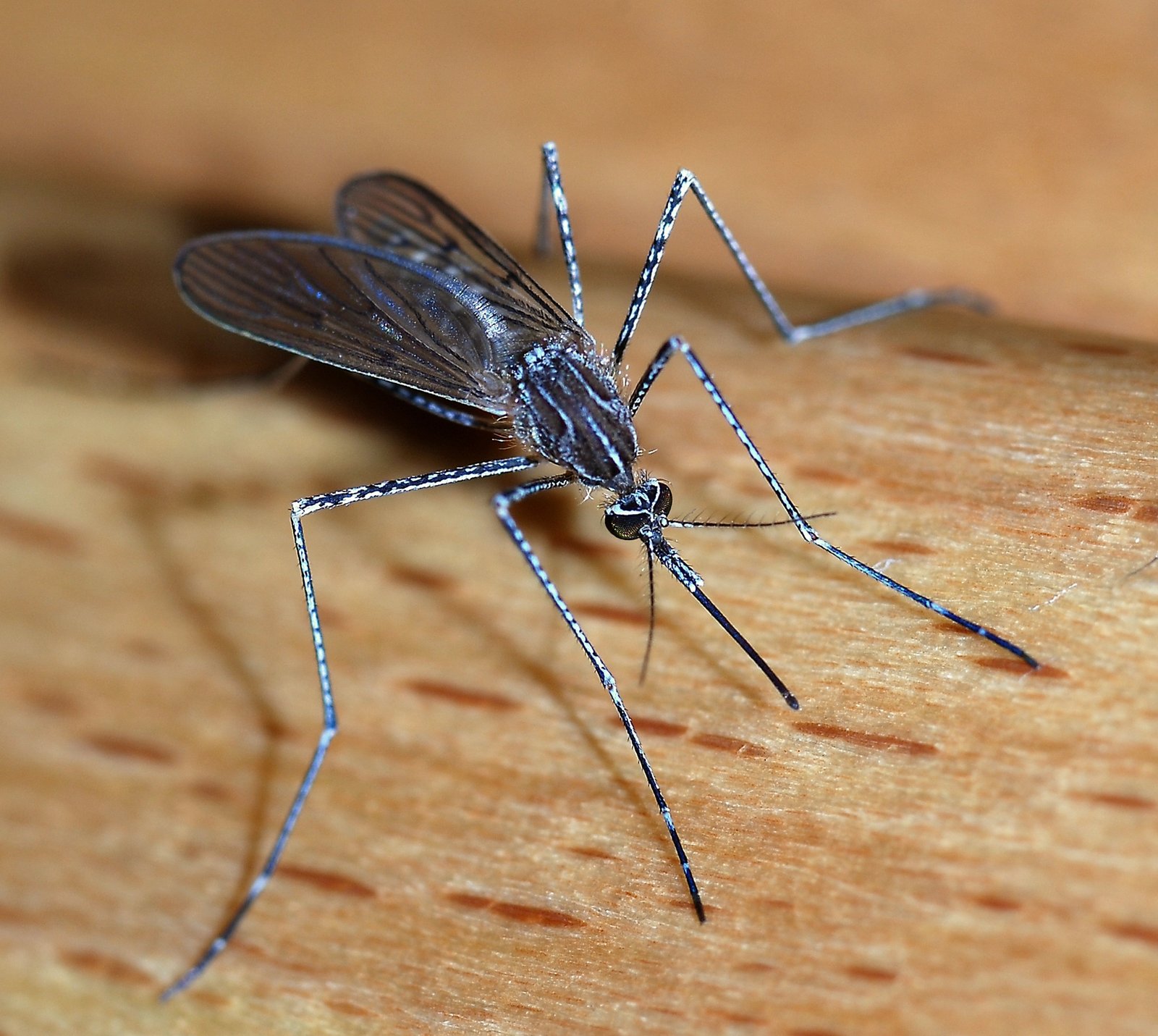
Most mosquito species that bother people in yards are most active at dawn and dusk, when temperatures cool and wind tends to drop, giving weak-flying insects calmer air to move through. During the heat of the day, they’re mostly resting in shaded, humid spots like dense shrubs, tall grass, and mulch beds, conserving energy and staying protected from sun and dry air. That’s why a yard can look and feel mosquito-free at 2 pm and become unbearable by 7, the population hasn’t changed, just where they’re active.
Humidity plays as big a role as temperature in this pattern. Mosquitoes lose water quickly through their exoskeleton, so a hot, dry afternoon is genuinely hard on them, they’re not hiding out of laziness, they’re avoiding conditions that would dehydrate them within a few hours. As evening humidity rises and the sun drops, both the temperature and moisture conditions swing back in their favor at the same time, which is why activity can ramp up quickly over a fairly short window right around sunset.
Start with the water
This is the highest-leverage step. Empty anything holding standing water weekly: plant saucers, buckets, low spots in tarps, clogged gutters. For water you can’t remove, like a fountain, pond, or rain barrel, a Bti dunk kills larvae without harming fish, pets, or beneficial insects. Bti products generally need replacing every 30 days or so during peak season, and after unusually heavy rain it’s worth checking sooner since flooding can wash a dunk out of position.
Manage where they hide
- Mow regularly and keep grass short, especially near fence lines and shaded edges where adult mosquitoes rest during daylight hours.
- Thin out dense shrubs and groundcover close to patios and entry points. Mosquitoes favor cool, still, shaded microclimates.
- Keep compost piles and mulch beds turned, damp organic material holds moisture and shelter.
- Trim back ivy, dense hedges, and overgrown groundcover along fence lines, these are some of the most common daytime resting spots in a typical yard and are often overlooked because they’re not obviously wet.
- Prune tree canopies that hang low over patios and walkways, dense overhead cover keeps the ground beneath noticeably more humid than open sky, extending the hours mosquitoes are comfortable resting there.
- Clear leaf litter and yard debris from under decks and along the base of fences, both create the same cool, moist microclimate mosquitoes look for even without any standing water involved.
Add a barrier
Plant-oil based barrier treatments, using ingredients like cedar oil or geraniol, sprayed on foliage around the yard’s perimeter, are an effective natural option for knocking down adult populations without the residual concerns of synthetic pesticides. They typically need reapplication every few weeks, more often after heavy rain. Applying a barrier treatment about a day before a planned outdoor event gives it time to settle onto foliage without leaving any wet residue on plants people will be near.
Coverage matters as much as the product itself. A barrier treatment works by contacting mosquitoes where they land to rest, so it needs to reach the underside of leaves, the interior of dense shrubs, and low groundcover, not just the outward-facing foliage that’s easy to spray from a straight-on angle. A DIY application with a handheld or hose-end sprayer often misses these interior surfaces, which is one of the most common reasons a homeowner treats the yard and still sees disappointing results. Professional equipment, and the experience of knowing which spots in a given yard actually function as resting sites, closes that gap.
Small things that help
Mosquito-repelling plants like citronella grass, lemongrass, and marigolds have a modest effect right around the plant itself, worth having near seating areas but not a standalone solution. A box fan or outdoor fan on a patio does more than most people expect, mosquitoes are weak fliers and steady airflow keeps them from landing. And simply shifting outdoor activities away from dawn and dusk, when most species are most active, cuts down on bites without any extra work at all. Light-colored, loose-fitting clothing also helps in a modest way, mosquitoes key in partly on body heat and dark colors, and tight clothing is easier for them to bite through than loose fabric.
What Not to Do
Don’t rely on a bug zapper as your main defense, most zappers kill far more harmless insects, including pollinators, than actual mosquitoes, which are more drawn to carbon dioxide and body heat than light. Don’t spray broad-coverage insecticide across the entire lawn as routine maintenance, it knocks down beneficial insects along with mosquitoes and isn’t necessary if the standing water and resting-spot issues are actually addressed. And don’t assume a single treatment, whether it’s a barrier spray or a dunk in the birdbath, is a one-time fix, mosquito control in a yard is an ongoing seasonal habit, not a task you finish once.
Building a season-long plan
Most yards do best on a layered schedule rather than a single big push. Weekly: walk the property for standing water, five minutes, done in the same order every time so nothing gets skipped. Every three to four weeks through peak season: reapply or schedule a barrier treatment, since both DIY and professional formulations lose effectiveness over that window from UV exposure and rain. Monthly: check any Bti dunk and replace on schedule rather than waiting until you notice larvae. And at least twice a season, typically early summer and again in mid-summer, do a fuller pass on the hiding-spot list above, since shrubs and groundcover grow back into dense cover a lot faster than most people expect during a warm, wet stretch.
Common mistakes that undermine the work
Treating the yard once after a bad weekend and stopping is the single biggest reason people feel like nothing worked, mosquito control is maintenance, not a one-time fix, in the same way mowing the lawn once doesn’t keep grass short for the season. Another frequent mistake is focusing entirely on the patio and ignoring the rest of the property, mosquitoes don’t stay near where they hatched, so a yard with an untreated back corner can keep repopulating the area you actually use no matter how well that specific spot is managed. And skipping the interior of dense shrubs during a barrier application, spraying only the visible outer leaves, leaves the actual resting sites untouched even though the yard looks treated.
How soon should you expect results
Once standing water sources are cleared and resting spots are trimmed back, most yards see a noticeable drop in biting activity within one to two weeks, roughly the time it takes existing larvae to finish developing without new eggs replacing them. If a barrier treatment is added on top of that, the drop in adult activity is often faster, sometimes within a few days, though it won’t hold without the water and habitat work behind it.
Regional patterns worth knowing
Yards near standing wetlands or along the Gulf Coast deal with pressure most of the warm season. Properties near lakes in Ontario and other parts of Canada often see a sharp spike in early summer tied to snowmelt pools. Australian backyards with water tanks need the screening step in particular, tanks are a favorite breeding site if the inlet isn’t properly meshed. In the UK, a wet spring followed by a warm summer tends to produce the worst mosquito years, since standing water from spring rain has time to sit before summer heat speeds up the breeding cycle.
DIY vs. calling a professional
A yard with a moderate problem generally responds well to a consistent DIY routine: weekly water checks, an over-the-counter barrier spray every few weeks, and regular mowing and trimming. Where professional help earns its cost is on larger or heavily landscaped properties where the resting-spot list above is extensive, on yards backing up to wetlands or a neighbor’s neglected pool, or simply when the weekly discipline isn’t realistic given everything else going on. A pest control technician’s barrier products are typically formulated to hold up longer between applications than consumer versions, and equipment built for reaching interior foliage covers ground a handheld sprayer can’t. Most pest management companies offer a free no-obligation quote for an initial yard assessment, worth getting even if you plan to handle ongoing maintenance yourself, since a trained eye often spots resting sites and hidden water that get missed on a homeowner’s own walk-through.
A couple of common questions
Do I need to treat the whole yard, or just where we sit? Focus effort on standing water anywhere on the property first, mosquitoes don’t stay near their breeding site, but concentrate resting-spot management and barrier treatment on the areas people actually use, patios, decks, and play areas, for the best return on effort.
Will one heavy rain undo all this work? Not undo it, but it resets the clock on standing water. Recheck saucers, low spots, and gutters within a day or two of any significant rainfall rather than waiting for the next scheduled check.
How long does a professional barrier treatment take to work, and how long does it last? Most applications visibly reduce adult activity within a few hours to a day, and hold for roughly three to four weeks under normal conditions, shorter if the yard gets heavy rain during that window.
If you’ve done the yard work and mosquitoes are still bad, the source is often outside your control, a neighboring property or shared drainage area. Call 1-844-783-4821 and we can help identify what’s actually driving it.