A home inspection and a pest inspection are not the same thing, and that surprises a lot of buyers. A general inspector checks the roof, the wiring, the furnace. A pest inspection, sometimes called a WDO (wood-destroying organism) or WDI report, looks specifically for termites, carpenter ants, powderpost beetles, and moisture damage that invites them in. Lenders often require it. VA loans require it in most states. And even when it’s not required, skipping it is a gamble most buyers regret.
What the inspector is actually looking for
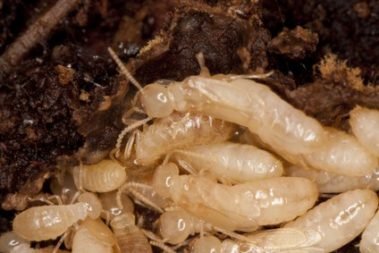
The visible damage is only part of the story. An inspector checks crawlspaces for mud tubes along foundation walls, a telltale sign of subterranean termites. They tap window sills and door frames listening for the hollow sound of hidden tunneling. They check attic framing for frass, the sawdust-like droppings carpenter ants and powderpost beetles leave behind. In older homes with stone or block foundations, common across the Northeast and parts of the UK, they pay close attention to the sill plate where wood meets masonry, because that’s where moisture collects and termites go to work first.
How the report actually works
In the US, most inspectors fill out a standardized NPMA-33 form, which notes whether there’s “visible evidence” of wood-destroying organisms, whether there’s a “conducive condition” (standing moisture, wood-to-soil contact, a leaking hose bib) that could invite them later, and whether treatment has been done on the property before. A full inspection of an average single-family home typically takes 30 to 60 minutes and runs somewhere between $75 and $150 in most markets, more for larger properties or ones with limited crawlspace access. Lenders generally want the report dated within 30 to 90 days of closing, so timing it too early in a long escrow can mean paying for a second one.
Who’s qualified to perform the inspection
Not just anyone with a flashlight can sign a WDO report. In most US states, the inspector needs a state pest control license or a specific wood-destroying organism inspection certification, and the report itself is a legal document tied to that license number. Some pest management companies that perform inspections also perform treatment, which is legal but worth knowing going in, since there’s an incentive to find something to sell a service for. Many buyers request an inspector who isn’t affiliated with the company doing any recommended treatment work, or at minimum ask for the itemized findings before agreeing to anything. It’s not a sign of distrust to ask for that separation, it’s standard practice in a lot of markets, and a reputable exterminator won’t take it personally.
Why this matters for sellers, not just buyers
If you’re selling, a pest inspection you order yourself, ahead of listing, does two things. It gives you time to treat a problem quietly instead of negotiating it under pressure after a buyer’s inspector finds it. And it gives you paperwork to hand over, which builds trust with a buyer who’s already nervous about the biggest purchase of their life. A seller who can produce a clean report, or a treated-and-documented one, closes faster than one who’s hoping the subject never comes up.
Termite bonds and treatment warranties: what actually transfers to a new owner
If a home has been treated for termites before, it may come with a termite bond, essentially a service contract that guarantees free retreatment (and sometimes damage repair) if activity returns during the bond period. These are usually renewable annually for a few hundred dollars. Whether a bond transfers to a new owner depends entirely on the contract, some are fully transferable with a small transfer fee, others lapse the moment the property changes hands. A seller who has an active bond should hand over the actual paperwork, not just mention it exists, because a buyer’s agent or attorney will want to confirm what’s covered, whether repair costs are included or only retreatment, and whether the bond has been kept current with required annual renewals. A lapsed bond is functionally the same as no bond at all, so ask when the last renewal was paid, not just whether one was ever purchased.
Regional patterns worth knowing
- Homes near the Gulf Coast and across the Southeast deal with subterranean termites that can cause structural damage in a few years, not decades.
- Pacific Northwest homes, especially older ones with damp crawlspaces, see more carpenter ant activity than termite activity.
- Homes in drier inland climates are more likely to show drywood termite evidence in attic framing and furniture rather than soil-based colonies.
- Australian properties carry some of the highest termite pressure of any market we see, and lenders there often expect an annual inspection built into ongoing home maintenance, not just a one-time pre-sale check.
- In parts of the UK, wood-boring beetles like the common furniture beetle and, in older timber-framed buildings, deathwatch beetle show up more often in a survey than termites do.
What happens after the report
Finding activity doesn’t have to blow up a sale. Most treatment plans, especially natural and low-toxicity options, can be scheduled and completed before closing, with documentation for both sides. What actually derails deals is finding damage nobody accounted for, then arguing about who pays for it during an already tense negotiation. A treatment plan with a clear scope and a written warranty gives both sides something concrete to negotiate around instead of guessing.

Negotiating repairs: credits, escrow holdbacks, and price reductions
When a report finds active activity or damage, there are usually three ways it gets resolved before closing. The seller can pay for treatment and repairs directly and hand over documentation. The parties can agree to a credit at closing, so the buyer receives cash to handle it themselves after moving in. Or, when treatment can’t reasonably be completed before the closing date, the parties can agree to an escrow holdback, where a set amount of money is held by the title company until the work is done and verified, then released to whoever paid for it. Escrow holdbacks are more common when the issue is structural damage that needs a contractor’s repair estimate rather than a straightforward treatment. None of these approaches is automatically the right one, it depends on the timeline, how much trust exists between the parties, and whether the lender has requirements about clearing the issue before funding closes.
Mistakes buyers and sellers both make
- Waiving the inspection to compete. In a fast-moving market it’s tempting to drop contingencies, but a pest inspection is cheap insurance against a five-figure repair bill hiding behind drywall.
- Only checking what’s visible. A walkthrough of the crawlspace and attic matters as much as the report itself; ask to be there for it if you can.
- Treating “no visible evidence” as a guarantee. It means exactly what it says, no evidence was visible on the day of inspection, not that the property will never have a problem.
- Sellers assuming an old treatment still counts. A termite treatment or bait system from a decade ago with no renewed service contract may no longer be doing anything.
Quick answers to what people usually ask
Is a pest inspection the same as a termite inspection? Not quite. A termite inspection focuses narrowly on termites, while a full WDO/WDI pest inspection also covers carpenter ants, powderpost beetles, and moisture conditions that could lead to any of them.
Who pays for it? This varies by contract and region, but it’s commonly negotiated as a buyer expense, sometimes split, and occasionally covered by the seller upfront when they order their own pre-listing inspection.
Do VA and FHA loans have different pest inspection rules? VA loans require a wood-destroying insect report in most states as a condition of the loan, and by convention the seller usually pays for it, not the buyer, though this can be negotiated locally. FHA loans don’t always require one outright, but the appraiser can call for one if there’s visible evidence of damage or a conducive condition during the appraisal walkthrough. Conventional loans generally leave it up to the buyer to order one, which is why so many buyers assume it’s optional when it’s really just lender-dependent.
Can I do a rough check myself before hiring a pest professional to do one? You can look for obvious signs, mud tubes, discarded wings near windows, soft or hollow-sounding wood, but a self-check isn’t a substitute for the report a lender or a serious buyer will want to see.
What if something is found right before closing and there’s no time to treat it? This is where escrow holdbacks come in. Rather than delaying the closing, the parties agree on a dollar amount and hold it until the work is finished, verified, and invoiced.
Does a clean pest report mean the home has never had a pest problem? No. It means no active evidence was visible on inspection day. Plenty of homes have old, fully treated activity with no current signs, and a good report will usually note prior treatment if there’s evidence of it, like an old bait station or a treatment log left by the previous pest company.
If you’re heading into a sale or a purchase and want a straight answer on what a property’s pest history looks like, call 1-844-783-4821. Our pest control contractors work across residential and commercial properties and can walk you through what a report actually means before you’re staring at it across a closing table.