Most people picture the same thing when they hear “pest control”: a pest professional walking the perimeter of a house with a sprayer. That’s not wrong, but it’s only part of the story. Real pest control is a process with several stages, and skipping any one of them is usually why a problem that seemed “treated” comes right back.
The stages that make up a real program
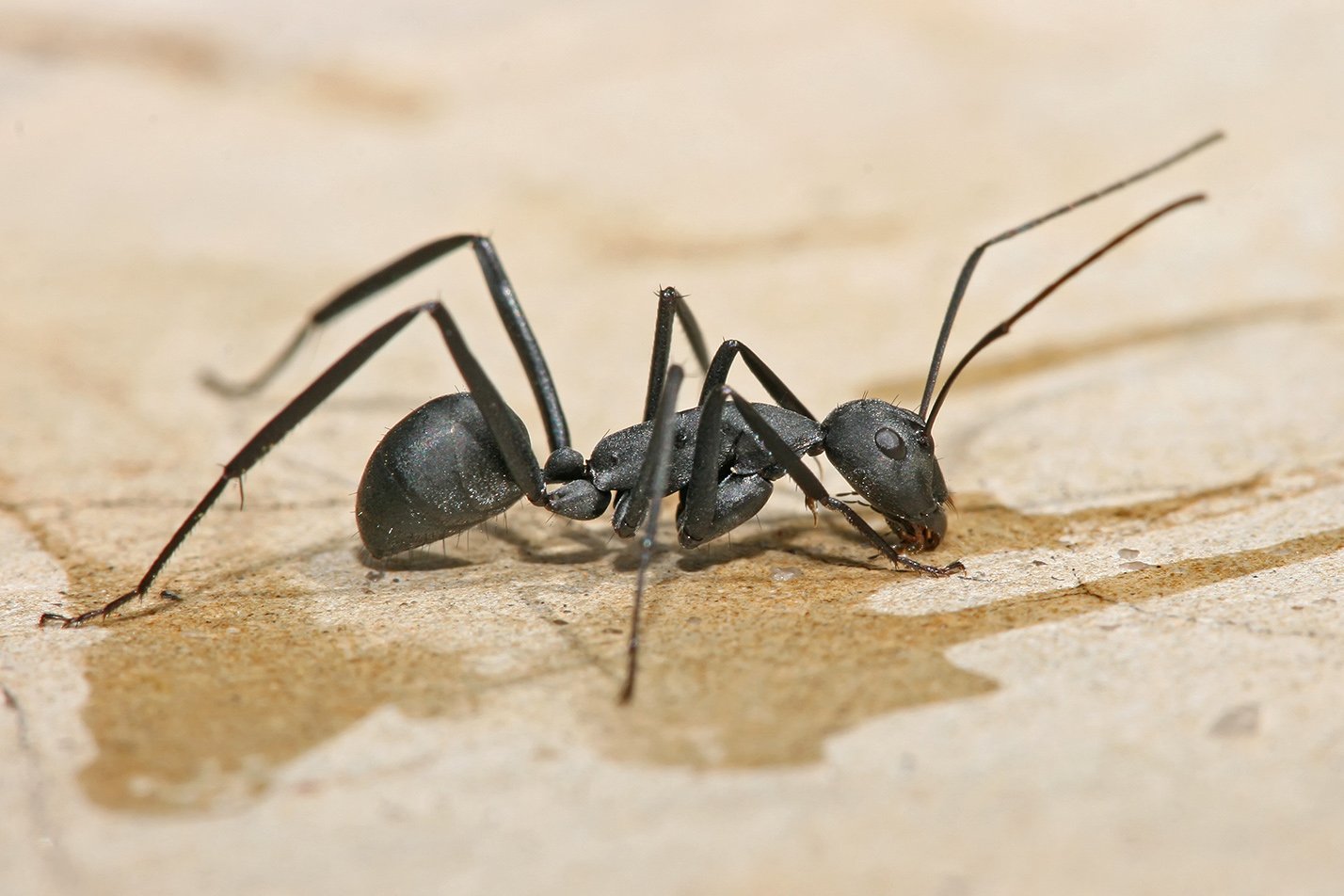
The first stage is identification. Not all ants are the same ant, and not every dropping in a garage means rats rather than mice. A carpenter ant problem in a home with a leaking gutter is a moisture issue as much as a pest issue, and treating the ants without addressing the moisture just buys a few weeks. Getting the identification wrong at the start can send the whole plan off course, since a treatment aimed at the wrong species, or the wrong life stage of the right species, often does nothing at all.
The second stage is treatment, which is where natural, targeted methods matter. That can mean botanical products, precise baiting, mechanical trapping, or changing conditions around the home rather than broad spraying indoors. The third stage is exclusion: sealing the gaps, gnawed corners, and door sweeps that let pests back in. Treatment without exclusion is a temporary fix, since it deals with the population that’s already inside without closing the door behind it.
The stage most companies skip
The fourth stage is monitoring. Pests are an ongoing pressure from the yard, the neighborhood, and the building itself, not a one-time event. A visit that ends with a spray and a handshake isn’t pest control so much as a treatment. Monitoring can be as simple as periodic bait station checks or as involved as a scheduled seasonal inspection, but the point is the same: catching the next problem while it’s still small instead of waiting for it to become obvious again.
Why “natural-first” matters here
Natural pest control doesn’t mean pretending a problem is smaller than it is. It means using the least aggressive method that actually works, in the right order, so a home with kids, pets, or a vegetable garden isn’t treated the same way as a commercial warehouse. Sometimes that’s all that’s needed. Sometimes a heavier, more targeted approach is required for a specific pest, and a good pest controller will tell you which is which instead of running one script for every house.
The Idea Behind Integrated Pest Management
The four-stage approach described above is a plain-language version of what the industry calls Integrated Pest Management, or IPM. The core idea is that treatment decisions should be based on actual thresholds, how many pests, how much risk, how much damage, rather than a fixed schedule of blanket applications regardless of what’s actually present. A property with a few ants near an exterior door in summer doesn’t need the same response as a kitchen with an active infestation, and IPM is the framework that tells a technician which situations call for monitoring only, which call for spot treatment, and which call for a broader response. It’s not a brand or a certification you shop for by name, it’s closer to a standard of practice, and most legitimate pest management companies follow some version of it even if they don’t use the term with customers.
How a Typical First Visit Works
A proper first visit starts with a walkthrough, inside and out, looking for the specific signs tied to what you’re reporting, along with anything you haven’t noticed yet. That includes checking moisture-prone areas like crawlspaces and under sinks, looking at the exterior for gaps and entry points, and identifying conditions, standing water, woodpiles against the foundation, overgrown vegetation touching the siding, that tend to invite pests back regardless of treatment. From there, the technician should be able to explain what they found, why it’s happening, and what the plan looks like over the next few visits, not just what product they’re about to apply today.
What a One-Time Spray Actually Leaves Out
- No real identification beyond “there are bugs here,” which means the treatment is a guess rather than a targeted response
- No exclusion work, so any entry points stay open for the next pest to use
- No monitoring plan, so there’s no way to know if the treatment actually held past the first few weeks
- No follow-up built in, so a partial result is the end of the service rather than the start of a fix
What This Looks Like Over a Year
Pest pressure shifts with the seasons. Spring tends to bring ants and termite swarms as the weather warms. Summer brings wasps, mosquitoes, and stored product pests. Fall is when rodents start looking for a way indoors as temperatures drop. Winter pressure is usually lower outdoors but can concentrate indoors as pests that got in earlier settle into wall voids and attics. A program built around identification, treatment, exclusion, and monitoring adjusts to that rhythm instead of applying the same generic visit regardless of the time of year.
Common Mistakes That Undo a Treatment
- Cleaning or mopping treated baseboards and thresholds soon after a visit, which removes the very product that was meant to keep working for weeks
- Buying a second, unrelated store-bought spray to “help” and applying it over a professional treatment, which can repel pests away from bait or barrier treatments instead of letting the intended product work
- Fixing the pest without fixing the condition that attracted it, like leaving pet food out overnight or not repairing a leaking outdoor faucet, so a new population moves in behind the one that was treated
- Canceling a maintenance plan the first season nothing shows up, which is often the plan working as intended rather than a sign it’s no longer needed
What this means for you
If a pest control contractor only offers you a one-time spray, you’re getting a fraction of what pest control is supposed to be. Ask what identification looked like, what exclusion work is included, and what happens if the pest is still around in a few weeks. That last question matters most. At Natural Pest Solutions, if it’s not gone, we come back at no charge, because a guarantee that only covers the first visit isn’t really a guarantee.
- Identification: knowing exactly what you’re dealing with
- Treatment: the least aggressive method that works
- Exclusion: sealing the entry points causing the problem
- Monitoring: checking that it actually stays gone
When DIY Makes Sense and When It Doesn’t
Store-bought bait stations, sticky traps, and spot treatments are genuinely useful for a small, contained, clearly identified problem, a single trail of ants at a kitchen window, a few pantry moths after an old bag of flour. They’re a reasonable first step in those situations, especially paired with cleaning up whatever attracted the pest in the first place. DIY tends to fall short with anything involving a nest or colony that isn’t visible, wood-destroying insects, a pest that keeps returning after repeated treatment, or anything involving a species that’s difficult to identify with confidence. In those cases, the cost of a few rounds of the wrong store-bought product usually adds up to more than a single professional visit would have, and the underlying problem is often still there at the end of it.
A Few Common Questions
Is “natural” pest control less effective than conventional treatment? Not when it’s applied correctly. The difference is usually in approach, targeted and layered rather than broad and one-shot, not in whether the underlying methods work. A serious infestation may still call for a more direct treatment at some stage, but starting with the least aggressive effective option is a strategy, not a compromise.
How long does a full pest control process actually take? Identification and the first treatment usually happen on the same visit. Exclusion work can take longer depending on how much sealing is needed, sometimes a follow-up visit. Monitoring is ongoing by design, since it’s meant to catch the next issue rather than close out the file.
What should I expect to pay attention to between visits? Watch for the same signs that brought you to call in the first place, and note if they’re reappearing in the same spot or somewhere new. That detail is genuinely useful for a technician on a follow-up visit.
Do I need a pest control company if I’ve never had a problem? Preventive visits matter most for pests that are hard to catch early, termites and certain wood-destroying insects especially, since the visible signs tend to show up only after real damage has already occurred. For general household pests, reacting when you see a genuine sign is a reasonable approach for most homes. What’s the difference between a pest control technician and an exterminator? In practice the terms get used interchangeably, though “exterminator” historically implied a focus on eliminating what’s present while “pest control technician” better reflects the fuller identification-treatment-exclusion-monitoring approach most licensed professionals actually use today.
Pest control done properly is closer to home maintenance than to an emergency call. Treating it that way, on a schedule that makes sense for your region and your house, is what actually keeps pests from becoming a recurring expense.