Pest control conversations usually focus on cracks and sprays, but storage habits are one of the biggest factors in whether pests stick around. Roaches, mice, and pantry moths don’t need much of an invitation, and the way a home stores food, boxes, and clutter often gives them exactly what they’re looking for.
Cardboard is a welcome mat
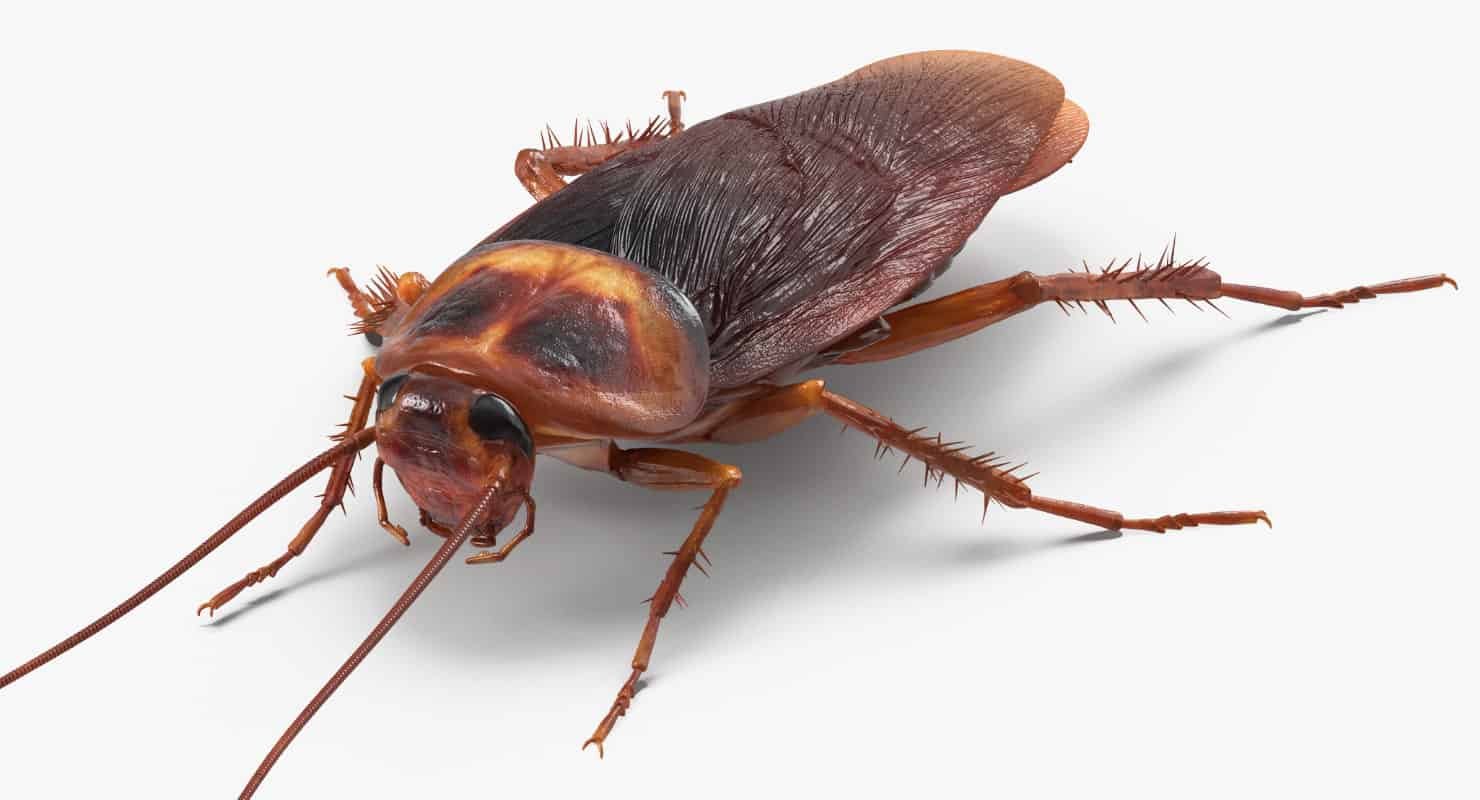
Cardboard holds moisture, insulates well, and is easy for roaches and silverfish to chew and nest in. A garage or basement stacked with cardboard boxes, especially ones that have been damp at some point, is a common starting point for an infestation that eventually spreads into the living space. Switching long-term storage to sealed plastic totes removes that habitat entirely. It’s worth checking existing boxes before switching, too, since a box that’s been sitting against a concrete floor for a year or more can already have eggs or an active nest tucked into a corner seam.
Pantry staples in original packaging
Flour, cereal, rice, and pet food bags are not pest-proof once opened. Pantry moths and beetles can chew through paper and thin plastic packaging, and their eggs sometimes arrive in the product itself. Transferring dry goods into glass or hard plastic containers with tight lids cuts off access and makes an early infestation much easier to spot, since you’ll notice webbing or larvae against clear glass far sooner than inside an opaque paper bag.
Why storage habits matter more than people assume
Most pests aren’t picky about where they end up, they’re just following the path of least resistance to food, water, and a quiet place to breed undisturbed. Storage areas check every box: they’re often dark, rarely disturbed for long stretches, and frequently hold exactly the kind of organic material, cardboard, paper, old fabric, forgotten food, that several common pests rely on. A living space that’s cleaned regularly but backs onto a cluttered, undisturbed garage or attic is really only half protected, since pests that establish in storage areas eventually work their way toward the rest of the house looking for more.
Garages and sheds
Items stored directly on a concrete floor stay damp longer and sit right at the level mice and insects travel. Shelving that keeps boxes and equipment off the ground, combined with regular decluttering, removes hiding spots and nesting material. Seasonal decorations, especially anything stored for eight or nine months at a stretch, are worth checking before bringing back inside. It’s also worth checking these spaces at least once a season rather than only when you need something from them, since that’s often the only way an early infestation gets caught before it spreads.
Basements and crawlspace-adjacent storage
Basements combine two conditions pests like most: reduced light and, in a lot of homes, elevated humidity from grade-level moisture or a nearby crawlspace. A basement with visible condensation on pipes, a musty smell, or a dehumidifier that fills up quickly is already primed for silverfish, centipedes, and, in more established cases, rodents looking for a quiet nesting spot. Keeping stored items at least a few inches off the floor, running a dehumidifier if humidity regularly climbs above 50 percent, and avoiding stacking anything directly against foundation walls, where moisture tends to concentrate, all reduce how attractive the space is before a pest ever gets established.
Closets and linen storage
Indoor closets don’t get the same attention as a garage or basement, but they follow the same logic: dark, undisturbed, and often holding fabric or paper that certain pests specifically target. Off-season wool sweaters, spare bedding, and stacks of old paperwork stored in a closet for years without being handled are exactly the conditions clothes moths and silverfish prefer. Rotating through closet contents at least once a year, even just pulling items out to check them before putting them back, disrupts that undisturbed environment enough to make a real difference, and it’s a habit that costs nothing beyond a few minutes.
Firewood and outdoor storage
Firewood stacked against the house is one of the most common ways termites, ants, and spiders move from yard to structure. Keeping it elevated and at least twenty feet from the foundation, a habit worth keeping whether you’re in a humid Southeast summer or a damp UK winter, removes a direct bridge to your walls. If you’re bringing firewood in from an outdoor stack, check each piece for signs of insect activity before it comes inside, rather than assuming a stack that’s looked fine all season is still clear.
What not to do
Stacking boxes directly against an exterior wall, even inside a garage, creates a hidden pathway pests can use without ever being seen from the house side of the wall. Storing bulk pet food or birdseed in its original paper bag “just for a little while” is another common slip that turns into a source of a much bigger problem within a few weeks. And piling miscellaneous items in a basement or attic without ever sorting through them removes your own ability to notice early signs, like droppings, gnaw marks, or shed insect skins, before an infestation has had time to spread.
Attics deserve their own look
Attics get less foot traffic than any other storage space in a home, which makes them attractive to a different set of pests than a garage or basement. Rodents favor attic insulation for nesting material and appreciate the quiet, and stored fabric items, holiday linens, out-of-season clothing, spare bedding, can draw clothes moths the same way a closet does. Insulation disturbed into clumps, chewed cardboard, or a faint ammonia smell are all signs worth checking for during an occasional attic walkthrough, ideally with a flashlight rather than relying on ambient light alone.
Moving into a new home or bringing items out of long-term storage
Moving is one of the highest-risk moments for introducing a pest problem you didn’t have before, since boxes packed from an old home, a storage unit, or a relative’s attic can carry hitchhikers you’d never notice until they’ve settled in. It’s worth inspecting boxes before they cross the threshold, particularly anything that’s spent time in a self-storage facility or a previous home with a known pest history, and treating secondhand furniture the same way, checking seams, drawers, and undersides before it comes inside. A quick inspection at the door costs a few minutes; dealing with a bed bug or cockroach problem that arrived in a box costs considerably more.
Seasonal timing for a storage check
Late summer and early fall, right before pests start looking for a warm place to spend the colder months, is a good time to go through garages, attics, and basements in most of the US, Canada, and the UK. In warmer parts of Australia and the southern US, where cold isn’t as strong a driver of pest movement indoors, a mid-year check during the wettest part of the season tends to catch more, since moisture is often the bigger factor pushing pests toward shelter.
A few habits that make the biggest difference
- Store dry food in sealed, hard containers rather than original bags
- Replace long-term cardboard storage with sealed plastic bins
- Keep stored items off the floor on shelving
- Move firewood away from the foundation and off the ground
- Rotate through storage areas periodically instead of leaving boxes untouched for years
- Inspect seasonal items for signs of activity before bringing them back into living spaces
Garages with vehicles and equipment
A garage that doubles as a workshop or vehicle storage space has its own set of pest-drawing habits worth watching. Spilled gasoline, oil, and antifreeze aren’t a pest draw themselves, but the cardboard boxes, old rags, and cluttered shelving that often accompany a working garage are, and rodents in particular favor the quiet, undisturbed space under a parked vehicle that isn’t moved often. Keeping a clear perimeter around the garage door track and checking under infrequently used equipment periodically catches nesting activity before it spreads toward the door into the house.
A couple of quick questions
Is it worth replacing all cardboard storage at once, or can it wait? If a garage or basement has a lot of old cardboard that’s been sitting for years, it’s worth prioritizing over a normal decluttering pass, especially anything that’s ever gotten damp. Newer boxes without a history of moisture exposure are a lower priority, but transitioning gradually to sealed bins as you go through storage is a reasonable, budget-friendly approach.
Does a clean house still need a storage check if there’s no visible pest activity? Yes, since storage areas are often where a problem starts well before it becomes visible in the living space. A yearly check, even with no signs of trouble, catches conditions like rising humidity or a new gap around a vent before they turn into an actual infestation.
These habits won’t solve an active infestation on their own, but they remove a lot of what draws pests in and keeps them fed. If storage areas are already a problem, Natural Pest Solutions can walk the space with you and treat it using natural-first methods, backed by a guarantee that if the pest isn’t gone, we come back and finish the job.