
Most mosquito advice focuses on repelling the mosquitoes that are already flying around you. The bigger win is reducing how many are born on your property in the first place. A female mosquito needs as little as a bottle cap of standing water to lay eggs, and she can lay them every few days, which is why a yard that looks dry at a glance can still be producing dozens of new mosquitoes a week.
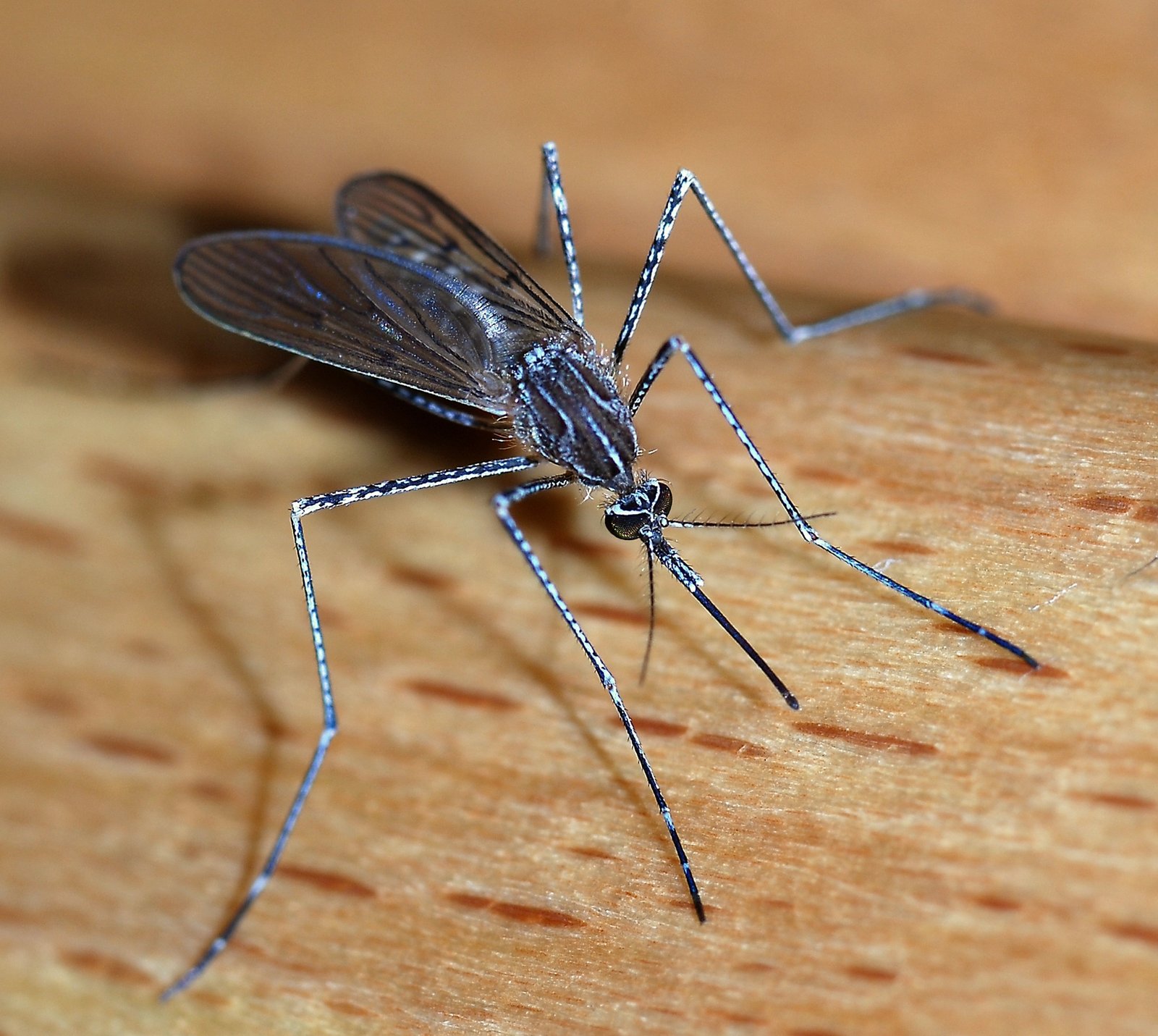
Start with water, not spray
Walk your property once a week during mosquito season and check:
- Gutters, especially if they sag or hold leaf litter
- Saucers under potted plants
- Tarps covering firewood, boats, or grills, where water pools in the folds
- Bird baths and pet water bowls, refreshed at least twice a week
- Children’s toys, wheelbarrows, or anything else that catches rain
- French drains and low spots in the yard that hold water after storms
If you have a water feature or rain barrel you can’t drain, mosquito dunks containing Bti, a naturally occurring bacteria that targets mosquito larvae without harming fish, pets, or beneficial insects, are a genuinely effective and low-toxicity option.
Know which mosquito you’re dealing with
Not all mosquitoes behave the same way, and knowing which one is biting you changes where you focus. Aedes species (Aedes aegypti and Aedes albopictus, sometimes called the Asian tiger mosquito) are aggressive daytime biters that breed almost exclusively in small containers, buckets, tires, clogged gutters, even a bottle cap, and rarely fly more than a few hundred feet from where they hatched. If you’re getting bitten mid-afternoon while gardening, the source is almost certainly on your own property or your immediate neighbor’s. Culex species are the classic dusk-and-night biters, prefer larger, more stagnant water sources like ditches, unused pools, or catch basins, and can travel much farther from their breeding site, which is why a Culex problem sometimes has no obvious source in your own yard at all. This distinction matters for treatment too, since Culex mosquitoes are a primary carrier of West Nile virus in North America, while Aedes species carry more of the tropical disease burden in warmer climates. If a neighbor has a neglected pool or a low spot that never drains, no amount of work on your own property will fully solve a Culex problem until that source gets addressed.
Why the egg-to-adult window matters
Mosquito larvae take roughly a week to ten days to develop into biting adults in warm weather, faster in hot conditions, slower when it’s cool. That window is exactly why a weekly check of standing water works as a control strategy, if you empty or treat every source before it hits that window, you’re breaking the cycle before it produces a single new mosquito. Skip a week during peak summer heat and you can go from a clean yard to a noticeable increase in biting activity fast.
What actually helps outdoors
Citronella candles have a real but limited effect, mostly in still air and close range. What makes more difference is a barrier treatment applied to vegetation, shaded resting spots, and the underside of decks and porches, where adult mosquitoes rest during the day. Targeting where they rest, not just where they’re flying, is what separates a treatment that lasts from one that wears off by dusk. Fans on a patio or deck also help more than most people expect, mosquitoes are weak fliers and a steady breeze makes it hard for them to land on you at all.
Regional timing matters
In the Gulf Coast and Southeast US, mosquito season runs nearly year-round in warm winters. In Ontario and Quebec cottage country, activity peaks hard in June and July around standing water left by spring melt. Across Queensland and northern Australia, mosquito pressure ties closely to wet-season rainfall and carries real disease concerns like Ross River virus, which makes source reduction more than a comfort issue. In the UK, warmer summers have meant a longer season than most homeowners are used to, and water butts are an underappreciated breeding source.
What not to bother with
Bug zappers mounted near a patio mostly kill moths and other harmless insects, mosquitoes aren’t strongly drawn to the UV light these units use, so the visible kill count is misleading. Ultrasonic repellent devices haven’t held up to independent testing despite being sold widely. And a single fogging treatment right before an outdoor event knocks down the mosquitoes present at that moment but does nothing about the ones developing in standing water nearby, they’ll be back within a day or two.
Common mistakes that undo otherwise good prevention work
A few habits quietly cancel out everything else on this list:
- Dumping a bird bath but not scrubbing it. Mosquito eggs and larvae cling to the sides of the container, not just the water itself, so a rinse without a scrub-down leaves the next generation ready to go the moment it rains or refills.
- Running an automatic misting system on a fixed timer regardless of actual mosquito activity. Constant low-dose exposure is exactly the condition that speeds up pesticide resistance in a local mosquito population, and it keeps chemicals going onto the yard on days when there’s no real pressure to justify it.
- Treating your own yard while ignoring a neighboring property with standing water. Mosquitoes don’t respect property lines, and a properly treated yard next to an untreated one with a forgotten kiddie pool or clogged gutter will still see biting pressure, just somewhat less than before.
- Assuming a potted citronella plant on the patio does meaningful work. The plant itself provides negligible protection unless the leaves are crushed and applied directly to skin, and even then the effect is brief.
Why some people get bitten more than others
Mosquitoes locate hosts using a combination of carbon dioxide output, body heat, and skin scent, which is why some people in the same yard get bitten repeatedly while others barely get touched. Higher body heat, heavier breathing during outdoor activity, and certain skin bacteria all play a role, and none of it is something you can meaningfully change for an evening outside. What you can control is exposure: lighter, looser clothing that covers more skin during peak dawn and dusk hours, and positioning seating away from dense shrubs and shaded corners where resting mosquitoes are most concentrated.
What not to skip
Don’t assume a treated yard means repellent on skin becomes unnecessary for an outdoor event, especially near dusk when mosquito activity peaks regardless of how thorough the barrier treatment was. And don’t wait until mosquitoes are already a nightly problem to start checking for standing water, by the time biting is constant, several generations have likely already developed on the property, and it takes a few weeks of consistent source reduction and treatment to bring numbers back down, not a single afternoon of effort.
Indoors
Check window and door screens for gaps, especially around AC units and where trim has warped. A single torn screen on a bedroom window can undo everything else you’ve done outside.
Personal repellents worth using while you work on the yard
While source reduction and barrier treatments take effect over the following weeks, a topical repellent still matters for immediate protection. Oil of lemon eucalyptus is one of the better-studied plant-based options and holds up reasonably well for a few hours per application. Picaridin, while synthetic, is another option many people find less irritating on skin than DEET-based products, and it’s worth having on hand for anyone spending real time outdoors during peak season, especially kids playing in the yard at dusk when mosquito activity is highest. DEET remains the most thoroughly studied synthetic repellent and, at concentrations of 20-30%, provides one of the longest protection windows of any topical option, typically five to eight hours per application. For anyone hiking, camping, or working outdoors for extended stretches, permethrin-treated clothing (applied to fabric, not skin) adds another layer of protection that survives multiple washes, since it works on contact with treated fabric rather than relying on scent alone.
Frequently asked questions
How long does a professional barrier treatment actually last? Most backpack-applied barrier treatments hold for two to three weeks under normal conditions, though heavy rain within a day or two of application can shorten that window since it washes product off vegetation. Over-the-counter garlic-based or cedar oil sprays homeowners apply themselves typically last five to ten days and need more frequent reapplication to stay effective.
Do mosquito traps actually reduce the population? CO2-based traps can reduce local mosquito numbers over several weeks in a contained area, but they work best as one part of a broader strategy, not a standalone fix. A trap running next to an untreated breeding source is fighting a losing battle against a constant new supply.
Is it worth treating just before a one-time outdoor event? A barrier treatment applied 24 to 48 hours before an event knocks down the resting adult population effectively, but pair it with fans on the patio and repellent on skin for guests who’ll be there past dusk, since no single layer eliminates mosquito activity completely for an evening outdoors.
When to bring in help
If you’ve addressed standing water and you’re still getting bitten in your own yard, the resting-site population is established enough that DIY sprays usually won’t keep up. That’s where a targeted, natural-first treatment plan makes the difference, and if it doesn’t hold, we come back and adjust it at no cost. Call 1-844-783-4821 to get a plan built around your actual property instead of a generic seasonal spray.